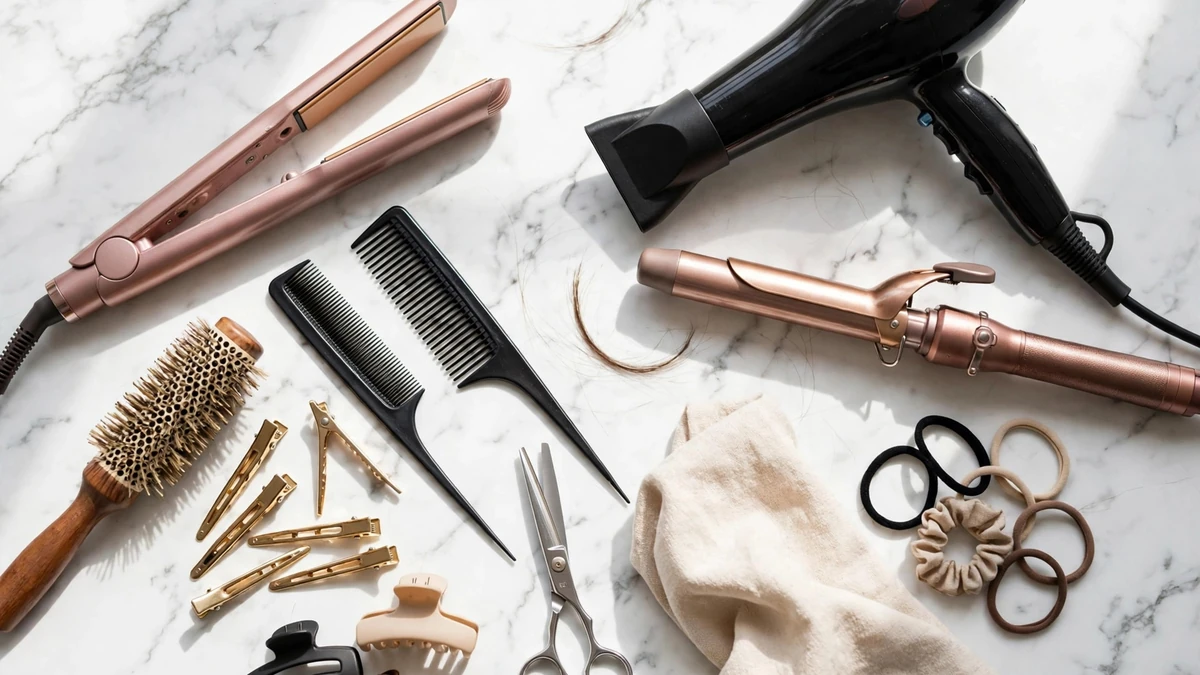
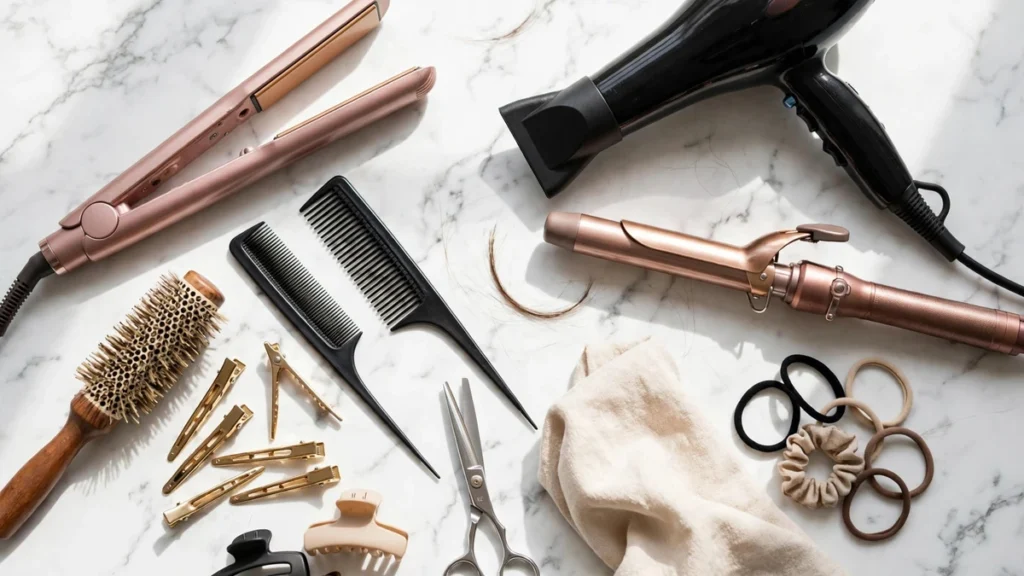
Hair styling tools are where good hair days are made or lost. A good dryer, straightener or multi-styler can turn damp, unruly hair into a smooth blow-dry in fifteen minutes, while the wrong one leaves it frizzy, flat, or damaged after a month of daily use. The choice is not about finding the most expensive tool on the shelf. It is about finding the one that suits your hair type, your routine, and the styles you actually wear.
The problem is that the market is crowded and the marketing is loud. Every tool claims to be faster, gentler, and smarter than the last, and the differences that matter, even heat, honest temperature control, useful attachments, and a weight you can hold above your head for ten minutes, are rarely the ones on the box. A powerful dryer with a poor concentrator will dry your hair fast and leave it rough.
Below are nine hair styling tools worth considering in 2027, from a premium multi-styler to a budget hot brush that does one job very well. Each one is described by what it does well, what to watch for, and who it suits best, so you can choose with your hair in mind, not just a bestseller list.
Key takeaways
- Heat is a tool, not a shortcut: even, controlled heat shapes hair far better than maximum heat applied quickly.
- Match the tool to your hair type, not to the trend: fine hair needs lower temperatures, thick hair needs power and airflow.
- Ceramic, tourmaline and ionic technology help with frizz, but they do not replace a heat protectant.
- Attachments matter more than wattage: a good concentrator, diffuser or brush head changes the result more than an extra 200 watts.
- No styling tool repairs damaged hair, and no tool is safe at maximum heat on fine or fragile hair every day.
What hair styling tools actually do for your hair
A styling tool does two things: it applies heat, and it shapes hair while that heat is applied. Heat temporarily breaks the hydrogen bonds inside each hair strand, which is what lets wet or wavy hair be reshaped into something smooth, curled, or voluminous. As the hair cools, those bonds reform and the new shape holds. That is the whole science of styling, and it is why a tool that heats evenly and cools predictably gives a better, longer-lasting result than one that blasts hot air in bursts.
The second job is protection, or at least damage control. Hair is most vulnerable when it is wet, and a dryer that takes twenty minutes at high heat does more damage than one that takes eight minutes at a moderate temperature. Tools with ionic airflow, ceramic plates, and sensors that measure temperature many times a second exist to solve exactly this problem: get the style done faster, at a lower temperature, with less frizz at the end.
What no tool does is change your hair type. A straightener will not make fine hair thick, and a curling iron will not make curls last on hair that drops them by lunchtime without help from product and technique. The best tool for you is the one that works with the hair you have.
How we chose these tools and what to look for
Look first at temperature control. A tool with adjustable heat and a display, or at least clearly marked settings, lets you use the lowest temperature that still works. Fine, coloured or fragile hair should stay around 150 to 170 degrees, while thick, coarse hair may need 190 to 210 degrees. A tool that only offers one very hot setting is a poor choice for most people, however good its other features are.
Look next at the plates, barrel, or airflow. Ceramic plates heat evenly and glide without snagging. Tourmaline adds ionic output that helps close the cuticle and reduce frizz. For dryers, airflow matters more than raw wattage: a well-designed motor with a focused nozzle dries hair faster and smoother than a higher-wattage dryer with a wide, unfocused blast. A diffuser is essential if you have curls or waves and want to keep them defined rather than blown out.
Finally, look at the practical details. Weight matters when you hold a dryer above your head for ten minutes. Cord length matters too. A long warranty, usually two to five years for a good tool, is a useful sign that the brand expects the tool to last. Our guide to the best curling irons covers the same thinking in more detail, because the barrel size and material matter just as much as the brand name.
The 9 best hair styling tools of 2027
Dyson Airwrap i.d. Multi-Styler
What we like: Styles with air rather than extreme heat, curls, smooths and dries in one tool, and the new app-connected settings remember your routine.
What to consider: Premium price, a learning curve for the curling barrels, and it works best on damp hair rather than fully dry hair. Key features: Coanda airflow curling, six attachments, intelligent heat control. Hair type: All, especially fine to medium. Best for: All-round styling without extreme heat. Price range: £480–£500.
This is the tool other multi-stylers are measured against. It is not cheap, and it will not replace a dedicated straightener for very curly hair, but for someone who wants curls, waves, and a smooth blow-dry from one device, it remains the most versatile option available.
Dyson Supersonic Nural Hair Dryer
What we like: Very fast drying, intelligent heat control that protects the scalp, and a range of magnetic attachments including a flyaway smoother.
What to consider: Premium price, and it is heavier than some budget dryers. Key features: Digital motor V9, intelligent heat control, five magnetic attachments. Hair type: All, especially thick or long. Best for: Fast, gentle drying with a smooth finish. Price range: £330–£400.
A strong choice if you dry your hair every day and want that time cut in half. The scalp-protect mode is genuinely useful, and the magnetic attachments stay put where cheaper clips slip.
ghd Chronos Hair Straightener
What we like: Heats to 185 degrees in seconds, holds that temperature consistently, and gives a sleek, frizz-free finish in one pass.
What to consider: One fixed temperature, so it is less flexible for very fine hair, and it is premium-priced. Key features: Ultra-zone predictive technology, ceramic floating plates, sleep mode. Hair type: Normal, thick, wavy. Best for: Sleek, straight styles that last. Price range: £250–£300.
For straightening, consistency matters more than maximum heat, and this is where ghd has always been strong. One slow pass beats three fast ones, and the finish holds well in humidity.
Shark FlexStyle 5-in-1 Air Styler and Hair Dryer
What we like: A dryer that twists into a multi-styler, with curling barrels, a paddle brush and a concentrator included, at well under the price of the premium options.
What to consider: Slightly noisier than a Dyson, and the curling barrels take practice. Key features: Twist-to-transform design, Coanda-style curling, four heat settings. Hair type: All, especially medium to long. Best for: Versatile styling on a mid-range budget. Price range: £250–£300.
This is the closest thing to a premium multi-styler at a mid-range price. If you want to try air styling without committing to the top of the market, this is the sensible place to start.
BaByliss Air Style 1000
What we like: A hot-air brush with a rotating barrel that dries and styles in one step, with ionic frizz control and a cool shot.
What to consider: Best on medium to long hair, and it is slower than a separate dryer and brush for very thick hair. Key features: Rotating 50 mm barrel, ionic technology, two heat settings plus cool shot. Hair type: Medium to long, normal to thick. Best for: A smooth blow-dry finish without juggling a brush and dryer. Price range: £50–£70.
For anyone who struggles to hold a round brush and a dryer at the same time, this is a genuinely helpful tool. The rotating barrel does the work, and the result is a soft, bouncy finish.
Revlon One-Step Volumiser Plus
What we like: Dries and volumises in a single pass, with a detachable head for easier storage, and a price that makes it easy to try.
What to consider: One barrel size, so it is less precise for short hair, and the heat is not adjustable enough for very fine hair. Key features: Oval barrel, ionic and ceramic technology, three heat settings. Hair type: Medium to long, normal to thick. Best for: Quick volume and a salon-style blow-dry at home. Price range: £40–£60.
This is the tool that made the one-step blow-dry popular, and it is still one of the best value options. It will not replace a full styling kit, but for a fast morning routine it is hard to beat.
T3 AireLuxe Hair Dryer
What we like: A wide, gentle airflow that dries quickly without roughing up the cuticle, with five heat settings and a cool shot.
What to consider: Mid to premium price, and the attachments are sold separately for some versions. Key features: T3 IonAir technology, wide airflow, five heat and three speed settings. Hair type: Frizz-prone, wavy, curly. Best for: Smooth, frizz-free drying. Price range: £150–£200.
If frizz is your main problem, the gentler airflow here makes a real difference. Hair comes out smoother and softer than with a narrow, high-velocity dryer, and the finish lasts longer.
Remington Proluxe You Adaptive Straightener
What we like: Learns your hair and adjusts the heat automatically, with intelligent styling technology that adapts to each pass.
What to consider: The adaptive mode can feel unpredictable at first, and it is heavier than a basic straightener. Key features: Adaptive heat technology, ceramic plates, nine temperature settings. Hair type: All, especially mixed textures. Best for: Personalised heat that adapts to your hair. Price range: £60–£90.
A clever option if your hair is different lengths, textures, or levels of damage in different places. The tool adjusts rather than asking you to guess, which is genuinely useful for everyday styling.
Hot Tools Professional Black Gold Curling Iron
What we like: A classic clamp iron with even heat, a long cool tip, and a barrel that creates defined, lasting curls.
What to consider: A traditional clamp takes practice, and it is not a multi-styler. Key features: Black gold titanium barrel, ten heat settings up to 220 degrees, 25 mm barrel. Hair type: All, especially medium to thick. Best for: Defined, long-lasting curls. Price range: £50–£70.
Sometimes the simplest tool is the right one. If you want proper curls rather than a wave, a good clamp iron with even heat will outperform a multi-styler that does everything adequately and nothing brilliantly.
Which hair styling tool is right for your hair type
Fine hair needs lower heat and lighter tools. A dryer with a good low setting, a straightener that holds 150 to 170 degrees without spiking, and a brush that does not pull will do more for fine hair than any high-powered tool. A straightener that holds its temperature is especially important here, because fine hair shows heat damage quickly.
Thick, coarse or curly hair needs power and patience. A dryer with strong airflow, a diffuser for curls, and a straightener with wide plates will save you time and give a better finish. Thick hair can take higher heat, but it still benefits from a heat protectant and from working in sections, because the outside dries and overheats while the inside is still damp.
Coloured, bleached or damaged hair needs the gentlest approach of all. Lower the temperature, use a heat protectant every time, and choose tools with ceramic or tourmaline surfaces that heat evenly. If your hair is already fragile, a multi-styler that uses air rather than extreme heat is worth the investment, because it lets you style without adding to the damage.
The caveats that matter
Heat styling is safe when it is controlled, but it is not harmless. Repeated high heat removes moisture from the hair shaft, roughens the cuticle, and makes hair more likely to break. The damage is cumulative and slow. A heat protectant, lower temperatures, and days off from styling are the three things that matter most.
| Detail | What is known |
|---|---|
| Best heat for fine hair | 150 to 170 degrees, with a heat protectant, and no more than one or two passes |
| Best heat for thick hair | 190 to 210 degrees, worked in sections so the inside dries evenly |
| How often to style | Daily is fine at low heat with protection; high heat every day causes cumulative damage |
| Heat protectant | Use it every time you apply heat, on damp hair before drying or styling |
| Who should avoid high heat | Fine, bleached, coloured or already damaged hair, and anyone with scalp sensitivity |
| What to avoid | Styling soaking wet hair with a straightener, and holding a hot tool in one place |
| Cleaning | Wipe plates and barrels clean after use, and clear the dryer filter regularly |
| What no tool does | No tool repairs damaged hair, changes your hair type, or replaces good technique |
If your hair is breaking, snapping, or feels gummy when wet, stop heat styling and let it recover. Use a hydrating mask, trim the worst ends, and talk to a stylist before buying another tool. A new tool will not fix hair that needs rest.
Checklist: buying a hair styling tool honestly
Use these checks before you buy, and again after two weeks of use.
- Check the temperature range: it should go low enough for your hair type, not just high enough for the box.
- Check the weight and balance: hold it above your head for a minute before you commit.
- Check the attachments: a concentrator, diffuser or brush head you will actually use is worth more than five you will not.
- Check the cord: it should be long enough to reach your mirror comfortably, and swivel so it does not tangle.
- Check the warranty: two to five years is a good sign that the tool is built to last.
- Check the finish on your own hair: if it looks rough or feels dry after two weeks, the heat is too high or the tool is wrong for you.
Frequently asked questions
How often can I use heat styling tools?
Daily use is fine at low to moderate heat with a heat protectant, but high heat every day causes cumulative damage. Give your hair rest days where you can, and keep the temperature as low as it needs to be for the style you want.
Do I need a heat protectant every time?
Yes. A heat protectant creates a barrier that slows moisture loss and reduces direct heat damage. Apply it to damp hair before drying, and again before straightening or curling if your hair is dry.
Are expensive styling tools worth it?
Often, but not always. Premium tools usually offer better temperature control, more even heat, and longer warranties, but a mid-range tool with good heat control can outperform a premium tool that only offers one very hot setting.
What is the best tool for fine hair?
A lightweight dryer with a low heat setting, or a multi-styler that uses air rather than extreme heat. Avoid high temperatures and heavy tools, and work in small sections so you do not need to repeat passes.
Can I use a straightener on wet hair?
No. Straightening wet hair boils the water inside the strand, which causes bubbles and breakage inside the hair shaft. Dry your hair fully first, then straighten. A frizz-control serum applied to damp hair before drying can help the finish stay smooth.
How do I make curls last longer?
Start with clean, fully dry hair, use a heat protectant, curl in small sections, and let each curl cool in your hand or pinned up before you brush it out.
The bottom line
The best hair styling tool in 2027 is not the most expensive or the most powerful. It is the one that suits your hair type, that you can hold comfortably for ten minutes, and that lets you use the lowest heat that still gives you the style you want. For most people, that means a good dryer with a concentrator, a straightener that holds its temperature, and a heat protectant used every single time.
Choose one tool that does the job you do most often, learn to use it well, and give your hair rest days. That is the honest way to get the styles you want without the slow damage that makes hair look tired by the end of the year.