


Have you ever noticed how the most polished person in the room is rarely the loudest one? No giant logos, no flashing colors, no outfit that seems to shout for attention. Just clean lines, good fabric, and a calm sense that everything fits exactly as it should. That quiet confidence has a name: understated elegance, sometimes called quiet luxury or old money style. And the good news is that it is far easier to copy than it looks, as long as you understand what actually creates it. (Clean cork flooring without swelling seams or dulling finish)
This guide breaks down the concept the way a curious reader would want it explained: what it means, how it looks in real clothes, where to spend and where to save, and the mistakes that quietly sabotage an otherwise good outfit.
What does understated elegance actually mean?
Understated elegance is a style philosophy built on restraint. It favors quality of construction and fabric over visible branding, classic dress codes over trend-chasing, and conservative color choices over loud statements. The message it sends is security rather than aspiration: the wearer looks settled, not like they are trying to prove something.
There is a useful distinction between two approaches. New money dressing tends to use visible luxury branding and obvious signals of expensive acquisition. Old money dressing communicates status through fabric, fit, and a deliberate indifference to trends. The second approach is what most people mean when they say someone looks effortlessly elegant. (Choose best protein powder women without wasting money)
One style writer put the underlying idea memorably: elegance is neatness, well-rounded outfits, and the feeling that everything is high-quality and put-together, but it can easily be overdone. A good coat is a wonderful thing, yet pair a bright red overcoat with yellow gloves and orange socks and the effect collapses into costume. Restraint is the whole game.
There is also a cultural dimension worth knowing. In discussions of the “old money” look, commentators note that the style prizes low-key taste, inner substance, and classic pieces over deliberately displayed wealth. Colors stay muted, cuts stay elegant and comfortable, and materials like cashmere and pure wool carry the outfit. Crucially, the same commentary points out that the external look is easy to imitate but hard to pull off, because polish without inner ease reads as hollow. The clothes are the frame, not the picture.
Why does “trying hard” show so clearly?
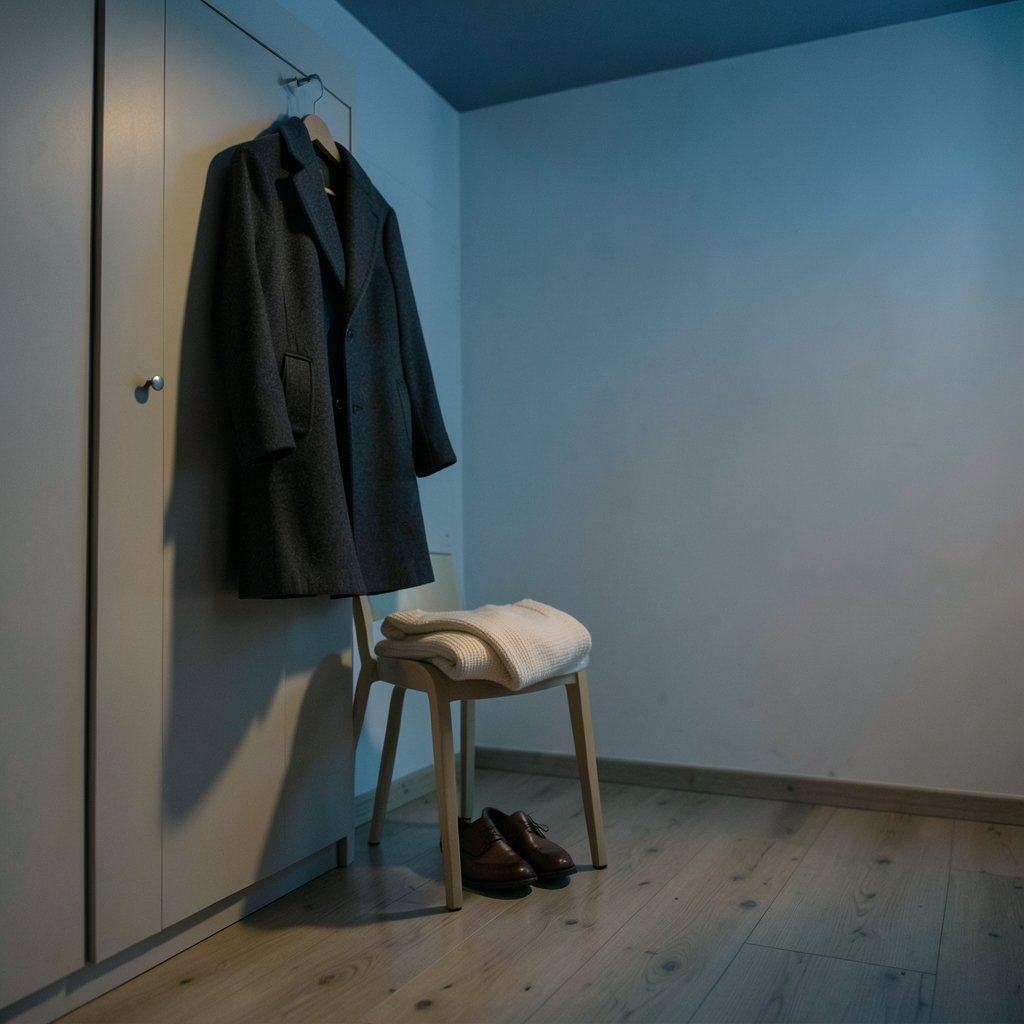
Because effort leaves fingerprints. A person trying too hard usually adds one element too many: a statement bag plus a statement shoe plus layered jewelry plus a bold lip. Each piece may be fine on its own, but together they compete, and the eye has nowhere to rest.
Understated dressing works the opposite way. It edits. The same well-cut coat worn over a plain knit and simple leather shoes looks expensive; the identical coat worn over a logo-print sweatshirt, chunky trainers, and three layered chains reads as noise. The coat did not change. The context did.
This is why fit and fabric matter more than the label. A garment that sits properly on the shoulders and drapes cleanly does more for a look than any logo. Buy fewer, better pieces and let the quality speak.
What does understated elegance look like in real clothes?
The look is easier to recognize than to define, so here is a practical breakdown by category.
| Category | What elegance looks like | What breaks it |
|---|---|---|
| Color | Neutrals: cream, black, white, brown, navy, grey | Several brights competing at once |
| Fabric | Wool, cashmere, silk, quality cotton and knits | Thin, shiny, or flimsy materials |
| Fit | Clean shoulders, correct sleeve and hem length | Baggy or straining seams |
| Branding | None or barely visible | Large logos and monograms |
| Accessories | One or two considered pieces | Stacked, jangling, or novelty items |
| Grooming | Neat, consistent, low-effort appearance | Visible neglect or over-styling |
Silk blouses are a classic example: crisp button-downs, relaxed ties, or minimalist shells instantly lift a look, and good silk feels both substantial and airy, with subtle sheen and mother-of-pearl buttons as quiet signals of quality. Jersey separates walk the line between comfort and polish when the knits are fine merino or silk-cotton blends that hold their shape wash after wash. The best everyday pieces look pulled together without visible effort, which is exactly the point.
Occasion dressing follows the same logic. For a cocktail party, the modern approach is to let one element lead, whether that is an elegant dress, a beautiful scarf, or a heritage necklace, and to make sure jewelry complements the neckline rather than fighting it. A high-neck dress pairs well with statement earrings, while a lower neckline invites a delicate scarf or a single fine piece. (Frugal male fashion dress well without wasting money)
Even celebrity dressing shows the pattern. When Radhika Merchant stepped away from elaborate traditional ensembles for a simple navy blue mini dress at a school event, the result read as contemporary, relatable, and perfectly suited to the occasion. She dressed for the setting rather than for spectacle, and that choice is what made the look feel polished without trying too hard.
Where should you spend and where can you save?
Cost-per-wear thinking reframes the whole question. A higher-priced coat worn 150 times costs less per wear than a cheap coat worn eight times before it loses its shape. Understated elegance is not about spending more; it is about spending where the money shows.
Spend more on outerwear, tailoring, footwear, bags, and fine jewelry. A quality wool or cashmere coat holds its shape and ages well. Trousers, blazers, and structured dresses depend on fit and fabric. Classic leather shoes develop patina. A structured leather bag in a neutral color is a long-term piece. One or two fine gold pieces outperform a drawer of costume jewelry.
Save confidently on lightweight summer jackets in trend colors, casual jersey basics worn infrequently, seasonal sandals, novelty trainers, trend-driven clutches, and anything you will wear a handful of times. These pieces are where trends belong, because you will not mourn them when they date.
That same discipline applies across a whole wardrobe, and it is why capsule thinking keeps showing up in style advice. Editing is what separates style from dress-up, whatever register you dress in.
What are the most common mistakes people make?
The first mistake is buying for the label instead of the mirror. Plenty of people acquire expensive pieces and wear them all at once, in every setting, regardless of whether the item suits them. A costly leather handbag does not automatically confer poise. Taste has to develop alongside the wardrobe.
The second mistake is ignoring alterations. Off-the-rack clothing fits almost no one perfectly. Taking in a waist or shortening a sleeve is one of the cheapest upgrades available, and it changes how a garment reads more than any accessory.
The third mistake is confusing minimal with plain. Understated does not mean shapeless. A plain outfit still needs structure, contrast, and at least one point of interest, whether that is texture, a well-chosen shoe, or a single piece of jewelry.
The fourth mistake is neglecting everything above the collar. Grooming, posture, and the way a person speaks carry as much weight as the clothes. As one reflection on the topic notes, a polished appearance grows out of fit, fabric, and thoughtful details, but also out of self-care, physical presence, and the quiet assurance with which someone enters a room.
The fifth mistake is chasing the trend cycle. Understated elegance is built to outlive seasons. The charcoal trench coat that anchors a wardrobe today will still work in a decade, which is precisely why it is worth buying well the first time.
How do you build the look step by step?
- Audit what you own. Pull out everything that fits well and feels good. Note the colors and fabrics that repeat. That is your real palette.
- Fix the fit. Set aside a small budget for a tailor. Hem the trousers, take in the shirt, shorten the sleeves.
- Choose a neutral base. Build around two or three core colors such as navy, cream, grey, and brown so everything mixes.
- Upgrade one anchor piece. Invest in a coat, a blazer, or a pair of leather shoes before adding anything else.
- Remove the noise. Retire the items with big logos, worn-out fabric, or a fit you keep apologizing for.
- Add one point of interest per outfit. A scarf, a watch, a ring, a textured knit. One, not four.
- Maintain everything. Brush the coat, polish the shoes, steam the shirts. Care is visible, and it is half of elegance.
This process is slow by design. The wardrobe builds over months, not a weekend, and that patience is exactly what makes the result look unforced. Technique and restraint beat product volume every time.
What makes the look feel effortless rather than studied?
Consistency. A person who wears the same few well-chosen pieces again and again starts to look like themselves, and that self-recognition is what reads as confidence. The wardrobe stops being a costume and becomes a default.
Comfort matters too. Clothes that pinch, slip, or require constant adjustment pull attention to the effort. Clothes that fit properly let the wearer forget about them, and that forgetfulness is the visible signature of ease.
Finally, the look rewards a certain indifference to being noticed. The most elegant people in a room are usually not the ones checking whether anyone is looking. They dressed for the occasion, for themselves, and for the quiet pleasure of getting it right.
Conclusion
Understated elegance is not a shopping list or a price bracket. It is a set of decisions: fewer pieces, better fabric, honest fit, muted color, and a willingness to leave things out. It asks for discernment and consistency rather than an unlimited budget. Anyone can start with what is already in the closet by editing ruthlessly, tailoring what fits, and letting one good piece do the talking. Do that long enough, and the effort stops showing, which is exactly when the style starts working.
Frequently Asked Questions
What is understated elegance in fashion?
It is a style approach built on restraint: quality construction and fabric over visible branding, classic dress codes over trends, and conservative colors over loud statements. The goal is to look polished and settled rather than like you are trying to prove something.
Is understated elegance the same as quiet luxury or old money style?
They overlap heavily. Quiet luxury and old money style both describe dressing that signals status through fabric, fit, and taste rather than logos. Understated elegance is the broader idea, and those two terms are popular labels for one version of it.
Do you need a big budget to dress this way?
No. Cost-per-wear matters more than price tag. A well-made coat worn for years costs less per wear than a cheap one that loses shape in a season. Spending selectively on outerwear, tailoring, shoes, and bags, and saving on trend pieces, keeps the wardrobe affordable.
How many colors should a capsule wardrobe use?
Most understated wardrobes work around two to four core neutrals, such as navy, cream, grey, and brown, with one or two accent colors. Fewer colors mean more combinations, which makes getting dressed faster and the results more consistent.
What is the biggest mistake people make when trying to look elegant?
Adding too much at once. A statement bag, bold shoes, layered jewelry, and a bright lip compete with each other. Elegance comes from editing: pick one point of interest per outfit and let the rest stay quiet.
Does grooming really matter as much as the clothes?
Yes. Fit, fabric, and thoughtful details are the foundation, but self-care, posture, and presence carry equal weight. Clothes that fit well and a person who looks after themselves reinforce each other, and either one alone falls short.











