

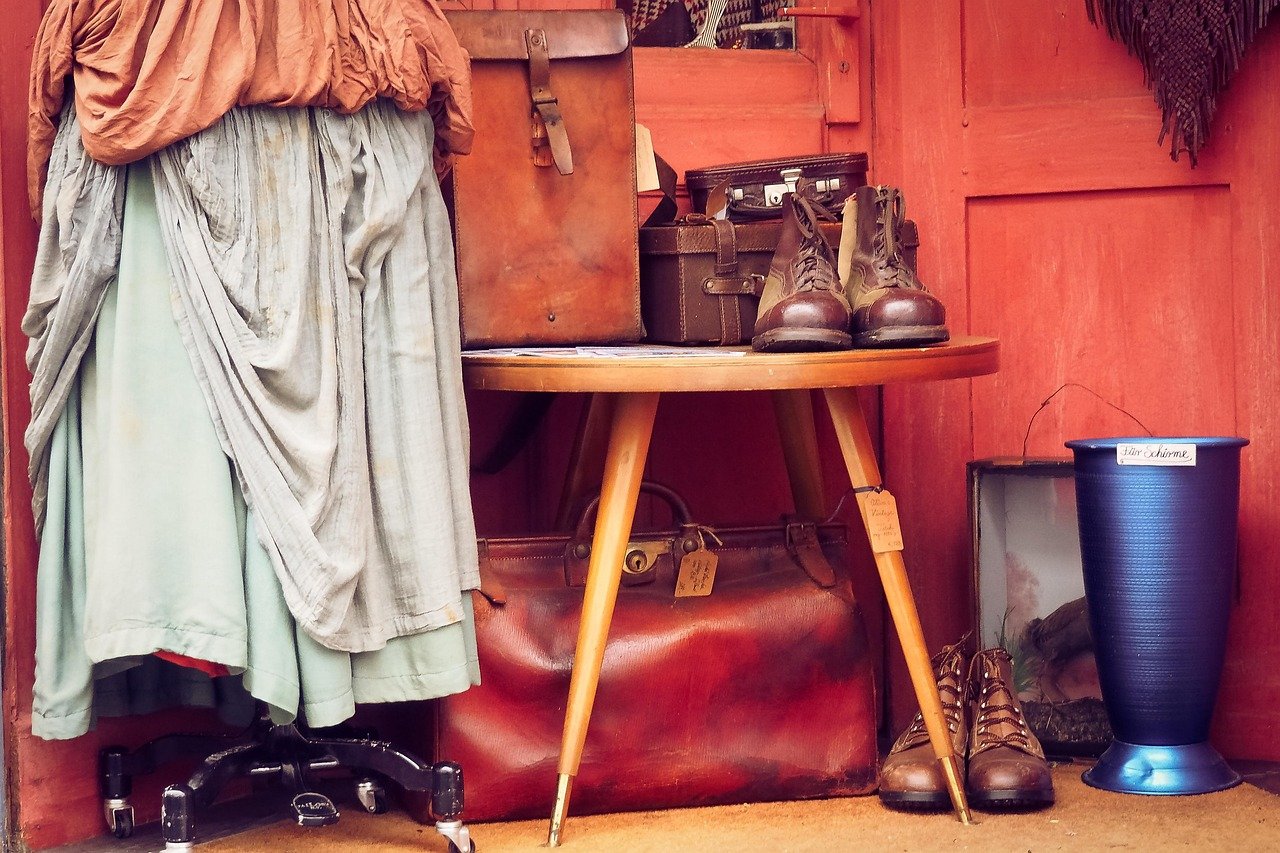

What makes a piece of clothing worth keeping for thirty years, let alone handing to someone you love? It is rarely the price tag. Walk through any family home and you will find the answer hanging in a closet: a grandmother’s saree worn soft with stories, a mother’s wedding dupatta, a brooch that survived three moves and two generations. Fashion keeps moving forward, but every so often it stops and looks back. That pause is where heirloom dressing lives. (Fashion pass explained term really means use it)
The idea has moved from sentimental to strategic. After years of disposable clothing, a new generation is buying fewer things, made beautifully, meant to last and be handed down. Understanding what makes a piece heirloom-worthy, and how to care for it so it survives the hand-down, is now a practical skill rather than a nostalgic hobby. (90s fashion trends decade that made dressing down cool)
What Makes a Piece an Heirloom?
An heirloom piece is not defined by price. It is defined by intention. It is made to be kept, not discarded; worn for decades, not a season; and good enough that someone, one day, will be glad to inherit it. That means real fabric, real craftsmanship, and timeless design over fleeting trends.
That definition matters because it widens the field. A hand-embroidered Banarasi inherited from a grandmother qualifies. So does a well-cut wool coat bought new with the explicit plan of wearing it for twenty years. The distinguishing factor is not age or expense but the decision, made at purchase, that this object will outlive its first owner’s enthusiasm for it.
There is also a psychological layer. One study termed “dress memorabilia” a memory-storage complex: clothing can reinforce a stable sense of self in ways photographs or souvenirs cannot replicate. A photograph documents a moment. A garment lived through it. It moved with your body. It absorbed the season, the emotion, the gesture. Later research found that emotional attachment to objects that carry personal significance is not regression but regulation: a way people maintain a continuous sense of self across time.
Why Heirloom Dressing Is Having a Moment
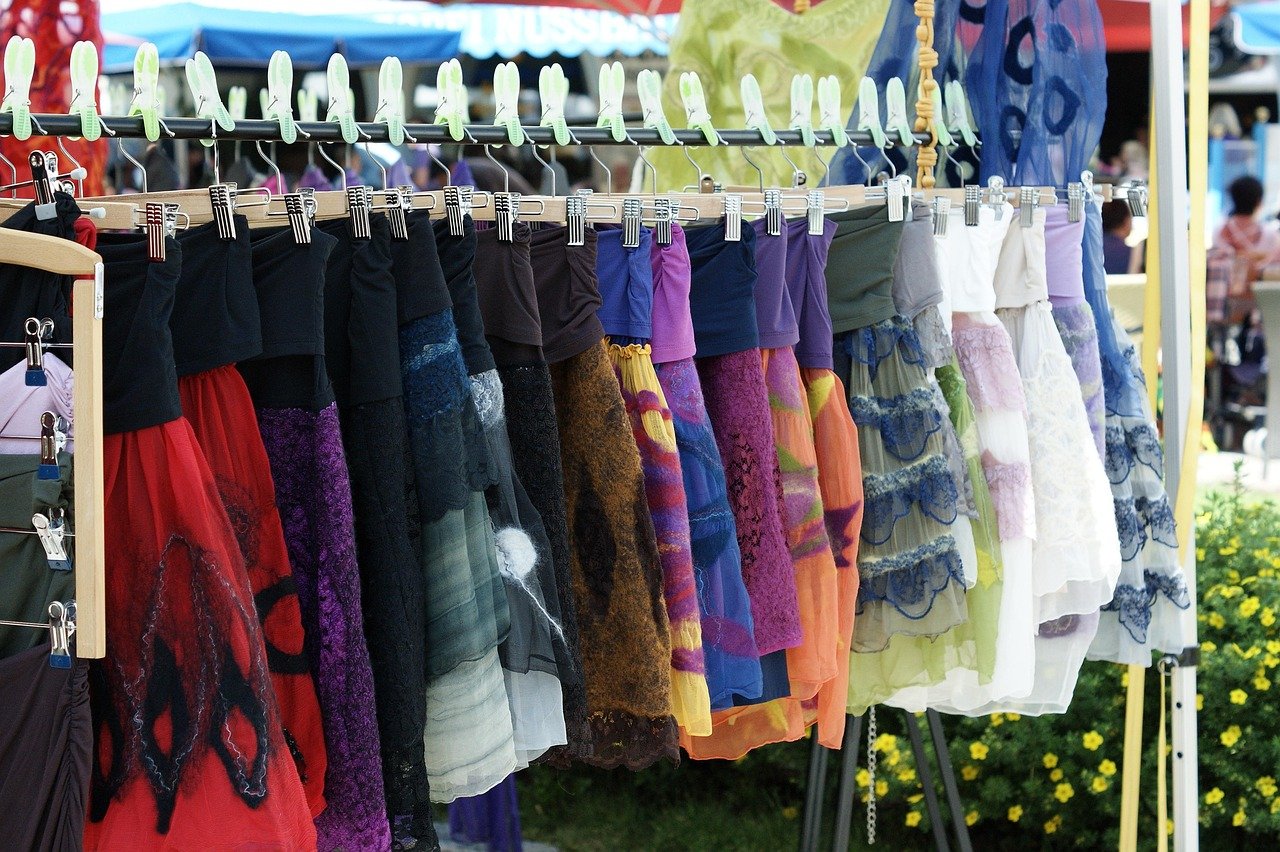
The revival is partly a reaction to fast fashion. When clothes are cheap enough to treat as disposable, nothing in a wardrobe is designed to survive a hand-down. The math stops working: a child’s wardrobe is one of the largest sources of textile waste in a household, and almost none of it is necessary. The pieces do not wear out. They are outgrown long before they fail.
Celebrity culture has amplified the shift. From Kareena Kapoor Khan to Isha Ambani, Janhvi Kapoor and Yami Gautam, public figures have shown that the most memorable fashion moments often come with a story. Actresses have worn their mothers’ sarees for weddings; stars have reworked inherited jewellery for red-carpet appearances. The appeal is easy to understand. A trend can be replicated, but a family heirloom is personal. It carries memories, craftsmanship and a sense of identity that a freshly purchased piece cannot manufacture.
The movement has also gone genderless. Heirloom jewellery passed down through generations keeps legacies alive, and modern menswear is taking the tradition in a new direction, with men wearing inherited brooches, chains and rings that were once coded as womenswear. The old rules about who inherits what are loosening, and the pieces themselves are getting more wear as a result.
What Counts as a Modern Heirloom?
The luxury objects worth investing in are no longer limited to traditional heirlooms. Craftsmanship, individuality and the simple pleasure of ownership can turn even unexpected pieces into lasting collectibles. Curated selections of modern heirlooms have included everything from a heavily embellished watch and a jewelled turban ornament to a bar trunk and a sculptural chair. What elevates them is the story behind each one.
For a wardrobe specifically, the categories that hold up best tend to be:
| Category | Why it lasts | What to check before buying |
|---|---|---|
| Jewellery | Metal and stone do not go out of style; sentiment compounds | Solid construction, secure clasps, hallmarks |
| Outerwear | Worn daily, so cost-per-wear drops fast | Seam quality, lining, fabric weight |
| Occasion wear | Worn rarely, so it stays intact | Embroidery by hand, colourfast dyes |
| Bags and small leather goods | Age well with conditioning | Stitching, hardware, lining |
| Tailoring | Can be altered across body changes | Seam allowance, fabric content |
The thread running through all five is adaptability. A piece that can be resized, restyled or repaired is a piece that can change hands more than once. A dress that only fits one body at one moment in time is a costume, not an heirloom.
The Practical Test: How to Spot a Piece Worth Keeping
Before anything enters the “keep forever” category, run it through a simple set of questions. This is where most people go wrong: they assume sentiment alone qualifies an object, then discover years later that the fabric has disintegrated or the clasp has failed.
- Check the fibre. Natural fibres with tight weaves and good weight survive; loose synthetics and thin blends pill, sag and yellow. Turn the piece inside out and read the label.
- Inspect the construction. Look for even stitching, generous seam allowances, reinforced stress points and linings that are attached, not tacked. These are the details that allow a garment to be altered rather than abandoned.
- Test the colour. Rub a hidden corner with a damp white cloth. If dye transfers easily, the piece will bleed onto everything it is stored with.
- Ask whether it can be repaired. Buttons that can be replaced, hems that can be let down and seams that can be resewn all extend life. Glued construction and sealed hardware usually cannot be fixed.
- Judge the design against time, not the season. A clean silhouette with distinctive detail tends to age better than a piece built entirely around a trend. This is the same logic that separates lasting style from fleeting hype, whether you are curating a wardrobe or learning to choose jewellery that looks expensive and lasts.
A useful practical tip: buy the second-best version of something you love rather than the cheapest version of something you like. The gap in quality is usually visible within two years, which is exactly when the cheap piece starts to look tired and the good one starts to look like it belongs to you.
How to Care for Pieces So They Actually Survive
Heirlooms are made in the wearing and saved in the storing. Most damage happens off the body, not on it.
Store textiles flat or padded, never on wire hangers that distort shoulders. Fold knits rather than hanging them, and interleave acid-free tissue at creases. Keep everything away from direct sunlight, which fades dye faster than wear ever will. Clean before storing, because invisible body oils attract pests and discolor fibres over time.
Jewellery needs its own discipline. Store pieces separately so harder stones do not scratch softer ones, keep silver away from moisture, and have clasps and settings checked periodically. A single loose stone is how an inheritance becomes a repair bill.
For pieces that see regular use, build in a maintenance rhythm: a yearly check on outerwear seams and linings, a seasonal airing for anything stored, and a relationship with a good tailor and a good jeweller before you need one urgently.
Reworking Versus Preserving
Not every heirloom should be kept exactly as it was. Some of the most successful hand-downs involve thoughtful alteration. A long saree becomes a modern drape; an inherited brooch becomes a pendant; a heavy necklace is reset into something wearable weekly rather than once a decade. Repurposing can keep a piece in circulation instead of in a box.
The rule of thumb is reversible change. Alterations that can be undone preserve the option for the next owner to make a different choice. Permanent cuts and irreversible resets trade future flexibility for present wearability, which is sometimes the right call and sometimes a regret. If a piece is the only surviving example of a family garment, err on the side of caution.
The same logic applies to styling. Heirloom pieces work best when they are not treated as museum objects. Pairing a grandmother’s necklace with a plain white shirt, or an inherited coat with contemporary denim, keeps the piece alive. The broader lesson from movements like the acubi fashion look rewriting street style is that context does the heavy lifting: the same object reads completely differently depending on what surrounds it. (Best jewelry fashion choose pieces that last look expensive)
Starting an Heirloom Collection From Nothing
Plenty of families do not have heirlooms to inherit. That is not a dead end. It is a starting line. If nothing has been passed down, the work is to begin the chain deliberately: choose one object per year, document it, and treat it as the first of its line rather than a one-off purchase.
Documentation is the step almost everyone skips. Write down who bought the piece, when, why, and what it was worn for. Keep a photograph of the original owner wearing it. A short note stored with the object transforms it from nice clothing into a record, and records are what make the next generation care. Without provenance, an inherited ring is just a ring; with it, it is a story with a setting.
There is also a practical case for starting small. A single well-made piece acquired each year, cared for properly, builds a collection in a decade without financial strain. That approach also teaches the buyer what they actually wear, the only reliable guide to what they will still want in twenty years.
Conclusion
Heirloom dressing is less about owning expensive things and more about making deliberate ones. The pieces that get passed down share a profile: real materials, sound construction, a design that ignores the season, and a story attached to them. They survive because someone chose them with the future in mind and then did the unglamorous work of storing, cleaning and repairing them.
The shift is available to anyone, whether the starting point is a grandmother’s saree or an empty jewellery box. Buy less. Buy better. Write down the story. And when the moment comes to hand something on, make sure it is still in one piece. For anyone building a wardrobe with longevity in mind, the wider world of fashion coverage offers plenty of context on what lasts and what does not, and there is real value in learning the difference early.
Frequently Asked Questions
What exactly is an heirloom piece in fashion?
An heirloom piece is clothing, jewellery or an accessory made and chosen with the intention of being kept for decades and passed to someone else. It is defined by intention and construction rather than price. Real fabric, quality craftsmanship and timeless design matter more than a designer name or a high receipt.
Does an heirloom have to be expensive?
No. Cost is a poor predictor of longevity. A modestly priced wool coat with good seams can outlast a costly trend piece with glued construction. What matters is whether the material, stitching and design can survive years of wear and alteration.
Can I start an heirloom collection if my family has none?
Yes, and it is increasingly common. Pick one well-made piece a year, keep a written record of when and why you bought it, photograph it being worn, and store it properly. In a decade you will have a documented collection with genuine provenance to hand down.
How should I store inherited clothing and jewellery?
Store textiles flat or padded, away from sunlight, clean and with acid-free tissue at folds. Fold knits instead of hanging them. Keep jewellery pieces separated to prevent scratching, control moisture, and have settings and clasps checked periodically so small faults do not become lost stones.
Should I alter an inherited piece to make it wearable?
It depends on reversibility. Alterations that can be undone, like temporary pinning or a resettable pendant mount, preserve options for the next owner. Permanent cuts on a sole surviving family garment are riskier. When a piece is one of a kind, favour changes you could undo.
How do I know if a new purchase will last long enough to pass on?
Check the fibre content, inspect seam allowances and stress points, test the dye with a damp cloth, and ask whether the piece can be repaired or resized. If the answer to repair is no, it is unlikely to survive a hand-down, however much you like it now.











