

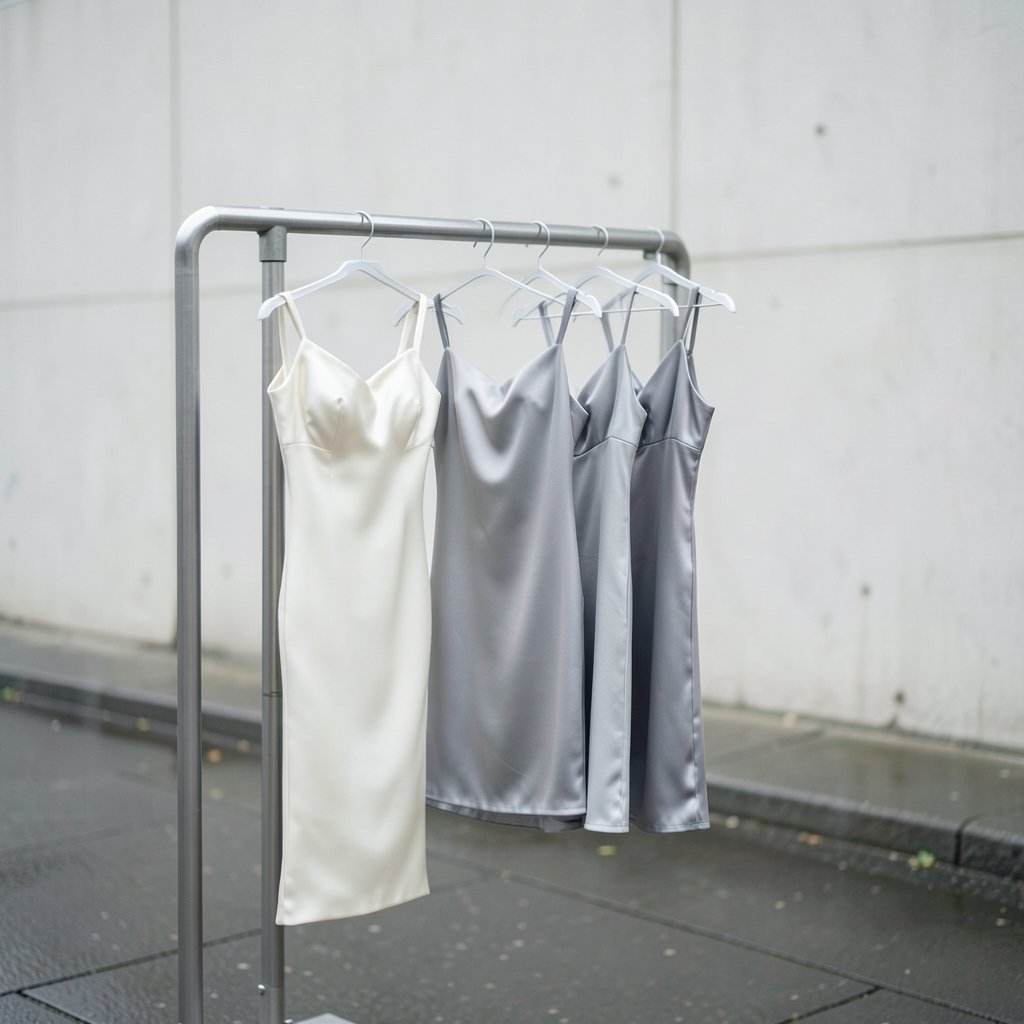
What makes a small Sydney label show up in so many wardrobes and so many social feeds at once? For Babyboo Fashion, the answer sits somewhere between sharp occasion dressing, a relentless drop calendar and a marketing machine built almost entirely on Instagram and TikTok. The brand has become a go-to name for bodycon dresses, two-piece sets and going-out outfits, sold direct to shoppers through its own website rather than through stores.
This guide looks at how the label works, where it sits in the crowded affordable occasion-wear market, what to check before ordering, and how it fits into the wider picture of Italian luxury fashion and high-street trends. It is written for shoppers who want a clear-eyed view rather than hype.
What Is Babyboo Fashion?
Babyboo Fashion is an Australian online women’s fashion retailer. It sells mainly through its own website, backed by heavy social media promotion. Its catalogue leans toward bodycon dresses, matching two-piece sets and occasion wear aimed at nights out, parties and events.
The brand is generally described as being founded in Sydney, Australia, by sisters Aisha and Hadiya. Some outlets have reported the surname “Khan,” but that detail is not confirmed by a primary source, and accounts of the founding year vary between roughly 2015 and 2016. Anyone quoting a precise founding date should treat it as unverified.
What is clearer is the model. Babyboo operates as a direct-to-consumer business. It does not run a chain of physical shops. Instead, it relies on frequent product drops, influencer partnerships and paid social advertising. That combination lets a small team test styles quickly, push what sells and retire what does not.
How the Brand Fits Into Fast Fashion

Babyboo belongs to the fast fashion segment. The term describes a business model built on rapid production of trend-led clothing at low prices, with short design-to-shelf cycles. Encyclopaedia Britannica’s entry on fast fashion describes how this model reshaped the global garment industry from the late twentieth century onward.
In practice, that model shapes what shoppers see:
| Feature | What it means for shoppers |
|---|---|
| Frequent drops | New styles appear often, so sizes and colours sell out fast |
| Trend-led design | Looks follow what is trending on social platforms |
| Online-only retail | No changing rooms, so fit depends on size charts and reviews |
| Influencer marketing | Much of the promotion comes from paid partnerships |
The trade-off is familiar. Prices stay low and styles feel current, but quality and longevity vary, and shoppers have less chance to try before buying. That is not unique to Babyboo. It is the standard bargain of the fast-fashion category, and it is worth understanding before you click checkout.
Who the Brand Competes With
Babyboo’s competitive set is the affordable occasion-wear bracket. That includes names such as Fashion Nova, Oh Polly and White Fox Boutique. All four chase similar customers: young women shopping for event outfits, holiday wardrobes and statement pieces at prices well below designer level.
The differences tend to be in styling and marketing rather than in fundamental structure. Some lean harder into club and party wear, others into softer, more romantic silhouettes. All use social proof, influencer seeding and limited-time messaging to drive urgency.
For shoppers, the practical takeaway is simple: compare across brands before committing. The same dress silhouette often appears in several catalogues at similar prices, and fit, fabric and return terms vary more than the photos suggest. If you follow fashion coverage closely, the 2026 fashion trends female picture is a useful reference point for judging whether a piece will still feel current in six months.
What to Check Before You Order
Ordering occasion wear online without trying it on is the biggest risk. A few habits cut that risk sharply.
- Read the size chart, not the model’s size. Models are often taller and differently proportioned. Measure your own bust, waist and hips and match them to the chart rather than ordering your usual size.
- Check the fabric composition. Stretch level matters enormously in bodycon styles. A high-elastane blend behaves very differently from a stiff woven.
- Look for real customer photos. Reviews with images show how a garment hangs on non-model bodies.
- Confirm the returns window and who pays return postage. This is where budget brands differ most.
- Screenshot the product page. If a description or price changes, you have a record.
A common mistake is ordering two sizes “to be safe” and assuming returns will be free. Many online-only retailers charge for return shipping, and some exclude sale items. Read the policy before you buy, not after.
Another frequent error is trusting the styled photo over the plain one. Styling, lighting and shapewear can change how a dress reads. Where a brand shows the garment on multiple models, that is usually the most honest signal you will get.
Consumer Rights, Returns and Advertising
Australian shoppers have clear protections when buying online. The Australian Consumer Law, contained in the Competition and Consumer Act 2010 and in force since 1 January 2011, sets out consumer guarantees. These guarantees cover goods of acceptable quality, goods fit for purpose and goods matching their description. If a garment arrives faulty or substantially different from what was advertised, the remedy sits with the retailer, not the customer.
Advertising is regulated too. Australian influencer and social media marketing falls under the AANA Code of Ethics, which requires paid partnerships to be clearly disclosed. When you see a creator promoting a brand, the commercial relationship should be obvious rather than buried in hashtags.
Personal data is covered separately. The Privacy Act 1988 and the Australian Privacy Principles govern how Australian customers’ information is collected, stored and used. Shoppers who want to understand those rules can read the Office of the Australian Information Commissioner’s guidance on the Australian Privacy Principles.
One important caveat: fast-fashion e-commerce brands of this type have drawn recurring public criticism over labour practices, environmental impact and sizing or returns. That criticism is broad and category-wide. It should not be reported as a specific finding about Babyboo unless a dated, reputable source makes that claim directly.
Where Babyboo Sits in the Wider Trend Cycle
Occasion wear moves fast, and the brands that win tend to be the ones that read the mood early. The current cycle rewards two things at once: high-impact going-out dressing and a growing appetite for pieces that can be worn more than once.
That tension shows up across the 2026 fashion trends guide, which tracks what is genuinely in, what is fading and what is worth the spend. For a shopper weighing a bodycon dress against a more versatile set, that kind of overview is more useful than a single brand’s lookbook.
It also helps to see how the last decade shaped this market. The 2010s fashion athleisure streetwear Instagram era rewrote the rules: social platforms became the shop window, and a brand’s feed mattered as much as its product. Babyboo is a direct product of that shift.
Fashion illustration offers another angle. Illustrators like Angelica Hicks turn runway moments into witty, pared-back drawings, and that skill for distilling a look is exactly what shoppers need when deciding whether a trend suits them. Similarly, the Barbie world tour book delivers fashion that the film only hinted at, a reminder of how much of fashion lives in styling and storytelling rather than the garment alone.
If you want to follow this world more closely without drowning in newsletters, there are smarter ways to find best fashion substacks without wasting your inbox. And for a forward look at the season ahead, the fashion trends 2026 tag collects the running coverage.
Practical Tips That Actually Work
Some advice sounds good but fails in practice. Here is what tends to hold up.
Buy for one event, not five. Occasion-wear shoppers often over-buy during a sale. A single well-chosen dress you will rewear beats three impulse pieces that hang unworn.
Check the drop calendar. Brands built on frequent drops restock popular styles. If your size is gone, a saved search or wishlist alert often pays off within weeks.
Budget for alterations. Hemming and minor taking-in are cheap and transform fit. A $20 alteration can make a budget dress look considerably more expensive.
Ignore urgency messaging. Countdown timers and “only two left” banners are marketing tools. Step away for an hour. If you still want it, buy it. If not, you saved money.
Wash cold and air dry. Stretch fabrics in bodycon styles degrade quickly in hot washes and tumble dryers. Cold washing and line drying meaningfully extend wear.
Keep a fit diary. Note the size you ordered and how it fit. After two or three orders, you will know your size in that brand’s cut, which removes most of the guesswork.
The Sustainability Question
Fast fashion’s environmental footprint is well documented. Garment production uses large volumes of water and energy, and low prices encourage short wear cycles. The UN Environment Programme has highlighted fashion’s resource intensity and the shift needed toward more sustainable production and consumption.
For shoppers, the honest position is that no single purchase fixes this. What helps is buying less, wearing longer and choosing pieces that work across several outfits. If a brand’s sustainability claims matter to you, look for specifics: named materials, measurable targets and third-party verification. Vague language about “conscious” collections is not evidence.
Conclusion
Babyboo Fashion is a clear example of how a modern clothing label can grow: start online, lean on social media, drop often and price for the occasion-wear market. It sits alongside Fashion Nova, Oh Polly and White Fox Boutique in a crowded, fast-moving bracket, and it succeeds by reading trends quickly and marketing them well.
For shoppers, the brand is worth considering for event dressing, provided you go in with realistic expectations. Check the size chart, read the fabric details, understand the returns policy and know your rights under Australian Consumer Law. Buy for a specific occasion, budget for a small alteration and skip the urgency tactics. Do that, and a budget label can deliver a genuinely good outfit. Skip it, and you end up with another unworn dress in the wardrobe.
Frequently Asked Questions
What is Babyboo Fashion known for?
Babyboo Fashion is known for bodycon dresses, two-piece sets and occasion wear sold online. It is an Australian direct-to-consumer brand that promotes heavily through social media and influencer partnerships rather than physical stores.
Where is Babyboo Fashion based?
It is generally described as founded in Sydney, Australia, by sisters Aisha and Hadiya. The founding year is reported inconsistently across secondary sources, usually somewhere between 2015 and 2016, so treat exact dates with caution.
Does Babyboo Fashion have physical stores?
No. The brand operates as an online-only retailer, selling through its own website. That means no changing rooms, so fit depends on size charts, fabric details and customer reviews with photos.
What are the return rights for Australian shoppers?
The Australian Consumer Law, in force since 1 January 2011, sets consumer guarantees covering acceptable quality, fitness for purpose and matching the description. If an item is faulty or substantially different from what was advertised, the remedy sits with the retailer. Change-of-mind returns depend on the brand’s own policy.
Is Babyboo Fashion fast fashion?
Yes. It fits the fast-fashion model: trend-led designs, frequent drops, low prices and social-media-driven marketing. That model offers current styles at accessible prices but typically shorter garment life and less chance to try before buying.
How do I choose the right size when ordering online?
Measure your bust, waist and hips, then match them to the brand’s size chart rather than ordering your usual size. Check fabric stretch, look for customer photos and keep a note of how each order fits so future purchases are easier.














