

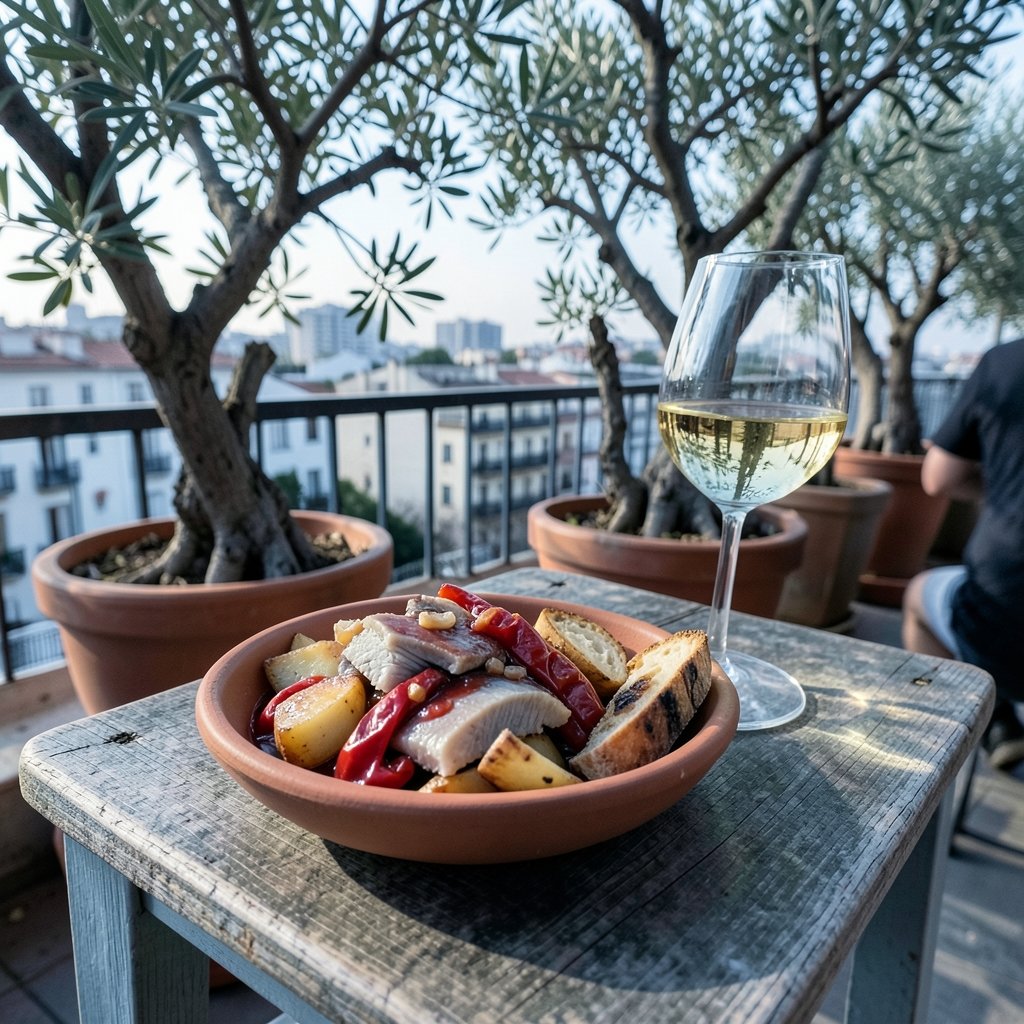
What if the hardest part of eating great bacalao vizcaína isn’t finding a restaurant at all, but knowing which of the dozen results on your phone actually cooks the dish properly? That’s the real puzzle behind the search “best bacalao vizcaína near me.” The query looks simple. The answer isn’t. There is no official ranking of the best version of this Basque salt-cod stew, and anyone who claims otherwise is guessing. What you can do is learn what a good plate looks and tastes like, then use that knowledge to sort the options around you in about ten minutes.
This guide walks through exactly that. It covers what the dish is, how to read a menu, which red flags matter, and how to compare candidates without wasting an evening on a disappointing bowl.
What Bacalao Vizcaína Actually Is
Bacalao a la vizcaína is salt cod simmered in a sauce built from tomatoes, onions, and red peppers, usually dried choricero or ñora peppers, with garlic and sometimes a little bread or flour to give the sauce body. The name points to Biscay, the Basque province also spelled Vizcaya, and in the Basque Country the dish appears as bakailaoa bizkaitarra.
Here’s the wrinkle worth knowing before you judge any restaurant: the sauce is not ancient. Tomatoes and peppers are American crops that only reached Europe after the sixteenth century. So while salt cod has been traded around the Atlantic for centuries, the tomato-and-pepper version people call “vizcaína” today is a later invention. Food historians still argue about the exact timeline, which is a good reason to treat any menu claiming a “500-year-old original recipe” with mild suspicion.
The cod itself is preserved fish. It’s salted and dried, then soaked in water for roughly 24 to 48 hours with several water changes before cooking. That soaking step is where a kitchen either cares or doesn’t. Skip it or rush it, and the fish turns out aggressively salty and tough. Do it properly, and the flesh becomes flaky, silky, and rich enough to carry the sweet-savory sauce.
How it differs from pil-pil and riojana
Ordering confusion is common, so keep these straight:
| Dish | Sauce base | Character |
|---|---|---|
| Bacalao a la vizcaína | Tomato, onion, dried red peppers | Red, sweet-savory, stew-like |
| Bacalao al pil-pil | Olive oil, cod gelatin, garlic | Pale, emulsified, delicate |
| Bacalao a la riojana | Tomato and pepper with chorizo | Heartier, meaty, spicy |
If a restaurant lists “bacalao” with no qualifier, ask which preparation they mean. A kitchen that makes pil-pil well may not make vizcaína well, and vice versa. They demand different skills.
Why “Near Me” Is a Local-Search Problem, Not a Single Answer

Search engines don’t rank restaurants by how good their cod is. They rank by proximity, reviews, hours, and whatever signals the platform favors that week. Two people standing on the same corner can get different top results. That’s not a flaw you can outsmart with a cleverer query. It’s just how local search works.
The practical fix is to stop hunting for a single “best” and start building a shortlist you can evaluate. Three search angles work better than one:
- Search for the dish name plus your neighborhood, not just “Spanish restaurant.”
- Search for Basque restaurants specifically, then check whether the dish appears on their menu.
- Search for Spanish and Portuguese groceries or delis nearby, since many also run small kitchens or know who cooks salt cod well.
That last one is underrated. Staff at a shop that sells salt cod usually know which local kitchens buy it and treat it right. It’s the same logic as asking a fishmonger where to eat fish.
If you’re also sorting out other local searches, the same evaluation habits carry over. The approach in this guide to finding a good Chinese restaurant fast is a useful parallel: shortlist, check specifics, ignore star averages, and trust details over volume.
Reading the Menu Like Someone Who Knows the Dish
Menus leak information. A restaurant that buys pre-soaked cod and pours a jarred pepper sauce will usually reveal itself in the wording. Here’s what to look for.
Strong signals:
- The dish is named specifically, as bacalao a la vizcaína or bakailaoa bizkaitarra, not just “cod stew.”
- The menu mentions the pepper type, such as ñora or choricero.
- It appears on a fixed menu or seasonal menu rather than a laminated tourist card.
- The restaurant serves other salt-cod dishes, like pil-pil or cod croquettes, suggesting they handle the fish regularly.
- Staff can answer basic questions about soaking time or pepper sourcing without disappearing into the kitchen.
Weak signals:
- “Bacalao” listed with no preparation named.
- A photo showing pale orange sauce with no visible pepper texture, which often means a thin tomato base.
- The dish is available year-round at a suspiciously low price in a city with high rents.
- Nobody on the floor can describe the sauce.
None of these is disqualifying on its own. Together, they tell a story.
Ask these three questions before you sit down
- How long do you soak the cod? A confident “about two days, with changes” is a good sign.
- Which peppers go into the sauce? ñora and choricero are the honest answers.
- Is it made to order or reheated? Many good kitchens make it in batches, which is fine, but they should say so plainly.
A kitchen that answers all three without flinching is worth your money.
The Practical Test: What a Good Plate Looks Like
When the bowl arrives, you can judge it in about thirty seconds.
The sauce should be thick enough to coat the back of a spoon, deep red-brown rather than bright orange, and slightly sweet from the peppers with a gentle heat underneath. It should taste of pepper first and tomato second. If tomato dominates, the peppers were skimped. The cod should flake into large, tender pieces, never shred into strings, and it should taste seasoned through rather than salty on the outside and bland inside.
Salt is the biggest tell. Salt cod is high in sodium before soaking, and desalting reduces it but never removes it entirely. If the fish tastes sharp and aggressive, the kitchen rushed the soak. If it tastes flat, they may have overcorrected. Either way, you’ve learned something about the kitchen.
One more thing: the sauce should not be watery at the edges of the bowl. Vizcaína is a stew, not a soup. Pools of liquid around the fish usually mean the sauce wasn’t reduced enough or the cod wasn’t drained properly before it went in.
Comparing Your Shortlist Without Wasting an Evening
Once you have three or four candidates, compare them on the things that actually predict a good meal. Star ratings are noisy. These factors aren’t.
| Factor | What to check | Why it matters |
|---|---|---|
| Menu specificity | Is the dish named in full, with pepper types? | Shows the kitchen takes it seriously |
| Review content | Do reviewers describe the sauce, not just “amazing food”? | Detail in reviews signals detail in cooking |
| Photo evidence | Does the sauce look thick and dark red? | Visuals catch thin, rushed versions |
| Neighborhood context | Are there Spanish or Basque regulars? | Locals order the dishes that get made well |
| Price sanity | Is it priced like a labor-intensive dish? | Two-day soaking costs money |
Timing matters too. Bacalao vizcaína is often better at lunch, when Spanish kitchens traditionally serve their main meal and stews are fresh from the morning’s cooking. An evening portion may be a reheated batch. That’s not automatically bad, since the dish improves overnight, but ask.
If you’re new to a city and building a mental map of where to eat, the same method in this guide on choosing a laser hair removal clinic near you applies almost word for word: verify specifics, ignore marketing language, and let the details decide. The topic is different; the discipline is identical.
Common Mistakes People Make
The most frequent error is searching once and picking the first result with four stars. Local search results shift by the hour and by the block, so a single search tells you very little.
The second mistake is ordering vizcaína at a restaurant that specializes in something else. A tapas bar with fifty items on the menu probably doesn’t make a great slow-cooked cod stew. Depth beats breadth.
The third is judging by appearance alone. Bright red sauce photographs well but often signals food coloring or an overload of tomato paste. Real vizcaína is browner and more muted.
The fourth is skipping the question about preparation. Asking which dish the kitchen is proudest of costs nothing and often redirects you to something better than what you came for.
The fifth, and the one people admit least often, is not going back. When you find a place that soaks its cod properly and uses real ñora peppers, that’s rare. Note it, return, and tell them why. Good kitchens remember.
A Note on Sourcing and Price
Atlantic cod has been through serious management crises, including the northwest Atlantic groundfish collapse in the early 1990s, and stocks remain subject to strict quotas. That history affects what you pay. Salt cod is not a cheap ingredient, and a bowl priced at the same level as a plate of pasta is a warning sign about portion size or quality.
For readers watching sodium, salt cod remains a high-sodium food even after proper desalting. Portion size and frequency matter more than any single meal, but it’s worth knowing before you order a second bowl.
Conclusion
The best bacalao vizcaína near you isn’t a fixed address. It’s whichever kitchen soaks its cod for two days, builds its sauce from real dried peppers, and can tell you about it without hesitation. Search broadly, shortlist three or four candidates, read menus for specifics, and ask the three questions before you commit. Then judge the bowl on sauce color, fish texture, and salt balance. Do that, and you’ll eat better than the people who just tapped the first pin on the map. If you want a broader set of local-search tactics to borrow from, this collection on laser hair removal near me covers the same shortlist-and-verify approach from a different angle.
Frequently Asked Questions
What does bacalao vizcaína taste like?
It’s a deep, sweet-savory stew. The dried red peppers give it a gentle sweetness and mild heat, the tomato adds acidity, and the cod brings a rich, slightly salty depth. The sauce should taste of pepper first, not tomato.
Is bacalao vizcaína the same as bacalao al pil-pil?
No. Pil-pil is cod emulsified in olive oil and its own gelatin, with garlic, producing a pale, delicate sauce. Vizcaína is a red tomato-and-pepper stew. They’re different dishes from the same region and require different skills.
Why is the dish called “vizcaína” if tomatoes are from the Americas?
The name refers to Biscay, the Basque province. The tomato-and-pepper sauce developed after American crops reached Europe in the sixteenth century, so the modern dish is younger than the centuries-old salt-cod trade it’s built on. Historians still debate the details.
How do I know if a restaurant soaked its cod properly?
Taste and texture give it away. Properly soaked cod flakes into tender pieces and tastes seasoned through. Rushed cod tastes sharply salty on the outside and bland inside, and the flesh can be tough or stringy.
Can I make bacalao vizcaína at home?
Yes, but plan ahead. The cod needs 24 to 48 hours of soaking with several water changes before cooking. After that, the sauce comes together in under an hour with onions, garlic, tomatoes, and dried ñora or choricero peppers.
Is bacalao vizcaína high in sodium?
Yes, even after proper desalting. Salt cod retains sodium, and the sauce adds more. It’s fine as an occasional meal, but people watching salt intake should keep portions moderate and balance it with low-sodium sides.














