


What if the hardest part of an Australian beach holiday isn’t getting there, but choosing where to go? The country’s coastline runs for roughly 34,000 kilometres, and every state claims its patch of sand is the finest on earth. That’s a lot of hype to sort through. This guide cuts it down to the beaches that genuinely earn their reputation, explains what each one is actually like on the ground, and flags the practical details that trip up first-time visitors.
Why Australian Beaches Are Different
Australia’s beaches aren’t just scenery. They’re infrastructure. Locals swim before work, surf at lunch, and walk the dog along the sand at dusk. That everyday relationship with the coast shapes how beaches are managed: patrolled zones, surf lifesaving clubs, national park protections, and a public safety culture built around one message, swim between the flags. (Best beaches in barcelona)
The geography helps too. Because much of the population hugs the coast, even a short trip inland usually ends at saltwater. But the range is enormous. You can snorkel a fringing reef in Western Australia in the morning and watch world-class surfers compete in Victoria the same week, and the two experiences feel like different countries.
That variety is exactly why a single “best beach” answer falls apart. The right pick depends on whether you want calm water for kids, reliable swell, empty sand, or a café within walking distance. The beaches below are grouped by what they do best.
The Icons Worth the Hype
Bondi Beach, Sydney
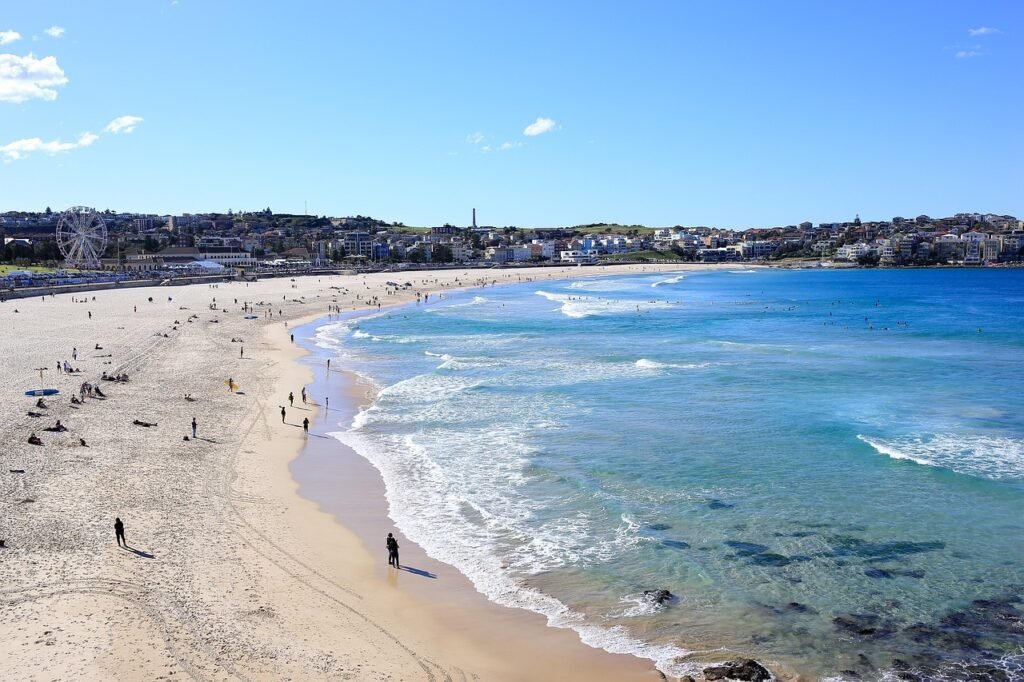
Bondi is about one kilometre of sand roughly seven kilometres east of Sydney’s central business district, and it’s among the most visited beaches in the country. It earns its fame honestly: a wide crescent, consistent surf, and a promenade culture that’s as much about watching as swimming.
The practical reality is crowds. Bondi on a summer weekend is a contact sport, and parking is close to impossible. The fix is early morning, before eight, when the beach belongs to swimmers, runners, and the surf club. The coastal walk from Bondi to Coogee is the other reason to come, and it’s free.
Whitehaven Beach, Whitsunday Island, Queensland
Whitehaven is the postcard image most people carry of Australia before they arrive: swirling white silica sand and water in shades of turquoise that look edited. The swirls come from tidal movement at Hill Inlet, and the beach sits inside Whitsunday Islands National Park.
Two honest caveats. First, you can’t just drive there. Access is by boat, seaplane, or helicopter from the Whitsundays region, which means booking ahead and paying accordingly. Second, day-tripper numbers are high in peak season. Visitors who stay overnight in the region, rather than rushing in from a distant base, consistently report a calmer experience. Also check current national park rules on camping and access before booking anything.
Turquoise Bay, Cape Range National Park, Western Australia
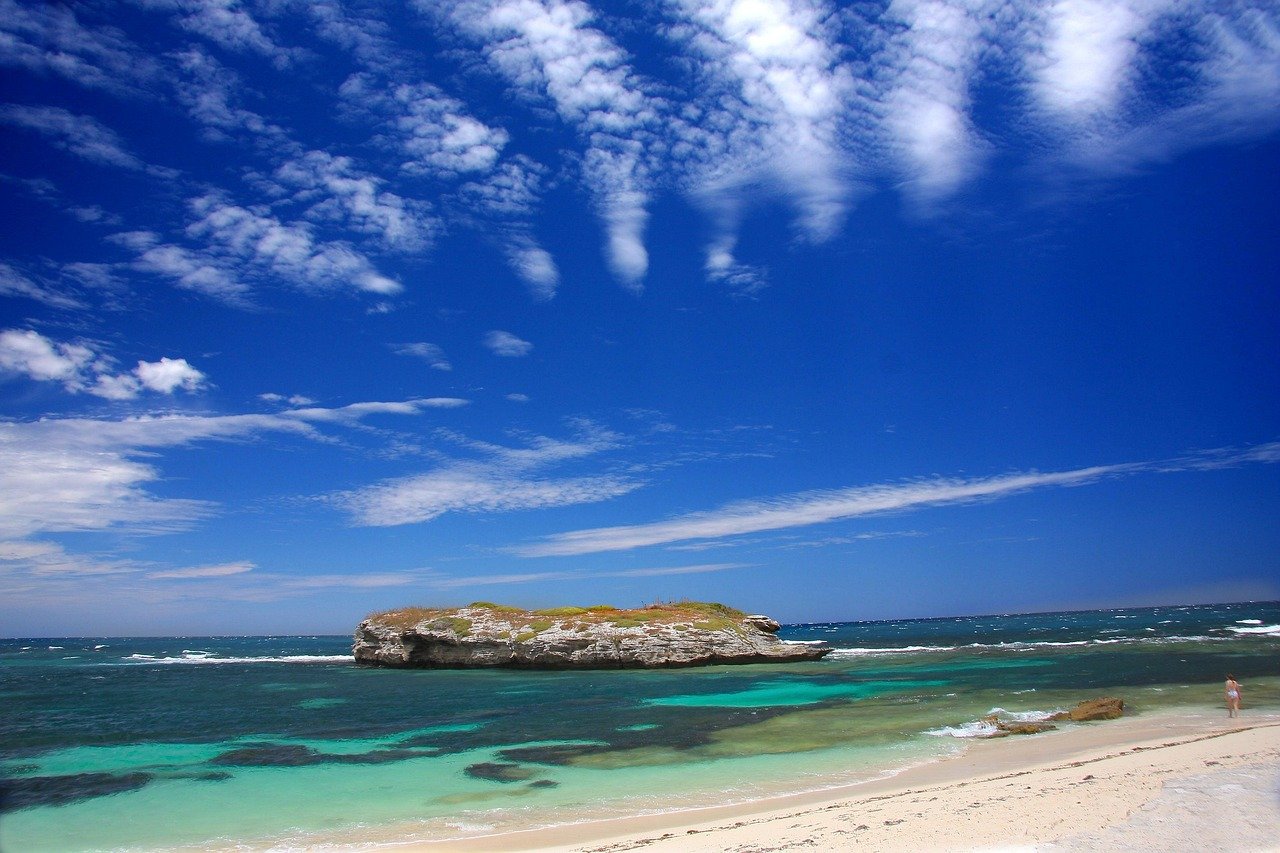
This is the snorkelling beach that converts people into snorkellers. Turquoise Bay sits on the Ningaloo Coast, a UNESCO World Heritage Area inscribed in 2011, and the reef here is a fringing reef roughly 260 kilometres long that lies unusually close to shore. That closeness is the whole point: you can walk off the sand and be over coral within a minute.
The catch is current. There’s a well-known drift snorkel here, and it works only if you understand which way the water moves. Ask at the park entrance, watch where others enter and exit, and don’t assume calm-looking water is still. If reef snorkelling is the goal of your trip, this beach and the wider Ningaloo stretch should be near the top of the list.
Surf Beaches That Earn Their Reputation
Bells Beach, Victoria
Bells is the spiritual home of Australian surfing. It has hosted the Rip Curl Pro, one of the longest-running events on the world surfing circuit, held since 1961. The wave is a strong right-hand break over cold water, and the clifftop amphitheatre makes it one of the best spectator venues in sport.
Go for the atmosphere, not a swim. Water temperatures here are bracing even in summer, and the break is for experienced surfers. Check the current event calendar before planning a visit around competition dates.
Byron Bay and Cape Byron, New South Wales
Cape Byron is mainland Australia’s easternmost point, which means the lighthouse there catches the first light of the day on the mainland. The town below has surf beaches, a lively food scene, and a lot of company in summer.
The local pattern that works: surf or swim early, walk the Cape Byron track mid-morning, and leave the main street for the afternoon crowds. The region rewards people who treat Byron as a base for the surrounding hinterland rather than a single destination.
Family-Friendly and Calm-Water Picks
Families should prioritise patrolled beaches with gentle gradients, and there’s a simple tool for that. Beachsafe, run by Surf Life Saving Australia, lists patrol status, hazard ratings, and facilities for beaches across the country. It’s worth checking before you commit to a spot, especially outside peak season when patrols are reduced. (Sitges beaches)
Jervis Bay in New South Wales is a strong family choice. Hyams Beach is often described as having extraordinarily white sand, although “whitest in the world” claims rest on contested measurements, so treat the superlative as marketing and the calm water as the real draw. Cable Beach in Broome offers something different again: about 22 kilometres of sand, famous sunset camel rides, and water warm enough to linger in. Just verify current length figures and tide times locally, because the tidal range in Broome is dramatic and the beach changes shape with it.
If you’re comparing international beach destinations to see how Australia stacks up, it helps to look at how other coastlines handle access and crowd management. Guides to the best beaches in Barcelona and the wider Costa Brava beaches show Mediterranean beaches balancing city access with conservation, while the best beaches in Greece reward travellers who choose the right island for their trip style. Closer to home, a practical guide to Miramar Beach in Florida offers a useful comparison for anyone planning a relaxed, family-first beach holiday. (Sullivans island sc locals guide beaches forts food)
How to Choose: A Comparison Table
| Beach | Best for | Water conditions | Access | Watch out for |
|---|---|---|---|---|
| Bondi, NSW | City beach culture, surf watching | Surf, patrolled | Very easy, public transport | Crowds, parking |
| Whitehaven, QLD | Once-in-a-lifetime scenery | Calm, tidal | Boat or aircraft only | Cost, day-tripper volume |
| Turquoise Bay, WA | Snorkelling | Drift currents | Drive into national park | Currents, park entry fees |
| Bells, VIC | Surf history, spectating | Cold, strong | Easy drive from Torquay | Not a swimming beach |
| Jervis Bay, NSW | Families, calm water | Sheltered | Drive | Holiday-season crowds |
| Cable Beach, WA | Sunsets, space | Warm, tidal | Easy drive | Huge tidal shifts |
Practical Tips That Actually Make a Difference
Swim between the flags. This is the single most important habit on any Australian beach. Flags mark the patrolled zone where lifesavers are watching. Rip currents are a leading cause of coastal drownings, and they don’t look dangerous. If you’re caught in one, stay calm, float, and swim parallel to the shore rather than fighting straight back in.
Respect the sun. Australian UV levels are extreme by international standards, and sunburn happens fast, even on cloudy days. Reapply sunscreen through the day, and plan beach time around morning and late afternoon in summer.
Read the tide chart. Tidal range varies enormously around the coast. A beach that’s wide at low tide can be a narrow strip six hours later, and rock pools that were accessible on the way out may be cut off on the way back.
Check patrol seasons. Many beaches are only patrolled during school holidays and peak summer. Outside those windows, you’re on your own, and that changes the risk calculation entirely.
Book national park access in advance. Popular parks, including Cape Range, use entry systems and limited camping. Turning up without a plan in peak season is the most common mistake visitors make.
Don’t underestimate distances. Australia is vast. A beach that looks close on a map may be a full day’s drive. Build itineraries around regions, not individual beaches.
Beyond the Famous Names
The best beach in Australia for many travellers won’t be on any top-ten list. It’ll be a patrolled beach in a small town with a surf club, a fish-and-chip shop, and parking that doesn’t require luck. The country has thousands of those.
If you want a model for how locals actually use their coastline, look at how smaller communities organise beach life. A local’s guide to Sullivan’s Island in South Carolina captures the same rhythm, where beaches, forts, and food sit within walking distance and the appeal is routine rather than spectacle. Australia’s coastal towns work the same way.
The other underrated approach is seasonal. Visiting the southern surf beaches in autumn, or the tropical north in the dry season, changes the experience completely. A beach that’s unbearable in January can be perfect in May.
Conclusion
Choosing among Australia’s best beaches comes down to matching the beach to the day you want. Bondi delivers energy and convenience. Whitehaven delivers scenery that justifies the effort and expense. Turquoise Bay delivers the rare pleasure of walking off the sand into a living reef. Bells delivers surfing history, Jervis Bay delivers calm water for families, and Cable Beach delivers space and sunsets.
What ties them together is a shared set of habits: swim between the flags, respect the currents and the tides, plan around patrol seasons, and book national park access before you go. Get those right, and almost any Australian beach will reward you. Get them wrong, and even the most beautiful stretch of sand can turn into a bad day.
Frequently Asked Questions
What is the single best beach in Australia?
There’s no universal answer, because the best beach depends on what you want. Bondi is the most famous and easiest to reach. Whitehaven is the most spectacular. Turquoise Bay is the best for snorkelling. For families, sheltered spots like Jervis Bay usually win. Match the beach to your priorities rather than chasing a ranking.
When is the best time to visit Australian beaches?
It depends on the region. Southern beaches, including Sydney and Victoria, are best from December to February, though that’s also peak crowd season. The tropical north, including the Whitsundays and Broome, is best in the dry season from roughly May to October. Visiting outside peak windows often means fewer people but also reduced lifeguard patrols.
Are Australian beaches safe for swimming?
They can be, if you follow the rules. Always swim between the red and yellow flags at a patrolled beach, and check patrol times before you go. Rip currents are the main hazard and are responsible for many coastal drownings, so learn to spot one and know how to escape it by floating and swimming parallel to shore.
Do I need to book ahead for Whitehaven Beach?
Yes, in practice. Whitehaven is only reachable by boat or aircraft, so you’ll need a tour or charter booked in advance, particularly in peak season. Overnight stays in the Whitsundays region give a calmer experience than rushed day trips from distant bases. Check current national park access rules before finalising plans.
Can you snorkel straight off the beach in Australia?
Yes, in a few special places. Turquoise Bay on the Ningaloo Coast is the standout, because the reef sits unusually close to shore. The water is shallow and clear, but currents can be strong, so check conditions locally, watch where others enter and exit, and never snorkel alone in unfamiliar water.
What should I pack for an Australian beach day?
High-SPF sunscreen, a hat, a rash vest, plenty of water, and shade if you have it. Australian UV levels are extreme, and sunburn happens quickly. Add reef-safe sunscreen if you’re snorkelling, and check tide times before you leave so you’re not caught out by a fast-moving shoreline.














