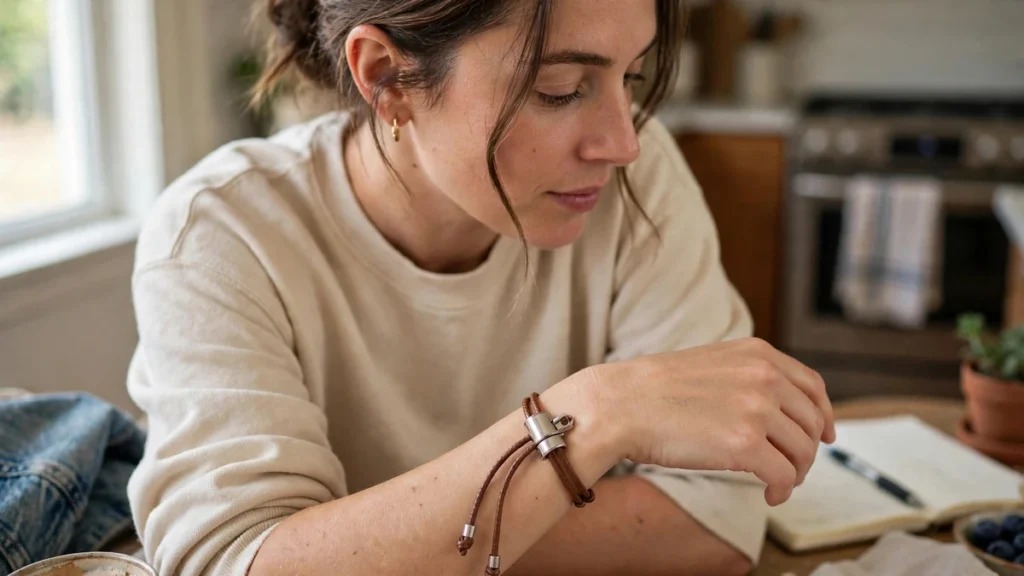
A bolo bracelet is the adjustable answer to the oldest bracelet problem: the fit. Instead of a fixed circle that is either too tight or slides off, a bolo bracelet uses a sliding bead or clasp on a cord or chain, so you pull it to the size you want and it stays there. It is a small mechanism, but it changes how the bracelet wears, because a bracelet that fits properly looks better, feels better, and is far less likely to be lost.
The style has moved well beyond its Western, turquoise-and-leather roots. In 2027, bolo bracelets come in fine gold, silver, gold vermeil, beads, pearls and mixed metals, and they suit wrists that never fitted a standard bangle. They are also one of the easiest bracelets to give as a gift, because the adjustable fit removes the guesswork about size. That is a practical advantage no fixed bracelet can match.
Below are nine bolo bracelets worth considering in 2027, from a classic gold design to leather, beaded and pearl options. Each one is described by what it is good at, what to watch for, and who it suits best, so you can choose with your wrist and your wardrobe in mind, not just a bestseller list.
Key takeaways
- A bolo bracelet adjusts with a sliding bead or clasp, so one size fits most wrists and the fit can be fine-tuned through the day.
- Gold, silver and gold vermeil bolos suit everyday and evening wear, while leather and beaded bolos suit casual and layered looks.
- Check the sliding mechanism before you buy: it should move smoothly and hold its position without slipping.
- Keep bolo bracelets away from water, perfume and harsh cleaners, and wipe the cord or chain after wearing.
- No adjustable bracelet fits every wrist perfectly, and a bolo with a weak slider or a fraying cord should be repaired or replaced rather than worn loose.
What a bolo bracelet actually is
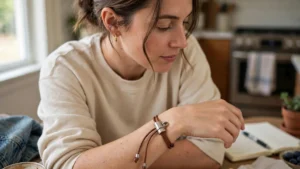
A bolo bracelet is a bracelet with a sliding closure. A cord, chain or beaded strand passes through a decorative bead, a small tube, or a sliding knot, and pulling the ends tightens the bracelet while pulling the slider loosens it. The name comes from the bolo tie, the Western neckwear that uses the same sliding principle, but the bracelet version has become a jewellery staple in its own right.
The mechanism is what makes it different from a bangle or a cuff. A bangle is a rigid circle that must pass over your hand, which means it has to be large enough for your knuckles and can then feel loose on the wrist. A cuff is open and can be squeezed, but it can also be pulled off. A bolo bracelet closes around the wrist itself, so it can be worn snug without being tight, and it can be loosened in seconds if your wrist swells in heat or after exercise.
Most bolo bracelets use one of three closures. A metal slider bead, often a small ball or cylinder, grips the cord by friction. A sliding knot, common on leather and cord bolos, tightens when pulled and holds through friction. A chain bolo uses a small ring or bead that slides along a fine chain. Each works well when it is well made, and each fails in the same way when it is not: the slider loosens, the bracelet slides down the wrist, and eventually it slips off. That is why the mechanism matters more than the decoration. A bangle bracelet suits a wrist that likes a fixed, structured shape, while a bolo suits a wrist that wants a fit that can change.
How we chose these bolo bracelets and what to look for
Look first at the slider. It should move when you pull it with intent, and it should not move on its own. Test it by sliding it to a comfortable size, then shaking your wrist gently. If the bracelet loosens, the slider is too weak for the cord, and it will only get worse as the cord wears. A good slider feels firm but not stiff, and it sits neatly against the wrist rather than dangling.
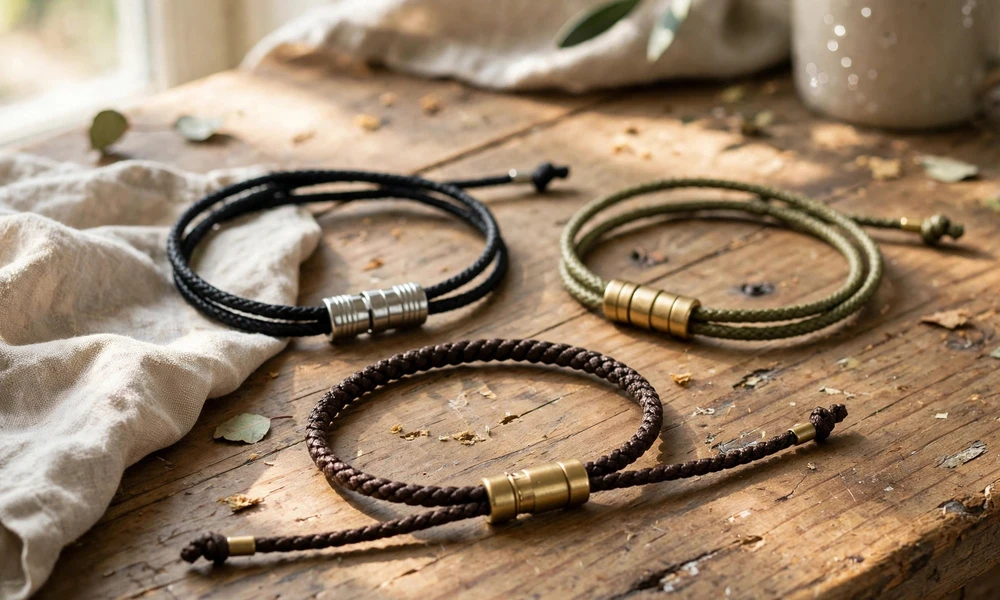
Look next at the cord or chain. A bolo bracelet is only as durable as the strand that carries it. Leather should feel supple, not dry or cracked. A metal chain should be fine but not flimsy, with links that close cleanly. A beaded strand should be strung on a strong cord with knots between beads, so one break does not scatter the whole bracelet. If the cord looks thin for the weight of the beads or charms, it will wear through sooner than you expect.
Finally, look at the finish and the proportions. A bolo bracelet should look intentional, not like a loose cord with a bead on it. The slider should match the metal of the rest of the piece, the ends should be finished neatly, and the bracelet should sit flat against the wrist when tightened. Our guide to measuring your bracelet size is still useful here, because knowing your wrist measurement helps you judge whether a bolo will sit where you want it, even with an adjustable fit.
The 9 best bolo bracelets of 2027
The Classic Gold Bolo Bracelet
What we like: A fine gold chain with a small sliding bead, clean and understated, that works with almost everything and never looks out of place. What to consider: Fine chains can tangle in a jewellery box, and the slider needs a firm pull to stay put. Best for: Everyday wear and evening looks. Material: Gold, 14k. Price range: $250–$600. Standout feature: A smooth sliding bead that holds its position all day.
This is the bolo bracelet to buy first if you want one that does everything. It is light enough to forget, polished enough for evening, and simple enough to layer with a watch or a bangle without clashing.
The Slim Silver Bolo Bracelet
What we like: A slim sterling silver chain with a polished slider, cool-toned and neat, that suits smaller wrists and minimal outfits. What to consider: Silver tarnishes if it is left unworn in damp air, so it needs an occasional polish. Best for: Minimal and cool-toned wardrobes. Material: Sterling silver. Price range: $80–$200. Standout feature: A slim profile that layers well with other silver pieces.
The Gold Vermeil Bolo Bracelet
What we like: A gold vermeil chain over sterling silver, giving the look of solid gold at a fraction of the price, with a well-made slider. What to consider: Vermeil wears over time, especially where the slider rubs, so it needs gentle care and should be kept dry. Best for: Gold lovers on a moderate budget. Material: Gold vermeil over sterling silver. Price range: $90–$220. Standout feature: A thick gold layer that keeps its colour longer than thin plating.
Vermeil is the sensible middle ground between plated and solid gold. It looks the part, it feels substantial, and if you keep it away from water and perfume, it holds its colour well for years of regular wear.
The Beaded Gemstone Bolo Bracelet
What we like: Small polished gemstone beads on a strong cord with a sliding knot, adding colour and texture without bulk. What to consider: The cord will wear over time and may need restringing, and the beads can chip if knocked against hard surfaces. Best for: Casual wear and colour. Material: Gemstone beads on cord. Price range: $40–$150. Standout feature: Hand-knotted beads that sit evenly around the wrist.
The Leather and Metal Bolo Bracelet
What we like: A leather cord with a metal slider and a small charm, combining the warmth of leather with the polish of metal. What to consider: Leather darkens and softens with wear, and it should not be soaked in water. Best for: Casual and bohemian looks. Material: Leather cord, metal slider. Price range: $50–$140. Standout feature: A sliding knot that adjusts smoothly and stays put.
Leather bolos suit people who find metal bracelets too cold or too formal. The leather softens with wear and takes on a patina that makes the bracelet feel personal rather than mass-produced.
The Pearl-Detail Bolo Bracelet
What we like: A fine chain with a single freshwater pearl and a sliding bead, delicate and quietly elegant. What to consider: Pearls are soft and can be scratched, so this bracelet should be put on last and taken off first. Best for: Weddings, occasions and soft, feminine looks. Material: Freshwater pearl, gold or silver chain. Price range: $120–$300. Standout feature: A single pearl that catches the light without dominating the wrist.
The Hammered Brass Bolo Bracelet
What we like: A hammered brass chain with a matching slider, warm-toned and textured, with a handmade feel at an accessible price. What to consider: Brass tarnishes and needs an occasional polish, and it can mark skin if worn in humidity. Best for: Warm, textured and artisan looks. Material: Hammered brass. Price range: $35–$90. Standout feature: A hammered finish that catches light from every angle.
Brass is an underrated metal for bracelets. It has the warmth of gold without the price, and the hammered texture gives it a crafted look that plain polished metal cannot match.
The Two-Tone Bolo Bracelet
What we like: A chain that mixes gold and silver, with a two-tone slider, so it works with both gold and silver jewellery. What to consider: Two-tone pieces can look busy if they are layered with too many other metals. Best for: People who wear mixed metals. Material: Gold and silver tones. Price range: $100–$280. Standout feature: A mixed-metal slider that ties the two tones together.
The Minimal Polished Bolo Bracelet
What we like: A single polished strand with a tiny slider and no decoration at all, the quietest bracelet in this list. What to consider: Its simplicity means any flaw in the finish is visible, so buy from a maker with good polishing. Best for: Minimal wardrobes and stacking. Material: Polished gold or silver. Price range: $70–$180. Standout feature: A barely-there profile that disappears under a sleeve.
Minimal bolos are for people who want a bracelet they can wear every day without thinking about it. It adds a thin line of metal to the wrist, nothing more, and that is exactly the point.
Which bolo bracelet is right for you
Start with how you will wear it. If you want one bracelet for everything, a gold or gold vermeil bolo is the safest choice, because it works with both casual and formal outfits and with most other jewellery. If you wear mostly silver, choose silver or a two-tone piece rather than forcing gold into a cool-toned wardrobe. If you want a bracelet for holidays and weekends, leather or beaded bolos are more relaxed and more forgiving.
Think about your wrist, too. A bolo bracelet suits small wrists well, because the adjustable fit means it can be tightened to sit properly rather than sliding down to the hand. It also suits wrists that change size through the day, which is common in warm weather. If your wrist is large, check the maximum length before buying, because some bolos are made short and will not open wide enough to pass over the hand comfortably. Our guide to leather bracelets covers the same fit question for a related style, and the same rule applies here: measure first, buy second.
Finally, think about maintenance. A solid gold or silver bolo needs little more than an occasional clean. Vermeil, brass and leather need more care, and beaded bolos may need restringing after a year or two of regular wear. None of that is a reason to avoid them, but it is worth knowing before you buy, so the bracelet you choose matches the care you are willing to give it.
The caveats that matter
Bolo bracelets are practical, but they are not indestructible. The slider is a moving part, and moving parts wear. A cord can fray, a chain can kink, and a slider can lose its grip. These are small problems when they are caught early, and lost bracelets when they are not. Check the slider and the cord every few weeks, and have the bracelet repaired at the first sign of wear rather than waiting for it to fail.
| Detail | What is known |
|---|---|
| How the fit works | A sliding bead, knot or ring tightens or loosens the bracelet around the wrist |
| Best first choice | A gold or gold vermeil bolo, which suits most outfits and skin tones |
| What to check first | The slider should move firmly and hold its position without slipping |
| Who should be careful | People with metal sensitivities should check the slider and chain composition |
| Water and perfume | Keep leather, vermeil and beaded bolos dry; wipe after wearing |
| When to repair | At the first sign of a fraying cord, a loose slider, or a kinked chain |
| What to avoid | Sleeping or exercising in a bolo bracelet, which strains the cord and slider |
| What it does not do | It does not fit every wrist perfectly, and it is not a substitute for a properly sized bangle |
If you have a metal allergy, check what the slider and chain are made from before buying, because the slider sits against the skin all day. Nickel is a common irritant, and some plated sliders contain it. Solid gold, sterling silver and titanium are safer choices for sensitive skin, and a reputable seller will list the materials plainly.
Checklist: buying a bolo bracelet honestly
Use these checks before you buy, and again after a week of wear.
- Check the slider: it should move firmly when pulled and hold its position when you shake your wrist.
- Check the cord or chain: it should feel strong for the weight of the beads or charms it carries.
- Check the finish: the slider should match the rest of the piece, and the ends should be neatly finished.
- Check the length: make sure the bracelet opens wide enough to pass over your hand comfortably.
- Check the materials: confirm the metal composition, especially if you have sensitive skin.
- Check the care: know whether it can get wet, and how often it will need cleaning or restringing.
Frequently asked questions
Do bolo bracelets stay put, or do they slip?
A well-made bolo bracelet stays put. The slider should grip the cord or chain firmly enough that normal movement does not loosen it. If it slips, the slider is worn or poorly matched to the cord, and the bracelet should be repaired or replaced.
Can I wear a bolo bracelet every day?
Yes, if it is made from a durable material. Solid gold, silver and leather bolos are good daily choices. Vermeil and beaded bolos are better worn most days rather than every day, with a rest day to let them dry out and recover.
How do I clean a bolo bracelet?
Wipe the chain or cord with a soft, dry cloth after wearing, and clean metal parts with a gentle jewellery cloth. Do not soak leather or beaded bolos, and keep vermeil away from harsh cleaners and ultrasonic machines.
Are bolo bracelets suitable as a gift?
They are one of the best bracelet gifts, because the adjustable fit removes the need to know the recipient’s exact wrist size. Choose a neutral metal or a simple design if you are unsure of their taste.
Can men wear bolo bracelets?
Yes. Leather and metal bolo bracelets are widely worn by men, and the adjustable fit suits larger wrists well. Choose a thicker cord or chain and a simple slider for a more masculine look.
What is the difference between a bolo bracelet and a bangle?
A bangle is a rigid, fixed circle that must pass over the hand. A bolo bracelet is adjustable, closing around the wrist with a sliding bead or knot, so it can be worn snug without being tight and loosened in seconds.
The bottom line
The best bolo bracelet in 2027 is the one that fits your wrist, suits your wardrobe, and has a slider you can trust. For most people, that is a gold or gold vermeil bolo: simple, durable, and easy to wear every day. For casual and layered looks, leather and beaded bolos are better choices, and for occasions, a pearl-detail bolo adds elegance without effort.
Buy for the mechanism first and the decoration second. A beautiful bracelet with a weak slider will be lost, while a simple bracelet with a firm slider will be worn for years. Check the fit, check the materials, and choose the one you will actually reach for every morning.