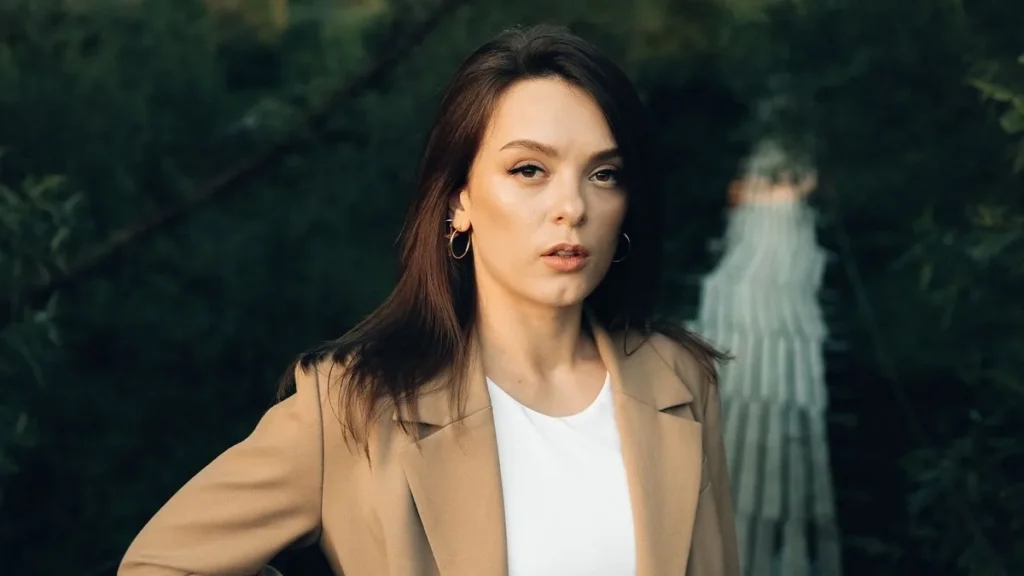
A blazer is the one jacket that can walk into almost any room and belong there. It can sharpen jeans, rescue a bare dress, and turn a plain top and trousers into an outfit that looks planned. Yet most blazers spend far more time hanging in the wardrobe than they do being worn, and the reason is rarely the jacket itself. It is the uncertainty about how to actually wear it: buttoned or open, over what, with which shoes, and for which occasion.
Wearing a blazer well is less about owning the perfect one and more about knowing a few reliable moves. The button you fasten, the layer underneath, the length of the jacket against your bottoms, and the shoes you choose all change what the same blazer says. Once those moves become habit, one good blazer can carry you through an interview, a lunch and a dinner in the same day.
This guide is about the wearing, not the shopping. It covers when to button and when to leave a blazer open, what to layer under and over it, how to wear it for every occasion from a wedding to a long-haul flight, and the small mistakes that quietly undo an otherwise good outfit.
Key takeaways
- Button only the top button on a two-button blazer, and never button the bottom button; undo it when you sit down.
- One blazer can serve an interview, a wedding, a date night and a flight — change the layer, the bottoms and the shoes.
- Layer thin under a blazer and thick over it: fine knits, shirts and camisoles underneath, coats on top.
- Match the blazer length to your bottoms — cropped with high waists, hip-length with jeans, longline with slim trousers.
- Check the fit in motion: sit, reach and walk before deciding an outfit works.
The Button Rules: When to Fasten, When to Leave It Open
On a two-button blazer, fasten only the top button. On a three-button blazer, fasten only the middle one. The bottom button stays undone — the jacket is cut to flare below the fastened button, and closing the bottom one pulls the fabric tight and breaks the line of the lapel. Double-breasted blazers are the exception: they are made to be worn buttoned.
Standing up, a buttoned blazer looks sharper and more formal: it defines the waist, keeps the lapels in place, and signals that the outfit is deliberate, which is why it suits interviews, presentations and weddings. Sitting down, undo the button — a buttoned blazer bunches at the stomach and creases the front within minutes. Left open, a blazer becomes a relaxed layer: it frames the top underneath, lengthens the torso, and forgives a top that is slightly too long.
What to Wear Under a Blazer
What goes under a blazer decides the occasion more than the blazer itself does. A crisp white shirt says work. A plain white T-shirt says weekend. A silk camisole says evening. A fine-knit turtleneck says cold weather and quiet polish. Keep the layer underneath thinner than the blazer: bulky knits bunch at the shoulders, push the lapels out, and make the jacket strain at the button.

Tuck the layer in, or half-tuck it, whenever the blazer is open. A full tuck suits tailored trousers; a half-tuck suits jeans. Crewneck sweaters are one of the easiest cold-weather layers under a blazer, because a fine crewneck fills the neckline neatly and adds warmth without bulk. Our guide on how to style a crewneck shows which weights and colours sit best under tailored jackets.
How to Wear a Blazer for Every Occasion
The occasion decides the blazer, the layer, the bottoms and the shoes — but rarely all four at once. Changing two of those is usually enough to move an outfit from one setting to another. A black blazer with a white shirt and tailored trousers is an interview outfit; the same blazer with a camisole and wide-leg trousers is a dinner outfit; with a T-shirt and jeans, it is a weekend outfit.
For a job interview, wear a tailored blazer in black, navy or charcoal, buttoned, over a plain shirt or blouse, with tailored trousers or a knee-length skirt and closed-toe shoes. A matching suit is the safest choice of all, and our round-up of the best power suits for women in 2027 shows which sets are worth the investment. As a wedding guest, wear a blazer in a softer colour — dusty pink, sage, cream or pale blue — over a midi dress or a jumpsuit, and leave it open so the dress shows. Avoid black, which can read funereal, and avoid white or ivory, which belongs to the bride. For a date night, wear a fitted or cropped blazer over a camisole or a slim dress, with heeled boots or pointed heels. For travel, wear an oversized blazer open over a T-shirt and leggings, with trainers.
| Occasion | Blazer | Underneath | Bottoms | Shoes |
|---|---|---|---|---|
| Job interview | Tailored, black or navy, buttoned | White shirt or plain blouse | Tailored trousers or knee-length skirt | Closed-toe heels or smart flats |
| Office day | Tailored or double-breasted, neutral | Shirt, blouse or fine knit | Straight trousers or pencil skirt | Loafers or low heels |
| Wedding guest | Soft colour, linen or crepe, open | Camisole or the dress itself | Midi dress or wide-leg jumpsuit | Block heels or elegant sandals |
| Date night | Fitted, cropped or velvet | Silk camisole or slim top | Slim trousers, mini skirt or blazer dress | Heeled boots or pointed heels |
| Weekend errands | Oversized or relaxed, open | Plain T-shirt or striped top | Straight jeans or leggings | White trainers or loafers |
| Long-haul travel | Oversized, soft fabric, open | T-shirt or fine knit | Leggings or soft wide-leg trousers | Trainers or slip-on flats |
| Evening party | Leather, velvet or bold colour | Camisole or sequin top | Black trousers or satin midi skirt | Heeled sandals or statement heels |
| School run or lunch | Relaxed, neutral, open | T-shirt or light knit | Jeans or tailored shorts | Loafers, trainers or ankle boots |
How to Wear a Blazer in Each Season
In spring, wear a blazer as your main outer layer. A cotton or linen-blend blazer in a pale neutral over a T-shirt and jeans is enough on a mild day. In summer, choose unlined linen, cotton or lightweight crepe blazers in pale colours, and wear them open over a vest top, a sundress or shorts. Avoid heavy wool entirely, and avoid black in direct sun.
In autumn and winter, a blazer becomes a layer under a coat rather than the outer layer itself. Wear a fine turtleneck or a shirt under the blazer, then a wool coat over the top. Wool, tweed and bouclé are the right fabrics now, and darker colours — chocolate, burgundy, forest green and charcoal — suit the season.
Wearing a Blazer for Your Height and Shape
Petite frames suit hip-length or cropped blazers with a single button and a narrower lapel, because a long, oversized blazer can swallow a shorter figure. A cropped blazer with high-waisted trousers lengthens the legs. Petite sizing shortens the sleeves and the body together, which matters, because a blazer that is too long in the sleeve reads instantly as borrowed.
Tall frames can wear the longline blazers that overwhelm shorter figures, and they suit double-breasted styles and bold patterns. Check sleeve length with your arms out in front of you, not just at your sides. For a fuller bust, size the blazer to fit the bust and have the waist taken in, rather than buying one that fits the waist and gapes at the button.
Shoes That Change the Whole Outfit
Shoes change a blazer outfit more than any other single choice. Heels make the same blazer and jeans look smart enough for dinner; white trainers make it look ready for a weekend; loafers keep it classic and office-appropriate. When you are unsure, match the shoes to the occasion first and to the blazer second. For work, pointed flats, loafers or a low block heel keep the outfit professional and comfortable. For evenings, a heeled sandal or a pointed heel lifts a blazer outfit instantly.
Seven Mistakes That Make a Blazer Look Wrong
The first mistake is buttoning every button, which pulls the jacket tight and flattens the lapel. The second is a blazer too big in the shoulders, which a tailor cannot easily fix. The third is pairing an oversized blazer with wide, voluminous bottoms, so the whole outfit becomes one shapeless block.
The fourth mistake is a bulky layer underneath — a chunky knit or a stiff shirt that pushes the lapels out and stops the blazer from buttoning. The fifth is a blazer and a dress that end at exactly the same hem, which chops the outfit in half. The sixth is forgetting to remove the tacking stitches — the loose X of thread that holds the back vent closed on a new blazer, and the stitches that sew the pockets shut. Snip them before the first wear.
Your Blazer Wearing Checklist
- Button only the top button on a two-button blazer, or the middle button on a three-button one, and undo it when you sit down.
- Check the shoulders first: the seam should sit at or just beyond your shoulder on a tailored blazer.
- Keep the layer underneath thin — a fine knit, a smooth shirt or a camisole — and tuck it in or half-tuck it.
- Balance the volume: one oversized piece at a time, with something slimmer underneath or on the bottom half.
- Match the shoes to the occasion first, then to the blazer, and choose a pair you can actually walk in.
- Snip the vent and pocket tacking stitches on a new blazer, and hang it on a wide shaped hanger.
Frequently Asked Questions
Can you wear a blazer with jeans?
Yes, and it is the easiest blazer outfit there is. Choose straight or slim jeans with an oversized blazer, or wide-leg jeans with a fitted blazer, add a plain T-shirt or camisole, and finish with trainers for a casual look or heels for a smarter one.
Should a blazer be buttoned up or left open?
Either works, and the occasion decides. Button it for a neater, more formal line at work, at interviews and at weddings. Leave it open for a longer, relaxed line on weekends, travel and evenings. Always undo the button when you sit down.
How do you wear an oversized blazer without looking swamped?
Keep the rest streamlined: a fitted top with straight jeans, leggings or tapered trousers, tucked in, with a belt at the waist if you want more shape. Roll the sleeves slightly and keep accessories simple. If the blazer swallows you even then, it is simply too big.
What should you wear under a blazer in winter?
A fine-knit turtleneck is the warmest and smartest choice, followed by a thin crewneck sweater or a shirt with a scarf. Avoid chunky knits under a blazer, because they bunch at the shoulders and stop the jacket from buttoning.
Can you wear a blazer to a wedding?
Yes. Choose a blazer in a soft colour such as dusty pink, sage or pale blue, wear it open over a midi dress or jumpsuit, and avoid black, white and ivory.
How many blazers do you really need?
Most wardrobes work well with three: one neutral tailored blazer in black, navy or camel for work and formal occasions, one oversized blazer in a neutral for weekends and travel, and a third in a colour or pattern you love. If you only buy one, make it the tailored neutral. Our guide to the best blazers for women in 2027 compares the cuts and fabrics worth investing in first.
The bottom line
Learning how to wear a blazer comes down to a handful of habits: button only the right button, undo it when you sit, keep the layer underneath thin, balance the volume, and match the shoes to where you are going. Get those right and the same jacket works for an interview, a wedding, a date night and a long flight.
Start with the blazer you already own. Try it buttoned with a shirt and tailored trousers, then open with a T-shirt and jeans, then over a camisole with heels. The best blazer outfit is the one you actually wear.
Note: Fit and comfort vary from person to person, so use these guidelines as a starting point and adjust them to your own body, wardrobe and workplace.