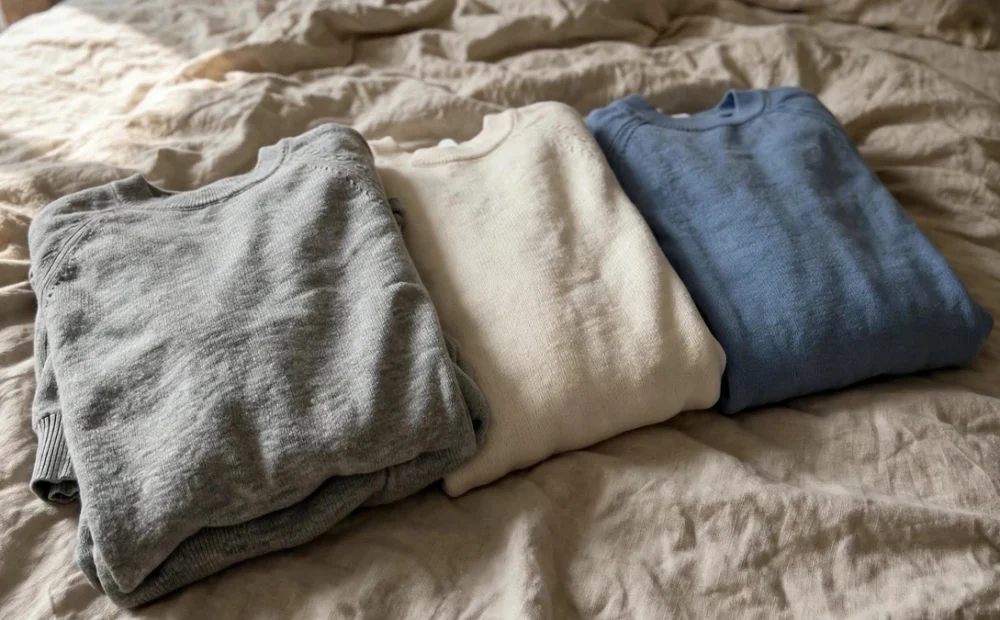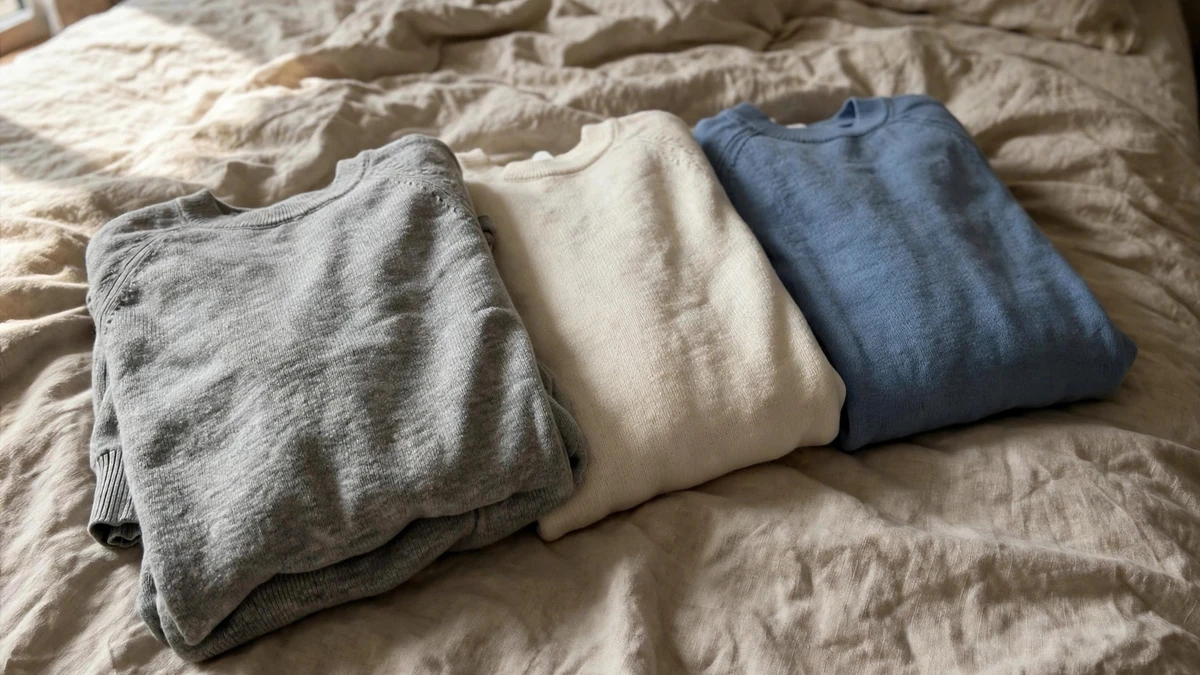

Cotton blend sweaters for women are the quiet workhorses of a winter wardrobe. They take the softness and breathability of cotton and add a second fibre, usually wool, cashmere, acrylic or modal, to fix the things pure cotton cannot do on its own. Pure cotton is comfortable, but it stretches, sags at the elbows and takes a long time to dry. A blend keeps the easy feel of cotton while adding warmth, shape, softness or durability, depending on what has been mixed in.
The catch is that the word blend tells you almost nothing on its own. A sweater that is 90 percent cotton and 10 percent cashmere behaves very differently from one that is 50 percent cotton and 50 percent acrylic. The first feels like a slightly softer cotton sweater. The second is warmer, lighter and much more likely to pill. The label is where the real shopping happens, and it is worth reading before you fall for the colour or the price.
Below are nine cotton blend sweaters worth considering in 2027, from a soft cotton-cashmere crewneck to an affordable cotton-acrylic everyday knit. Each one is described by what it does well, what to watch for, and who it suits best, so you can pick a blend that matches how you actually live in a sweater, not just how it looks on a hanger.
Key takeaways
- Cotton blend sweaters mix cotton with wool, cashmere, acrylic or modal to add warmth, softness, shape or durability that pure cotton lacks.
- The percentages on the label matter more than the word blend: a high cotton share stays breathable, while a high synthetic share pills faster and holds less shape.
- Cotton-cashmere is the softest and most comfortable option, cotton-wool is the warmest, and cotton-acrylic is the most affordable and easiest to wash.
- Most cotton blend sweaters should be washed cold and laid flat to dry, because heat and tumbling are what cause shrinking and pilling.
- No blend is right for everyone, and a sweater that pills after two washes, loses its shape at the hem, or feels scratchy against the skin is not worth keeping.
What a cotton blend sweater actually is
A cotton blend sweater is a knit made from cotton mixed with at least one other fibre. The most common partners are wool, cashmere, acrylic, polyester, modal and linen, and each one changes the sweater in a different way. Wool adds warmth and spring, so the knit bounces back instead of sagging. Cashmere adds softness and a smoother hand feel. Acrylic adds lightness and a lower price, but it is also the fibre most likely to pill. Modal adds drape and a silky surface.
The blend ratio is the detail that decides how the sweater behaves. A cotton-cashmere blend at 90 percent cotton and 10 percent cashmere will feel like a cotton sweater with a slightly softer touch. A 50-50 cotton-cashmere blend feels noticeably warmer and softer, and it usually costs more. A cotton-acrylic blend at 60 percent cotton and 40 percent acrylic is light and easy to care for, but it will not breathe as well as a high-cotton knit, and it is more likely to develop small pills under the arms and along the sides where fabric rubs.
Blends exist because no single fibre does everything. Cotton is breathable, soft against the skin and easy to wash, but it has no natural elasticity, so a pure cotton sweater can stretch out of shape at the neckline and hem. Wool has warmth and recovery, but it can feel scratchy and needs gentler care. Cashmere is soft and warm, but it is expensive and delicate. A blend is a compromise, and a good one balances those trade-offs so that the sweater is comfortable, holds its shape and survives a season of regular wear.
How we chose these sweaters and what to look for
Look first at the label, not the colour. The fibre content should list cotton first, with the second fibre and its percentage clearly stated. A label that says cotton blend without percentages is a warning sign, because it usually means the second fibre is cheap and present in a large share. A good label reads something like 70 percent cotton and 30 percent wool, or 85 percent cotton and 15 percent cashmere, and it tells you exactly what you are buying.
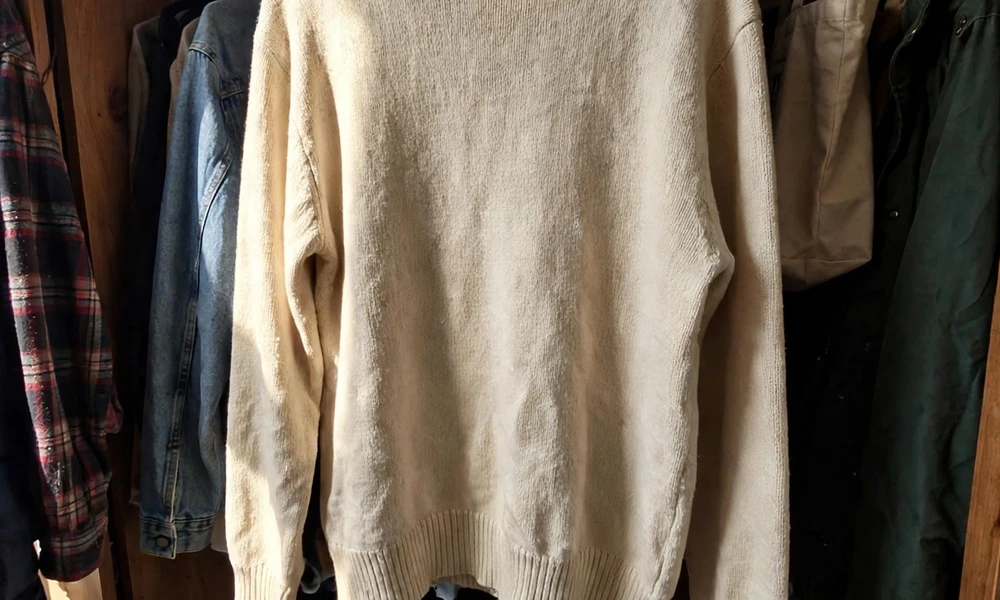
Look next at the knit itself. Hold the sweater up and check whether it keeps its shape or sags under its own weight. A tight, even knit holds up better than a loose, open one, and a ribbed hem and cuffs help the sweater keep its shape through the day. Run your hand across the surface: a cotton blend should feel smooth, not scratchy, and the inside should feel as comfortable as the outside, because that is the side that touches your skin.
Finally, think about how you will wash it. Most cotton blends do best in cold water on a gentle cycle, inside a mesh bag, and laid flat to dry. A sweater that needs dry cleaning every time is a sweater you will wear less, so check the care label before you buy. Our guide to the best cotton sweaters for women covers pure cotton knits in detail, and it is a useful comparison if you are deciding whether a blend or a pure cotton sweater suits your routine better.
The 9 best cotton blend sweaters for women of 2027
J.Crew Cotton-Cashmere Crewneck Sweater
What we like: A soft, classic crewneck with a generous cotton share and just enough cashmere to take the edge off, a neat ribbed trim, and a fit that layers easily under a coat. What to consider: It needs gentle washing and flat drying, and the lighter colours can show wear sooner. Best For: Everyday wear and office layering. Material: Cotton-cashmere blend. Price Range: Approximately $90 to $120. Standout Feature: A soft hand feel that stays comfortable against bare skin.
Uniqlo Cotton Blend Crew Neck Sweater
What we like: A light, affordable crewneck with a smooth knit, a clean silhouette and a wide range of colours, easy to wash and quick to dry. What to consider: The acrylic share means it can pill under the arms after repeated wear, and it is less warm than a cotton-wool blend. Best For: Everyday basics and mild weather. Material: Cotton-acrylic blend. Price Range: Approximately $30 to $40. Standout Feature: A low price for a sweater that looks far more expensive than it is.
COS Cotton-Blend Jumper
What we like: A modern, slightly relaxed fit with a clean finish, a wool share that adds real warmth, and a minimalist design that suits a capsule wardrobe. What to consider: The fit runs generous, so size down if you prefer a neater shape, and it needs a gentle wash. Best For: Minimalist outfits and cool days. Material: Cotton-wool blend. Price Range: Approximately $90 to $110. Standout Feature: A warm, structured knit that holds its shape all day.
& Other Stories Cotton-Blend Knit Sweater
What we like: A soft, slightly textured knit with a feminine cut, a polyester share that helps it keep its shape, and a good range of muted colours. What to consider: The polyester share means it is less breathable than a high-cotton knit, and it can feel warm indoors. Best For: Smart casual outfits and evenings out. Material: Cotton-polyester blend. Price Range: Approximately $60 to $80. Standout Feature: A polished look that dresses up easily with a skirt or tailored trousers.
Massimo Dutti Cotton-Cashmere Sweater
What we like: A refined, smooth knit with a higher cashmere share, a tailored fit and a quietly luxurious finish that suits smarter outfits. What to consider: It is one of the more expensive options here, and it needs careful washing to stay soft. Best For: Smart workwear and polished everyday looks. Material: Cotton-cashmere blend. Price Range: Approximately $100 to $140. Standout Feature: A smooth, refined surface that looks smart under a blazer.
Mango Cotton Blend Sweater
What we like: A relaxed, easy fit with a soft acrylic share that keeps it light, a wide choice of colours and a price that makes it easy to buy two. What to consider: It pills more readily than a cotton-wool blend, so keep a fabric comb handy, and the fit is loose rather than neat. Best For: Relaxed weekends and casual layering. Material: Cotton-acrylic blend. Price Range: Approximately $40 to $60. Standout Feature: A soft, slouchy fit that feels comfortable from the first wear.
Arket Cotton-Blend Sweater
What we like: A clean, Scandinavian design with a wool share that adds warmth, a sturdy knit that holds up well, and a fit that works for layering. What to consider: The colours are mostly muted, so it is not the pick for a bright statement knit, and it benefits from a gentle wash. Best For: Layered outfits and cold-weather days. Material: Cotton-wool blend. Price Range: Approximately $80 to $100. Standout Feature: A sturdy, warm knit with a clean, timeless shape.
Banana Republic Cotton-Blend Crewneck Sweater
What we like: A smooth modal share that gives the knit a silky drape, a neat crewneck shape and a comfortable fit that works for both work and weekends. What to consider: Modal blends can stretch slightly with wear, so avoid hanging it, and the lighter colours need gentle washing. Best For: Work outfits and smart casual looks. Material: Cotton-modal blend. Price Range: Approximately $80 to $110. Standout Feature: A silky drape that falls neatly without clinging.
Quince Cotton-Cashmere Fisherman Sweater
What we like: A chunky fisherman knit with a good cashmere share, a cosy relaxed fit and a price that undercuts most cashmere blends of similar quality. What to consider: The chunky knit is warm, so it is best for cold days rather than mild ones, and it needs flat drying to keep its shape. Best For: Cold weekends and cosy layered outfits. Material: Cotton-cashmere blend. Price Range: Approximately $50 to $70. Standout Feature: A thick, cosy fisherman knit at an unusually fair price.
Which cotton blend is right for you
Start with how warm you need to be. If you are cold most of the winter and want a sweater that genuinely keeps you warm, choose a cotton-wool blend, because wool traps heat far better than cotton or acrylic. If you run warm, or you spend most of your day indoors in a heated office, a cotton-acrylic or cotton-modal blend is the better choice, because it breathes more easily and will not leave you overheated by midday.
Next, think about how you will care for it. Cotton-acrylic blends are the easiest to look after: cold wash, gentle cycle, and they dry reasonably quickly. Cotton-cashmere and cotton-wool blends need more attention, with cold water, a mesh bag and flat drying, but they reward that care with a softer feel and a longer life. If you know you will throw a sweater in the wash without thinking, choose a blend that forgives that, rather than one that punishes it.
Finally, think about your skin. If pure wool makes you itch, a cotton blend with a small wool share can still irritate, so a cotton-cashmere or cotton-modal blend is usually the safer choice. If you have sensitive skin, feel the inside of the sweater against your wrist before you buy it, because that is a good test for how it will feel against your neck and arms all day. A comparison of wool and cotton knits, such as our guide to wool versus cotton sweaters, is a useful read if you are torn between a warm wool blend and a lighter cotton one.
The caveats that matter
Cotton blend sweaters are practical, but they are not perfect. The most common problem is pilling, especially in blends with a large acrylic or polyester share. Pills form where fabric rubs against itself or against a bag strap, and they are hard to prevent completely. A fabric comb removes them easily, but if you hate the sight of pills, choose a high-cotton or cotton-cashmere blend, which pills less, and wash the sweater inside out in a mesh bag.
| Detail | What is known |
|---|---|
| Warmest blend | Cotton-wool, because wool traps heat and the cotton keeps it breathable |
| Softest blend | Cotton-cashmere, with a smooth hand feel that suits sensitive skin |
| Easiest to wash | Cotton-acrylic, which tolerates a cold gentle cycle and dries quickly |
| Most likely to pill | High acrylic or polyester shares, especially under the arms and at the sides |
| Best for sensitive skin | Cotton-cashmere or cotton-modal, both smooth and rarely irritating |
| How to wash | Cold water, gentle cycle, inside a mesh bag, laid flat to dry |
| What to avoid | Hot water, tumble drying and hanging a wet sweater, which stretches the knit |
| When to replace it | When pilling, sagging or thinning cannot be fixed, or the cuffs lose their shape |
Stretching is the other problem to watch. Cotton has no natural elasticity, so a blend with a low wool or synthetic share can stretch at the neckline and hem over time, especially if you hang it to dry. Always fold a cotton blend sweater for storage, and lay it flat to dry after washing, because hanging a wet knit is the fastest way to ruin its shape. Our roundup of the best wool blend sweaters for women is worth a look if you want a knit with more natural stretch and recovery than cotton blends usually offer.
Checklist: choosing a cotton blend sweater honestly
Use these checks before you buy, and again after the first wash.
- Read the label: cotton should be listed first, with the second fibre and its percentage clearly stated.
- Feel the knit: it should be smooth against your wrist, with a tight, even weave and no scratchiness.
- Check the shape: hold it up and see whether it keeps its shape or sags under its own weight.
- Check the care label: make sure you are happy with the washing it needs before you commit.
- Try it with your wardrobe: it should work with at least three outfits you already own.
- After the first wash, check for pilling, stretching and colour change, and return it if any are serious.
Frequently asked questions
Are cotton blend sweaters warmer than pure cotton sweaters?
Usually yes, if the second fibre is wool or cashmere, because those fibres trap heat that cotton does not. A cotton-acrylic blend is only slightly warmer than pure cotton, and its main advantage is lightness and easy care rather than warmth.
Do cotton blend sweaters pill?
Some do, especially blends with a large acrylic or polyester share. High-cotton and cotton-cashmere blends pill less. Washing inside out in a mesh bag, on a cold gentle cycle, reduces pilling, and a fabric comb removes pills that do form.
Can I put a cotton blend sweater in the washing machine?
Most can be machine washed on a cold, gentle cycle, ideally inside a mesh bag. Check the care label first, because some cotton-cashmere blends are hand wash only, and never use hot water or a tumble dryer.
Which cotton blend is best for sensitive skin?
Cotton-cashmere and cotton-modal are usually the gentlest, because both are smooth and rarely irritate. If wool makes you itch, avoid cotton-wool blends, or test the sweater against your wrist before buying.
How should I store a cotton blend sweater?
Fold it, never hang it. Hanging stretches the knit at the shoulders and neckline over time. Store it clean and dry, with cedar or lavender to deter moths if it contains wool or cashmere.
Do cotton blend sweaters shrink?
They can, especially if washed in hot water or tumble dried. Cold water and flat drying are the safest approach, and a blend with a wool share is more likely to shrink in heat than a cotton-acrylic blend.
The bottom line
The best cotton blend sweater for women in 2027 is the one whose blend matches how you live in it. A cotton-wool blend is the right choice for cold days and outdoor wear, a cotton-cashmere blend is the softest and most comfortable for sensitive skin, and a cotton-acrylic blend is the easiest and cheapest for everyday use. The label tells you which one you are holding, so read it before you buy.
Choose one sweater, check it against the list above, wash it cold and lay it flat to dry, and judge it after a month of real wear rather than on the first try-on. A good cotton blend sweater should still look and feel right after ten washes, and that is the honest test of whether the blend was worth it.