Cream eyeshadow is the quiet workhorse of modern eye makeup. It goes on in seconds, blends with a fingertip, and gives lids a soft, lit-from-within finish that powder can struggle to match. For mornings when you want to look polished without a full routine, a single cream shade is often all you need, and for evenings it can be layered into something much deeper.
The catch is that not all cream eyeshadows behave the same way. Some set quickly and stay put for twelve hours. Others stay creamy, crease within an hour, and slide into the fold of the lid by lunchtime. Choosing well means knowing your lid type, your tolerance for shimmer, and how much effort you are willing to spend on blending.
Below are nine cream eyeshadows worth considering in 2027, from a classic stick that has been a makeup-bag staple for years to affordable pots that perform far above their price. Each one is described by what it does well, what to watch for, and who it suits best, so you can pick with your eyes in mind, not just a bestseller list.
Key takeaways
- Cream eyeshadow blends fastest with a fingertip, gives a soft, skin-like finish, and suits both quick daytime looks and layered evening looks.
- Stick and pot formulas that set within a minute last longest; formulas that stay wet crease quickly, especially on oily lids.
- Start with one thin layer and build slowly, because cream colour is much easier to add than to remove.
- A light primer or a dusting of translucent powder over the top helps cream shadow stay put on hooded or oily lids.
- No cream eyeshadow suits every lid type, and a shade that creases on one person can last all day on another, so a patch test on your own lid matters more than any review.
What cream eyeshadow actually does for your eyes
Cream eyeshadow is pigment suspended in a soft, emollient base, usually a mix of waxes, oils and silicones. On the lid it behaves more like a tinted balm than a powder. It melts slightly with the warmth of your skin, which is why it blends so easily, and why it can also move if the formula is too soft or your lids are oily. The finish ranges from a flat matte to a wet-looking shimmer, and that finish is often the biggest difference between products, more than the colour itself.
Compared with powder, cream shadow has two clear advantages. First, it grips the skin, so there is almost no fallout under the eyes, which makes it a good choice when the rest of your makeup is already done. Second, it gives a more skin-like, luminous finish, which is flattering on mature lids where powder can settle into fine lines and look dry. Cream needs a formula that sets, or a little help from primer and powder, to last a full day.
Who it suits best depends on your lids. Normal and dry lids are the easiest match, and most cream formulas work well on them. Oily lids need a formula that sets firmly, plus primer, and should avoid very emollient pots. Mature lids usually prefer a satin or soft matte finish over heavy glitter, which can emphasise texture.
How we chose these shades and what to look for
Look first at how the formula sets. A good cream eyeshadow gives you thirty to sixty seconds to blend, then dries down to a finish that does not transfer when you blink. The sweet spot is a formula that feels creamy on application and then quietly locks in place.
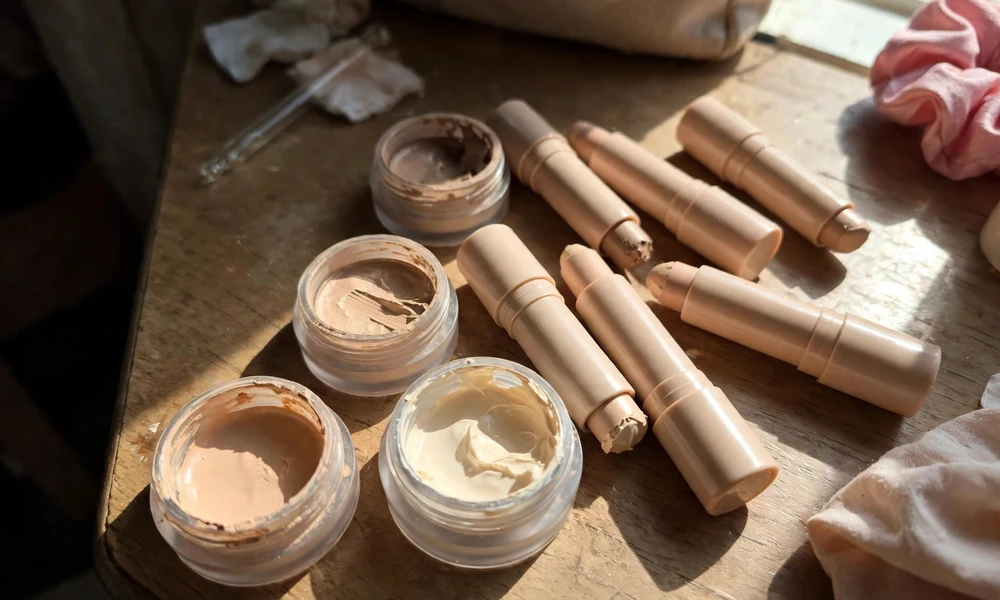
Look next at the finish and the pigment. A sheer wash is forgiving and fast, and it suits daytime and beginners. A full-pigment cream gives a stronger look with one swipe, but it needs more careful blending at the edges. Matte creams are the most versatile for work and for mature lids. Shimmer creams catch the light beautifully but can emphasise texture, so try them on your own lid before committing to a full look.
Finally, consider the format. Sticks are the fastest and the most travel-friendly, and they double as liner when smudged along the lash line. Pots are the most versatile, because you can use a finger, a brush or a sponge, and you can mix shades. Our guide to the best eyeshadow palettes of 2027 is a useful companion here, because many of the best cream looks pair one cream shade with a powder in the crease for extra staying power.
The 9 best cream eyeshadows of 2027
Laura Mercier Caviar Stick Eye Colour
What we like: A smooth, creamy stick that glides on without dragging, blends easily for about a minute, then sets to a long-wearing finish that resists creasing on most lids.
What to consider: Premium price, and the stick can soften in a warm bag, so keep the cap on and store it upright. Best for: Quick one-shade looks and smudged liner. Material: Cream stick, satin to shimmer finish. Price range: Premium. Standout feature: Reliable setting time that gives you room to blend without rushing.
This is the stick other sticks are measured against.
Bobbi Brown Long-Wear Cream Shadow Stick
What we like: A dense, pigmented stick with a creamy texture that sets firmly, good colour payoff in one swipe, and a wide range of wearable neutrals.
What to consider: Sets faster than some rivals, so blend promptly, and the deeper shades can stain slightly if left on too long. Best for: Long days and one-swipe colour. Material: Cream stick, matte to shimmer finish. Price range: Premium. Standout feature: Strong staying power on oily lids when paired with primer.
A dependable choice when you need colour that survives a long day. Draw it on, blend the edges with a fingertip, and it stays where you put it.
Charlotte Tilbury Eyes to Mesmerise
What we like: A soft, whipped cream in a pot with a luminous, light-catching finish that makes eyes look brighter and more awake, even with a single shade.
What to consider: The finish is more shimmer than matte, so it is less suited to very textured lids, and the pot needs a clean finger or brush. Best for: Brightening tired eyes and evening looks. Material: Whipped cream pot, luminous shimmer finish. Price range: Premium. Standout feature: A glow that looks like light on the lid rather than glitter.
This is the pick for days when your eyes need waking up. One wash of a warm champagne or rose shade opens the whole face, and it layers well over a matte cream base.
Maybelline Color Tattoo 24HR Cream Gel Shadow
What we like: An affordable gel-cream pot with strong pigment, a smooth texture, and genuinely long wear for the price, with a good range of neutrals and bolds.
What to consider: The pot can dry out if left open, and some shades are more pigmented than others, so test before buying a second colour. Best for: Budget-friendly long wear and bold colour. Material: Gel-cream pot, matte to metallic finish. Price range: Budget. Standout feature: Wear time that rivals products three times the price.
Proof that a good cream shadow does not need a luxury price. Keep the lid screwed on tightly and it will last for months of regular use.
NARS Total Seduction Eyeshadow Stick
What we like: A richly pigmented stick with a creamy, blendable texture and a modern shade range, from soft neutrals to deep smoky tones.
What to consider: Creamy enough that oily lids should prime first, and the chubby stick is less precise for tight lining. Best for: Smoky looks and rich, saturated colour. Material: Cream stick, satin to metallic finish. Price range: Premium. Standout feature: Colour payoff that reads as bold with one swipe.
For evenings and for anyone who likes a stronger eye, this stick delivers depth quickly.
MAC Pro Longwear Paint Pot
What we like: A long-standing favourite that works as both a cream shadow and a base, with a firm-setting formula that holds powder shadow on top for hours.
What to consider: The texture is firmer than a whipped cream, so warm it on the back of your hand first, and it sets quickly. Best for: A base under powder shadow and all-day wear. Material: Firm cream pot, matte to satin finish. Price range: Mid-range. Standout feature: Doubles as a primer that makes powder shadow last longer.
A makeup-bag staple for good reason. Used alone it gives a clean, even wash of colour. Used as a base it makes everything layered on top last longer.
Kiko Milano Long Lasting Eyeshadow Stick
What we like: A slim, affordable stick with smooth application, decent staying power, and a wide shade range that includes soft mattes and bright shimmers.
What to consider: The slim tip wears down faster than a chubby stick, and the palest shades can look patchy on deeper skin tones. Best for: Trying cream shadow for the first time and travel. Material: Cream stick, matte to shimmer finish. Price range: Budget. Standout feature: A low-risk way to find your favourite shade before spending more.
A smart first buy. The price makes it easy to try two or three shades, and the slim shape is handy for precise application along the lash line.
Hourglass Scattered Light Glitter Eyeshadow
What we like: A hybrid cream-powder with fine, light-catching shimmer that looks expensive rather than glittery, and a texture that applies smoothly without fallout.
What to consider: The shimmer finish is not for every day or every lid, and the price is premium for a single shade. Best for: Evening looks and special occasions. Material: Cream-powder hybrid, fine shimmer finish. Price range: Premium. Standout feature: Shimmer that reads as light on the lid, not as visible glitter particles.
When you want sparkle without the mess of loose glitter, this is the answer.
RMS Beauty Eye Polish
What we like: A sheer, glossy cream made with natural oils that gives lids a dewy, healthy-looking sheen, with shades that suit a minimal, no-makeup look.
What to consider: The glossy finish does not set firmly, so it creases faster on oily lids, and it is best for short wear rather than a full day. Best for: Dewy, minimal looks and dry lids. Material: Oil-based cream pot, glossy sheer finish. Price range: Premium. Standout feature: A fresh, skin-like sheen that no powder can copy.
This is the cream shadow for people who want their eyes to look healthy rather than made up.
Which cream eyeshadow is right for you
Dry lids have the easiest time with cream shadow, and almost any formula works, including glossy pots that would slide on oilier skin. A whipped or oil-based cream adds comfort and a soft sheen, and it will not emphasise dryness the way a dry powder can. Oily lids need the opposite: a stick or firm pot that sets within a minute, plus a light primer, and a thin layer rather than a thick one.
Hooded eyes benefit from a cream that is blended upward, above the crease, so the colour shows when the eyes are open. A matte or satin finish works best here, because shimmer on the brow bone can draw attention to the fold. Mature lids usually prefer satin over heavy glitter, and a single shade blended softly is often more flattering than several layered colours. Our guide to the best eyeshadows for older women goes into more detail on finishes that flatter mature skin, because the right texture matters as much as the right colour.
Beginners should start with a stick in a neutral shade close to their skin tone. It is forgiving, it blends with a fingertip, and mistakes are easy to soften.
The caveats that matter
Cream eyeshadow is generally well tolerated, but the eye area is sensitive, and a few cautions are worth knowing. Always patch-test a new formula on the back of your hand or behind your ear before full use, and stop using it if you notice redness, itching or swelling. Never share cream pots or sticks, because the eye area is vulnerable to infection, and a shared applicator is an easy way to spread it.
| Detail | What is known |
|---|---|
| Best format for beginners | A stick in a neutral shade, blended with a fingertip |
| How long it should last | A setting formula lasts 8 to 12 hours; a glossy formula lasts 3 to 5 hours |
| Who should prime first | Oily lids and hooded eyes, to stop creasing and transfer |
| What to avoid | Thick layers, heavy glitter on textured lids, and sharing pots or sticks |
| Storage | Cool place, lid on tight, upright for sticks, away from heat |
| When to replace it | Every 6 to 12 months, or sooner if texture, smell or colour changes |
| What it does not do | It does not replace powder for a fully matte look, or last as long as a set powder |
| When to stop using it | If eyes become red, itchy, swollen or watery after application |
If you wear contact lenses, apply cream shadow before putting your lenses in, and wash your hands first. If you have an eye condition, an infection, or you are recovering from eye surgery, check with your clinician before trying a new eye product. That is not a formality. The eye area heals slowly, and a simple check avoids weeks of discomfort.
Checklist: choosing a cream eyeshadow honestly
Use these checks before you buy, and again after a week of use.
- Check the set time: it should give you 30 to 60 seconds to blend, then dry down without transferring.
- Check the finish on your own lid: matte and satin suit most lids, heavy glitter suits smooth lids and evenings.
- Check the shade in daylight: a neutral close to your skin tone is the safest first buy.
- Patch-test first: apply to the back of your hand or behind your ear for a day before full use.
- Start thin: one thin layer, blended well, beats two thick layers that crease.
- Protect the product: keep the lid on, store it cool, and replace it within 6 to 12 months.
Frequently asked questions
Does cream eyeshadow crease?
It can, especially on oily or hooded lids, but a formula that sets firmly, applied thinly over primer, usually lasts a full day. Glossy formulas crease faster, so save them for shorter wear.
Can I use cream eyeshadow on mature skin?
Yes, and it is often more flattering than powder, because it does not settle into fine lines the way a dry powder can. Choose a satin or soft matte finish, apply thinly, and blend the edges well.
Do I need a primer under cream eyeshadow?
Not always. Normal and dry lids often do fine without one. Oily lids, hooded eyes and long days benefit from a light primer, or a dusting of translucent powder over the top.
Can I use cream eyeshadow as eyeliner?
Yes. A stick or a firm pot applied with a small angled brush along the lash line works well, and smudging it gives a softer line than a liquid liner. Set it with a matching powder if you want it to last all day.
How do I remove cream eyeshadow?
A gentle makeup remover or micellar water on a cotton pad removes most formulas easily. Avoid rubbing the delicate eye area, and follow with your usual cleanser. A guide to applying mascara pairs well here, because a clean base makes both products look better.
How long does cream eyeshadow last once opened?
Most creams last 6 to 12 months once opened. Replace it sooner if the texture turns grainy, the colour separates, or it smells different from when you bought it.
The bottom line
The best cream eyeshadow in 2027 is not the most expensive or the most pigmented. It is the one that suits your lid type, sets in a time you can work with, and that you will actually reach for on a busy morning. For most people, a neutral stick that blends in thirty seconds is the smartest first buy, and a second, deeper shade adds everything you need for an evening look.
Choose one shade, apply it thinly, blend while it is still slightly wet, and let it set before you judge it. That is the honest way to find out whether cream shadow is for you, without the creasing and patchiness that put so many people off it the first time they tried it.