
Best Designer Coat Brands 2027: 8 Labels Worth the Investment
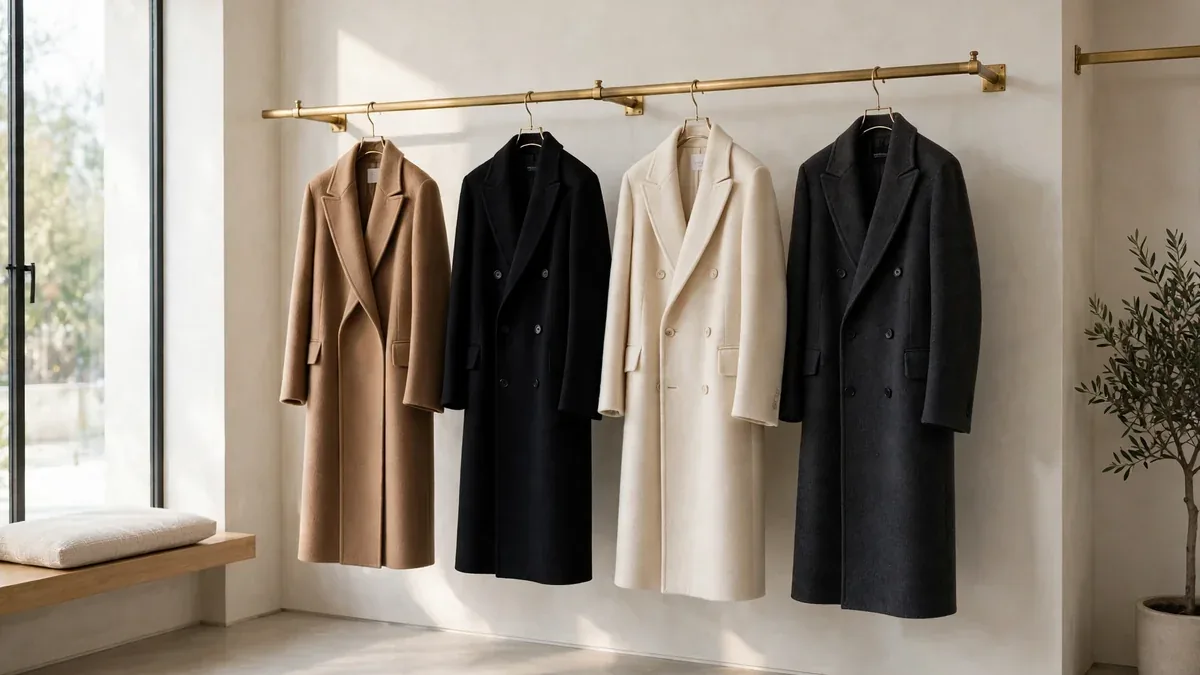
A great coat is the hardest-working piece in a winter wardrobe: the first thing anyone sees, the layer that carries an ordinary outfit, and the piece you reach for on the coldest days of the year. The best designer coat brands understand that a coat is not a seasonal impulse buy. It is a piece of tailoring you live in for months at a time, and the difference between a good one and a great one shows in the cloth, the cut, and the way it still looks new after three winters.
Designer coats cost more than high-street versions for reasons that are easy to feel and harder to photograph. The wool is denser and softer, the shoulders sit where they should, and the lining does not bunch. You will not notice these details on a hanger, but you will in February, when a cheaper coat has started to pill at the sleeves and sag at the pockets while the better one still holds its shape.
This guide looks at eight designer coat brands that earned their reputations over decades, not seasons: heritage houses with a century of outerwear behind them, and quieter labels built on a single perfect silhouette. All make coats that justify their price tags in materials, construction, and longevity, and all are worth knowing before you spend four figures on outerwear.
Key takeaways
- The best designer coat brands combine dense, high-grade wool or cashmere with careful tailoring, so the coat keeps its shape for years, not one season.
- Max Mara and Burberry remain the benchmarks for wool coats and trench coats, while The Row and Loro Piana lead on quiet luxury.
- Fit matters more than the label: check the shoulder seam, sleeve length, and whether the coat closes cleanly over a knit.
- Neutral shades such as camel, black, navy, and charcoal offer the best cost per wear, since they work with almost everything in your wardrobe.
- Even the finest coat is a poor buy if the fabric, weight, or silhouette does not suit your climate and daily life, so buy for the winters you live through.
What this guide covers
This guide covers eight designer coat brands chosen for the quality of their outerwear, the consistency of their collections, and their staying power in the luxury market. Each brand is profiled with its strengths, signature styles, and honest trade-offs. The focus is on wool, cashmere, and trench coats, the three categories where designer labels most clearly earn their premium.
We look at what each house does best, from Max Mara’s camel coats to Burberry’s trench heritage, and where each falls short, whether a high price, limited sizing, or a cut that suits one body type better than another. The guide also explains how to judge a coat in the shop and the mistakes that turn an expensive purchase into a regret.
How we chose
We chose these eight brands on the factors that decide whether a coat is worth its price over five or more winters. Fabric quality came first: the density and softness of the wool, the share of cashmere or camel hair, and how the cloth behaves after repeated wear. A coat that pills in its first month is not a luxury product, whatever the label says.
Construction came next: the tailoring, the neatness of the lining and seams, the hardware, and whether the silhouette holds its line when worn open. Finally, we considered reputation and resale: brands whose coats keep their value second-hand tend to be the ones buyers trust most.
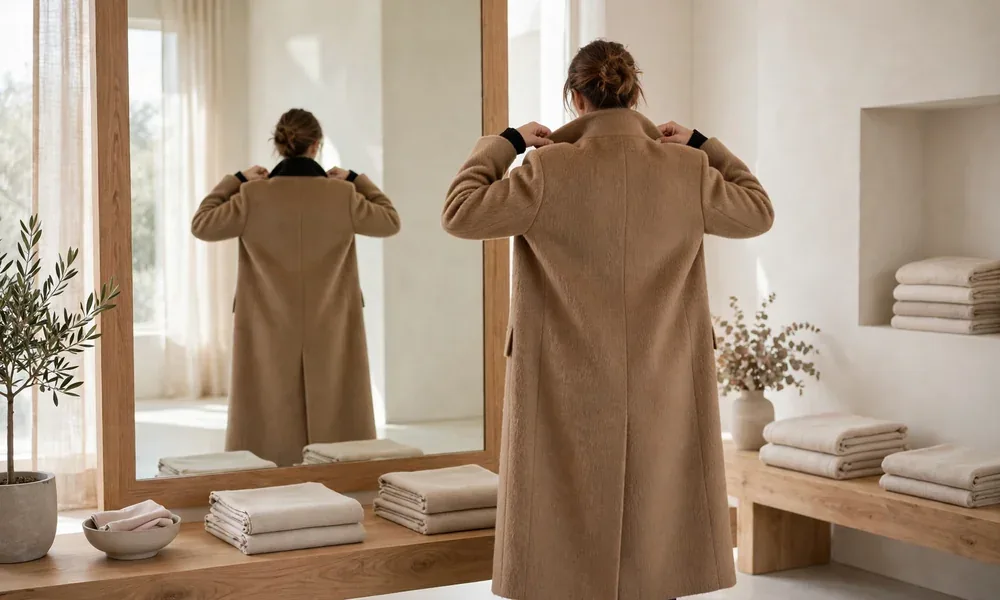
We set aside labels that rely mainly on a logo or a single viral season. A designer coat should look as good in five years as on the day you buy it, and the brands here have proved they can deliver that longevity across many collections.
What to look for
Before the profiles, it helps to know what separates a genuinely good designer coat from an expensive one. Start with the fabric: hold it to the light and look for a dense, even weave, and run your hand across it to check for softness without fluff. Check the shoulders first when you try it on, since a shoulder that sits wrong cannot be fixed by a tailor. Look at the lining, the pocket stitching, and the way the hem falls. And think about colour honestly, because the neutral colours that work with everything will earn their price back far faster than a bold shade worn twice.
1. Max Mara
Max Mara is the first name most stylists mention for designer wool coats, and for good reason. The Italian house built its reputation on the camel coat, a silhouette refined since the early 1980s, with tailoring that is famously consistent across sizes. Its coats use high-grade double-faced wool and cashmere blends, with clean lines, generous lapels, and a cut that drapes rather than clings.
What We Like: The camel coats are genuinely iconic and hold their value well on resale. The fit is reliable, the cloth dense and warm, and the designs change so little that a coat bought today will not look dated.
What to Consider: Prices are firmly in four figures, and the classic styles can feel conservative if you prefer a fashion-forward silhouette. Some lighter styles are less warm than they look, so check the fabric weight before buying for a harsh climate.
2. Burberry
Burberry invented the trench coat, and more than a century later it still sets the standard. Its heritage trench, made in Castleford in Yorkshire, uses tightly woven cotton gabardine that shrugs off rain, with horn buttons, a storm flap, and a belted waist barely changed since the design was first supplied to military officers. Burberry also makes strong wool coats in camel, black, and check.
What We Like: The trench is a genuine piece of fashion history, beautifully made and instantly recognisable without being loud. The gabardine is hard-wearing, the construction meticulous, and the coat works across seasons in a way few designer coats can match.
What to Consider: The classic trench is not a warm winter coat on its own, so it needs layering in deep cold. Prices have risen steadily, and the check lining divides opinion, so try plainer styles if you prefer a quieter look.
3. Saint Laurent
Saint Laurent brings a sharper, more Parisian energy to designer coats. Its outerwear is long, lean, and deliberately dramatic: floor-skimming wool coats, sharp-shouldered tailored styles, and leather-trimmed pieces made for evenings out rather than school runs. The tailoring is precise and the silhouettes photograph beautifully.
What We Like: The cuts are among the most flattering in luxury outerwear, especially for taller frames. The wool is excellent, the longer lengths feel genuinely glamorous, and the coats carry a sense of occasion.
What to Consider: The slim, elongated silhouettes do not suit every body type, and some styles run small. Prices sit at the top of this list, and the more dramatic lengths can be impractical for daily wear or public transport.
4. The Row
The Row, founded by Ashley and Mary-Kate Olsen, has become the quiet-luxury label other brands measure themselves against. Its coats are the opposite of showy: no visible logos, no shouting hardware, just immaculate fabric and a cut that looks effortless. The brand favours oversized wool coats, soft shoulders, and muted camel, grey, ivory, and black.
What We Like: The fabric quality is exceptional, with heavyweight wools and cashmere blends that feel luxurious from the first wear. The designs are timeless, the construction flawless, and the coats pair with tailoring and denim alike.
What to Consider: The Row is among the most expensive brands on this list, and its oversized fits can overwhelm petite frames. Availability is limited, popular styles sell out quickly, and the absence of branding means the value is in the wearing, not the recognition.
5. Loro Piana
Loro Piana is a fabric house first and a fashion brand second, and that shows in every coat it makes. The Italian company sources some of the finest cashmere, vicuna, and baby cashmere in the world, and its coats are known for a softness that is hard to match at any price. The designs are restrained: long single-breasted coats, neat collars, natural undyed shades.
What We Like: The cloth is the best in this guide, full stop. A Loro Piana cashmere coat feels weightless yet warm, drapes beautifully, and lasts years with proper care. The understated designs never date.
What to Consider: These are the most expensive coats in this guide by a wide margin, and the soft fabric means some styles need more careful handling than a sturdy wool coat. The classic cuts will feel too quiet for anyone who wants a statement piece.
6. Brunello Cucinelli
Brunello Cucinelli, based in the Umbrian village of Solomeo, built a luxury empire on cashmere and a relaxed approach to craft. Its coats combine Italian tailoring with a softer, more casual spirit: unstructured shoulders, generous lapels, and fabrics blending cashmere with wool or silk for warmth without stiffness. The result feels as comfortable as it looks expensive.
What We Like: The cashmere blends are superb, and the relaxed tailoring makes the coats easy for everyday wear. The craftsmanship is consistent, the neutral palette versatile, and the coats age gracefully.
What to Consider: Prices are very high, and the relaxed fit can look shapeless on smaller frames. The softer construction offers less structure than a traditional tailored coat, which matters if you want a sharp silhouette.
7. Toteme
Toteme, the Stockholm label founded by Elin Kling, has become a favourite for women who want designer quality without the full heritage-house price. Its signature is the scarf coat, a wool coat with an attached scarf that wraps around the neck, but the wider range covers belted coats, double-breasted styles, and longline wool coats in camel, grey, and black.
What We Like: The designs are clever and practical, the scarf coat solves the cold-neck problem elegantly, and the quality is strong for the price. The minimalist Scandinavian aesthetic suits almost any wardrobe.
What to Consider: The brand is younger than the heritage houses, so long-term durability is less proven. Some styles sell out fast and are hard to find in a full size range, and the minimalist look can feel plain if you prefer decorative detail.
8. Acne Studios
Acne Studios, also from Stockholm, brings a contemporary, slightly offbeat edge to designer coats. The Swedish label is known for oversized silhouettes and unexpected proportions, from boxy double-breasted wool coats to long, sweeping styles in bold checks. The quality is high, the designs distinctive, and the prices more accessible than the Italian cashmere houses.
What We Like: The coats have real personality, and the oversized fits are comfortable and easy to layer. The wool is good quality, the prices comparatively reasonable for designer outerwear, and the styles stand out without relying on logos.
What to Consider: The avant-garde proportions do not suit everyone, and some styles can swamp a petite frame. The bolder designs date faster than the classics, so choose plainer styles if longevity is your priority.
Background
The designer coat took shape in the early twentieth century, when houses such as Burberry and Max Mara began treating outerwear as tailoring rather than weather protection. Burberry’s gabardine trench, developed for officers in the First World War, showed a practical coat could also be elegant. Max Mara, founded in 1951, built its business on the idea that a well-cut camel coat could anchor a wardrobe for a decade or more.
What changed in the decades that followed was the fabric. Advances in milling produced denser, softer wools, and wider availability of cashmere brought new softness to luxury coats. The houses that thrived invested in their mills and ateliers rather than chasing each season’s trend, which is why the names here are mostly old ones and their signature styles have changed so little.
Today’s designer coat market is split between heritage houses and newer minimalist labels, and both have their place. The heritage brands offer proven longevity and resale value, while the newer labels offer fresher silhouettes and slightly lower prices. Knowing how to wear a coat in summer can stretch a lighter designer coat’s value well beyond winter, which matters when the price runs into four figures.
The caveats that matter
Designer coats are a serious investment, and the fine print matters as much as the label.
| Caveat | What it means | How to handle it |
|---|---|---|
| High upfront cost | Most coats in this guide cost four figures | Divide the price by the winters you expect to wear it |
| Delicate fabrics | Cashmere and fine wool pill and snag easily | Use a cashmere comb; store with care |
| Costly cleaning | Designer coats need professional cleaning | Budget for two or three cleans a season |
| Fit varies by brand | Italian, French, and Scandinavian cuts differ | Try before buying, over your usual knit |
| Seasonal availability | Popular sizes and colours sell out early | Shop at the season’s start, not mid-winter |
| Counterfeits | Popular styles are widely copied | Buy only from the brand or authorised retailers |
| Warmth is not guaranteed | A beautiful coat can still be too light for deep cold | Check fabric weight and lining before buying |
| Resale is not certain | Only classic styles hold value well | Choose timeless colours and silhouettes |
Checklist
- Try the coat on over the thickest knit you plan to wear with it, and check it closes without pulling.
- Check the shoulder seam sits at your natural shoulder, not drooping down your arm.
- Read the fabric label: look for high wool or cashmere content and a dense, even weave.
- Inspect the lining, the inside of the pockets, and the button stitching for neatness.
- Walk, sit, and raise your arms to make sure the length and sleeves allow easy movement.
- Confirm the return policy and alteration costs before you leave the shop, not after.
FAQ
How much should a designer coat cost?
Expect around £800 for a contemporary label such as Toteme or Acne Studios, rising to £2,000 or more for Max Mara and Saint Laurent, and considerably higher for Loro Piana cashmere. The price reflects the fabric, the tailoring, and the brand, roughly in that order.
Which designer coat brand is best for warmth?
Loro Piana and Brunello Cucinelli lead on warmth with their cashmere blends, while Max Mara’s heavier double-faced wool coats are also very warm. Burberry’s trench, by contrast, is a rain coat rather than a deep-winter coat and needs layering.
Are designer coats worth the money?
They can be, if you choose a classic style and wear it for many winters. A £1,500 coat worn five winters costs £300 a year, comparable to replacing a cheaper coat every season. The value disappears if you buy a trend-led style you stop wearing.
What colour coat should I buy first?
Camel is the classic first choice: it flatters most skin tones and works with black, navy, grey, and brown. Black is most versatile for evening wear, while charcoal is safest if you want one coat for every occasion.
How do I care for a designer wool coat?
Brush it after wear, air it between outings, and dry clean only when needed, usually two or three times a season. Store it on a wide wooden hanger in a breathable garment bag, and use a cashmere comb to remove pilling before it spreads.
Should I buy a designer coat online?
Only if you know the brand’s fit and returns are straightforward. Sizing varies significantly between houses, and a coat that looks right on screen can feel wrong in person. Order your usual size and one size up, and keep the one that fits over a knit.
The bottom line
The best designer coat brands treat a coat as a long-term investment rather than a seasonal statement. Max Mara and Burberry remain the safest choices for a first designer coat, thanks to proven silhouettes and strong resale value. Loro Piana and Brunello Cucinelli are the picks for pure fabric luxury; The Row and Toteme suit anyone who prefers quiet, minimalist design. Whichever house you choose, the rule is the same: buy the best fabric you can afford, in a colour you will love for years, in a cut that fits over real winter layers.
A designer coat is also the anchor of a winter outfit, setting the tone for everything worn underneath it. Pair it with well-chosen accessories, from the bags celebrities keep reaching for to a simple leather glove, and the coat makes the whole look feel considered. Spend carefully, try before you buy, and choose the coat you will still reach for in five winters’ time.
Meet Our Experts
This guide was prepared by the BrassSmile fashion editorial team, with input from editors and stylists who cover luxury outerwear.
Why Trust BrassSmile
BrassSmile covers fashion, beauty, and luxury lifestyle with a focus on honest, practical guidance. Our guides prioritise fabric quality, construction, and long-term value over hype, recommending only brands with a proven record.
Sources
Brand histories and collection details draw on the public materials of the eight brands profiled here, and fashion coverage from Vogue, Harper’s Bazaar, Elle, and The Business of Fashion.