Best Designer Handbag Brands
A designer handbag is one of the few purchases where fashion, finance, and feeling meet. You carry it every day, it appears in every photograph, and the right one holds its value for years. That is also what makes the choice so difficult: the price tags are serious, the differences between houses are subtle, and a bag that looks perfect in a boutique can be the wrong size or leather within a month.
This guide compares the eight houses that matter most in 2026 and 2027 — Hermès, Chanel, Louis Vuitton, Gucci, Prada, Dior, Saint Laurent, and Bottega Veneta — on leather and hardware quality, craftsmanship, design longevity, practicality, and resale value.
None of these brands is right for everyone. A Birkin is a masterpiece of craft and one of the hardest bags in the world to buy; a Louis Vuitton Neverfull is the opposite — easy to find, endlessly practical, and almost impossible to regret. The best one for you is the brand whose strengths line up with how you live and dress.
Key takeaways
- Hermès, Chanel, and Louis Vuitton lead on craftsmanship and resale value, but each demands a different commitment — waiting lists, rising prices, or high entry costs.
- Gucci, Prada, Dior, and Saint Laurent offer more accessible entry points and stronger fashion-forward design — smart first designer bags.
- Bottega Veneta is the quietest name here and one of the strongest on leather quality, its signature intrecciato weave recognisable without any logo.
- Before you buy, check the leather, stitching, hardware weight, and lining — four details that separate a well-made bag from an expensive one.
- Caveat: no designer bag is a guaranteed investment, and resale values vary sharply by style, colour, and condition — buy a bag you love carrying first, and treat retained value as a bonus.
What This Guide Covers
This guide covers the eight designer handbag brands that define the luxury market: the heritage houses whose bags are collected and handed down, and the fashion houses whose designs shape what everyone else carries. For each brand you will find its signature styles, quality, prices, and who it suits best.
It also covers the practical side of buying well: how to judge quality in the boutique, a table of the caveats that matter most, a six-point checklist, and answers to the questions buyers ask most often. If you are still deciding which silhouettes are in style, our roundup of the best handbag trends for 2027 pairs naturally with this guide.
How We Chose
The eight brands here were chosen for staying power. Each has at least one bag that has remained desirable for a decade or more, a reputation for materials and construction, and a resale market strong enough that pre-owned prices signal real demand. Houses relying on one viral season did not make the cut.
Each assessment draws on the house’s own published descriptions of its materials, on fashion coverage, and on what the resale market shows about which styles hold value. Prices reflect the approximate retail range for core leather styles; treat any figure as a guide. We also weighed everyday reality — a beautiful bag is still a poor purchase if it is too heavy, too small, or too delicate for daily use.
What to Look For
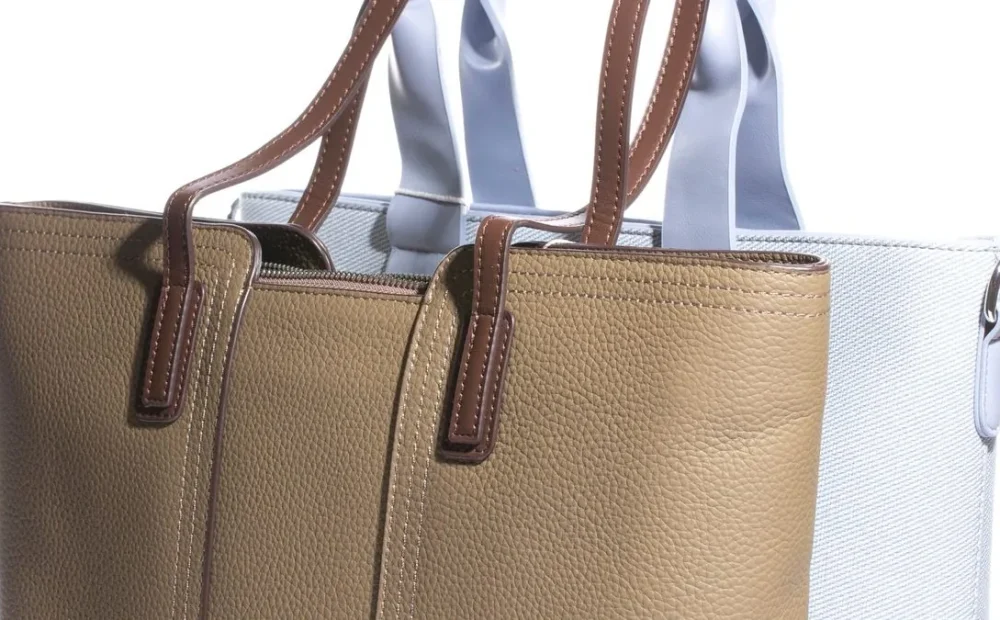
Before the brand-by-brand breakdown, here is what separates the best designer handbag brands from the rest. Leather should feel supple and even, with a consistent grain. Stitching should be tight, straight, and evenly spaced, with no loose threads at the corners. Hardware should have real weight, the lining should be neatly fitted, and the bag should hold its shape when empty.
Hermès
Hermès is the benchmark every other designer handbag brand is measured against, and the Birkin and Kelly are the two most coveted bags. Both are handmade in France by a single artisan, in leathers — Togo, Clemence, Epsom, and Box calf — chosen for how they age. A Birkin in a classic colour is one of the few bags that routinely resells above retail price.
What we like: Unmatched craftsmanship and materials; the strongest resale market here; designs barely changed in decades; a colour and leather range deep enough to make a bag feel personal.
What to consider: Birkin and Kelly bags are famously difficult to buy — the house does not sell them on demand, and access typically follows a purchase history. Entry prices are the highest here, and light leathers need careful handling. Without the wait, the Picotin, Evelyne, and Herbag offer the same leather quality for far less.
Chanel
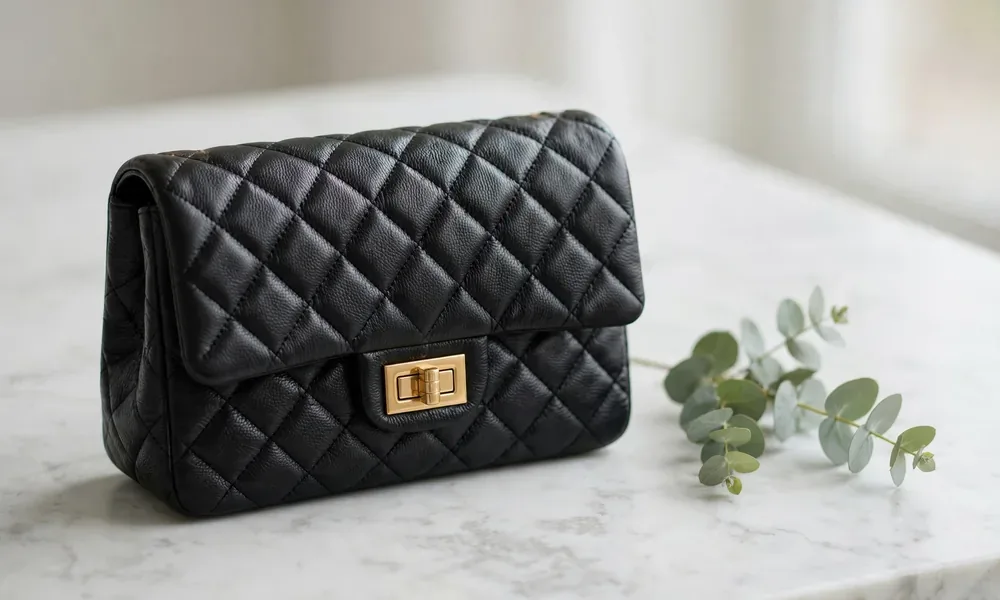
Chanel’s Classic Flap, descended from the 2.55 introduced in February 1955, is the most recognisable handbag silhouette ever made. Its quilting, chain strap, and CC turn-lock have been copied endlessly and never equalled. Caviar and lambskin are among the softest leathers in luxury, and classic flaps in black caviar are among the most sought-after pre-owned bags.
What we like: An iconic design that works with almost everything; beautiful, distinctive leathers; excellent resale for classics in neutral colours; a chain strap that converts shoulder to crossbody.
What to consider: Chanel raises prices more than almost any other house. Lambskin is gorgeous but scratches easily, while caviar is far more forgiving. The flap’s interior is compact, so try your essentials inside first.
Louis Vuitton
Louis Vuitton is the largest luxury house in the world, and its handbags are the most practical entry into designer bags. The Neverfull, Speedy, and Alma have been made for decades, and the coated canvas that defines most of them is light, water-resistant, and almost impossible to damage. Beyond canvas, leather lines such as Capucines show finishing that rivals houses charging considerably more.
What we like: Exceptional durability, especially in coated canvas; the widest price range here; strong resale for classic monogram and Damier styles; repairs through the brand’s own workshops.
What to consider: The monogram is unmistakable — a virtue if you love logos, a drawback if you prefer discretion; Capucines and Epi lines are quieter alternatives. Vachetta trim darkens with sun and handling, which some owners love as patina and others do not. Canvas does not feel like leather, and that matters if feel is part of the pleasure.
Gucci
Gucci’s handbags have swung between heritage and high fashion more than any other house here, and that restlessness is part of their appeal. The Jackie 1961, named for Jacqueline Kennedy Onassis, is a soft shoulder bag revived to great success; the Dionysus pairs the tiger-head clasp with GG canvas or leather; and the Marmont line’s chevron quilting has become a modern classic.
What we like: A strong mix of heritage icons and modern designs; more accessible pricing than Hermès or Chanel; distinctive hardware; excellent shoulder bags for everyday wear.
What to consider: Trend-driven designs date faster than the classics of Hermès or Chanel, so the Jackie and Dionysus in neutral colours are safer long-term choices. Resale is solid for icons but weaker for trend-led styles.
Prada
Prada is the house of intellectual, understated luxury. The Galleria, in structured Saffiano leather with a discreet triangle logo, is the brand’s signature work bag — professional and durable. The Re-Edition range, built from regenerated nylon, has become a modern icon, while the Cleo brings softer shapes to the line-up. Saffiano leather is famously resistant to scratches and water.
What we like: Understated design that ages gracefully; Saffiano is among the most practical luxury leathers made; strong work and everyday bags; Re-Nylon offers a lighter way into the brand.
What to consider: Prada’s restraint means its bags do not announce themselves, which suits some buyers and disappoints others. Resale is good for the Galleria and Re-Edition but modest for seasonal designs, and nylon does not carry the same perceived value as leather.
Dior
Dior’s handbags balance romance and structure. The Lady Dior, created in the 1990s and famously carried by Princess Diana, is quilted in the house’s cannage pattern and finished with letter charms spelling D-I-O-R. The Saddle bag is one of fashion’s great comeback stories, while the Book Tote has become the definitive luxury tote — spacious, structured, and customisable through embroidery.
What we like: Beautifully finished bags with real romance; the Book Tote is genuinely useful; strong seasonal collections; good resale for the Lady Dior in classic colours.
What to consider: The Lady Dior is structured and formal, suiting office and occasion wear more than casual days. The Book Tote is open-topped, so it is not ideal for crowded commutes. Fashion-forward seasonal bags can lose value faster than classics, so buy trend pieces because you love them.
Saint Laurent
Saint Laurent makes the most rock-and-roll bags. The Kate, with its long chain and YSL monogram clasp, is the house’s definitive evening and everyday shoulder bag; the Loulou offers soft, puffy quilting; and the Sac de Jour is a structured work tote. The aesthetic — black leather, gold hardware, sharp lines — is consistent across the range.
What we like: A strong, consistent aesthetic for evening and everyday wear; comfortable chain bags; more accessible than Chanel for a similar look; durable grainy leathers.
What to consider: The YSL monogram is prominent on most styles, so this is not the house for logo-shy buyers. Smooth leather Kates can scratch, so grainy leather is safer. Resale is respectable but trails Chanel and Hermès.
Bottega Veneta
Bottega Veneta is the connoisseur’s choice among designer handbag brands. Its signature is intrecciato — leather woven by hand into a basketweave — and the house famously carries no visible logo, a philosophy summed up in its old line, “when your own initials are enough”. The Jodie, the Cassette, and the Andiamo have made it one of the most talked-about houses of recent years, and its leather quality is among the finest at this price level.
What we like: Superb leather quality and weaving craftsmanship; discreet luxury with no visible branding; distinctive shapes; strong recent demand.
What to consider: Woven leather needs care — it can catch on jewellery and rough surfaces, and repairs are specialist work. Designs change more than the classic houses’, so choose shapes that feel timeless. Some slouchy styles offer less structure and organisation than a structured tote or flap.
Background: How Designer Handbags Became Icons
The modern designer handbag was born in the early twentieth century, when houses that had made trunks began crafting smaller bags for women travelling, working, and moving through public life in new ways. Hermès made the first Kelly-style bag in the 1930s; Chanel’s 2.55 arrived in 1955; Louis Vuitton’s Speedy was created in the 1930s at a client’s request. Each solved a practical problem first and became a status symbol second.
That history explains why some bags feel timeless and others feel tied to a moment. The houses that have endured built their designs around use — a flap that closes securely, a handle that sits comfortably, a size that fits a day. For a wider view, our guide to the best luxury fashion brands for 2027 puts each of them in the context of the full fashion house, from ready-to-wear to accessories.
The resale market has added a second layer. As pre-owned luxury has grown, the bags that hold value have become clearer: classic shapes, neutral colours, full sets with box and receipt, and careful use. None of this makes a bag an investment, but a well-chosen classic costs far less over its lifetime than its price tag suggests, because so much of the value can be recovered.
The Caveats That Matter
Every brand here has a weakness, and knowing them before you buy separates a confident purchase from a regret.
| Brand | The caveat to know | How to handle it |
|---|---|---|
| Hermès | Birkin and Kelly are hard to buy | Try the Picotin or Evelyne, or buy pre-owned |
| Chanel | Frequent price rises; delicate lambskin | Choose caviar leather for daily use |
| Louis Vuitton | Vachetta trim darkens; monogram is very visible | Embrace the patina, or choose Damier |
| Gucci | Trend-led styles date and lose resale value | Favour icons like the Jackie 1961 in neutral colours |
| Prada | Weaker resale on seasonal styles | Buy the Galleria or Re-Edition for the best value |
| Dior | Open totes and formal shapes limit daily use | Match the bag to your routine, not just the occasion |
| Saint Laurent | Prominent logos; scratch-prone smooth leather | Choose grainy leather; be sure you love the monogram |
| Bottega Veneta | Woven leather catches and needs specialist care | Avoid rough surfaces and store the bag stuffed |
Beyond the brand-specific points, three cautions apply to every purchase. First, the pre-owned market is full of convincing fakes — our guide on how to authenticate a luxury bag walks through nine details to check before you pay, from stitching and hardware to date codes and lining. Second, prices rise regularly across all eight houses, so a bag you are certain about is rarely cheaper next year. Third, a bag bought on impulse is almost always worse than one bought after a week of thinking.
Checklist: Before You Buy a Designer Handbag
- Try your essentials inside it. Phone, wallet, keys, and sunglasses should fit without forcing it closed.
- Check the leather and stitching in daylight. Look for even grain, tight stitching, and no loose threads at the corners.
- Feel the hardware. Clasps, zips, and chains should have real weight and move smoothly.
- Wear it the way you will carry it. Put it on your shoulder, walk around, and check the weight.
- Confirm authenticity and aftercare. Buy from the brand or an authorised retailer; for pre-owned, use a reputable authenticator and keep the receipt and dust bag.
- Sleep on it. If you still want the same bag a week later, it is the right one.
Frequently Asked Questions
What is the best designer handbag brand overall?
There is no single best brand — it depends on what you value most. Hermès leads on craftsmanship and resale value, Chanel on iconic design, Louis Vuitton on durability, and Bottega Veneta on leather quality. For one bag to do everything, Louis Vuitton and Prada are the most versatile starting points.
Are designer handbags worth the money?
A well-chosen designer bag is worth the money if you carry it often, look after it, and choose a classic style. Cost per wear is the honest measure: a bag carried hundreds of times over five years costs very little per outing, and a classic in good condition can recover much of its price. A bag bought for a trend and carried twice is not worth it at any price.
Which designer bag holds its value best?
The Hermès Birkin and Kelly hold their value best, often reselling at or above retail. Chanel’s Classic Flap in black caviar leather is next, followed by Louis Vuitton’s classic monogram styles. Across all brands, neutral colours and classic shapes hold value far better than seasonal colours.
What is the best first designer handbag?
The best first designer bag is one you will carry every day without worrying about it. The Louis Vuitton Neverfull, Prada Galleria, and Gucci Jackie 1961 are all strong first choices: practical, durable, and recognisably designer without being delicate. Buy in black, tan, or cognac.
How can I tell if a designer bag is real?
Check stitching, hardware weight, leather quality, lining, logo engraving, and date codes against a known genuine example, and buy from the brand or a reputable reseller with an authentication service. No single detail proves authenticity alone — fakes can copy one detail well, but rarely all of them at once.
How should I care for a designer handbag?
Store the bag stuffed with tissue in its dust bag, away from sun and humidity. Wipe it down after use, keep it away from water and perfume, and have it professionally cleaned by the brand. For delicate leathers such as Bottega Veneta’s intrecciato or Chanel lambskin, be especially careful with jewellery, denim dye, and rough surfaces.
The Bottom Line
The best designer handbag brands earn their reputation the slow way: decades of consistent craft, designs that survive trend cycles, and bags that still look right years later. Hermès and Chanel lead on icons and resale, Louis Vuitton and Prada on practicality, Gucci, Dior, and Saint Laurent on fashion, and Bottega Veneta on extraordinary leather. Any one can be right — the question is which one’s strengths match your life.
Start with how you actually live. If you carry a lot and travel often, choose durability and capacity. If you want one bag for evenings, choose an icon in a neutral colour. Whatever you choose, take your time and buy the bag you will reach for every morning — that is the only measure that matters.
Meet Our Experts
Our Fashion Editor leads BrassSmile’s luxury coverage, focusing on heritage houses, leather craft, and the resale market.
Why Trust BrassSmile
BrassSmile covers luxury fashion, beauty, and lifestyle with honest, practical guidance. We compare brands on craftsmanship, materials, and real-world use, and update our guides as prices change.
Sources
Hermès, Chanel, Louis Vuitton, Gucci, Prada, Dior, Saint Laurent, and Bottega Veneta — brand descriptions of materials and signature collections. Vogue, Harper’s Bazaar, and Elle — coverage of designer handbags and pre-owned luxury.