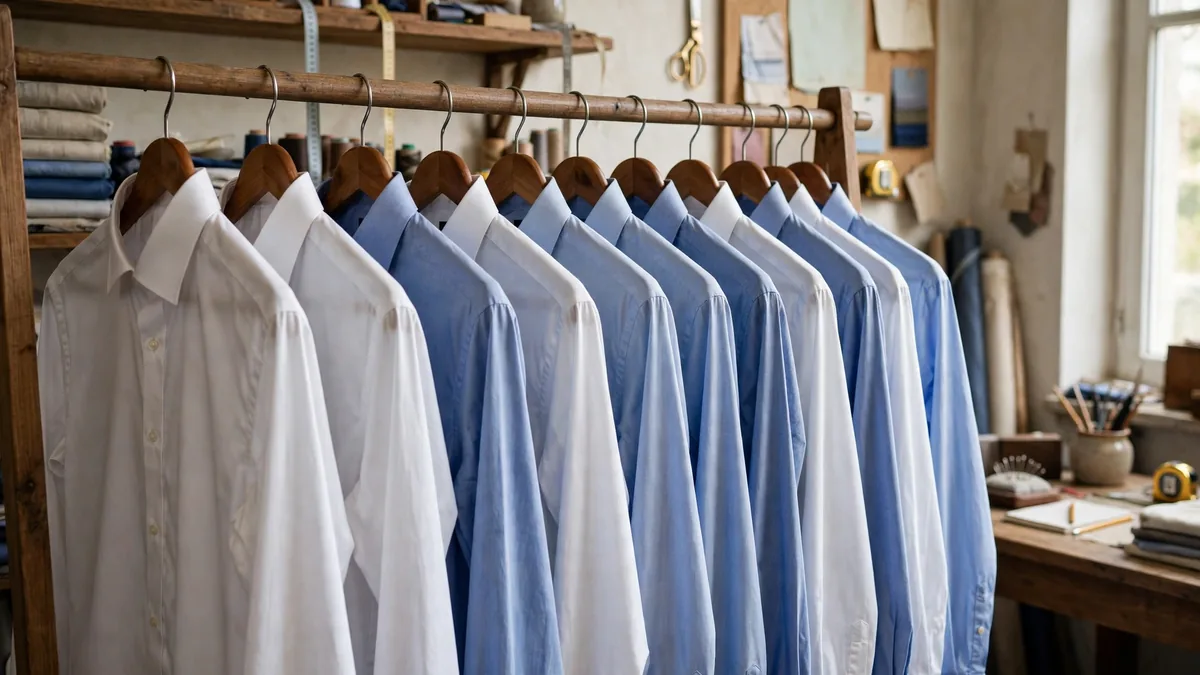
The best dress shirts for men are the ones that fit cleanly, feel comfortable all day, and still look sharp after hours in a chair. A good shirt does quiet work. It holds its collar, keeps its cuffs tidy, and lets the rest of your outfit breathe.
So which shirt should you actually buy? Start with a classic white oxford in a fit that follows your shoulders, then add a light blue poplin and a slim spread-collar style for smarter days. Those three cover most offices, weddings, and interviews, and the other picks below fill the gaps for travel, warm weather, and formal dress.
Key takeaways
- Fit matters more than fabric, so check the shoulders, chest, and sleeve length before anything else.
- A white oxford and a light blue poplin cover most smart occasions between them.
- Non-iron cotton suits busy weeks, while pure cotton usually feels softer and breathes better.
- Match the collar to the tie and the occasion, with spread collars for ties and button-downs for relaxed days.
- Buy the right size first, then tailor the sleeves or waist if the body is almost right.
How to choose the right dress shirt
Start at the shoulders. The seam should sit at the edge of your shoulder bone, not drooping down your arm and not pulling inwards. Then check the chest for a smooth line when buttoned, with no gaping and no billowing fabric.
Sleeve length is the next test. With your arms relaxed, the cuff should meet the base of your thumb and show about a centimetre under a jacket sleeve. A tailor can shorten sleeves easily, so do not reject an otherwise good shirt for a small excess.
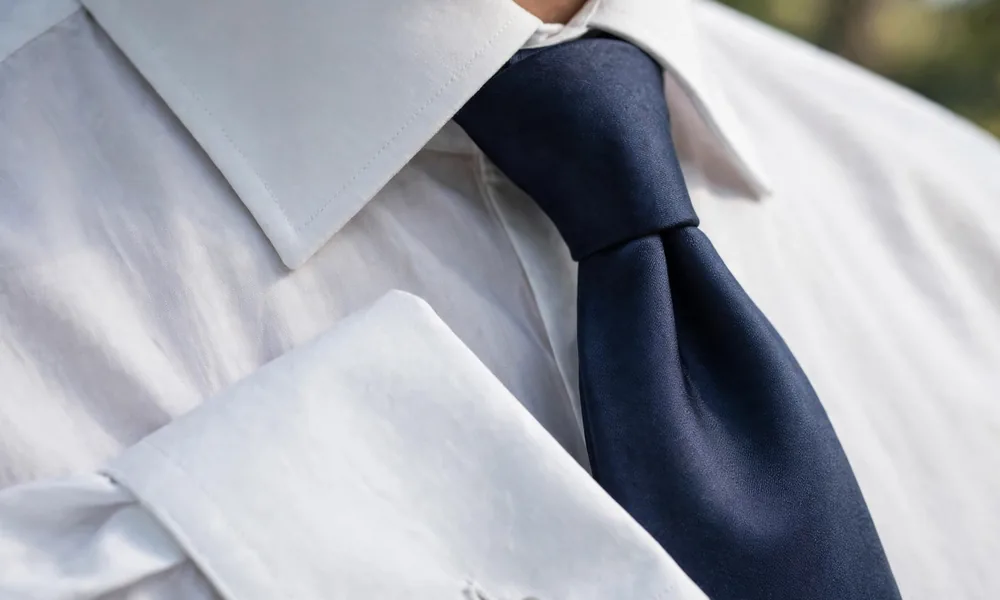
Fabric decides how the shirt feels through the day. Cotton poplin is smooth and crisp, oxford cloth has a slightly textured weave, and twill drapes with a soft sheen. Linen blends breathe well in heat but crease quickly, so they suit relaxed settings better than boardrooms.
Collar choice is simpler than it looks. A classic point collar suits most faces and most ties. A spread collar frames a wider tie knot, while a button-down collar stays neat without a tie.
Finally, think about care. Non-iron finishes save time on busy mornings, though they can feel slightly stiffer than untreated cotton. Wash shirts inside out in cool water and hang them to dry, and they will keep their shape far longer.
The 10 best dress shirt picks for men
Each pick below is a type of shirt, not a single label. Use the notes to find the version that suits your build, your routine, and the rooms you walk into most often.
1. Classic white oxford shirt
The white oxford is the anchor of a smart wardrobe. Its textured weave reads formal enough for an interview, yet it softens with a knit tie or an open collar at dinner. Look for a collar with enough structure to stand on its own.
Pair it with charcoal trousers and a navy blazer for work, or with dark denim for a smarter evening. If you buy only one shirt from this guide, make it this one.
Best for: interviews, weddings, and any day when you need to look polished without thinking about it.
2. Slim-fit spread-collar shirt
A slim-fit spread collar gives a tailored silhouette without feeling tight. The wider spread frames a tie knot nicely and opens the neckline without one. It works best when the shoulders fit first.
Choose a smooth poplin or fine twill for a clean drape. Check that you can sit comfortably without the buttons straining. This is the shirt to reach for when the occasion calls for a tie and a jacket.
Best for: formal office days, presentations, and occasions where a tie is expected.
3. Non-iron cotton poplin shirt
Non-iron poplin is built for mornings when time is short. The fabric resists creasing through a commute, a long meeting, and a late lunch. Modern finishes are far softer than the stiff versions of years ago.
It is a sensible choice for travel and for anyone who dislikes ironing. Wash it promptly and hang it straight from the machine. White and light blue are the most useful colours.
Best for: busy workweeks, travel, and anyone who wants a sharp shirt with minimal upkeep.
4. Light blue poplin shirt
Light blue is the most forgiving dress-shirt colour after white. It softens the face, pairs with grey, navy, and brown tailoring, and works with patterned ties that would fight a white shirt.
Wear it with a navy suit for a classic office look, or with stone chinos for a relaxed Friday. Keep the collar crisp, because a soft blue shirt with a limp collar loses its polish quickly.
Best for: everyday office wear and smart-casual days when white feels too stark.
5. Twill shirt with a soft sheen
Twill has a diagonal weave that gives the fabric a gentle sheen and a smooth drape. It feels slightly heavier than poplin, which helps it hang well and resist creasing.
A twill shirt in white or pale blue looks refined under a dark suit. Avoid very shiny twills for daytime work, since they can look dressy in bright light.
Best for: evening events, cooler weather, and occasions when you want a touch of polish.
6. Button-down oxford shirt
The button-down oxford is the relaxed cousin of the classic dress shirt. Its collar buttons keep everything in place, so it looks tidy without a tie. The oxford weave adds texture and a lived-in charm.
It pairs naturally with chinos, a blazer, or a jumper, and with best denim jeans for men on smarter casual days. Choose a classic fit, since the style is meant to feel easy.
Best for: smart-casual days, relaxed offices, and weekends that still call for a collar.
7. Linen-blend shirt for warm weather
A linen blend brings airflow that cotton alone cannot match. Pure linen creases fast, so a blend with cotton holds its shape better while keeping the cool, dry feel.
Wear it untucked with linen trousers on holiday, or tucked into chinos with loafers for a summer lunch. Accept a few creases as character, and the shirt will look intentional rather than rumpled.
Best for: hot days, holidays, and outdoor summer occasions.
8. Formal white shirt with French cuffs
A formal white shirt with French cuffs is reserved for the smartest occasions. The double cuff, fastened with cufflinks, adds weight and ceremony to a dinner suit. Look for a fine cotton with a smooth finish.
Keep the rest of the outfit simple so the shirt can do its work. A plain front is the most versatile choice, while a pleated front suits black tie.
Best for: black tie, formal dinners, and weddings with a strict dress code.
9. Checked or striped dress shirt
A subtle check or stripe adds personality without shouting. Fine stripes lengthen the torso visually, while a small check reads smart under a solid suit. Keep the pattern scale modest.
Pair a striped shirt with a solid tie and a plain suit, or wear a checked shirt on its own with a blazer. This pick is useful when plain shirts start to feel repetitive.
Best for: adding variety to a work wardrobe without breaking office dress codes.
10. Stretch-cotton comfort shirt
Stretch cotton adds a small amount of elastane to the weave, giving the shirt movement when you sit, reach, or drive. It is a practical choice for long days, since it follows the body rather than fighting it.
Check that the stretch does not make the shirt cling when you sit, and choose a tailored fit with a little ease at the chest. A tidy finish pairs well with the best beard trimmer for a clean overall look.
Best for: long office days, commuting, and anyone who wants extra ease of movement.
Best dress shirts for men at a glance
Use this table to compare the ten picks quickly. Fabric, fit, and occasion are the three things that matter most, so start there and narrow down by collar. It also shows which shirts travel well and which suit formal evenings.
| Shirt type | Fabric | Fit | Best for |
|---|---|---|---|
| Classic white oxford | Oxford cotton | Classic | Interviews and weddings |
| Slim-fit spread collar | Poplin or twill | Slim | Formal office days |
| Non-iron poplin | Non-iron cotton | Classic or slim | Busy weeks and travel |
| Light blue poplin | Poplin cotton | Classic | Everyday office wear |
| Twill shirt | Cotton twill | Classic | Evenings and cooler weather |
| Button-down oxford | Oxford cotton | Classic | Smart-casual days |
| Linen-blend shirt | Linen and cotton | Relaxed | Hot days and holidays |
| Formal French-cuff shirt | Fine cotton | Classic | Black tie and formal dinners |
| Checked or striped shirt | Poplin cotton | Classic or slim | Adding variety at work |
| Stretch-cotton shirt | Cotton with stretch | Tailored | Long days and commuting |
Before you buy: a quick checklist
Run through this list in the shop or before you confirm an order. It takes two minutes and saves a return.
- Shoulders sit at the edge of your shoulder bone, with no droop or pull.
- Chest lies smooth when buttoned, with no gaping and no excess fabric.
- Sleeves reach the base of your thumb and show a little cuff under a jacket.
- Collar closes comfortably with room for two fingers at the neck.
- Fabric feels right for the season, with poplin for most days and linen blends for heat.
- Collar style matches how you will wear it, with or without a tie.
- Colour works with the suits and trousers you already own.
- Care instructions fit your routine, especially if you want to avoid ironing.
Frequently asked questions
How many dress shirts does a man need?
Three good shirts cover most needs: one white, one light blue, and one with a subtle pattern or a different collar. Add a non-iron shirt for busy weeks and a linen blend for summer.
Should a dress shirt be tucked in?
Yes, for formal and office wear, a dress shirt should be tucked in. A button-down oxford or linen shirt can be worn untucked in relaxed settings, provided the hem is straight. When in doubt, tuck it in.
What is the difference between slim fit and tailored fit?
Slim fit is cut closer through the chest and waist, with narrower sleeves, while tailored fit follows the body with a little more ease. Slim suits leaner builds, whereas tailored fit suits most men. Try both in your usual size before deciding.
Can you wear a dress shirt without a tie?
Yes, and most modern offices expect it. Undo the top button, keep the collar neat, and choose a spread or button-down collar for the best shape. Finish the look with a blazer, and consider a light scent from the best cologne for men guide for evening occasions.
How should you wash a dress shirt?
Wash dress shirts in cool water on a gentle cycle, with the buttons fastened and the shirt turned inside out. Hang them to dry, smooth the collar and cuffs by hand, and press lightly if needed.
Final thoughts
The right dress shirt is not the most expensive one, or the one with the loudest label. It is the one that fits your shoulders, suits your week, and still looks good at the end of a long day. Start with white and light blue, add a style for travel and one for heat, and build from there.
Try shirts on with the trousers and jacket you will actually wear them with, and give yourself time to sit, walk, and reach in them. A shirt that passes those small tests will serve you far better than one that only looks right on a hanger. That small check is worth more than any label.