


What if the worst part of your workday could quietly disappear? No traffic jams, no packed trains, no hunting for a parking spot. For a growing number of riders, an electric bike turns the daily slog into the best twenty minutes of the day. The catch is that the market is crowded, prices swing wildly, and specs on paper rarely tell the whole story.
This roundup cuts through the noise. Below are eight named models that testers have actually ridden, each matched to a type of commuter, with honest limitations and prices only where they have been published. If you want a shortlist rather than a lecture, start here.
The Shortlist at a Glance
| Model | Best for | Standout spec | Watch out for | Listed price |
|---|---|---|---|---|
| Engwe Zip | Train-plus-bike commuters | 19.4 kg, folding | Small wheels on rough roads | £999 |
| Ride1Up TrailRush | Mixed commutes with trail detours | Brose mid-drive, 120 mm fork | Overkill for pure city riding | Not stated |
| Juiced Scrambler | Riders who want moped-style fun | 750W rear hub, 28 mph | Heavy and attention-grabbing | Not stated |
| DYU King 750 | Budget buyers wanting range | 26×4 tires, up to 80 miles claimed | Very basic component set | $899 |
| HiKnight H2 Pro | Off-road-leaning commuters | Dual 1000W motors, 38 mph | Power far beyond legal limits in many places | $919 |
| Ebco Urban 3R | Everyday urban riders | Mid-drive motor, commuting accessories | Modest power output | Not stated |
| Cairn BRAVe 2.0 | One-bike-does-all buyers | Flat bar, gravel-ready | Jack-of-all-trades positioning | Not stated |
| Tern Quick Haul Long | Cargo and family errands | Long-tail cargo layout | Bulkier than a standard commuter | Not stated |
Engwe Zip: The Folding Option for Multimodal Commutes
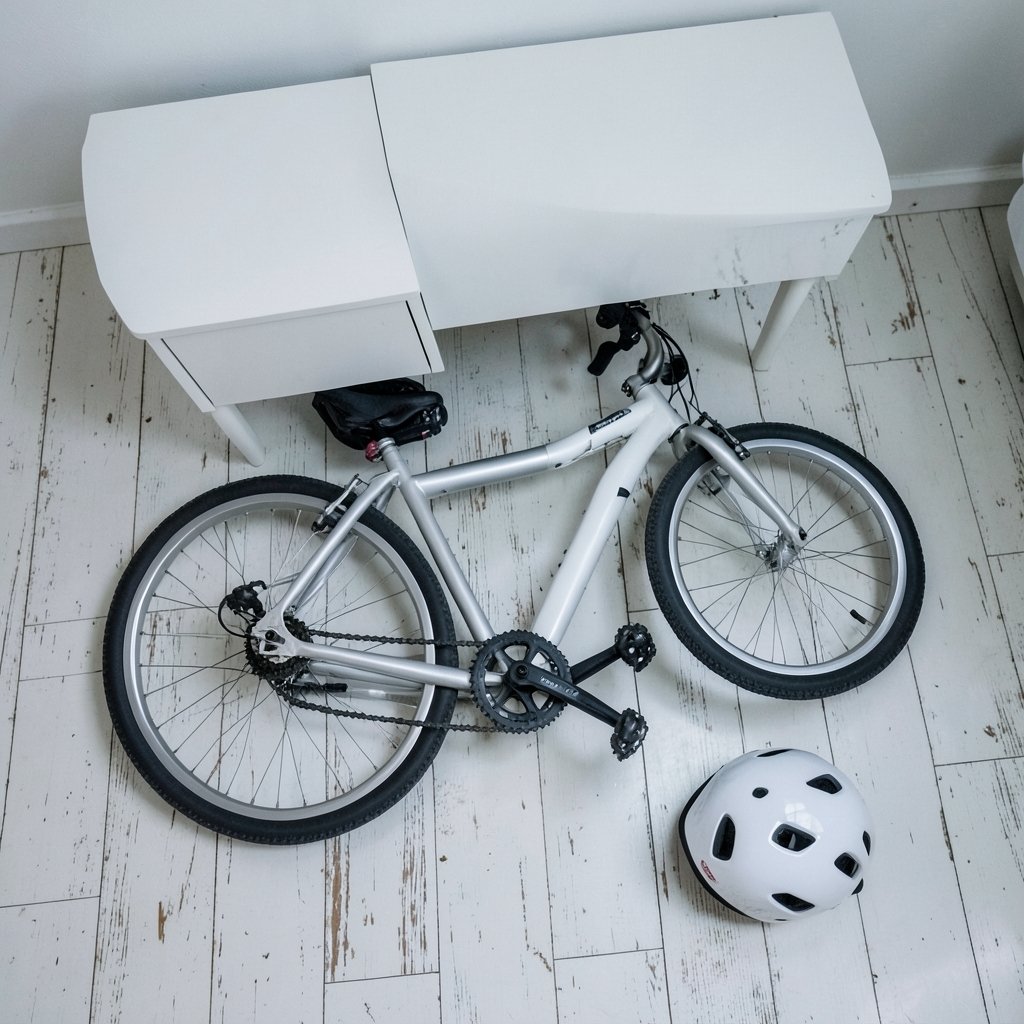
For city dwellers juggling a train ride, a desk, and a small apartment, a folding e-bike solves problems nothing else can. The Engwe Zip weighs 19.4 kg and folds down to tuck under a desk or onto a carriage, which is exactly the use case folding commuters care about most.
What it does well: it blends power with practicality and lets riders zip through traffic, then collapse the bike when the ride ends. The limitation is inherent to the format. Small wheels and a hinge point mean rougher pavement feels rougher, and 19.4 kg is still a lift, not a carry. At £999, it sits in the affordable band for folding e-bikes. If a folding frame is your priority, this is the one to shortlist first.
Ride1Up TrailRush: A Budget Entry Into Real Mountain Hardware
Most budget e-bikes cut corners on suspension and brakes. The Ride1Up TrailRush does not. It pairs a German-made Brose motor with whisper-quiet performance, a dropper seat post, Maxxis Minion tires, Tektro Orion quad-piston hydraulic disc brakes, and a 120 mm Rockshox Judy Silver TK Air Fork.
Testers who rode it came away surprised at how good it felt from a company better known for commuter and street bikes. That makes it a strong pick for riders whose commute can detour onto gravel or singletrack. The limitation: this is a mountain bike first. If your route is pure asphalt and bike lanes, you are paying for travel and tires you will never use. It is also the most involved assembly of the group, with the front stem and fork arriving detached from the main frame, so budget an evening or a shop visit.
Juiced Scrambler: Moped Style With Street-Legal Manners
The Juiced Scrambler looks like a small motorcycle and rides like one, minus the license plate. A 750W continuous-rated rear hub motor pushes it to 28 mph (45 km/h), and its designer, a seasoned competitive bike racer, shaped it for real-world riding rather than showroom appeal.
It suits commuters who want presence in traffic and a throttle-friendly, sit-up ride. The limitation is weight and visibility: moped-style frames are heavy, and a bike this distinctive draws attention, which is not always what you want locked outside an office. A full-suspension version exists for riders who want wilder capability, but the standard model covers most commuting needs.
DYU King 750: Maximum Range for Minimum Money
At $899, the DYU King 750 is the value play of this list. Its 750W motor climbs slopes up to 15 degrees and carries around 330 lb, while the 26×4 fat tires handle harsh terrain and rough city roads alike. Claimed range reaches 80 miles in assist mode, or roughly 53 miles on throttle alone.
The half-twist throttle is a thoughtful safety touch that reduces accidental activation, and the sturdy rear rack handles grocery runs or a work bag. The limitation is refinement. At this price you get a heavy, fat-tire package with basic components, and the bike is happiest on flat, forgiving surfaces. It is a superb second bike or a first toe in the water, not a precision commuter.
HiKnight H2 Pro: Dual Motors for Riders Who Leave the Pavement
The HiKnight H2 Pro at $919 packs dual 1000W motors and a 38 mph top speed, with fat tires and front suspension for multi-terrain duty. For a commuter whose route includes gravel paths, fire roads, or steep unpaved shortcuts, that combination is genuinely useful.
Here is the honest limitation, and it matters: in many jurisdictions, 38 mph and dual 1000W motors exceed what counts as a legal e-bike. Riders should check local rules before buying, because a bike that is fun off-grid can be a liability on a public road. Treat this as an off-road-capable machine that can commute, not the reverse.
Ebco Urban 3R: The Sensible City Workhorse
Some riders do not want drama. They want lights, mudguards, a rack, and a motor that helps without shouting. The Ebco Urban 3R is described as a good-value urban flat bar e-bike with a mid-drive motor and commuting-ready accessories, which is precisely the specification that makes a bike easy to live with daily.
A mid-mounted motor keeps weight low and central, which improves stability, and it works with the bike’s gears rather than against them. The limitation is modest power. If your commute includes long, steep climbs or heavy loads, a torquier setup will serve you better. For flat city routes, though, this is the quiet achiever of the list. Riders cross-shopping city cars should note that the same logic of matching vehicle to route applies; the best electric cars for 2026 follow similar rules about range versus real need.
Cairn BRAVe 2.0: One Bike for Commute, Gravel, and Bikepacking
The Cairn BRAVe 2.0 is billed as an incredibly versatile flat bar e-gravel, rigid mountain, commuter, or bikepacker bike. That is a lot of job titles, but the underlying idea is sound: a rigid frame, flat bars, and wide tire clearance cover more ground than a dedicated road or mountain setup.
It suits the rider who wants a single bike for the Monday-to-Friday grind and weekend adventures. The limitation is that versatility always involves compromise. A rigid fork is efficient but less comfortable on broken surfaces, and a do-everything geometry will not match a specialist bike in any single discipline. If you can only own one e-bike and your riding is varied, this is a smart pick.
Tern Quick Haul Long: Cargo Capability Without the Cargo-Bike Price
The Tern Quick Haul Long is described as enough cargo bike for most uses, at a much lower price than full-size cargo machines. For commuters who drop kids at school, haul weekly shopping, or carry tools, a long-tail layout changes what a bike can replace.
What it does well is load lugging with a compact footprint compared with dedicated cargo bikes. The limitation is bulk. It is longer and heavier than a standard commuter, so storage and tight bike sheds need checking before you buy. For families replacing a second car, though, the math often works.
How to Choose Without Overpaying
Once you have a shortlist, the decision comes down to a handful of practical checks. Testers and reviewers consistently point to the same factors.
- Match motor torque to your terrain. A motor with around 40 Nm to 50 Nm of torque suits flatter routes and reasonably fit riders. Steeper hills or heavy loads call for more, and some motors reach 80 Nm or beyond.
- Check the frame material. Most commuter e-bikes use aluminium because it is fairly cheap, very durable, and resistant to corrosion. Steel is tough but relatively heavy and can rust.
- Prefer a mid-drive for stability. A mid-mounted motor keeps the bike more stable and works with the drivetrain rather than overriding it.
- Compare watt-hours, not volts alone. Battery capacity is usually measured in amp-hours or watt-hours, and watt-hours tell you more about real range. A 720 Wh pack, for example, is a large battery for a commuter.
- Confirm local speed and power limits. A 250W assisted limit applies in the UK and much of Europe, while US rules differ. Buying a bike you cannot legally ride is an expensive mistake.
- Budget for assembly and servicing. Some direct-to-consumer bikes arrive partly disassembled. Factor in a shop tune-up.
The same discipline applies beyond bikes. Buying the right electric kettle for your kitchen or the best electric toothbrush without wasting money rewards the same habit: decide what you actually need, then pay for that and nothing else.
Where Lightweight Fits In
Not every commuter wants a 28 kg machine. A growing corner of the market focuses on lighter builds that still deliver real assistance. The Talaria MX4 shows how a lightweight electric dirt bike gets it right, and the lesson transfers: less weight means easier carrying, better handling, and more range per watt-hour. If you climb stairs or lift your bike onto a rack, weight deserves a place on your shortlist alongside motor power.
Conclusion
The best electric bike for commuting is the one that matches your route, your storage, and your budget, not the one with the biggest motor on the spec sheet. Folding riders should start with the Engwe Zip, flat-city commuters with the Ebco Urban 3R, and mixed-terrain riders with the Cairn BRAVe 2.0 or Ride1Up TrailRush. Cargo carriers get the Tern Quick Haul Long, while budget buyers can weigh the DYU King 750 against the HiKnight H2 Pro, with local legality checked first. Pick two from this list, ride both, and let the commute decide.
Frequently Asked Questions
What is the best electric bike for commuting overall?
There is no single winner, because commutes differ. For flat city routes, a mid-drive flat bar bike like the Ebco Urban 3R is the easiest to live with. For mixed surfaces, the Cairn BRAVe 2.0 or Ride1Up TrailRush covers more ground.
How much should a commuter e-bike cost?
Published prices in this roundup range from $899 for the DYU King 750 to £999 for the Engwe Zip, with several models priced on request. Import tariffs on Chinese-manufactured bikes and components have pushed entry-level prices up, so read the fine print on suspiciously cheap listings.
How much motor power do I need for a hilly commute?
Around 40 Nm to 50 Nm of torque is fine for flatter routes and reasonably fit riders. Steeper hills or heavy loads need more, and some motors reach 80 Nm or beyond. Check the assisted speed limit where you live before buying.
Is a folding e-bike good for commuting?
Yes, if you combine a bike with public transport or have limited storage. The Engwe Zip weighs 19.4 kg and folds to fit under a desk or on a train. Expect a firmer ride on rough pavement because of the smaller wheels.
What battery capacity should I look for?
Battery capacity is usually given in amp-hours or watt-hours. Watt-hours give the clearer picture of range. A 720 Wh pack is large for a commuter, while a 504 Wh pack suits shorter routes of roughly 30 to 50 miles with assistance.
Do I need a mid-drive or hub motor?
A mid-mounted motor tends to keep the bike most stable and works with the gears, which helps on hills. Hub motors are common on budget and throttle-style bikes like the Juiced Scrambler and DYU King 750, and they deliver strong acceleration at lower cost.











