

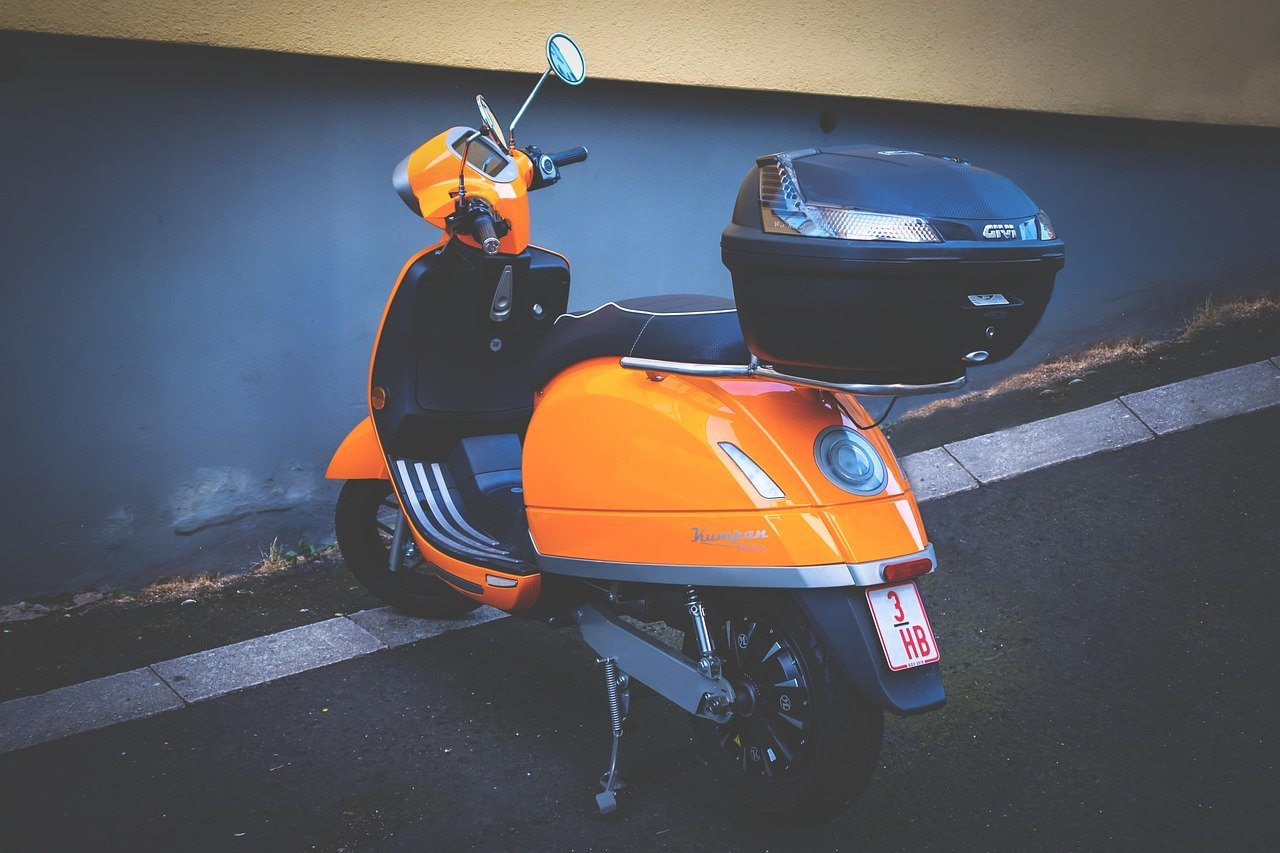

Quick Answer: How far can an electric scooter travel?
Most electric scooters travel between 10 and 25 miles (16 to 40 km) on a single charge, while long-range models can push past 60 miles (about 100 km). The distance you actually get depends far more on how you ride than on the number printed on the box. A commuter scooter rated at 15.5 miles may deliver closer to 10 miles on a windy day with a heavy rider and a few hills.
Manufacturers measure range under controlled conditions: a moderate rider weight, flat ground, steady speed, and mild temperatures. Your daily route rarely matches those conditions, which is why claimed and real-world range differ so much.
Before buying or planning a trip, compare battery capacity (Wh), motor power, claimed range, rider weight limits, tire size, and whether the scooter supports a second battery or fast charging.
Why the Range on the Box Rarely Matches Your Ride

Shoppers tend to treat the range figure like a promise. It is closer to a best-case scenario. Manufacturers publish the distance a scooter can travel on one charge under specific test conditions, and those conditions usually favor range: a lighter rider, flat pavement, a steady cruising speed, and comfortable weather.
Two brands can test differently, so a 25-mile claim from one company is not directly comparable to a 25-mile claim from another unless the test method matches. That is one reason to read any range figure as a rough guide rather than a guarantee.
The gap shows up in owner reports too. One rider of a long-range commuter model noted that a typical six-mile round trip to town and back used roughly a quarter of the battery, with hill slope making a noticeable difference. That kind of field report is more useful than a spec sheet when you are estimating your own commute.
The practical move is simple: take the claimed range, cut it by 30 to 40 percent, and ask whether the result still covers your daily trip with a comfortable buffer. If it does not, you are looking at the wrong scooter or the wrong battery size.
What Actually Decides How Far You Go
Battery capacity and motor efficiency
Battery capacity, measured in watt-hours (Wh), sets the ceiling on range. A scooter with an 800 Wh battery can cover up to 30 km (about 18.6 miles) on a single charge, which suits daily city commuting. Step up to a 4.5 kWh (62 Ah) removable lithium-ion pack on a high-performance seated model, and the claimed range jumps to 120 km (about 75 miles). The pattern holds across the market: more energy stored means more distance, provided the motor uses it efficiently.
Rider weight and cargo
Every extra kilogram costs range. A heavier rider, a loaded backpack, or a bag of groceries forces the motor to work harder on acceleration and climbs. If you are near the top of a scooter’s weight limit, expect to land at the low end of its range window.
Terrain and hills
Flat bike paths are the friendliest surface. Hills drain the battery quickly because the motor has to fight gravity, and the effect compounds on repeated climbs. Stop-and-go city traffic with frequent acceleration is similarly punishing compared with steady cruising.
Speed and riding style
Range claims are usually measured at a moderate, steady speed. Riding at full throttle the entire time will shorten your distance noticeably. Smooth acceleration, steady cruising, and coasting where safe all stretch a charge.
Temperature
Cold weather reduces battery performance. A pack that delivers a comfortable range in summer may fall short in winter, so plan extra margin for cold-weather riding.
Tires and maintenance
Underinflated tires increase rolling resistance, and a dragging brake or worn bearings waste energy. Checking tire pressure weekly is one of the cheapest range upgrades available.
Real Numbers: What Different Scooter Classes Deliver
Range varies enormously by category. Here is how the classes compare based on published specifications:
| Scooter class | Example spec | Claimed range | Typical real-world use |
|---|---|---|---|
| Lightweight commuter | 250W motor (500W peak), 15 mph top speed | Up to 15.5 miles (25 km) | Short urban hops, last-mile transit |
| Mid-range commuter with seat | 450W motor, 18.6 mph top speed | Up to 25 miles (40 km) | Daily commuting, errands |
| Long-range commuter | Tested at a velodrome in summer conditions | Up to 62.4 km (about 39 miles) | Longer commutes, weekend rides |
| High-performance seated | 5,500W motor, 4.5 kWh battery | Up to 120 km (about 75 miles) | Extended city rides, hills |
| Fast long-range model | 60 km/h top speed | 90 to 100 km (56 to 62 miles) | Long commutes, extended city riding |
A few takeaways from that table. The lightweight class is genuinely fine for short trips but will frustrate anyone with a 12-mile commute. The mid-range tier, around 25 miles claimed, covers most urban journeys once you apply a real-world discount. And the long-range tier, whether a tested 62.4 km or a 120 km flagship, exists for riders who genuinely need distance, not for people who just like big numbers.
If you are weighing a high-performance model against a practical commuter, it helps to read up on what Kaabo Warrior King GT Pro electric scooter buyers should know before committing, since power and range trade off against weight and price.
How to Estimate Range for Your Own Commute
- Measure your actual one-way distance, including detours and the route you will really take, not the shortest path on a map.
- Add up your body weight plus everything you carry, then check it against the scooter’s rated load.
- Note the hills and stop-and-go sections on your route, and count how many climbs you face each way.
- Take the claimed range and reduce it by 30 to 40 percent for real-world conditions.
- Compare that adjusted figure with your round-trip distance plus a buffer of at least 20 percent.
- If the numbers are close, consider a model with a larger battery or a removable pack you can swap.
The most common mistake is buying exactly enough range for the commute with zero margin. Batteries age, cold days happen, and detours appear. A scooter that barely covers your trip when new will leave you stranded in a year. The second most common mistake is overbuying: a 75-mile flagship ridden on a three-mile commute is heavy, expensive, and awkward to store.
Practical Habits That Add Miles to Every Charge
Range is not fixed. Small habits compound over a week of riding.
Start with tire pressure. Check it weekly and inflate to the manufacturer’s recommendation. Soft tires are a silent range killer.
Ride smoothly. Accelerate gradually rather than pinning the throttle from every stop, and hold a steady cruising speed where traffic allows. Many scooters have an eco or limited-speed mode that meaningfully extends distance.
Manage weight. Carry only what you need, and use a backpack rather than hanging bags from the handlebars, which can affect balance and handling.
Plan for temperature. In cold weather, store the scooter indoors before riding and accept that the battery will deliver less. Do not charge a battery that is freezing cold; let it reach room temperature first.
Charge smart. Avoid leaving the pack at zero percent for long periods, and follow the manufacturer’s guidance on full versus partial charging. Battery health directly affects how far the scooter travels over its lifetime.
Choose the right tool for the trip. For a short errand, a lightweight folder is more efficient than a heavy performance machine. Matching the scooter to the ride is the whole game, which is why it pays to choose one that fits your ride rather than chasing the biggest spec sheet.
When Range Becomes a Travel Question
For some riders, the scooter is part of a bigger trip. Folding models travel well on trains and in car trunks, and a scooter can replace taxis and rental cars in a walkable city. If you are planning a getaway and want to bring a scooter along, it is worth mapping your September travel destinations around bike-friendly streets and charging access, and packing a travel wallet that keeps cards and transit passes organized.
Range planning matters even more when the scooter is your main transport abroad. Check local rules before you ride, confirm your hotel allows charging, and remember that a scooter’s real range shrinks when you are exploring unfamiliar terrain with a full daypack.
Matching Range to the Way You Actually Move
The same logic applies beyond scooters. Anyone comparing electric vehicles quickly learns that claimed figures and real-world figures diverge. A Mercedes electric car buyer asks the same questions a scooter buyer does: how far on a charge, how fast does it recharge, and what drains the battery fastest. The answers follow the same rules about weight, speed, terrain, and temperature.
The pattern repeats across product categories too. Just as you would choose a kettle based on how much water you actually boil rather than the maximum capacity, you should choose a scooter based on your real commute distance rather than the biggest number available. And if you are cross-shopping vehicles, a guide to the Honda SUV lineup shows the same principle at work: the right choice depends on daily use, not on headline specs.
Conclusion
How far an electric scooter can travel comes down to two numbers: the energy in its battery and the conditions you ride in. Lightweight commuters manage around 15 miles, mid-range models reach roughly 25 miles, and long-range machines can exceed 60 miles. But every one of those figures assumes favorable conditions. Apply a 30 to 40 percent discount for real life, add a buffer for cold days and battery aging, and you will have a realistic picture of what your scooter can do.
The riders who get the most from their scooters are not the ones with the biggest batteries. They are the ones who check tire pressure, ride smoothly, plan around hills and weather, and buy a scooter sized to their actual trips. Do that, and the range question stops being a source of anxiety and becomes a simple planning tool.
Frequently Asked Questions
How far can an electric scooter go on one charge in real life?
Expect roughly 60 to 70 percent of the claimed range in normal riding. A scooter rated at 25 miles will typically deliver 15 to 18 miles with a moderate rider, some hills, and mixed speeds. Cold weather, heavy cargo, and aggressive acceleration push you toward the lower end.
Does rider weight really change how far a scooter travels?
Yes, noticeably. The motor works harder to accelerate and climb with more mass on board, so a heavier rider plus a loaded backpack will land near the bottom of the range window. Check the scooter’s rated weight limit and stay comfortably under it if range matters to you.
How much does cold weather reduce scooter range?
Cold temperatures reduce battery performance, and the effect is significant enough that winter riders should plan extra margin on every trip. Store the scooter indoors before riding, let a cold battery reach room temperature before charging, and expect shorter distances on freezing days.
Can I extend range by riding in eco mode?
Usually yes. Eco or limited-speed modes reduce top speed and smooth out acceleration, both of which conserve battery. Steady cruising at a moderate speed is far more efficient than repeated full-throttle bursts, so eco mode on a long, flat route can meaningfully stretch a charge.
How long does an electric scooter battery last before range drops?
Battery capacity declines gradually with charge cycles and age, so a scooter that covers your commute comfortably when new may feel tight after a couple of years. Following the manufacturer’s charging guidance and avoiding long periods at zero percent helps slow the decline.
Is a long-range scooter worth it for a short commute?
Often not. Long-range models carry bigger batteries, which means more weight, a higher price, and more awkward storage. If your round trip is under ten miles, a mid-range commuter with a realistic 15 to 18 miles of usable range is usually the smarter and lighter choice.











