

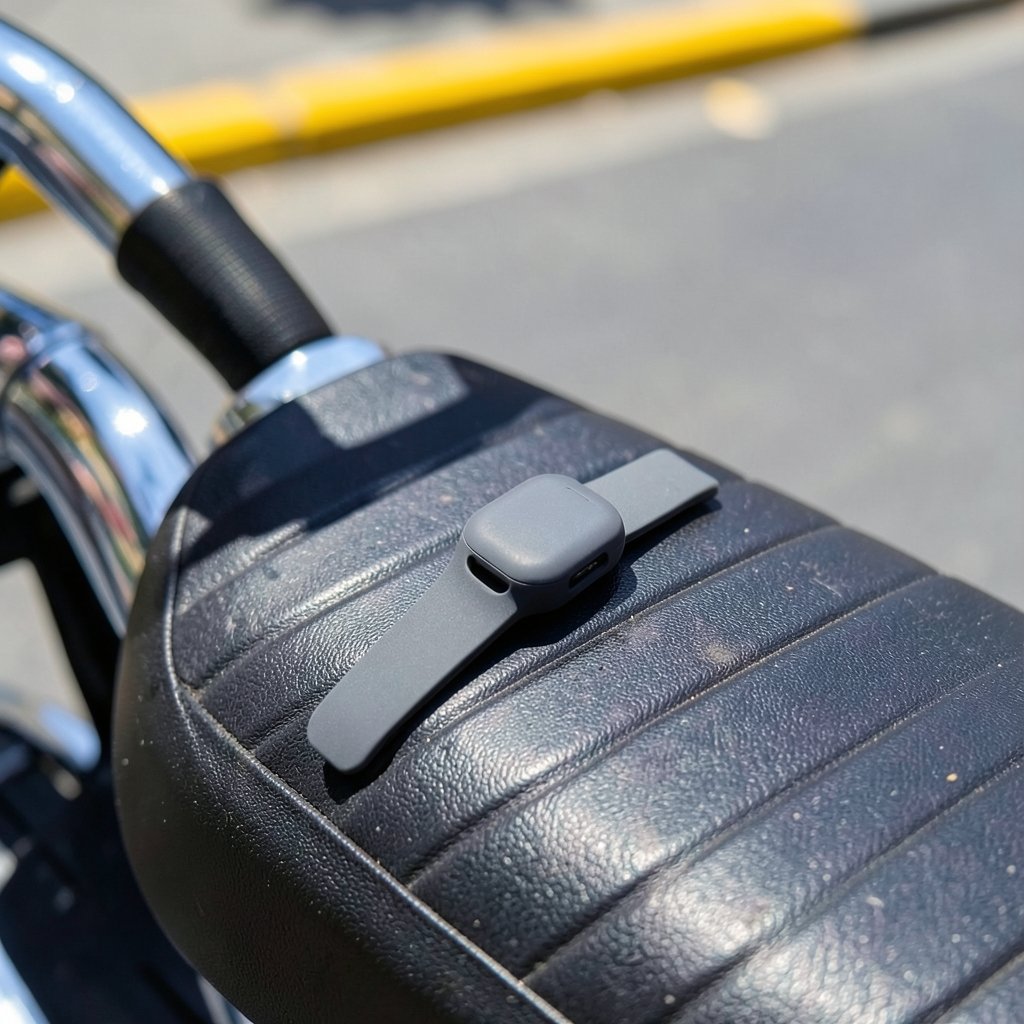
What if the best fitness tracker of 2027 is one you barely notice? No glowing screen. No app drawer. No nightly charging ritual. Just a five-gram lump of electronics clicked onto a strap, quietly logging your heart rate while you get on with your life. (8 new superyacht concepts redefining luxury 2027)
That is not a fantasy. It is the pattern running through this year’s crop of wearables. Reviewers across several markets keep landing on the same conclusion: the strongest devices have gotten better by doing less. One of the most capable running watches refuses to store music. Most new training earbuds have stopped sealing out the world entirely. And a screenless band carries nearly the same sensors as watches costing four times as much.
So which one actually belongs on your wrist? Here are six named options, what each does well, where each falls short, and who should buy it.
Quick Comparison: Best Fitness Trackers 2027
| Device | Best for | Standout strength | Main limitation | Price info from sources |
|---|---|---|---|---|
| Screenless fitness band | Minimalists, 24/7 wear | Same sensor class as pricier watches | No display, no apps, no audio | Not stated in sources |
| Fitbit Versa 4 | All-round daily tracking | Sleep stages, no subscription needed | No built-in GPS | Budget tier, $25 to $110 range |
| Amazfit Bip 6 | Budget health tracking | Accuracy and battery balance | Basic feature set | Budget tier, $25 to $110 range |
| Amazfit Active 2 | Budget fitness watch | Health metrics without paywall | Entry-level positioning | Budget tier, $25 to $110 range |
| Garmin Forerunner series | Runners and triathletes | GPS, training plans, maps on premium models | Music and payments stripped from some models | Not stated in sources |
| Xiaomi Smart Band | Everyday basics, long battery | 14 to 21 days of battery | Limited advanced analytics | Entry tier, under 500 lei |
Why 2027’s Best Trackers Do Less, Not More
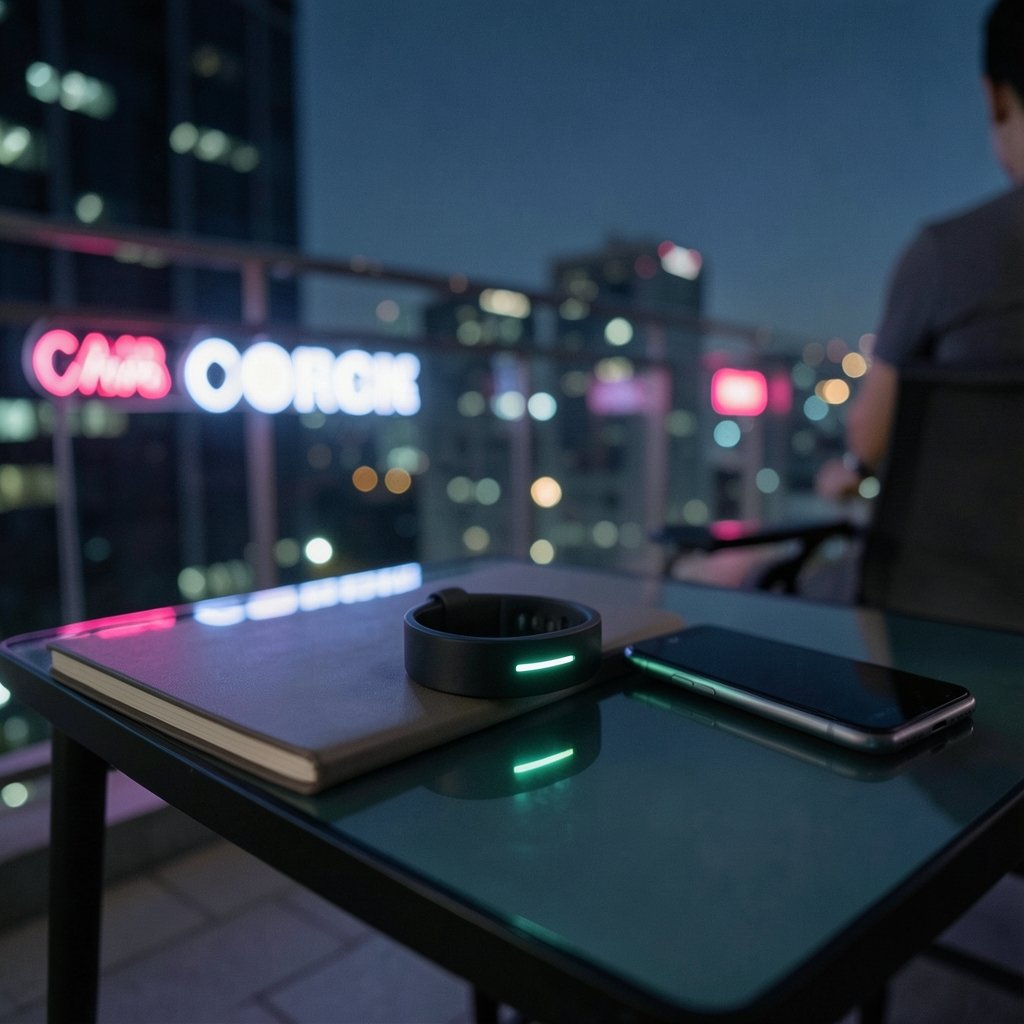
The subtraction trend is real and documented. Coverage of the year’s best sport and training products describes a field where manufacturers have deliberately removed features, and the products improved because of it. The reasoning is simple: once a device tries to be a phone on your wrist, it competes with the phone in your pocket and loses on battery, weight, and price.
Meanwhile, the case for wearables keeps strengthening. The American College of Sports Medicine’s global fitness trends forecast for 2027, published in October 2026, put wearable technology in the number one spot. The useful part is not the numbers themselves but the long-term view: spotting changes in heart rate, activity, sleep, and training intensity over months rather than days. (10 best waterfront restaurants yacht docks 2027)
There is also a form-factor shake-up underway. Smartwatches still dominate by volume, with forecasts of 159.7 million units, while smart rings are growing faster at 12.8 percent and screenless bands gain ground on price, battery life, and health focus. That is the backdrop for every pick below.
Screenless Fitness Band: The Sensor-First Pick
Who it suits: People who want continuous health data and nothing else.
This is the breakout category of the year. A five-gram device clips into a strap, shows nothing, plays nothing, and says nothing, yet carries broadly the same sensors as watches at four times the price. If your goal is a clean, uninterrupted stream of heart rate and activity data, this is the least distracting way to get it.
What it does well: All-day wearability. You forget it is there, which means you actually keep it on overnight. No screen also means no light pollution at 2 a.m. and no temptation to check notifications mid-run.
The real limitation: Zero feedback on the device itself. You must open the companion app to see anything, and there is no GPS, no audio, and no contactless payment. Anyone who wants pace readouts mid-run will hate it.
Verdict: The best choice for data purists and the wearable-averse. Skip it if you need on-wrist information in real time.
Fitbit Versa 4: The Balanced All-Rounder
Who it suits: Someone who wants solid sleep and activity tracking without paying a monthly fee.
The Versa 4 lands in the budget tier of health-focused smartwatches, which spans roughly $25 to $110 alongside the Amazfit Bip 6 and Amazfit Active 2. Importantly, none of the five trackers in one major 2027 roundup forces a subscription to see your own heart rate, sleep, or steps. That matters, because paywalled basics are the fastest way to sour people on wearables. (10 best yacht table culinary charters 2027)
What it does well: Sleep stage tracking is a genuine strength, and the device performs like dearer Fitbit models for a fraction of the price. For habit-building, that is the metric most people actually change their behavior around.
The real limitation: Heart rate accuracy is mediocre, and there is no built-in GPS. If you train in heart rate zones with precision, this is not the tool. One reviewer scored its heart rate just 2.5 out of 5, with sleep stages at 4 out of 5 and step counting at 3 out of 5.
Verdict: A sensible first tracker and a fine sleep coach. Not a training instrument.
Amazfit Bip 6: The Budget Health Tracker
Who it suits: Buyers who want sleep stages, blood oxygen, and stress data on a tight budget.
The Bip 6 sits in that same $25 to $110 band, and it earns its place by balancing accuracy, battery life, and privacy without a subscription requirement. For anyone who has been put off by the idea of renting their own health data, that combination is the whole pitch.
What it does well: It covers the health-focused basics, including sleep stages and blood oxygen readings, at a price that makes experimentation cheap. Battery life is a strong point of this tier.
The real limitation: It is entry-level by design. Expect basic step and heart rate tracking rather than the deeper analytics and recovery scoring that premium devices offer, and check the official product page for the exact sensor list before buying.
Verdict: The best value entry point for general health awareness.
Amazfit Active 2: Detailed Tracking, Small Screen
Who it suits: People who want richer health data than a band provides but refuse to pay smartwatch prices.
The Active 2 also falls in the budget tier, and reviewers highlight it as detailed health tracking at a decent price that helped build habits. That phrase, build habits, is the key. A tracker that gives you too much data too early gets abandoned by February.
What it does well: A broad health picture without a subscription wall, plus the battery endurance typical of the budget category.
The real limitation: The screen is small, there is no built-in GPS, and it has limits around water. Swimmers and open-water athletes should look elsewhere.
Verdict: A strong middle path between a bare band and a full smartwatch.
Garmin Forerunner Series: For People Who Actually Train
Who it suits: Runners, triathletes, and anyone following a structured plan.
Garmin’s Forerunner line spans the mid-range and premium tiers. Mid-range models in the 500 to 1,500 lei bracket bring integrated GPS, heart rate zone analysis, and training plans with 7 to 14 days of battery with GPS active. Premium models push into topographic maps, offline navigation, a barometric altimeter, and 40 to 60 hours of battery with GPS running.
What it does well: This is the category where the data is trustworthy enough to base decisions on. GPS, zone analysis, and structured plans are exactly what a training block needs.
The real limitation: Some of the strongest running watches in this year’s field refuse to store music and cannot pay for your coffee. If you want a do-everything wrist device, you are paying premium money for something deliberately narrower.
Verdict: The right pick if performance matters more than convenience. Overkill for casual step counting.
Xiaomi Smart Band: The Battery Champion
Who it suits: Everyday users who want the basics and hate charging cables.
Xiaomi’s activity bands have become a serious alternative to traditional smartwatches, and the reason is straightforward: small, light devices with multiple functions, excellent battery life, and a competitive price. Entry-level bands in this family deliver continuous heart rate monitoring, step counting, and notifications with 14 to 21 days of battery.
What it does well: Endurance and price. A device you charge twice a month is a device you keep wearing, and that consistency is what makes tracking useful at all.
The real limitation: The analytics stay basic. You get the numbers, not the coaching, and advanced metrics live in higher tiers.
Verdict: The easiest recommendation for a first tracker or a gift.
How to Choose Your Fitness Tracker in 2027
Start with the question of what you will actually look at, not what the spec sheet lists. A few practical rules separate a tracker you keep from one that ends up in a drawer.
- Decide on screen or no screen. If you want pace and heart rate mid-run, you need a display. If you want effortless overnight wear, screenless wins.
- Check the subscription terms before buying. Several 2027 trackers let you see heart rate, sleep, and steps for free. Confirm what sits behind a paywall for the specific model.
- Match GPS to your sport. Built-in GPS is essential for runners and cyclists and largely irrelevant for desk-based step counting.
- Look at battery in real terms. Seven to 14 days with GPS active is the mid-range norm; 40 to 60 hours with GPS is the premium endurance figure.
- Be honest about water. If you swim, check the water limits before you commit, because some budget models are restricted there.
- Buy for the metric you will change. Sleep stages, resting heart rate, or training load. Pick one and let it drive the decision.
The most common mistake is buying the most feature-packed device you can afford. The second most common is assuming accuracy is uniform across a brand. It is not: heart rate can be excellent on one model and mediocre on another from the same maker.
Conclusion
The best fitness tracker for 2027 depends on how much you want your wrist to talk to you. If the answer is not at all, a screenless band delivers the same sensor class as watches at four times the price. If you want a balanced daily companion, the Fitbit Versa 4 and the Amazfit pair cover the budget tier well, with the Versa 4 leading on sleep and the Amazfit models leading on value. If you train seriously, the Garmin Forerunner line is the only one here built for structured performance. And if you simply want something cheap, light, and charged twice a month, the Xiaomi Smart Band is hard to argue with.
The unifying lesson from this year’s reviews is that restraint is a feature. Buy the device that tracks the one thing you will act on, wear it consistently, and ignore the rest.
Frequently Asked Questions
Do fitness trackers in 2027 require a subscription?
Not in the models covered here. None of the five trackers in a major 2027 roundup makes you pay to see your own heart rate, sleep, or steps. Some devices sell an optional premium tier with extra analysis, but the core health data stays free. Always confirm the terms for the exact model you are considering.
Is a screenless fitness band as accurate as a smartwatch?
Broadly yes, for the basics. A screenless band of roughly five grams carries largely the same sensors as watches costing four times as much. What you lose is feedback, not sensing. You will not see your pace mid-run, and you will not get GPS or audio.
Which tracker is best for sleep tracking?
The Fitbit Versa 4 is the strongest sleep-focused pick in the budget tier, with sleep stage tracking rated 4 out of 5 by one reviewer. Its heart rate accuracy is weaker at 2.5 out of 5, so treat it as a sleep and habit device rather than a training tool.
Do I need built-in GPS?
Only if you run, cycle, or hike outdoors and want distance and pace without carrying your phone. The Fitbit Versa 4 and Amazfit Active 2 lack built-in GPS. Mid-range and premium Garmin Forerunner models include it, with 7 to 14 days of battery in the mid-range and 40 to 60 hours with GPS active at the premium end.
What is the best budget fitness tracker?
The Amazfit Bip 6, Amazfit Active 2, and Fitbit Versa 4 all sit in the $25 to $110 budget tier and balance accuracy, battery life, and privacy without forcing a subscription. The Xiaomi Smart Band family is the other strong option, with 14 to 21 days of battery on entry-level models.
How long does a fitness tracker battery last?
It depends on the tier. Entry-level bands run 14 to 21 days. Mid-range GPS watches manage 7 to 14 days with GPS active. Premium multisport watches drop to 40 to 60 hours with GPS running. Screenless bands lean toward long endurance because there is no display to power.











