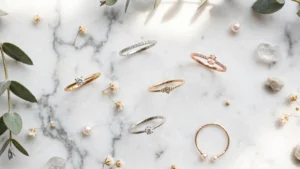
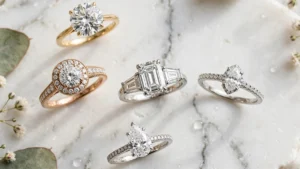
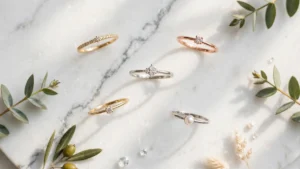
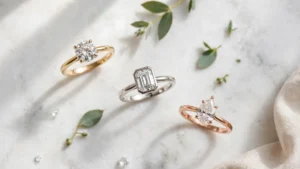
A lab-grown diamond is a real diamond. It has the same crystal structure, the same hardness and the same sparkle as a mined diamond, because it is made of the same material: carbon, arranged the same way. The difference is where it grew. One formed deep underground over millions of years; the other was grown in a laboratory over weeks, using high pressure and high temperature or a vapour process that deposits carbon layer by layer. To the eye, even to a trained eye without specialist equipment, they are the same stone.
That sameness is what makes lab-grown diamonds the most interesting choice in engagement rings in 2027. For the same budget, a lab-grown stone buys a noticeably larger diamond, a higher colour grade, or a cleaner clarity grade than a mined stone. For a buyer who cares more about the ring on the hand than the origin story of the stone, that is a real advantage. It is also the reason prices have fallen sharply in recent years, and why the resale market for lab-grown diamonds is weak.
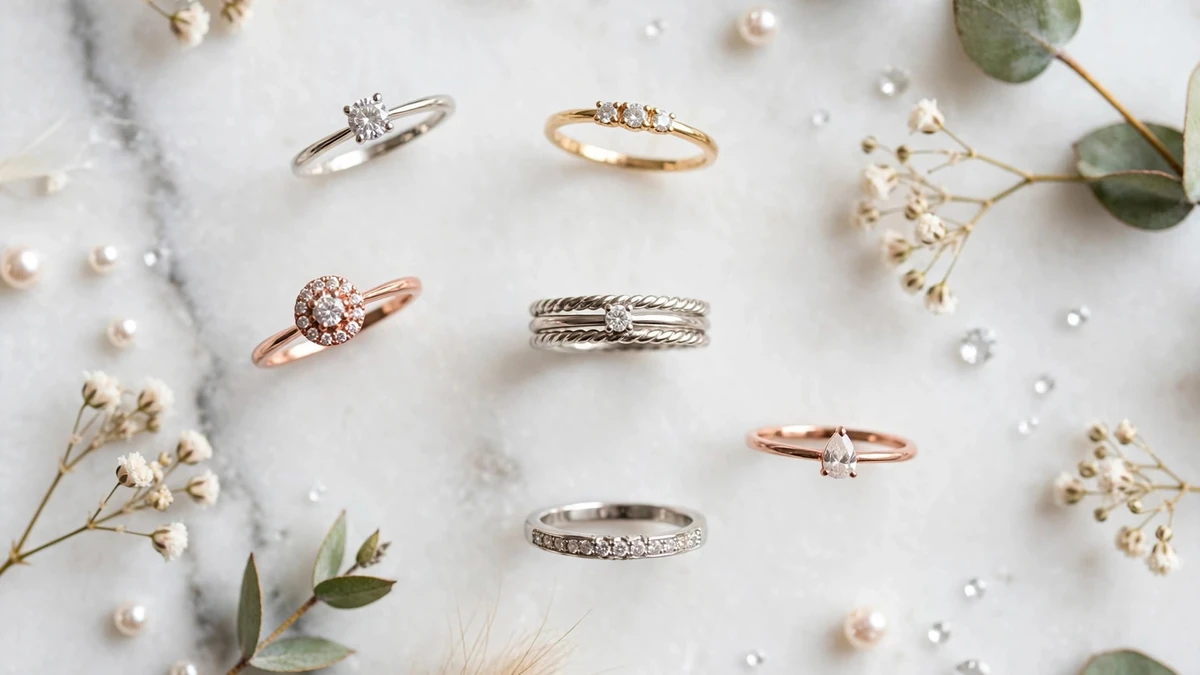
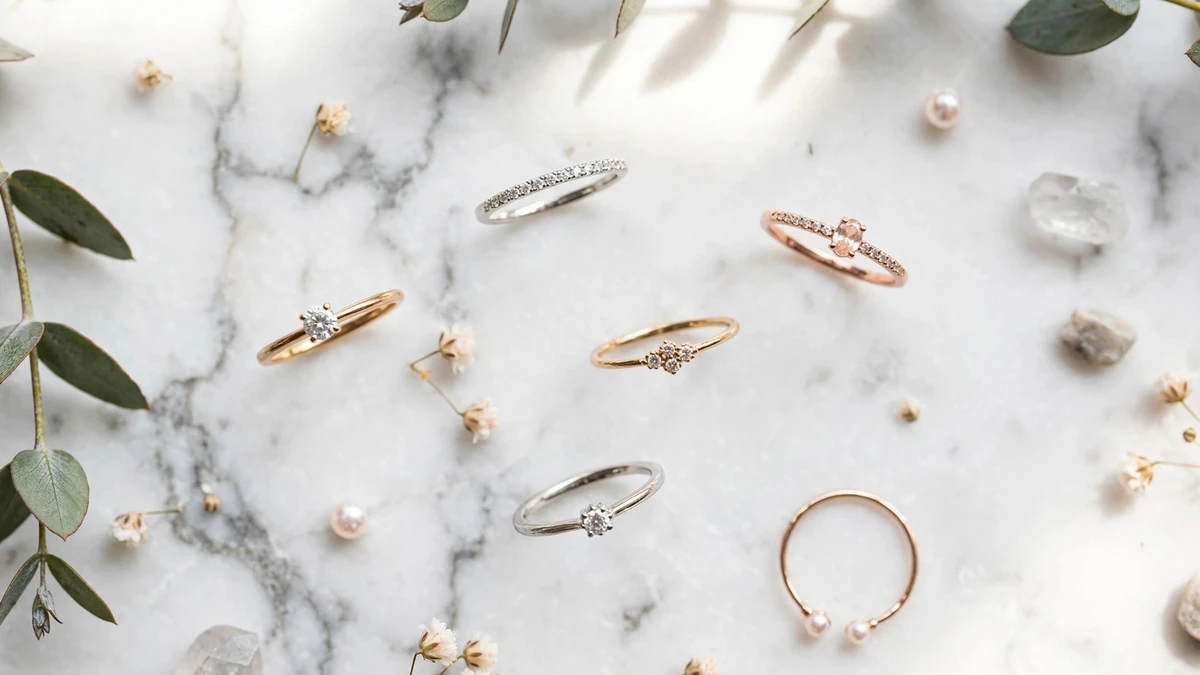
Below are nine lab-grown diamond engagement rings worth considering in 2027, from a classic solitaire to a halo and a sculptural design. Each one is described by what it is good at, what to watch for, and who it suits best, so you can choose with the stone in mind, not just the size of the discount.
Key takeaways
- Lab-grown diamonds are real diamonds, chemically and physically identical to mined diamonds, and they cost far less per carat.
- The same budget buys a larger stone, a better colour grade or a cleaner clarity grade than a mined diamond would.
- Buy a certified stone, ideally graded by GIA or IGI, and read the grading report before you pay.
- Cut quality matters more than carat weight for sparkle, so prioritise an excellent or ideal cut.
- Lab-grown diamonds lose most of their value on resale, and a ring bought as an investment will disappoint.
What a lab-grown diamond actually is
A lab-grown diamond is a diamond. It is not a simulant, not a lookalike and not a different material pretending to be a diamond. It is carbon, crystallised in the same cubic lattice as a mined diamond, with the same hardness of 10 on the Mohs scale and the same brilliance. Two methods make them. HPHT, high pressure high temperature, recreates the conditions deep in the earth, dissolving carbon in molten metal and letting it crystallise. CVD, chemical vapour deposition, grows the crystal layer by layer from a carbon-rich gas in a vacuum chamber. Both produce a genuine diamond.
The main practical difference is price. A lab-grown diamond typically costs 70 to 90 percent less than a mined diamond of the same size and quality, and that gap has widened as production has scaled up. That is why a two-carat lab-grown solitaire that once cost a small fortune is now within reach of many buyers. It is also why resale values are low. A mined diamond holds some value because supply is limited and controlled; a lab-grown diamond can be made again tomorrow, so second-hand buyers pay very little for one.
Disclosure matters. A reputable seller will state clearly that the stone is lab-grown, will supply a grading report, and will not describe it as mined. If a seller is vague about origin, or offers no certificate, walk away. The grading report is your protection, and it is also the document that tells you whether the colour and clarity grades on the listing are real.
How we chose these rings and what to look for
Look first at the grading report. The same four Cs apply as for mined diamonds: cut, colour, clarity and carat weight. Colour grades run from D, colourless, down through the alphabet, and for a white metal setting a stone in the D to G range looks white to most eyes. Clarity grades run from flawless down to included, and a VS1 or VS2 stone is usually eye-clean, meaning no inclusions visible without magnification. A grading report from GIA or IGI carries more weight than one from a lesser-known laboratory.

Look next at the cut. Cut is the one factor that decides how much a diamond sparkles, and it is the one most often sacrificed in cheaper rings. An excellent or ideal cut returns light properly; a fair cut looks dull even with good colour and clarity. A round brilliant is the most forgiving shape, while fancy shapes such as oval, cushion and emerald need a well-made cut to look their best. Our guide to the best engagement rings of 2027 explains how the setting and the metal change the way a stone reads, because a diamond never sits alone.
Finally, look at the setting and the metal. Platinum holds a stone securely and never needs re-plating, while white gold needs its rhodium coating refreshed every year or two. Six prongs hold a round stone more securely than four, and a bezel suits an active lifestyle. The right choice depends on how the ring will be worn every day, not just how it looks in the box.
The 9 best lab-grown diamond engagement rings of 2027
Tiffany & Co. Lab-Grown Solitaire
What we like: A classic six-prong solitaire from a house with a long record in diamond grading, with a lab-grown stone certified to the same standards as its mined stones. What to consider: Premium price for the name, and the lab-grown line is sold separately from the mined collection. Stone: Lab-grown diamond, round brilliant. Setting: Six-prong solitaire. Best For: A classic, understated proposal. Price Range: High.
This is the safest version of a lab-grown solitaire. The stone is well cut, the setting is proven, and the certificate is from a laboratory you can trust.
Cartier Lab-Grown Solitaire
What we like: Clean, architectural lines and a stone that is graded and guaranteed by the house, in a setting that flatters a round or oval centre stone. What to consider: The price reflects the house more than the stone, and sizes are limited in some collections. Stone: Lab-grown diamond, round or oval. Setting: Four-prong solitaire. Best For: A refined, minimal ring. Price Range: High.
Cartier does understatement well, and this solitaire is a good example. It is a ring that looks expensive without shouting about it.
David Yurman Lab-Grown Cable
What we like: The signature cable band gives the ring a distinctive look, and the lab-grown centre stone keeps the price well below a mined equivalent. What to consider: The cable detail suits some tastes and not others, and the band is harder to resize. Stone: Lab-grown diamond, round brilliant. Setting: Cable band, four-prong. Best For: A recognisable designer ring. Price Range: Mid to high.
If you want a ring that is recognisably designed rather than simply classic, the cable band is a strong choice.
Mejuri Lab-Grown Bezel
What we like: A bezel setting that protects the stone and suits daily wear, at a price that makes a larger centre stone affordable. What to consider: A bezel lets in less light than prongs, so the stone can look slightly smaller. Stone: Lab-grown diamond, round brilliant. Setting: Bezel. Best For: Everyday wear and active hands. Price Range: Mid.
This is the practical pick. The bezel keeps the stone safe, and the price leaves room for a bigger diamond.
Monica Vinader Lab-Grown Signet
What we like: A signet-style setting that feels modern rather than traditional, with a well-cut lab-grown stone and a clean, contemporary finish. What to consider: The signet shape is a fashion choice, and it may not suit a buyer who wants a classic solitaire. Stone: Lab-grown diamond, round brilliant. Setting: Signet. Best For: A modern, sculptural ring. Price Range: Mid.
A good option for someone who wants an engagement ring that does not look like everyone else’s.
Missoma Lab-Grown Stacking
What we like: A slim band designed to sit neatly with a wedding ring, with a lab-grown stone that keeps the price accessible. What to consider: The slim band is delicate, so it needs more care than a heavier setting. Stone: Lab-grown diamond, round brilliant. Setting: Slim band, four-prong. Best For: Stacking with a wedding band. Price Range: Mid.
This ring is made to be worn with others, and its slim profile makes stacking easy.
Maria Black Lab-Grown Sculptural
What we like: A sculptural, asymmetric setting that turns the ring into a piece of jewellery design, with a lab-grown stone at its centre. What to consider: The design is bold, and it is not the best choice for a wearer who wants a traditional ring. Stone: Lab-grown diamond, round brilliant. Setting: Sculptural. Best For: A design-led proposal. Price Range: Mid to high.
For a buyer who collects jewellery as design, this is the most interesting ring in the list.
Astrid & Miyu Lab-Grown Halo
What we like: A halo of small lab-grown diamonds around the centre stone, which makes it look larger, at a price that undercuts a mined halo by a wide margin. What to consider: The halo needs regular cleaning, and the small stones need checking at service. Stone: Lab-grown diamond, round brilliant, with lab-grown halo. Setting: Halo. Best For: Maximum sparkle for the budget. Price Range: Mid.
A halo is where lab-grown diamonds shine, literally. The extra stones cost little, and the visual effect is large.
Thomas Sabo Lab-Grown Charm
What we like: A playful, charm-inspired design with a lab-grown centre stone, at the most accessible price in this list. What to consider: The design is casual, and it suits a younger buyer more than a formal one. Stone: Lab-grown diamond, round brilliant. Setting: Charm. Best For: A light-hearted proposal. Price Range: Mid.
The most affordable way into a lab-grown diamond ring, and a good choice for a first ring.
Which lab-grown diamond is right for you
Start with the budget, then work backwards. Decide how much you want to spend, then choose the largest well-cut stone that budget buys, rather than starting with a carat weight and stretching to reach it. A one-and-a-half-carat lab-grown diamond with an excellent cut will out-sparkle a two-carat stone with a fair cut, and it will cost less. Colour matters too: in a white metal, a D to G stone looks white, while a stone below J will show warmth.
Think about the wearer. Someone with an active job or a hands-on lifestyle needs a secure setting, such as a bezel or a six-prong solitaire, while someone who works at a desk can wear a taller, more delicate setting. The metal matters as well. Platinum is the most secure and never needs re-plating, while 18k gold is a good balance of colour and durability. A diamond versus moissanite comparison is worth reading if you are still weighing a lab-grown diamond against the other affordable option, because the two stones look similar at a glance but behave very differently over time.
Finally, buy from a seller who is clear about origin. The listing should say lab-grown, the certificate should match the stone, and the seller should explain the growth method. A seller who hides the origin, or who cannot produce a certificate, is not a bargain. It is a risk.
It also helps to see the stone before you commit. Ask for a video of the actual diamond, not a stock photo, and look at it in daylight as well as under shop lighting. A stone that looks bright and lively in both is a good stone, whatever the grades on the paper say.
The caveats that matter
Lab-grown diamonds are real diamonds, but they are not a good investment. Prices have fallen sharply as production has grown, and a stone bought today will be worth far less second-hand. That is fine if you are buying a ring to wear, which is what an engagement ring is for, but it is a poor choice if you expect the stone to hold its value. The same is true of mined diamonds, though to a lesser degree.
| Detail | What is known |
|---|---|
| What it is | A real diamond, carbon in the same crystal structure as a mined diamond |
| How it is made | HPHT or CVD, grown in a laboratory over weeks |
| Price difference | Typically 70 to 90 percent less per carat than a mined diamond |
| What to check first | A grading report from GIA or IGI, matching the stone |
| Most important grade | Cut, because it decides how much the stone sparkles |
| Best colour range | D to G for a white metal, H to J for yellow gold |
| Resale value | Low, and falling as production grows |
| What it is not | Not a simulant, not an investment, and not identical in value to a mined stone |
Some lab-grown diamonds show faint strain patterns or a blue fluorescence under ultraviolet light, which can make the stone look hazy in sunlight. A good grading report notes fluorescence, and a reputable seller will show the stone in daylight before you buy. If you are buying online, check the return policy before you pay, so you can see the stone in person and return it if it looks cloudy.
Checklist: choosing a lab-grown diamond ring honestly
Use these checks before you buy, and again when the ring arrives.
- Check the certificate: GIA or IGI grading report, matching the stone, with origin stated as lab-grown.
- Check the cut first: excellent or ideal cut matters more than carat weight for sparkle.
- Check the colour in daylight: a D to G stone looks white in white metal; below J shows warmth.
- Check the setting: six prongs or a bezel for security, and platinum if you want no re-plating.
- Check the return policy: buy from a seller who lets you return the ring if the stone looks cloudy.
- Check your expectations: buy the ring to wear, not as an investment, because resale value is low.
Frequently asked questions
Is a lab-grown diamond a real diamond?
Yes. It is carbon in the same crystal structure as a mined diamond, with the same hardness and the same optical properties. It is not a simulant such as cubic zirconia or moissanite, which are different materials.
How much cheaper is a lab-grown diamond?
Typically 70 to 90 percent less per carat than a mined diamond of the same size and quality. The gap has widened as production has scaled up, and it continues to grow.
Will a jeweller be able to tell it is lab-grown?
Not by eye. A trained gemmologist with specialist equipment can detect growth patterns, and a grading report states the origin. Without equipment, a lab-grown diamond is indistinguishable from a mined one.
Does a lab-grown diamond hold its value?
No, not well. Prices have fallen sharply, and second-hand buyers pay very little for lab-grown stones. Buy the ring to wear, not as an investment. A diamond buying guide can help you weigh value against size and quality before you decide.
Is a lab-grown diamond better for the environment?
It avoids mining, but growing a diamond still uses a lot of energy, and the source of that energy matters. Some producers use renewable energy, others do not. Ask the seller how the stone was grown and powered if that matters to you.
Should I choose lab-grown or moissanite?
A lab-grown diamond is a real diamond, while moissanite is a different material with a different sparkle. If you want a diamond, choose lab-grown. If you want the lowest price and do not mind a different look, moissanite is cheaper still.
The bottom line
The best lab-grown diamond engagement ring in 2027 is not the biggest stone or the cheapest one. It is a well-cut, certified stone in a setting that suits the wearer, bought from a seller who is honest about origin. For most buyers, a one-and-a-half to two-carat lab-grown diamond with an excellent cut, a D to G colour and a VS clarity grade is the sweet spot: visibly larger and cleaner than a mined stone at the same price.
Choose the stone first, the setting second, and the brand third. Get the certificate, check the stone in daylight, and buy the ring to wear and enjoy, not to resell. That is the honest way to get the benefit a lab-grown diamond offers, without paying for a name or a promise it cannot keep.