
A leather jacket is one of those rare pieces that never really leaves fashion. It softens with wear, moulds itself to the wearer, and works just as well over a summer dress as over jeans and a jumper in November. A good one can last for years, even decades, and often becomes the item you reach for first.
Not all leather jackets are equal, and the differences are not always obvious at first glance. Leather quality, lining, hardware, fit and construction all matter, and a jacket that looks perfect on a hanger can feel stiff once you try it on. Faux leather has also improved enormously, so the choice is no longer real leather versus a cheap imitation.
Below are nine leather jacket styles worth considering in 2027, from the classic biker to the relaxed bomber and the tailored blazer. Each one is described by what it does well and what to watch for, so you can choose a style that fits your wardrobe and the way you actually live.
Key takeaways
- The best leather jacket fits your shoulders, feels comfortable when you move, and suits the outfits you already own.
- Full-grain and top-grain leather tend to age most gracefully, while good faux leather is a practical, animal-free choice that needs gentler care.
- Try a jacket on with the layers you will actually wear underneath it, and check you can raise your arms and sit down without it pulling.
- Classic shapes such as the biker, the bomber and the trucker are the most versatile, while cropped and oversized cuts suit specific outfits.
- No leather jacket is waterproof, crease-proof or maintenance-free, and one that is too tight or too stiff will rarely get softer on its own.
What this guide covers
This guide covers the main leather jacket shapes you are likely to find in shops in 2027, in both real leather and faux leather. It is not a list of one perfect jacket, because no single shape suits every body and wardrobe. Instead, it explains how each style fits, what it is made from, and where it works best, so you can narrow the choice before you start shopping.
It also covers the practical details that decide whether a jacket becomes a favourite or stays in the wardrobe: how leather and faux leather age, how to care for each, and how to judge quality when the label tells you little. A well-made jacket in a simple shape will usually outlast a fashionable one made from thin material.
Finally, this guide is general advice, not a review of specific products. It gives no prices, scores or test results, because those change quickly. It gives you a clear way to compare styles, ask the right questions, and recognise a jacket worth its place in your wardrobe.
How we chose these jackets and what to look for
Look first at the fit, because it matters more than the brand or the finish. The shoulder seam should sit at the edge of your shoulder, not drooping down your arm or pulling inwards. The jacket should close comfortably without straining, and you should be able to raise your arms, bend and sit down without the back riding up sharply. Try it on with the jumper you will wear underneath it, not just a thin top, because a jacket that fits over a T-shirt can be too tight over knitwear.

Look next at the material. Real leather is usually described by its grain: full-grain keeps the natural surface and develops a rich patina, top-grain is lightly finished and smoother, and corrected-grain has a more uniform surface. Lambskin is soft and light, cowhide is heavier and more durable, and goatskin sits in between. Faux leather, usually made from polyurethane, can look and feel surprisingly close to real leather, and is lighter and easier to keep clean, although it does not develop the same patina and can peel with age if very thin. A jacket in a classic shape, such as a tailored blazer, shows how much a good cut matters: a simple leather jacket with clean lines will usually age better than a heavily detailed one.
Finally, look at the details. A smooth, breathable lining makes a jacket far more comfortable and easier to slip on. Zips and studs should move smoothly, feel solid and sit flat. Stitching should be even, with no loose threads, and hems and cuffs should lie flat. These small signs tell you more about quality than a label will.
The Classic Biker Jacket
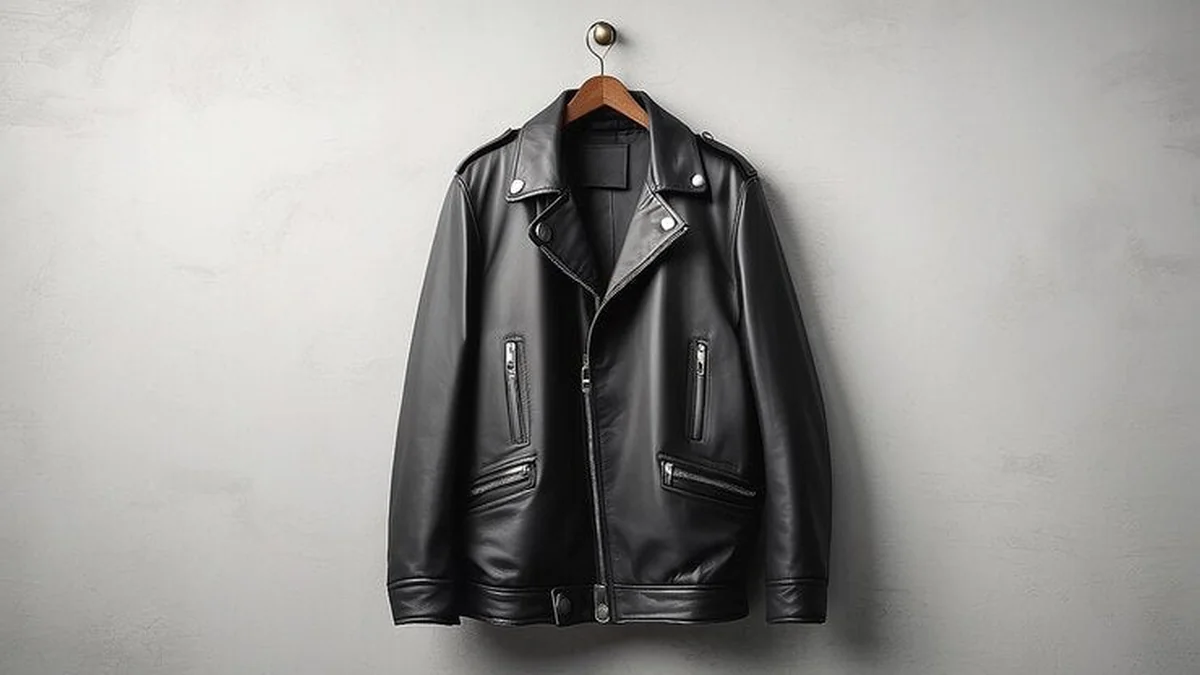
What we like: The biker is the most recognisable leather jacket shape, with its asymmetric zip, wide lapels and studded details. It adds instant structure to soft outfits and works with dresses, jeans and skirts.
What to consider: The asymmetric zip and heavy hardware can feel bulky on a petite frame, and the cut is quite fitted, so size up if you plan to wear thick knitwear underneath. Fit: Fitted, with shoulders on the shoulder line. Leather or faux leather: Real leather softens and develops character; good faux leather keeps the shape and is lighter. Occasion: Everyday wear, evenings out, and smart-casual outfits.
The Moto Jacket
What we like: The moto is a lighter, cleaner take on the biker, usually with a straight zip, fewer studs and a slimmer silhouette. It feels modern and unfussy, and layers well without adding bulk.
What to consider: It can look plain in a very smooth finish, so texture and colour matter, and the slim cut means you may need to size up for layering. Fit: Slim and neat, ending at the hip. Leather or faux leather: Lambskin gives the softest drape; matte faux leather looks smart and is easy to care for. Occasion: Work, daytime outfits, and evenings when you want polish.
The Bomber Jacket
What we like: The bomber is relaxed and comfortable, with a ribbed hem and cuffs, a zip front and a roomy body. It is easy to wear, forgiving in fit, and suits a casual wardrobe.
What to consider: The ribbed hem can shorten the torso, and a very puffy bomber can overwhelm a small frame. Fit: Relaxed, with a defined waistband. Leather or faux leather: Cowhide gives a sturdy bomber; faux leather is lighter and more supple straight away. Occasion: Weekends, travel, and casual days.
The Trucker Jacket
What we like: The trucker has a straight, boxy shape with button fronts, chest pockets and a pointed collar. It feels timeless and practical, and works as a light outer layer in spring and autumn.
What to consider: The boxy cut can look shapeless if too large, so check the shoulder fit carefully, and the button front is less warm than a zip in cold weather. Fit: Straight and slightly boxy, ending at the waist. Leather or faux leather: Slightly distressed real leather suits this shape; soft faux leather is a good lighter alternative. Occasion: Daytime, country weekends, and layered outfits in mild weather.
The Cropped Jacket
What we like: The cropped jacket ends at or just above the waist, which makes it ideal for high-waisted jeans, skirts and dresses. It defines the waist and keeps the look balanced.
What to consider: It offers less warmth and coverage than a longer jacket, and can feel too short over low-rise trousers or long tops. Fit: Short in the body, with a snug waistband or hem. Leather or faux leather: Soft lambskin drapes best here; structured faux leather holds the shape neatly. Occasion: Evenings out, spring days, and outfits where the waistline matters.
The Oversized Jacket
What we like: The oversized jacket is roomy and relaxed, easy to layer over thick jumpers, hoodies and scarves. It has a modern, effortless feel and suits a relaxed wardrobe.
What to consider: It can swamp a petite frame and look untidy if the shoulders droop too far, so try it on with your bulkiest layers on. Fit: Deliberately loose, with dropped shoulders and a long body. Leather or faux leather: Real leather needs time to soften; faux leather is often softer immediately. Occasion: Casual days, travel, and layered winter outfits.
The Belted Jacket
What we like: The belted jacket cinches at the waist, which gives it shape and flatters many figures. It feels elegant and a little more dressed-up than a plain biker or bomber.
What to consider: A very wide belt can add bulk at the waist, and a tie can come undone, so look for a secure buckle or a well-placed tie. Fit: Fitted at the waist, with a slightly flared skirt or straight hem. Leather or faux leather: Supple leather drapes best around the belt; soft faux leather also works well. Occasion: Smart-casual days, dinners, and outfits that call for a defined waist.
The Quilted Jacket
What we like: Quilting adds warmth, texture and a classic country-house feel. A quilted leather jacket is often lined and cosy, and looks smart without being formal.
What to consider: Quilting adds visual bulk, so it can make the torso look wider, and it is harder to clean than a smooth jacket. Fit: Usually relaxed, with a straight or slightly shaped body. Leather or faux leather: Real leather quilting ages gracefully; faux leather quilting is lighter and easier to keep clean. Occasion: Autumn walks, country weekends, and cool days.
The Leather Blazer Jacket
What we like: The leather blazer is the smartest shape here, with a tailored cut, a notched lapel and a longer line. It works for work, for dinners, and for any occasion where a biker would feel too casual.
What to consider: It is less forgiving than a relaxed jacket, so the fit must be right, and it can feel too formal for very casual outfits. Fit: Tailored, with a defined shoulder and a longer body that often covers the hip. Leather or faux leather: Smooth, supple leather gives the most polished finish; matte faux leather is a smart alternative. Occasion: Work, smart events, and polished daytime outfits.
Which leather jacket is right for you
If your wardrobe is mostly casual, start with a biker, a moto or a bomber. These shapes work with jeans, T-shirts, knitwear and trainers, and will get the most wear. Classic black or dark brown is the safest first choice, because it goes with almost everything, while tan or oxblood is a lovely second jacket. Our guide to the best trench coats covers a similar idea for rainy days: choose the shape you will reach for most often, not the one that looks best on a hanger.
If you dress more smartly, a leather blazer or a belted jacket will suit you better. They work with tailored trousers, skirts and dresses, and can replace a wool blazer on milder days. Look for a smooth finish, a clean lapel and minimal hardware, which keep the jacket looking polished.
If you feel the cold easily, look for a lined or quilted style, or a shape you can layer over thick knitwear. A slightly roomier fit helps, because a jacket that is too tight over a jumper will be uncomfortable and will not keep you warm. If you prefer not to wear animal leather, a good faux leather jacket in a classic shape is practical: lighter, easier to clean, and widely available.
The caveats that matter
Leather and faux leather both need care, and neither is indestructible. Real leather can stain, scratch and fade in strong sun, and can stiffen if it gets very wet and dries badly. Faux leather can crack or peel over time, especially if thin, kept somewhere hot, or cleaned with harsh products. Neither is waterproof, so a leather jacket is not the right choice for heavy rain, and both should be stored on a wide hanger in a cool, dry place.
| Detail | What is known |
|---|---|
| Best first jacket | A classic biker, moto or bomber in black or dark brown |
| Real leather care | Keep it dry, wipe it clean with a soft cloth, and condition it occasionally |
| Faux leather care | Wipe it clean with a damp cloth, and avoid harsh cleaners and heat |
| How to judge fit | Shoulders on the shoulder line, arms free to move, and it should close without straining |
| What to check before buying | Lining, zips, stitching, hem and cuffs, and how it feels over your usual layers |
| Warmth | Lined and quilted styles are warmer; cropped and unlined styles suit mild weather |
| What leather cannot do | It is not waterproof, and it will not stay perfect without care |
| When to walk away | If it is too tight, too stiff, poorly stitched, or uncomfortable to move in |
Finally, be honest about how you will wear it. A jacket that needs special care, suits only one outfit, or feels uncomfortable after ten minutes is unlikely to become a favourite, however beautiful it looks. The best leather jacket is the one you actually wear, season after season.
Checklist: choosing a leather jacket honestly
Use these checks in the shop, and again after a week of wearing the jacket.
- Check the shoulders: the seam should sit at the edge of your shoulder, not drooping or pulling inwards.
- Check the movement: raise your arms, bend and sit down, and make sure it does not pull or ride up sharply.
- Check the material: feel the leather, look at the lining, and check the zips and stitching.
- Check the layering: try it on over the jumper you will wear with it, not just a thin top.
- Check the care: know how to clean and store it before you buy, and be honest about whether you will.
- Check the wardrobe: make sure it works with at least three outfits you already own.
Frequently asked questions
Is real leather better than faux leather?
It depends on what matters most to you. Real leather usually lasts longer, softens with wear and develops a patina, but needs more care and is heavier. Faux leather is lighter, easier to clean and often more affordable, and a good choice if you prefer not to wear animal products, although it may not last as long. A well-made faux leather jacket is often a better buy than a poorly made real leather one.
How should a leather jacket fit?
The shoulders should sit on your shoulder line, the jacket should close without straining, and you should be able to move your arms freely. It should feel comfortable over the layers you will wear underneath it. If it is tight across the chest or back, or the sleeves are too long, it is not the right size, even if you love the colour.
How do I care for a leather jacket?
Keep it dry, wipe it with a soft, dry cloth after wearing, and store it on a wide hanger in a cool, dry place. Condition real leather occasionally with a product made for leather, following the maker’s instructions. For faux leather, wipe it with a damp cloth and avoid harsh cleaners, solvents and direct heat.
Can I wear a leather jacket in the rain?
Light rain is usually fine, but heavy rain is not ideal for either real or faux leather. If your jacket gets wet, let it dry naturally at room temperature, away from radiators and direct heat. For wet weather, a waterproof coat is better, and our guide to the best setting sprays is a reminder that the right finishing layer helps everything last longer.
What colour leather jacket should I buy first?
Black is the most versatile and the easiest to style, and suits both casual and smart outfits. Dark brown is warmer and softer, and works beautifully with denim, cream and earthy tones. Tan is lighter and more seasonal, and looks best in spring and autumn. Choose the colour that matches the shoes and bags you own.
How long will a leather jacket last?
A well-made real leather jacket, cared for properly, can last for many years and often looks better with age. A faux leather jacket usually lasts for a few seasons of regular wear, depending on its quality and storage. In both cases, good fit, construction and regular care matter far more than the label.
The bottom line
The best leather jacket in 2027 is not the most expensive or the most fashionable. It is the one that fits you well, suits the outfits you already own, and feels comfortable enough to wear again and again. For most people, that means a classic biker, moto or bomber in black or dark brown, in real leather for longevity, or in good faux leather for something lighter and easier to care for.
Try on a few shapes, check the fit with your usual layers, look at the lining and stitching, and choose the jacket that works with at least three outfits you already have. That is the honest way to buy a leather jacket you will love.
Note: This guide is general fashion information, not professional advice. Fit and care needs vary by material and maker, so follow the care instructions for your jacket, and try jackets on with the layers you will actually wear.