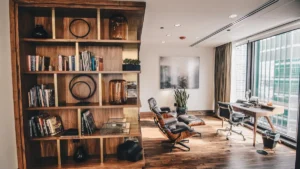
A luxury sunroom is not a conservatory with better cushions, and it is not a living room with bigger windows. It is a room built around glass, and everything in it answers to the sun. Get the glass right and the room becomes the best seat in the house: morning coffee in February light, long summer evenings, rain on the roof while you stay dry and warm.
The mistake most people make is shopping for furniture before deciding what kind of sunroom they are building: a three-season room and a four-season room are different buildings, with different budgets and glass.
Unlike the garden room in this series, a sunroom is attached to the house. And unlike a balcony or a patio, it is a room you can close: glass on three sides, a real roof overhead, a door against the weather. A sunroom lets you live outdoors without going outside.
Key takeaways
- Decide three-season or four-season first — it changes the glass, the insulation, the heating and the budget.
- Orientation is free luxury: south-facing gathers winter sun, east-facing gives gentle morning light.
- Glass is the budget: double-glazed low-E units are the minimum for winter use, and the roof glazing matters more than the walls.
- A four-season sunroom typically costs $25,000 to $80,000, or $200 to $400 per square foot, and returns roughly 50 to 70 percent of its cost at resale.
- Shade and ventilation are not extras — without them, the room is unusable by mid-afternoon.
Give the Room One Job First
Start with a sentence, not a catalogue. “A breakfast room where we sit every morning, all year.” That sentence decides the type of room, the size, the heating and the budget — and it stops the costliest mistake: a generous glass box nobody can sit in.
Measure the job, not the garden. A breakfast table for two needs about 3 by 3 metres; a lounge for four wants 3.5 by 4 metres; a dining room for eight needs 4 by 4 metres. Wide French doors make the sunroom feel like one room with the luxury living room next door.
Three-Season or Four-Season
A three-season room has windows instead of screens and little or no insulation; it is comfortable from spring to autumn and closed in the coldest months. A four-season room is insulated like the rest of the house, with thermal glass, a proper foundation and its own heating and cooling — a real room that happens to be mostly glass, usable in January and counted as living space.
A three-season room typically costs $10,000 to $40,000, or $80 to $230 per square foot. A four-season room typically costs $25,000 to $80,000, or $200 to $400 per square foot. Most additions fall between $22,000 and $72,600, averaging about $47,000, and glass is the largest material cost — commonly $3,000 to $30,000 or more.
Choose honestly about your climate and your habits. With mild winters and a willingness to close the room for the coldest six weeks, a three-season room gives you most of the pleasure for half the money. If you want breakfast in the room in February, only a four-season build will do — permanently heated, insulated like the house, and built on a code-compliant foundation with permits.
| Sunroom type | Typical cost | Cost per sq ft | Usable months | Living space |
|---|---|---|---|---|
| Screen room | $2,000–$5,000 | $10–$25 | Warm months | No |
| Prefab kit room | $5,500–$30,000 | $50–$150 | Spring to autumn | No |
| Three-season room | $10,000–$40,000 | $80–$230 | March–October | No |
| Four-season room | $25,000–$80,000 | $200–$400 | All year | Yes, if permitted |
| Solarium (glass roof) | $30,000–$75,000+ | $300–$800 | Usually all year | Often |
| Conservatory | $35,000–$120,000 | $200–$600+ | All year | Often |
| Three-to-four-season conversion | $5,000–$20,000 | — | Extends season | Only if upgraded |
Orientation and the Planning Rules
Stand in the garden at three times of day. A south-facing sunroom gathers the most light and winter warmth, but it is the hardest to keep cool in summer. An east-facing room gives soft morning light and stays comfortable all afternoon. A west-facing room catches the evening sun and the evening heat together. A north-facing sunroom is the coolest and dimmest, suiting a reading room or a plant room.
Check the rules first. A four-season sunroom is a true addition, so building codes treat it like one: permits, inspections, a proper foundation with frost protection, and tempered, double-sealed, code-compliant windows. If you are enclosing an existing deck, have a structural engineer evaluate it first — a deck built for summer furniture may not carry glass walls and a solid roof, and a visit typically costs $300 to $500.
The Glass
For a four-season room, double-glazed low-E glass is the minimum; triple glazing is worth it where winters are cold. Low-E coatings reflect heat back inside in winter and block solar heat in summer, and argon-filled units insulate better than air-filled ones. Ask for the U-value, the measure of heat escaping through the glass. A good double-glazed low-E unit has a U-value around 1.1 to 1.3; a single pane is roughly five times worse, so single glazing belongs only in a three-season room.
The frame matters almost as much as the glass. Aluminium frames are slim and strong — more glass, less frame — but they conduct heat unless thermally broken. Vinyl frames insulate well and suit a four-season room on a budget. Wood frames insulate best and look the most luxurious, but they need maintenance and cost the most. Whatever the frame, every unit should be tempered, as building codes require in a glass room.
Do not forget the roof glazing. A glass roof takes the hardest sun and the heaviest rain, so it needs laminated glass for safety overhead, plus a low-E coating and, ideally, a tint or ceramic frit that cuts glare without dimming the room.

Shade and Ventilation
A sunroom without shade is a greenhouse with chairs. Plan the shading with the glass, not after it — retrofitted blinds on a glass roof are expensive and often disappointing. The best shade sits outside the glass: an external blind or a retractable awning stops the heat before it enters, which is far more effective than any blind inside. Inside, linen roller blinds or motorised cellular shades trap air and insulate in winter.
Ventilation is the other half of the problem. Hot air rises, so a sunroom needs high vents, opening roof windows or a ridge vent to let it out, and low opening windows or doors to let cool air in. At least a tenth of the glass area should open. A ceiling fan helps more than it costs, moving warm air down in winter and keeping the air feeling cooler in summer. The fix is glass, shade and air, in that order.
Heating and Cooling
A four-season sunroom needs its own heating and cooling, sized for a room that is mostly glass. Extending the house’s central system often disappoints: a glass room gains and loses heat far faster than a brick one. A ductless mini-split is the most common answer — it heats and cools quietly and can be sized exactly to the room. Underfloor heating is the most luxurious option: warm stone underfoot on a cold morning. Expect $3,000 to $8,000 for a mini-split; full HVAC integration can run from $2,300 to over $20,000.
A three-season room needs less: a portable heater for cool evenings, a ceiling fan for warm afternoons, and the acceptance that it closes in the coldest weeks. Never heat a glass room with an unvented gas heater — its moisture condenses on every cold surface and feeds mould in the frames.
The Floor
The floor is the largest surface after the glass, and the sun tests it every day: ultraviolet light, temperature swings and wet footprints rule out soft materials. Stone, porcelain tile and terracotta are the classic sunroom floors: cool underfoot in summer, warm in winter, and better with age. Large-format porcelain pavers in warm stone tones are the 2027 direction — calm, pale enough to stay cool, and almost impossible to damage.
Furniture, Fabric and Plants
Furnishing a sunroom differs from furnishing a living room, because the sun is a participant: fabrics fade, wood bleaches, leather dries out. Choose performance fabrics — solution-dyed acrylics and outdoor-rated weaves — for anything in direct sun; they look like indoor fabric and do not fade in a season. Keep the furniture low and light: a deep low sofa, two armchairs, a small table, and nothing that blocks the view. The same restraint shapes the luxury garden room in this series: the room is the luxury, and the furniture should never compete with it.
Plants are the sunroom’s natural furniture, and it is the one room where they genuinely thrive. Large specimens — an olive tree, a citrus tree, a tall palm — give the room its scale, while trailing plants soften the frames. Choose plants for the light you have: south-facing suits citrus, succulents and Mediterranean herbs; east-facing suits ferns, orchids and leafy tropicals. Pot them in terracotta or stone, not plastic, and give them drainage trays.
Checklist
- Decide three-season or four-season in writing, with the budget, glass and heating to match.
- Confirm the orientation and the shading plan together: south and west rooms need external shade, not just blinds.
- Check permits, the foundation and the roofline tie-in with the house before any glass is ordered.
- Specify the glass in numbers: glazing, low-E coating, argon fill, U-value and tempered, laminated roof panels.
- Plan ventilation as a tenth of the glass area opening, plus high vents or opening roof windows.
- Choose the floor, the fabrics and the plants for sun, temperature swings and moisture — not for the showroom.
Frequently asked questions
How much does a luxury sunroom cost in 2027?
Most sunroom additions cost between $22,000 and $72,600, averaging about $47,000. A three-season room typically runs $10,000 to $40,000, a four-season room $25,000 to $80,000, and a glass-roofed solarium or conservatory $30,000 to $150,000 or more.
Is a sunroom the same as a conservatory?
Almost, but not quite. A conservatory traditionally has a glass roof as well as glass walls and is often a more ornate, Victorian-style structure. A sunroom usually has a solid or partly glazed roof, and is built as a straightforward addition to the house. What matters is the specification — the glass, the insulation and the heating.
Do I need planning permission for a sunroom?
It depends on where you live and what you build. A four-season sunroom is treated as a room addition, so it generally needs a permit, inspections and a code-compliant foundation. A three-season room or a porch conversion usually faces lighter requirements. Check with your local planning office before ordering glass.
What is the best direction for a sunroom?
South-facing gathers the most light and winter warmth but needs the best shading and ventilation. East-facing is the easiest to live with: gentle morning light and a cool afternoon. West-facing gives beautiful evening sun and the most evening heat. North-facing is the coolest and dimmest, suiting a reading room or a plant room.
Will a sunroom add value to my home?
A four-season sunroom returns an estimated 50 to 70 percent of its cost at resale, and because it is permanently heated and permitted, it can count as gross living area — a $40,000 project typically adds $20,000 to $28,000 to appraised value. A three-season room returns about 45 to 55 percent and does not count as living space, but still adds lifestyle value.
How do I stop a sunroom getting too hot?
Shade outside the glass first — an external blind or retractable awning stops heat before it enters. Then ventilate: high vents or opening roof windows to let hot air out, low windows to let cool air in, and a ceiling fan. Low-E glass also helps, but shade and air matter most.
The bottom line
A luxury sunroom is a bet on light, and it rewards preparation. Decide the job, choose three-season or four-season honestly, spend on the glass and the shade, and furnish it lightly. Do that, and the room becomes the place everyone drifts to — the morning coffee spot, the rainy-afternoon chair. Skip the planning, and you own a very expensive greenhouse. The same thinking applies to the luxury bedroom: comfort first, decoration second, and nothing that fights the room itself.
Note: costs and returns are typical 2027 ranges and vary by location, size and specification — treat them as a budgeting guide, not a quote, and confirm every figure with a local contractor before you commit.