
Lip scrub is the small step that makes the rest of your lip routine work better. Flaky, dry lips do not hold lipstick well, and even the most hydrating lip balm sits on top of dead skin instead of sinking in. A good lip scrub removes that flaky layer gently, leaves lips smooth, and gives colour and balm something even to grip. Used well, it takes about a minute, two or three times a week, and the difference shows the same day.
The problem is that not every lip scrub is gentle. Lips are thin-skinned and quick to sting, and a scrub that is too coarse, too fragrant, or used too often can leave them sorer than before. Some scrubs are little more than flavoured sugar with no conditioning step, so lips feel smooth for an hour and dry again by lunchtime.
Below are nine lip scrubs worth considering in 2027, from a classic brown-sugar polish to budget-friendly options that do the job without fuss. Each one is described by what it is good at, what to watch for, and who it suits best, so you can choose with your lips in mind, not just a pretty jar.
Key takeaways
- A lip scrub removes flaky, dead skin so balm and lipstick sit smoothly and last longer.
- Gentle, fine-grained scrubs with conditioning oils or butters work best; coarse or heavily fragranced formulas can irritate thin lip skin.
- Use a scrub two or three times a week at most, and always follow it with a hydrating lip balm.
- Sugar-based scrubs dissolve as you work them in, which makes them kinder than scrubs with hard, non-dissolving particles.
- No scrub heals cracked, bleeding, or persistently sore lips on its own, and over-scrubbing makes dryness and flaking worse.
What a lip scrub actually does
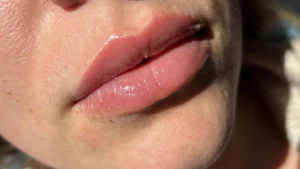
A lip scrub is a gentle exfoliant for the lips. It uses fine particles, usually sugar, to lift away the dry, flaky skin that builds up on the surface, while oils and butters in the formula soften the fresh skin underneath. The result is a smoother surface that reflects light better, so lips look healthier even before you add colour, and a better base for balm and lipstick.
Lips need this kind of care because they have no oil glands of their own. They dry out faster than the rest of the face, and cold weather, indoor heating, sun, and matte lipstick all make flaking worse. A balm alone can trap moisture, but it cannot remove the dead skin that is already there. That is the gap a scrub fills, and it is why a scrub and a balm work as a pair rather than as alternatives.
The key is gentleness. The skin on your lips is thinner than the skin on your cheeks, so a scrub made for the face is often too strong. A lip scrub should feel like a soft polish, not a scour. If your lips sting, feel raw, or look redder after scrubbing, the formula is too harsh, or you are using it too often. Our guide to the best lipsticks of 2027 is worth reading alongside this one, because smooth lips are what make a good lipstick look its best.
How we chose these scrubs and what to look for
Look first at the exfoliant itself. Fine sugar is the safest common choice, because the crystals dissolve as you massage them in, so the scrub gets gentler the longer you use it. Coarse salt, walnut shell, or hard beads stay sharp and can scratch thin lip skin, so they have no place in a lip product.
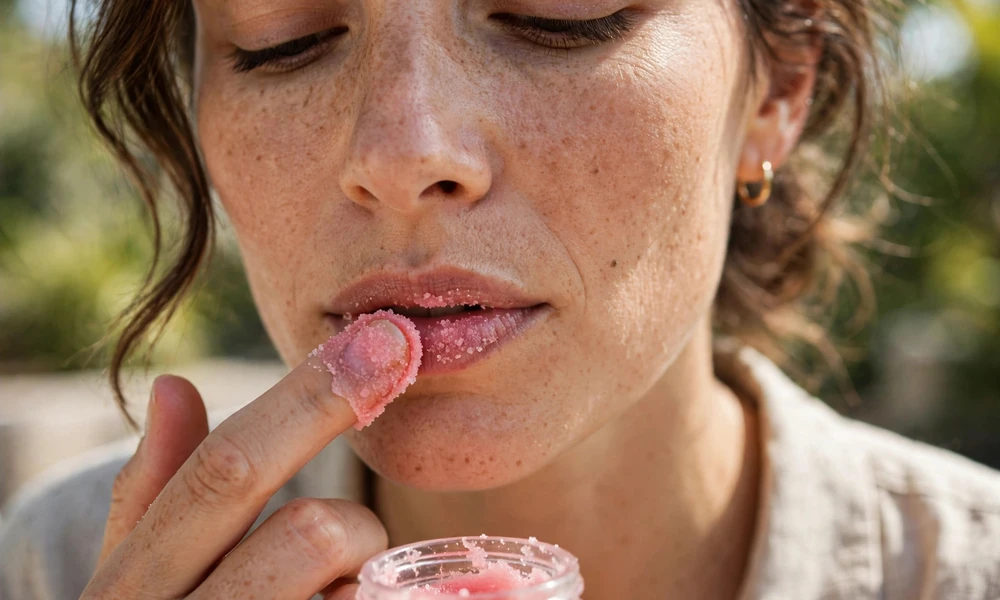
Look next at what is left behind after the particles dissolve. A good lip scrub leaves lips soft, not stripped, because it contains conditioning ingredients such as shea butter, jojoba oil, lanolin, or squalane. If your lips feel tight or squeaky after rinsing, the formula is too drying. A light oily film is normal and welcome; it is the conditioning step doing its work.
Finally, look at fragrance and flavour. Lips sit close to your mouth and nose, so a strong scent or flavour is hard to ignore, and added fragrance is one of the most common irritants for sensitive lips. Fragrance-free or lightly flavoured with natural oils is the safer choice, especially if your lips are easily irritated. A scrub you enjoy using two or three times a week is worth more than a stronger one you avoid.
The 9 best lip scrubs of 2027
Fresh Sugar Lip Polish
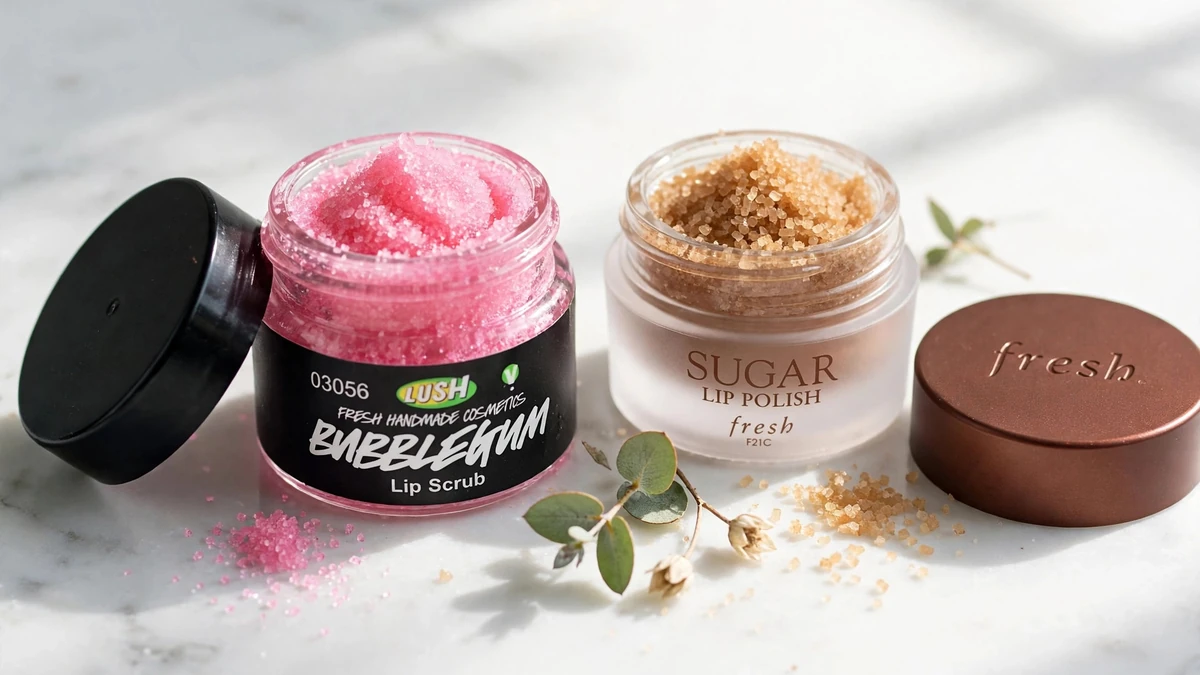
What we like: A classic brown-sugar polish with shea butter and jojoba oil, fine-grained and easy to control, with a light sweet scent that is not overpowering. What to consider: Premium price for a small jar, and the sugar dissolves quickly, so very flaky lips may need a second pass. Best for: Everyday gentle exfoliation. Key ingredients: Brown sugar, shea butter, jojoba oil, meadowfoam seed oil. Price range: Around £17. Standout feature: The fine, even grain that polishes without scratching.
This is the scrub other scrubs are measured against. It is not the cheapest, and it is not the strongest, but for lips that want a reliable, gentle polish with a soft finish, it remains a strong first choice.
Dior Addict Lip Sugar Scrub
What we like: A balm-textured scrub with fine sugar crystals that melt as you work them in, leaving a sheer tint and a soft, conditioned finish. What to consider: Luxury price, and the tint is subtle, so it will not replace lipstick. Best for: A polished, low-effort look in one step. Key ingredients: Sugar crystals, shea butter, mango butter. Price range: Around £30. Standout feature: The scrub-to-balm feel that leaves colour and care behind.
A practical luxury option for people who want exfoliation and a hint of colour in a single step.
Lush Lip Scrub in Bubblegum
What we like: A simple sugar-and-oil scrub with a sweet bubblegum flavour, easy to use, and a small pot that lasts for months at two uses a week. What to consider: The flavour is strong and sweet, which not everyone enjoys, and the pot can feel messy if you are heavy-handed. Best for: A fun, affordable first lip scrub. Key ingredients: Caster sugar, jojoba oil, shea butter. Price range: Around £7. Standout feature: The price, and the fact that it is safe to lick off.
A good, cheap first lip scrub. A pea-sized amount is enough; more does not make it work faster.
Sara Happ The Lip Scrub in Brown Sugar
What we like: A fine brown-sugar scrub with grape seed oil and jojoba oil, designed specifically for lips, with a smooth, even texture that polishes in seconds. What to consider: The jar is small and the price is mid-to-high, and the formula is quite oily, so blot before lipstick. Best for: Pre-lipstick prep and special occasions. Key ingredients: Brown sugar, grape seed oil, jojoba oil, sweet almond oil. Price range: Around £20. Standout feature: The fine grain, made to be gentle enough for daily use.
A sensible choice if you wear lipstick often and want a scrub made for that exact job.
Burt’s Bees Conditioning Lip Scrub
What we like: A gentle honey-crystal scrub with beeswax and conditioning oils, affordable, widely available, and fragrance-light. What to consider: Milder than the premium scrubs, so very flaky lips may need two passes, and the stick format gives less control than a pot. Best for: Sensitive lips and a first lip scrub. Key ingredients: Honey crystals, beeswax, shea butter, cocoa butter. Price range: Around £7. Standout feature: The stick format, which is tidy and travel-friendly.
An easy, low-risk place to start for beginners and sensitive lips.
e.l.f. Lip Exfoliator
What we like: A budget-friendly stick exfoliator with fine sugar and shea butter, simple to use, and small enough to keep in a handbag. What to consider: The stick can feel firmer than a pot scrub, so go gently, and the scent is sweet and noticeable. Best for: On-the-go exfoliation and tight budgets. Key ingredients: Sugar, shea butter, jojoba oil, vitamin E. Price range: Around £4. Standout feature: The price, and the lipstick-style stick that needs no fingers.
A budget-friendly entry point. It will not transform very flaky lips in one use, but used two or three times a week it keeps lips smooth without irritation.
Frank Body Lip Scrub
What we like: A raw-sugar scrub with cold-pressed oils and lanolin, made to be used before balm, with a clean, simple formula and a generous pot. What to consider: The grain is slightly coarser than the gentlest scrubs, so use a light touch, and the pot needs a spatula or clean fingers. Best for: Very dry, flaky lips that need a real polish. Key ingredients: Raw sugar, lanolin, coconut oil, grapeseed oil. Price range: Around £12. Standout feature: The lanolin, which leaves a lasting soft finish.
A no-fuss scrub for people who want a stronger polish. Keep the pressure light and let the sugar do the work.
Herbivore Coco Rose Lip Polish
What we like: A coconut-sugar scrub with rose and shea butter, with a soft floral scent and a smooth, creamy texture that feels more like a treatment than a scrub. What to consider: The scent is floral and noticeable, and the pot is small for the price. Best for: A sensory, spa-like lip routine. Key ingredients: Coconut sugar, shea butter, coconut oil, rose. Price range: Around £18. Standout feature: The creamy texture that polishes and conditions at once.
If plain sugar scrubs feel too drying, this creamy formula is more comfortable while still removing flakes effectively.
Lanolips Lip Scrub in Cinnamon
What we like: A sugar scrub with lanolin and cinnamon, made to pair with the brand’s famous lip balm, with a warm scent and a soft, non-stripping finish. What to consider: The cinnamon can tingle, so patch-test first if your lips are sensitive, and the grain is medium-fine rather than ultra-fine. Best for: Pairing with a lanolin balm for a full lip routine. Key ingredients: Sugar, lanolin, cinnamon, vitamin E. Price range: Around £11. Standout feature: The lanolin base, which keeps lips soft long after rinsing.
A sensible choice if you already use a lanolin balm. The tingle is normal for cinnamon, but if it becomes a burn, stop and rinse.
Which lip scrub is right for your lips
Dry, flaky lips usually do best with a fine sugar scrub that has plenty of conditioning oils, used two or three times a week, followed by a rich balm. The goal is smoothness without tightness, so a scrub that leaves lips feeling soft after five minutes is a better sign than one that feels strong on application. A hydrating lip balm after scrubbing is what locks in the result, because exfoliation without moisture leaves lips drier than before.
Sensitive lips need a slower start. Choose a fragrance-free or lightly scented scrub, use it once a week for two weeks, and only move to two or three times a week if your lips stay calm. Avoid starting a new scrub at the same time as a new lipstick or a strong lip treatment. Introduce one product at a time, so you know what is helping and what is irritating.
Lips that are cracked, bleeding, or sore should not be scrubbed at all. Exfoliation on broken skin makes it worse and slows healing. Use a plain, fragrance-free balm until the skin has healed, then return to gentle scrubbing once a week. If soreness keeps coming back, or your lips stay cracked for weeks, speak to a pharmacist or clinician rather than scrubbing harder.
The caveats that matter
A lip scrub is a simple product, but it is easy to overdo. Scrubbing every day, pressing hard, or using a coarse formula can strip the thin skin on your lips, leaving them raw, flaky, and more prone to cracking. That does not mean you should avoid scrubs, only that you should use them gently and not too often. Two or three times a week is enough for most people, and once a week is plenty for sensitive lips. Our guide to lip exfoliation at home covers the technique in more detail, including how to tell when you have done enough.
| Detail | What is known |
|---|---|
| Best exfoliant for most lips | Fine sugar, which dissolves as you massage it in |
| How often to use it | Two or three times a week, once a week for sensitive lips |
| How to use it | Pea-sized amount on damp lips, gentle circles for about thirty seconds, rinse |
| What to do straight after | Apply a hydrating lip balm to lock in moisture |
| Who should start gently | Sensitive, reactive, or easily chapped lips; start once a week |
| What to avoid | Coarse salt or hard beads, strong fragrance, scrubbing daily or pressing hard |
| When to stop scrubbing | If lips are cracked, bleeding, sore, or stay red after use |
| What it does not do | It does not heal cracked lips alone, or replace lip balm and sun protection |
If you are pregnant, breastfeeding, or using prescription lip or skin treatments, check with your clinician or pharmacist before adding a new exfoliant, especially one with cinnamon or strong fragrance. That is not a formality. Prescription treatments change what your skin can tolerate, and a simple check avoids weeks of irritation.
Checklist: choosing a lip scrub honestly
Use these checks before you buy, and again after two weeks of use.
- Check the exfoliant: fine sugar that dissolves, not coarse salt or hard beads.
- Check the conditioning: oils or butters such as shea, jojoba, or lanolin should be in the formula.
- Check the scent: fragrance-free or lightly scented is safest, especially for sensitive lips.
- Patch-test first: try it on the corner of your lips for two or three days before full use.
- Start slowly: once a week for two weeks, then two or three times a week if your lips stay calm.
- Protect the result: follow every scrub with a hydrating balm, and use a balm with SPF in the daytime.
Frequently asked questions
How often should I use a lip scrub?
Two or three times a week is enough for most people. Start once a week if your lips are sensitive, then move to two or three times a week after two weeks if there is no soreness or redness.
Can I use a lip scrub every day?
It is not a good idea. Daily scrubbing strips the thin skin on your lips and can make flaking worse. If your lips feel flaky every day, a richer balm and more water are usually the fix, not more scrubbing.
Should I scrub before or after lipstick?
Before. Scrub, rinse, apply balm, blot lightly, then apply lipstick. The scrub smooths the surface, the balm hydrates it, and blotting stops the lipstick from sliding.
Is a lip scrub safe for sensitive lips?
Often yes, with a gentle formula. Choose a fine sugar scrub with no added fragrance, patch-test, and start once a week. If soreness or redness persists, stop and use a plain balm instead.
Can I make a lip scrub at home?
Yes. A simple mix of fine sugar and a little honey or olive oil works well. Keep it fresh, use clean hands, and do not add coarse salt, lemon juice, or essential oils, which can irritate lips.
Do I still need lip balm if I use a lip scrub?
Yes, every day. A scrub removes dead skin, but it does not moisturise on its own. Balm is what protects the smooth skin underneath and keeps it from drying out again.
The bottom line
The best lip scrub in 2027 is not the strongest or the most expensive. It is the one with a fine grain and good conditioning ingredients, that you will use gently two or three times a week, and that leaves your lips soft rather than stripped. For most lips, a sugar-based scrub with shea butter or lanolin is a strong choice. For sensitive lips, a fragrance-free formula used once a week is the smarter start.
Choose one scrub, use it consistently, follow it with a hydrating balm, and judge it on how your lips look and feel, not on how strong it feels on day one. That is the honest way to get the smooth lips a scrub is known for, without the soreness that makes people give up on it.