Fine hair and hair oil have a difficult relationship. The right oil can add shine, calm frizz, and make fine strands feel smoother and easier to manage. The wrong one, or even the right one used too heavily, can leave hair flat, greasy, and stuck to the scalp by lunchtime. That is why so many people with fine hair give up on oils altogether, even though a light formula, used in the right amount, is one of the simplest ways to make fine hair look healthier.
The problem is not oil itself. It is weight. Fine hair has a smaller diameter than thick hair, so every drop sits more heavily on it. A rich, thick oil that works beautifully on coarse or curly hair can overwhelm fine strands in seconds. What fine hair needs is a lightweight, fast-absorbing formula, applied sparingly to the lengths and ends, and never near the roots.
Below are nine hair oils worth considering in 2027, from feather-light silicone blends to pure plant oils that absorb quickly.
Key takeaways
- Fine hair needs lightweight, fast-absorbing oils, applied to the mid-lengths and ends only, never at the roots.
- One or two drops is usually enough for fine hair; more oil does not add more shine, it adds weight and grease.
- Silicone-based oils and dry oils tend to suit fine hair best, while thick, heavy plant oils can flatten it.
- Use oil on damp hair for smoothing and on dry hair for finishing, and wash it out properly so it does not build up.
- No oil thickens fine hair or makes it grow faster, and a heavy or poorly washed-out oil can make fine hair look thinner.
What hair oil actually does for fine hair
Hair oil works on the surface of the hair. It coats the outer layer, smooths the cuticle, and seals in moisture, which is why hair looks shinier and feels softer after oiling. It also reduces friction between strands, so there is less frizz and less breakage from brushing and styling. For fine hair, that smoothing effect is valuable, because fine strands are easily ruffled by wind, humidity, and heat styling.
What oil does not do is change the structure of your hair. It cannot make fine hair thicker, add volume at the roots, or repair split ends. Oil also does not feed the hair from inside. It is a surface treatment, and its job is protection and appearance, not growth.
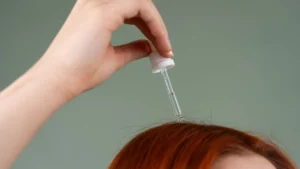
The difference between a good and a bad result for fine hair usually comes down to amount and placement. A single drop, warmed between the palms and pressed over the ends, can transform dry, flyaway hair. The same oil poured straight onto the crown will flatten everything it touches.
How we chose these oils and what to look for
Look first at the texture. A good oil for fine hair should feel light between your fingers, absorb within a minute or two, and leave no sticky film. Dry oils, which are usually silicone-based or built on very light plant oils such as camellia or squalane, are the safest starting point. Thick oils such as castor or unrefined coconut oil are rarely a good match for fine hair as a leave-in, though some people use them as a pre-wash treatment and rinse them out fully.
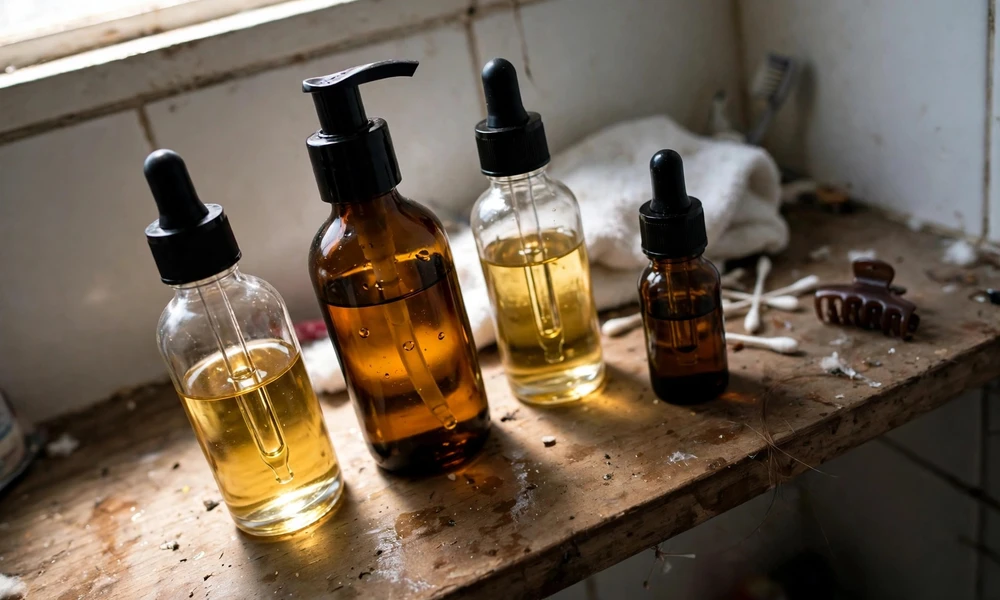
Look next at the formula. Fragrance-free or lightly fragranced oils are a better choice if your scalp is sensitive, and a formula with heat protection is useful if you blow-dry or use hot tools. A pump or dropper makes it far easier to control the amount than an open bottle, and for fine hair, control is everything. Our guide to how to use hair oil explains the basic technique, and the same principles apply here, with smaller amounts and stricter placement.
Finally, look at the price per use. A premium oil that costs more up front can work out cheaper than a budget bottle you use up quickly, or that you abandon because it is too heavy. Start with the smallest size available if you are trying a new formula, and give it two weeks before you decide.
The 9 best hair oils for fine hair of 2027
Moroccanoil Treatment Light
What we like: A lighter version of the classic Moroccanoil formula, with argan oil and a silky, fast-absorbing texture that adds shine without weighing fine hair down. What to consider: It contains fragrance and silicones, and it is easy to use too much, so start with one drop. Best for: Fine hair that needs shine and frizz control. Material: Argan oil. Price range: Mid-range. Standout feature: The light formula was made specifically for fine and light-coloured hair.
This is the most reliable starting point if you have never found an oil that works for fine hair. It absorbs quickly, smells pleasant, and gives a smooth, polished finish with very little product.
Olaplex No. 7 Bonding Oil
What we like: A very light, concentrated oil that adds shine, reduces frizz, and offers heat protection up to 230 degrees, with only a drop or two needed. What to consider: The bottle is small and the price is premium, and it is not a deep treatment oil. Best for: Fine, heat-styled hair that needs shine and protection. Material: Silicone-based bonding oil. Price range: Premium. Standout feature: Heat protection and shine in one very light step.
If you blow-dry or straighten fine hair, this earns its place by doing two jobs at once. A single drop over the ends before styling is usually enough.
Kérastase Elixir Ultime L’Huile Légère
What we like: A feather-light blend of camellia, argan, and pracaxi oils that leaves fine hair glossy and soft, with a fine mist spray that makes dosing easy. What to consider: Premium price, and the spray can be hard to aim precisely on very short hair. Best for: Fine hair that wants gloss without any greasy feel. Material: Camellia and argan oils. Price range: Premium. Standout feature: The light mist format gives even, controlled coverage.
Gisou Honey Infused Hair Oil
What we like: A honey-infused oil that smooths frizz, adds a soft shine, and leaves hair feeling supple rather than coated. What to consider: It has a noticeable honey scent, and it is richer than the lightest oils, so use half a dropper at most. Best for: Fine hair that is dry at the ends and needs softness. Material: Honey and mirsalehi honey oil. Price range: Premium. Standout feature: Honey gives softness and shine without a heavy, oily residue.
Best used as a finishing oil on dry ends, or as a pre-wash treatment that you rinse out fully. Either way, keep the amount small and keep it off the roots.
Verb Ghost Oil
What we like: A very light, weightless oil that disappears into fine hair, tames flyaways, and adds shine with no residue. What to consider: It is so light that very dry ends may need a second drop, and the scent is subtle rather than luxurious. Best for: Fine hair that gets weighed down by almost every oil. Material: Moringa oil. Price range: Mid-range. Standout feature: It is one of the lightest oils available, and it truly vanishes into fine hair.
Ouai Hair Oil
What we like: A smooth, light oil that controls frizz, adds shine, and protects against heat, with a pleasant, understated scent. What to consider: It is easy to over-apply from the pump, so dispense half a pump at a time. Best for: Fine hair that needs frizz control and a polished finish. Material: Ama oil and borage oil. Price range: Mid-range. Standout feature: Frizz control, shine, and heat protection in a single light formula.
A good everyday oil for fine hair, especially in humid weather. Use it on damp hair before blow-drying, or on dry hair to smooth the ends.
Bread Beauty Supply Everyday Gloss Hair Oil
What we like: A light, non-greasy oil that adds shine and softness to fine hair, with a clean, simple formula and an affordable price. What to consider: It is a newer brand with fewer long-term reviews, and the bottle is small. Best for: Fine hair that wants a simple, everyday shine oil. Material: Safflower and Kakadu plum oils. Price range: Affordable. Standout feature: A light, everyday gloss that never feels heavy on fine hair.
This is the budget-friendly pick that does not feel like a compromise. It is light enough for daily use and gentle enough for sensitive scalps.
Amika Glass Action Universal Elixir
What we like: A glossy, lightweight elixir that gives fine hair a glass-like shine, smooths frizz, and offers heat protection, with a little going a long way. What to consider: It is a shine-focused product, so it does less for dryness than a richer oil, and it is premium-priced. Best for: Fine hair that wants maximum shine with minimum weight. Material: Sea buckthorn oil. Price range: Premium. Standout feature: A high-gloss finish that still feels weightless.
Use it as a final step, after styling, pressed over the ends. It gives fine hair the kind of shine that usually comes from a much heavier product.
Davines OI Oil
What we like: A light, versatile oil with roucou oil that adds shine, softens the ends, and protects against heat and frizz. What to consider: The scent is distinctive and not to every taste, and the glass bottle needs careful handling. Best for: Fine hair that needs softness, shine, and frizz control in one step. Material: Roucou oil. Price range: Mid-range. Standout feature: A salon favourite that works as a leave-in, a styling aid, and a pre-wash treatment.
One of the most versatile oils on this list. A drop on damp hair before drying, or a drop on dry ends to finish, both work well for fine hair.
Which hair oil is right for your fine hair
Fine hair that is also dry needs a light oil with some conditioning power, such as the Moroccanoil Treatment Light or the Gisou Honey Infused Hair Oil, used on the ends only. Fine hair that is oily at the roots needs the lightest option available, such as Verb Ghost Oil or the Kérastase light mist, and should never be oiled at the scalp.
Fine, colour-treated hair benefits from an oil with heat protection, because colour and heat together dry the ends faster. Olaplex No. 7 and the Amika Glass Action Elixir both protect against heat while adding shine. Fine, wavy hair that frizzes in humidity needs a smoothing oil, such as Ouai Hair Oil or Davines OI Oil, applied to damp hair before drying so the cuticle stays flat.
If your scalp is sensitive, choose a fragrance-free or lightly fragranced oil, and avoid applying oil directly to the scalp unless you are doing a pre-wash treatment that you will rinse out. Scalp oiling is a separate practice, and our guide to what scalp oiling is explains how it differs from leave-in oiling. For most people with fine hair, leave-in oil belongs on the lengths and ends, not the scalp.
The caveats that matter
Hair oil is a simple product, but fine hair leaves little room for error. The most common mistake is using too much. A second drop, added because the first did not seem to do anything, is often the drop that turns hair greasy. Wait a minute after applying before you decide whether you need more. Oil also builds up. If you oil daily without washing properly, residue accumulates, hair looks dull and flat, and the scalp can become irritated.
| Detail | What is known |
|---|---|
| How much to use | One or two drops for fine hair; add more only after a minute if needed |
| Where to apply it | Mid-lengths and ends only; keep oil away from the roots and scalp |
| Best texture for fine hair | Light, fast-absorbing dry oils and silicone-based oils |
| When to use it | On damp hair before styling, or on dry hair as a finishing step |
| Who should be careful | Very oily scalps, sensitive scalps, and anyone prone to build-up |
| What to avoid | Thick, heavy oils as leave-ins, and oiling the roots |
| How to remove it | Shampoo normally, twice if needed; a clarifying wash once a month helps |
| What it does not do | It does not thicken hair, speed growth, or repair split ends |
If your scalp becomes itchy, flaky, or sore after oiling, stop and wash your hair thoroughly. Some people react to fragrance or to a particular plant oil, and a reaction at the scalp is a reason to change products, not to push through. If hair loss, scalp pain, or persistent irritation continues, speak to a dermatologist rather than trying more products.
Checklist: choosing a hair oil for fine hair honestly
Use these checks before you buy, and again after two weeks of use.
- Check the texture: it should feel light between your fingers and absorb within a minute or two.
- Check the applicator: a pump or dropper gives control; an open bottle makes it easy to pour too much.
- Start with one drop: warm it between your palms, press it over the ends, and wait before adding more.
- Keep it off the roots: oil belongs on the mid-lengths and ends, never on the scalp as a leave-in.
- Watch for build-up: if hair looks dull or flat after a week, wash twice and use less oil.
- Give it two weeks: judge an oil on how your hair looks after consistent, light use, not on day one.
Frequently asked questions
How much hair oil should I use on fine hair?
One or two drops is usually enough. Warm the oil between your palms, press it over the mid-lengths and ends, and wait a minute. If the ends still look dry, add one more drop to the ends only.
Can I put hair oil on my scalp if my hair is fine?
As a leave-in, no. Oil on the scalp weighs fine hair down and can cause build-up. As a pre-wash treatment that you rinse out fully, a light oil on the scalp is fine for most people, but keep it separate from your daily routine.
Which oil is best for fine, oily hair?
The lightest option you can find, such as a dry oil or a silicone-based oil like Verb Ghost Oil. Use a single drop on the ends only, and wash your hair as often as it needs, rather than stretching washes to make the oil last.
Will hair oil make my fine hair look greasy?
It will if you use too much or apply it near the roots. Used sparingly on the ends, a light oil should make fine hair look shinier, not greasier. If your hair looks greasy, use less and keep it further from the scalp.
Can I use hair oil before blow-drying fine hair?
Yes, and it is often the best time to use it. Apply one drop to damp hair, then blow-dry as usual. Choose an oil with heat protection, such as Olaplex No. 7, and keep the dryer on a medium heat setting.
Do I need to wash hair oil out every day?
No, a light leave-in oil can stay in until your next wash. But if you oil daily, wash thoroughly and consider a clarifying shampoo once a month, so residue does not build up and flatten your hair. Our roundup of hair oils for dry hair covers heavier formulas, which are a better match if your hair is thick or very dry rather than fine.
The bottom line
The best hair oil for fine hair in 2027 is the lightest one that still does the job. A single drop of a fast-absorbing oil, pressed over the ends, gives fine hair shine, softness, and frizz control without the weight that makes it look flat. The product matters, but the habit matters more: small amounts, ends only, and no oil at the roots.
Start with one of the light oils above, use it consistently for two weeks, and judge it on how your hair looks at the end of the day, not in the first five minutes. If your hair stays shiny and moves freely, you have found your oil. If it looks flat or greasy, use less, or try a lighter formula, before you give up on oils altogether.