
What a clove farm retreat actually is
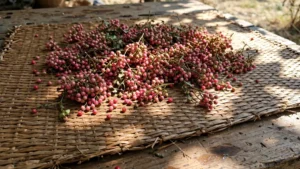
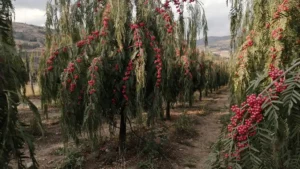
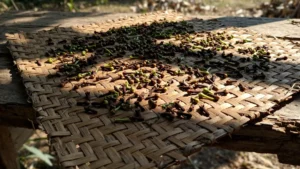
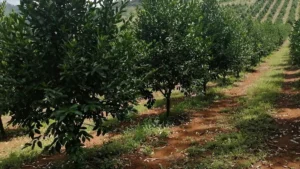
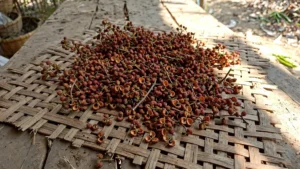
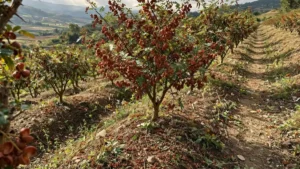
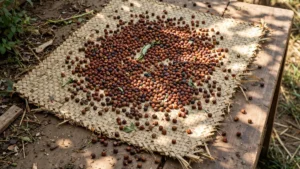
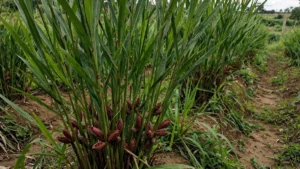
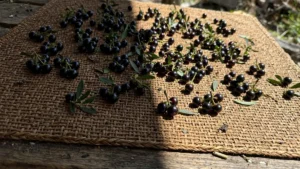
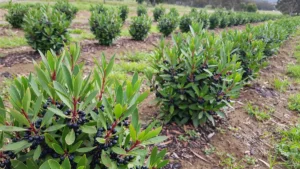
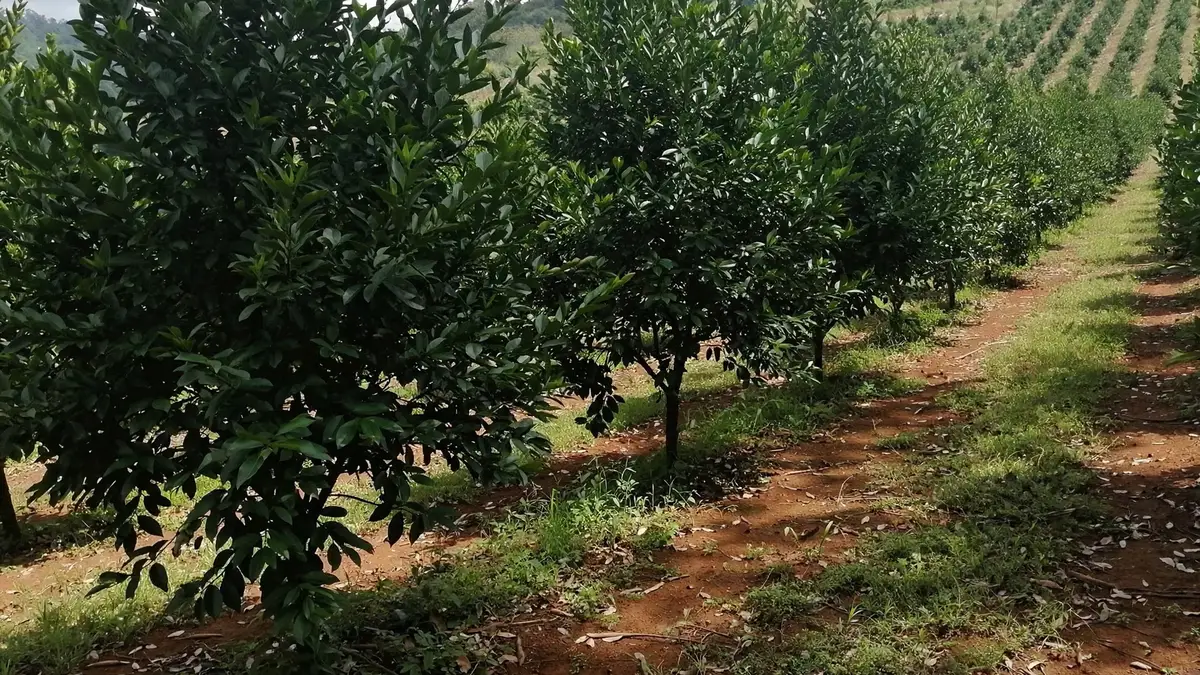
A clove farm retreat is a small stay on a working spice farm where the crop is the dried, unopened flower bud of an evergreen tree. The trees grow in neat rows under light shade, and the buds are picked by hand while still pink, before the flowers open. What you buy in a jar started as those pink buds, dried in the sun until dark brown and hard. On a retreat you sleep steps from the rows, walk the picking lines at dawn, and watch the drying yards fill.
Clove is one of the oldest traded spices in the world, and Zanzibar is still its classic home, though good farms now grow it across the Maluku Islands, Madagascar, Grenada, India, and Sri Lanka. The stays on this list are small — a handful of rooms, a farm table, and a host who grows the crop. Prices run from simple rooms near the drying yards to full-service lodges with a pool and a private guide.
What makes a clove stay different from any other spice farm is the picking itself. Buds must be taken at exactly the right hour, when they are pink and tight, and a day late means an open flower with almost no value. That urgency shapes the whole visit: early starts, quick hands, and a drying yard that changes colour from pink to brown between breakfast and dinner. If you want the work, pick one that lets you carry a basket.
Key takeaways
- Clove is the dried, unopened flower bud of an evergreen tree, picked pink and sun-dried until dark brown.
- Zanzibar is the classic clove home, with the Maluku Islands, Madagascar, Grenada, India, and Sri Lanka growing it well.
- Picking happens over a few short weeks, roughly July to September in Zanzibar and the Maluku Islands, and the best stays sell out first.
- Prices run from $65–$95 a night for simple rooms near the yards to $345–$380 for a lodge with a private guide.
- A stay booked outside the picking window means no harvest to join, so confirm the farm’s picking week before you book flights.
How we picked these stays, and what to ask first
We looked for farms that grow and dry their own cloves, keep guest numbers small, and let visitors into the real work. Every stay below was chosen because the farm’s own crew does the picking and drying on site, and the host can tell you which week the buds will be ready. We left out large resorts that list clove as a garden feature and lodges that buy dried buds from a trader.
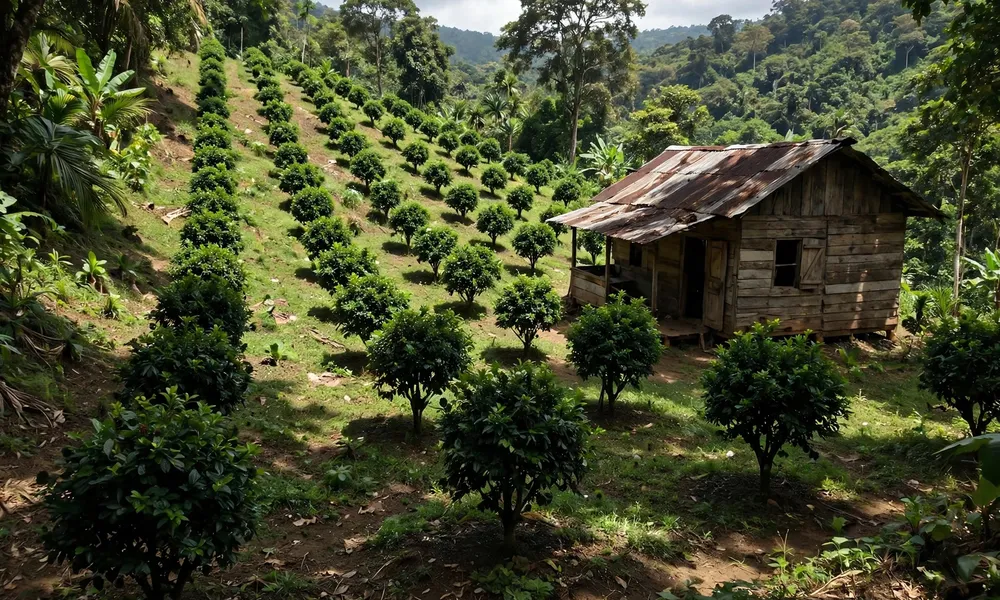
Before you book, ask three things. First, which week the farm expects to pick, because a clove stay outside picking season is a pretty farm with nothing to do. Second, whether guests may join the picking or only watch, since some farms keep visitors out of the rows for safety. Third, how the farm dries its buds — sun-dried on mats is the traditional way and the one worth seeing. For a sense of how other spice stays are run, our cardamom farm retreats follow the same picking-season logic.
The 9 best luxury clove farm retreats of 2027
Zanzibar, Tanzania — Where Clove Buds Are Picked Pink
Zanzibar grows more cloves than anywhere else on earth, and the farms here sit in red soil a short drive from Stone Town. The stay is a whitewashed house with a shaded veranda, and mornings start with chai and a walk through rows of tall evergreen trees. The farm picks its own buds and dries them on raised mats behind the house.
What We Like: The picking here is the real thing, with crews working steps from your room and a foreman who explains each bud.
What to Consider: The coast is hot and humid, the rows are muddy after rain, and Stone Town traffic slows the evening drive.
Best For: Watching pink buds turn brown in a single day of sun.
Style: Whitewashed island house with a shaded veranda.
Price Range: $65–$95 a night for two, breakfast and a picking walk included.
Standout Feature: A morning picking session with the farm’s own crew.
Pemba Island, Tanzania — Clove Groves Off the Main Road
Pemba is Zanzibar’s quieter sister, and its clove groves stretch across green hills that see far fewer visitors. The stay is a small lodge above a valley, with open rooms and a cook who grinds fresh cloves into every curry. Guests join the dawn pick and help carry the baskets back to the yard.
What We Like: The groves are the calmest on this list, with no crowds and a host who has grown cloves here for decades.
What to Consider: The island needs a short flight or a long ferry, the roads are rough, and the lodge keeps simple hours.
Best For: A slow week where the picking sets the pace.
Style: Hillside lodge with open rooms and a farm kitchen.
Price Range: $95–$125 a night for two, breakfast and dinner with the family included.
Standout Feature: A private valley of clove trees with no other guests in sight.
Ambon, Maluku, Indonesia — Clove Trees on the Old Spice Island
Ambon was once the centre of the world clove trade, and the old groves still climb the hills behind the bay. The stay is a timber house on a slope, with a terrace over the water and rows of trees that smell warm from the road. The farm dries its buds on bamboo mats for traders who have bought here for generations.
What We Like: The history is everywhere, from Dutch-era storehouses to trees said to be centuries old.
What to Consider: The island is remote, flights are few, and the steep hills demand good shoes.
Best For: Standing where the spice trade began.
Style: Timber hillside house with a terrace over the bay.
Price Range: $125–$155 a night for two, breakfast and a grove walk included.
Standout Feature: A walk among some of the oldest clove trees still bearing.
Ternate, Maluku, Indonesia — Clove Buds Below the Volcano
Ternate rises straight out of the sea, and its clove trees grow on the black volcanic slopes below the peak. The stay is a stone house with a garden, and the farm’s rows climb so steeply that picking starts at first light before the heat arrives. Guests watch the buds dry on mats in the yard.
What We Like: The setting is the most dramatic on this list, with a volcano, a black-sand shore, and heavy fruiting trees.
What to Consider: The slopes are hard walking, services are few, and rain can arrive without warning.
Best For: A farm stay with a volcano on the horizon.
Style: Stone garden house on a volcanic slope.
Price Range: $155–$185 a night for two, breakfast and a guided picking morning included.
Standout Feature: Drying yards with a volcano rising behind them.
Toamasina, Madagascar — Clove Drying Yards on the East Coast
Madagascar’s east coast is wet, green, and full of clove trees planted along the old trade roads. The stay is a wooden house on stilts near the drying yards, with wide verandas and a cook who uses cloves in rice and stews. Guests help spread the morning’s pick and turn the buds through the afternoon.
What We Like: The drying work is hands-on here, and the farm lets guests turn the buds themselves.
What to Consider: The coast is humid and rainy, the roads are slow, and mosquitoes are common after dusk.
Best For: Learning the drying yard by doing it yourself.
Style: Wooden house on stilts beside the drying yards.
Price Range: $185–$215 a night for two, breakfast and a drying-yard session included.
Standout Feature: A full afternoon turning buds on the mats.
Grenada, Caribbean — Clove Trees Above the Bay
Grenada is called the Spice Isle, and its clove trees grow on hills above a blue bay, mixed with nutmeg and cinnamon. The stay is a plantation-style house with a pool, and the farm runs short picking walks in the morning before the heat.
What We Like: The mix of spices is the richest in the Caribbean, with three crops within a short walk.
What to Consider: The hills are steep, the island is busy in season, and the picking window is short.
Best For: A Caribbean spice farm with a pool at the end of the day.
Style: Plantation-style house with a pool above the bay.
Price Range: $215–$245 a night for two, breakfast and a spice walk included.
Standout Feature: A tasting that compares fresh buds with week-old dried ones.
Idukki, Kerala, India — Clove Buds in the Cardamom Hills
Idukki sits high in Kerala’s Western Ghats, where clove trees grow beside cardamom and pepper under tall shade trees. The stay is a small estate house with a garden, and the farm picks its buds in the cool morning mist. Guests walk the rows with a guide who points out which trees are ready.
What We Like: The high-altitude air is cool and fresh, and the mixed garden makes every walk a lesson in three crops.
What to Consider: The roads are winding and slow, and the estate is an hour from the nearest town.
Best For: Cool mountain air and a garden full of spices.
Style: Estate house with a garden in the high ranges.
Price Range: $245–$275 a night for two, breakfast and a guided garden walk included.
Standout Feature: A guide who reads each tree’s readiness at a glance.
Kandy, Sri Lanka — Clove Buds Above the Lake
Kandy’s hills hold old spice gardens where clove trees grow beside cinnamon and nutmeg around the lake. The stay is a colonial-era house with a deep veranda, and the farm picks its buds early, before the day warms up. Guests can watch the buds dry on the lawn.
What We Like: The lake and the old town are close, so the stay pairs easily with a day of sightseeing.
What to Consider: The town is busy and the farm’s picking season is short.
Best For: A spice garden stay with a historic town nearby.
Style: Colonial-era house with a veranda above the lake.
Price Range: $275–$310 a night for two, breakfast and a lake-view room included.
Standout Feature: A drying lawn with a view over Kandy’s lake.
Grande Comore, Comoros — Clove Groves on the Volcanic Slopes
Grande Comore is the largest island of the Comoros, and its clove groves climb the slopes of an active volcano above the Indian Ocean. The stay is a full-service lodge with a pool, a spa, and a private guide, and the farm runs picking walks at dawn followed by breakfast on a terrace.
What We Like: The lodge is the most polished on this list, with a spa, a pool, and guides who know every slope.
What to Consider: The island is remote with few flights, and the lodge books out early in picking season.
Best For: A luxury stay on an island almost no one visits.
Style: Full-service lodge with a pool and spa on a volcanic slope.
Price Range: $345–$380 a night for two, breakfast, dinner, and a private guide included.
Standout Feature: A private guide and a volcano-slope grove all to yourself.
Which clove region fits your trip
If this is your first clove trip, start in Zanzibar. The picking is easy to join, the farms are used to guests, and Stone Town gives you somewhere to go after work. Families and first-timers will find the island the most forgiving, with short drives and plenty to eat. If you want quiet, Pemba is the better island, with the same trees and a fraction of the visitors.
For history, choose the Maluku Islands. Ambon and Ternate are where the clove trade began, and the old trees and storehouses make the visit feel like walking through a museum that still grows. These islands suit travellers who do not mind rough roads. For a luxury break, Grande Comore is the pick, with a proper lodge and a private guide, while Grenada suits anyone who wants a pool and a beach after the morning’s work. Our ginger farm retreats cover similar ground in Asia if you want to compare regions before you commit.
The caveats that matter
Clove picking is short, sharp work, and the season is unforgiving. A farm stay booked a week too early or too late can mean no picking at all, so the harvest calendar matters more than the room. The work is also physical: early starts, muddy rows, and ladders for the taller trees. Most farms will let you watch even if you cannot climb, so ask before you book.
| Detail | What is known |
|---|---|
| Picking season | Buds are picked pink, before the flowers open; the main season runs roughly July to September in Zanzibar and the Maluku Islands. |
| What a bud is | A clove is the dried, unopened flower bud of an evergreen tree, not a seed or a fruit. |
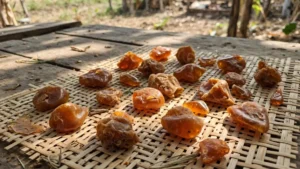
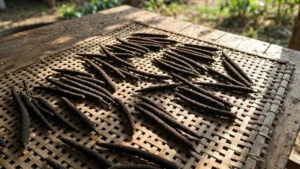
| How buds are dried | Fresh pink buds are spread on mats in the sun and turn dark brown and hard over several days. |
| Picking hours | Crews start at dawn, when the buds are cool and firm, and stop before the midday heat. |
| Physical effort | Rows can be muddy and steep, and taller trees need ladders; watching from the yard is usually fine. |
| Gluten | Cloves themselves are naturally gluten-free, but farm kitchens cook with wheat, so ask about shared pans and surfaces. |
| What to buy | Whole dried buds keep their aroma longest; ground clove fades fast, so buy whole buds at the farm shop. |
| Allergies | Clove oil is strong and can irritate skin; keep hands away from your face while picking and wash up after. |
Checklist: booking a clove farm stay honestly
- Ask the farm which week it expects to pick, and book inside that window.
- Confirm whether guests may pick or only watch, and what the farm provides.
- Check how far the rooms are from the rows, and whether the walk is steep or muddy.
- Ask what meals are included and whether the kitchen can handle a gluten-free diet.
- Pack closed shoes, a hat, and clothes you do not mind getting dusty.
- Leave room in your bag for dried buds from the farm shop.
Frequently asked questions
When are clove buds picked in Zanzibar?
The main picking season in Zanzibar runs roughly July to September, when the buds are pink and tight. Farms watch the trees daily and may shift the dates by a week, so confirm the window before you book flights.
Can I pick buds with the farm crews?
Many farms let guests pick alongside the crew for a morning, usually with a basket and a short lesson on which buds are ready. Some farms keep visitors out of the taller trees, so ask whether picking is hands-on or watch-only.
Do I need to worry about gluten on a clove farm?
Cloves themselves contain no gluten, but farm kitchens cook with wheat breads and sauces, and shared pans are common. Tell the farm before you arrive and ask how they handle separate cooking.
What is the difference between clove buds and clove oil?
Clove buds are the whole dried flower buds used in cooking, while clove oil is distilled from buds, stems, and leaves and is far stronger. The oil is used in tiny amounts for flavouring, and it can irritate skin, so it is not a souvenir to use neat.
Which months give the best picking weather?
July and August are usually the driest months in Zanzibar and the Maluku Islands, with cool mornings and steady sun for drying. Madagascar’s east coast stays wetter, so expect rain even in season.
What is the best thing to carry home from a clove farm?
Whole dried buds are the best buy, since they keep their aroma for months and travel well. Ground clove fades quickly, and clove oil is strong enough that a small bottle lasts a year. Our turmeric farm retreats make the same case for buying whole roots rather than powder.
The bottom line
A clove farm retreat is worth the trip if you time it to the picking. Zanzibar is the easiest first choice, the Maluku Islands are the most historic, and Grande Comore is the most polished. Book inside the harvest window, ask whether picking is hands-on, and pack for mud and early mornings.
Outside the season you will still get a pretty farm and good food, but you will miss the work that makes the stay special. Pick your week first, then your farm, and let the buds set the schedule.