What a clove farm escape involves
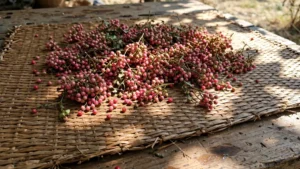
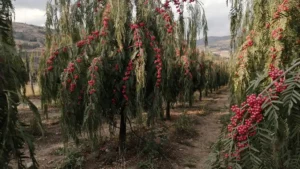
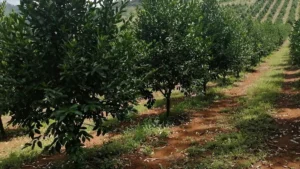
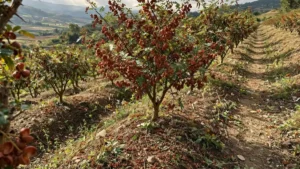
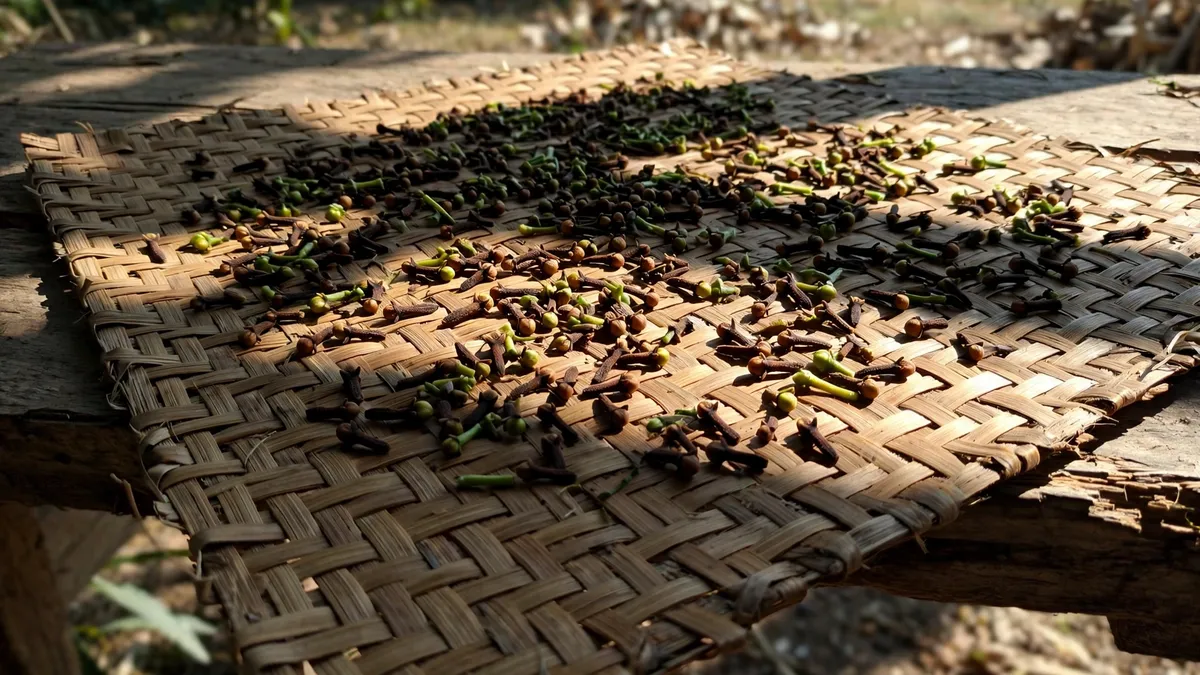
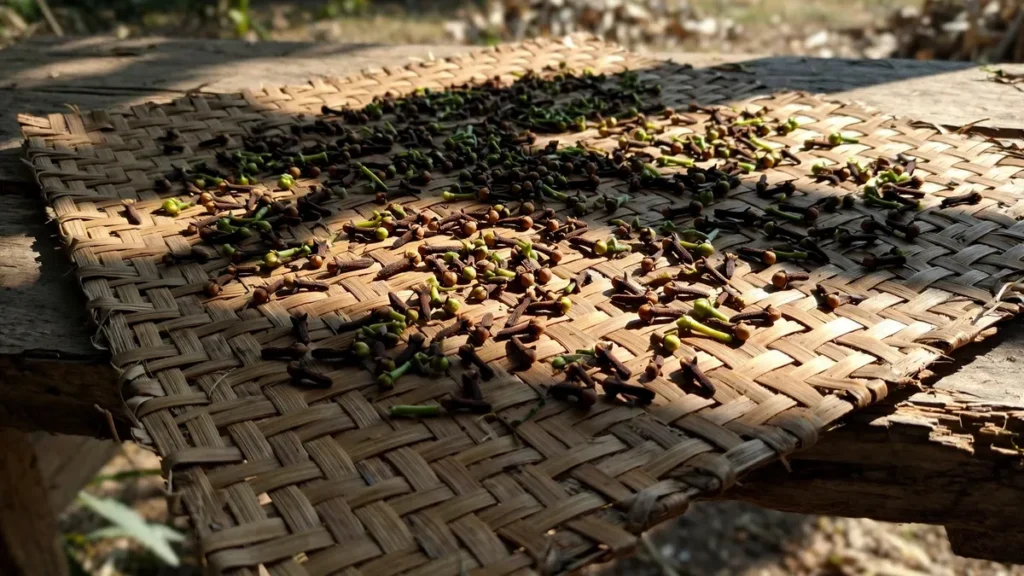
A clove farm escape is a short trip built around the picking of clove buds, the dried, unopened flower buds of an evergreen tree. You stay on a working spice farm, rise before dawn, and walk the rows while the buds are still cool and pink. The crew cuts each bud by hand, drops it into a basket, and carries it to the drying yard, where the pink buds are spread on mats and left in the sun until they turn dark brown and hard. By dinner the yard has changed colour, and you have watched a spice go from tree to jar in a single day.
Clove is one of the oldest traded spices, and Zanzibar is still its classic home, though the Maluku Islands, Madagascar, Grenada, and the spice hills of India and Sri Lanka all grow it well. An escape is not a resort holiday with a spice garden on the side. The farm is the point, the picking sets the hours, and the best stays keep guest numbers small enough that you are part of the morning rather than an audience for it.
Most escapes last three to five days, which is enough time to learn the picking, see a full drying cycle, and eat at the farm table more than once. You do not need experience, and you do not need to be fit enough to climb, since most farms are happy for guests to pick the low branches and watch the rest. You do need to book inside the harvest window, because a clove farm outside picking season is a quiet farm with nothing to do.
Key takeaways
- A clove farm escape is a trip built around the picking, with dawn starts, a drying yard, and meals at the farm table.
- Book the picking week first — roughly July to September in Zanzibar and the Maluku Islands — and let flights follow the harvest.
- Choose a farm that grows and dries its own buds, with a drying yard on site and guests allowed into the work.
- Three to five days is enough: two picking mornings, a full drying cycle, and a couple of farm dinners.
- Clove oil can irritate skin and farm kitchens cook with wheat, so wash up after picking and tell the farm about a gluten-free diet in advance.
How to plan it, and what to ask first
Start with the harvest, not the hotel. Find the picking weeks for your chosen region — roughly July to September in Zanzibar and the Maluku Islands — and build the trip around them. Then choose a farm that grows and dries its own buds, keeps guest numbers small, and can tell you which week it expects to pick. A farm that cannot name its picking week is probably buying dried buds from a trader, and the visit will show it.
Before you book, ask the farm three things. First, whether guests may pick or only watch, since some farms keep visitors out of the rows. Second, how the farm dries its buds, because sun-drying on mats is the traditional method and the one worth seeing. Third, what meals are included and whether the kitchen can handle a gluten-free diet, since farm tables cook with wheat. For a sense of how the planning works on another spice farm, our guide to planning a cardamom farm escape follows the same harvest-first logic.
The 9 steps to plan a clove farm escape
Ask the farm for its picking week before anything else
Clove buds are picked pink, before the flowers open, and the window lasts only a few weeks. Ask the farm which week it expects to pick, then book your flights inside that window. A trip planned around a cheap flight or a free weekend will often miss the harvest entirely.
What to Do: Email the farm and ask for its expected picking dates before you book anything else.
What to Avoid: Booking flights first and hoping the picking lines up with them.
Best For: Travellers who want to pick, not just look.
Time Needed: A week of planning, months ahead of the season.
Standout Tip: Farms will often shift dates by a week, so keep your flights changeable.
Tell a ripe bud from an open flower at a glance
Not every bud is worth picking. The best buds are pink, tight, and unopened, while open flowers and brown buds have almost no value. Learn what a good bud looks like before you go, so you can tell whether a farm is picking properly or just filling baskets.
What to Do: Read up on bud grading and ask the farm how it trains its pickers.
What to Avoid: Choosing a farm on its photos alone, without asking about its picking standard.
Best For: Anyone who wants to understand the work, not just watch it.
Time Needed: One quiet evening of reading before you book.
Standout Tip: A farm that talks about grading is a farm that takes the crop seriously.
Stay on a farm that dries its buds in the sun
Some lodges call themselves spice farms but buy their dried buds from a trader and keep no drying yard at all. The real experience is watching your morning’s pick spread on mats and turn brown in the sun. If there is no drying yard, there is no farm stay worth the name.
What to Do: Ask the farm to describe its drying yard and how long the buds take to dry.
What to Avoid: A stay where the spice arrives in sacks from elsewhere.
Best For: Travellers who want the full journey from tree to jar.
Time Needed: One email, before you pay a deposit.
Standout Tip: Ask for a photo of the drying yard, not the pool.
Arrive a day ahead and wake up where the work is
Picking starts at dawn, when the buds are cool and firm, and the crew will not wait for a late arrival. Arrive the evening before, eat with the farm family, and sleep on the farm so you are in the rows at first light. A morning spent driving to the farm is a morning of picking lost.
What to Do: Plan your arrival for the afternoon or evening before your first picking day.
What to Avoid: Landing the same morning and expecting the crew to hold the work for you.
Best For: Early risers and anyone who hates rushing.
Time Needed: One extra night on the farm.
Standout Tip: The evening meal is where you learn the farm’s story.
Watch the buds change colour across two days of sun
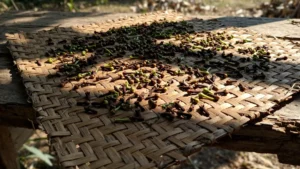
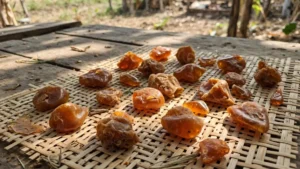
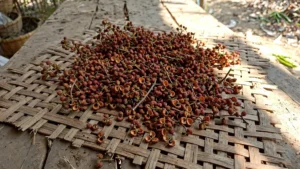
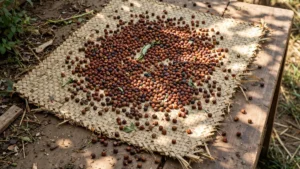
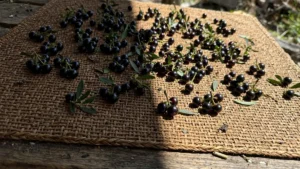
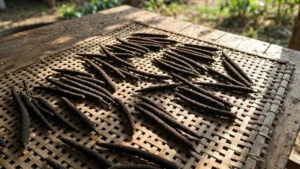
The drying yard is where the trip becomes real. Fresh buds go onto the mats pink and soft, and over two or three days of sun they shrink, harden, and turn dark brown. Spend an afternoon in the yard turning the buds with the crew, and you will understand the spice in a way no jar ever taught you.
What to Do: Join the afternoon turning session and ask the crew how they judge when a bud is done.
What to Avoid: Handling the buds with wet hands, which can stain them and slow the drying.
Best For: Anyone who likes learning by doing.
Time Needed: A full afternoon in the yard.
Standout Tip: The colour change from pink to brown happens faster than you expect.
Taste a whole bud against a spoon of ground clove
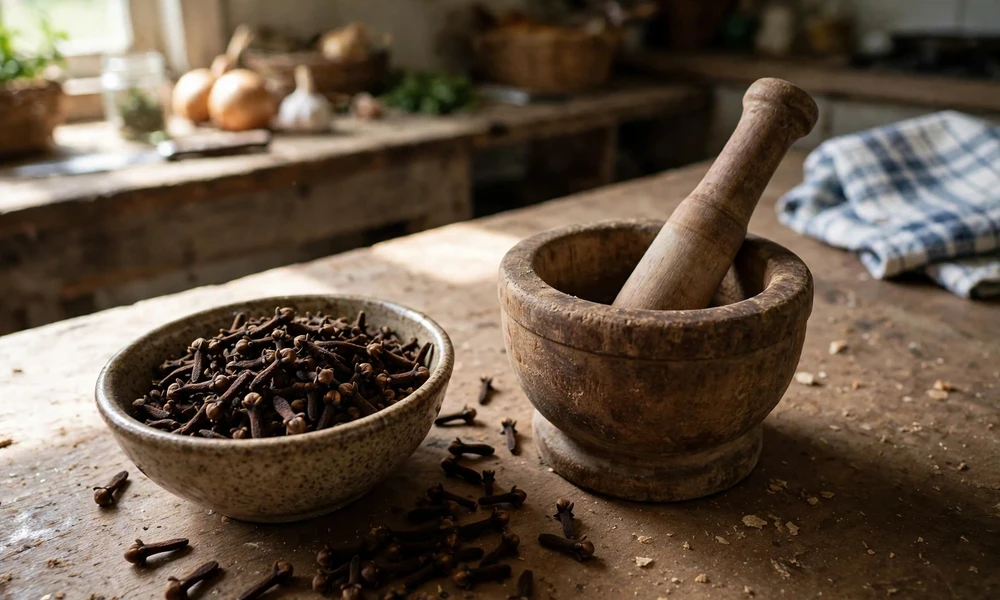
A whole dried bud and a spoon of ground clove are the same spice at different ages, and the difference is startling. The whole bud is warm, sweet, and slow, while the ground spice is sharp and fades fast. Ask the farm cook for a side-by-side tasting, and you will never buy ground clove again.
What to Do: Ask for a tasting of whole buds, ground clove, and a dish cooked with each.
What to Avoid: Biting straight into a whole bud, which is far stronger than it looks.
Best For: Cooks and anyone who buys spices at home.
Time Needed: Thirty minutes at the farm table.
Standout Tip: Whole buds keep their aroma for months; ground clove loses it in weeks.
Take dinner with the farm family and ask where the clove goes
The farm table is where the trip pays off. Cloves go into rice, stews, curries, and tea, and every family has its own way of using them. Sit down for dinner, ask which dishes carry the clove, and take notes — the recipes are the real souvenir, and no shop sells them.
What to Do: Eat at the farm table at least twice and ask about the dishes.
What to Avoid: Eating in town every night and missing the farm’s own cooking.
Best For: Food lovers and home cooks who like to learn by tasting.
Time Needed: Two evenings at the table.
Standout Tip: Ask the cook to show you how much clove goes into a pot of rice.
Bring shoes you can wash and a bag that closes tight
The rows are muddy after rain, the drying yard is dusty, and clove oil stains anything it touches. Pack closed shoes you can hose down, clothes you do not mind getting dirty, and a bag that closes tight for the buds you buy. A light jacket helps for the dawn start, when the rows are cool.
What to Do: Pack old shoes, a hat, and a sealable bag for dried buds.
What to Avoid: White clothes, open sandals, and a bag that lets spice dust escape.
Best For: Practical packers and anyone who hates laundry.
Time Needed: Ten minutes of packing the evening before you travel.
Standout Tip: Clove oil can stain skin, so wash your hands after picking.
Buy the buds you watched dry, on your way out
The farm shop sells the same buds you watched dry, and they are the best cloves you will ever own. Buy whole dried buds in a sealed bag, and skip the ground spice, which fades fast. A small bag goes a long way in the kitchen, and the farm keeps the full price instead of a trader’s cut.
What to Do: Buy whole buds on your last morning, after the final drying check.
What to Avoid: Buying ground clove or oil, which lose their strength quickly.
Best For: Cooks and anyone who wants a real souvenir.
Time Needed: Twenty minutes at the farm shop.
Standout Tip: Ask the farm how to store the buds so they keep their aroma.
Picking the right season and region
Zanzibar is the easiest first choice, with the longest picking season and the most farms used to guests. The main harvest runs roughly July to September, when the mornings are cool and the sun is steady enough for drying. If you want quiet, Pemba has the same trees with far fewer visitors, though the island is harder to reach. For history, the Maluku Islands are unmatched — Ambon and Ternate are where the clove trade began — but the flights are few and the roads are rough.
Madagascar’s east coast is the wettest option, so expect rain even in season, while Grenada suits anyone who wants a pool and a beach after the morning’s work. India and Sri Lanka work well as part of a longer spice trip, since their clove gardens grow beside cardamom, pepper, and cinnamon. Wherever you go, confirm the picking week with the farm itself, because the trees set the dates and no calendar can promise them. Our guide to planning a ginger farm escape covers the same harvest-first approach in Asia.
The caveats that matter
The biggest risk on a clove escape is timing. Book a week too early or too late and there will be no picking at all, only a pretty farm and a drying yard full of empty mats. The work is also physical, with early starts, muddy rows, and ladders for taller trees, though most farms are happy for guests to pick the low branches and watch the rest. Clove oil is strong and can irritate skin, so wash your hands after picking and keep them away from your face.
| Detail | What is known |
|---|---|
| Harvest window | The picking lasts only a few weeks, so ask the farm for its exact dates — a week either way can mean no harvest at all. |
| What you are picking | A clove is a flower bud taken before it opens, then dried; it is neither a seed nor a berry. |
| Drying method | Crews spread the fresh buds on woven mats in full sun, turning them until they harden and darken. |
| Working hours | The crew works from dawn until the heat builds, then the buds go onto the mats for the afternoon. |
| How hard it is | The ground can be slippery after rain and the slopes are steep in places; low branches are easy for guests to reach. |
| Gluten-free eating | The spice itself has no gluten, but the kitchen serves wheat breads, so tell the farm ahead if you need separate cooking. |
| Best souvenir | Take home whole buds in a sealed bag — they hold their scent for months, unlike ground clove. |
| Skin care | The oil in fresh buds can sting eyes and irritate skin, so wash your hands before touching your face. |
Checklist: before you book a clove farm escape
- Email the farm for its picking dates before you book flights.
- Ask whether picking is hands-on or watch-only.
- Check the distance from your room to the rows.
- Tell the kitchen about a gluten-free diet in advance.
- Pack washable shoes, a hat, and a sealable bag.
- Keep space in your luggage for a bag of dried buds.
Frequently asked questions
How many days does a clove farm escape need?
Three to five days is enough for most travellers. Two picking mornings, a full drying cycle, and a couple of dinners at the farm table give you the whole story. A single night is too short, since the picking starts at dawn and the drying takes days to watch properly.
Can guests pick buds, or is it watch-only?
It depends on the farm. Many let guests pick the low branches for a morning, with a basket and a short lesson on which buds are ready. Others keep visitors out of the rows for safety and let them watch from the yard instead, so ask when you book rather than after you arrive.
How do farm kitchens handle a gluten-free guest?
Most farm kitchens can cook gluten-free if you tell them before you arrive, but they usually share pans and surfaces with wheat cooking. Ask how they separate the cooking and whether they can prepare your meals first, before the wheat dishes go on.
What should I wear for a morning in the rows?
Closed shoes you can wash, long trousers, and a hat are the essentials, since the rows are muddy and the sun gets strong by mid-morning. A light jacket helps at dawn, when the rows are cool, and gloves are useful if you plan to pick for more than an hour.
When is the driest month to visit a clove farm?
August is usually the driest month in Zanzibar and the Maluku Islands, with cool mornings and steady sun for the drying yards. Madagascar’s east coast stays wetter through the season, so expect rain whenever you go and pack a light waterproof layer.
What should I pack in my bag for the trip home?
Whole dried buds in a sealed bag are the best thing to bring home, since they keep their aroma for months and travel well. Ground clove loses its punch within weeks, while one small bottle of oil will last you a year. Our guide to planning a turmeric farm escape makes the same point about buying whole spices at the farm shop.
The bottom line
A clove farm escape works when you plan it around the harvest. Pick your picking week first, choose a farm that dries its own buds, arrive the evening before the morning pick, and give yourself three to five days. Zanzibar is the easiest first trip, the Maluku Islands are the most historic, and Grande Comore is the most polished.
The work is early, muddy, and worth it. You will come home with a bag of whole buds, a few recipes from the farm table, and a proper understanding of where the spice in your kitchen actually comes from.