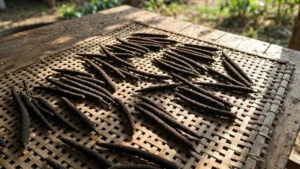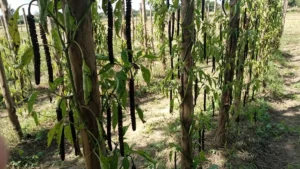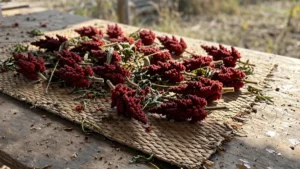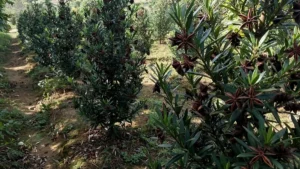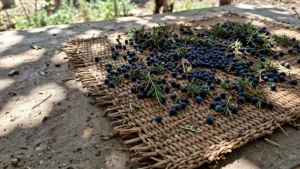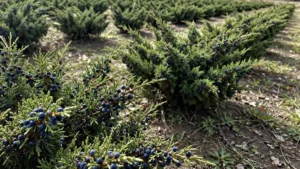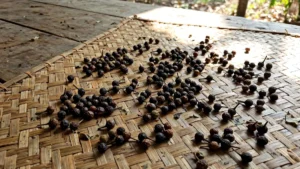
A long pepper farm escape is a short trip built around a harvest, not a holiday built around a hotel. You choose a farm that grows Piper longum, a climbing vine whose fruiting spikes are cut green and dried in the sun, and you plan the whole trip around the week the farm picks. Get the week right and you will cut spikes in the morning and eat them in the evening curry. Get it wrong and you will miss the work that makes the trip worth taking.
Planning one is simpler than it looks, and most of the work is asking the right questions before you pay anything. The farms are small, the rooms are few, and the kitchens cook set menus, so the trip rewards travellers who confirm the dates, the diet and the price in writing and then stop fussing. If you have planned a black pepper farm escape before, the shape will feel familiar: pick the crop, fix the week, ask who dries it, and pack for mud. Long pepper adds one twist: it is hotter than black pepper, and the kitchen uses it generously.
The nine steps below walk through the whole plan, from choosing the spike to bringing the dried cones home. The expensive mistakes are all the same: booking the flights before the farm names its week, paying a deposit before telling the kitchen about wheat, and packing resort clothes for a farm that works in the rain.
Key takeaways
- Long pepper is the dried fruiting spike of a climbing vine, hotter than black pepper, and the harvest week matters more than the month.
- Book the farm’s picking week first, then the flights, and get the week in writing before you pay anything.
- Find out who harvests the spikes, and ask the kitchen to show its pepper on day one.
- Tell the kitchen about wheat and any other allergy before the deposit is paid, since the bread beside the meal is usually wheat.
- Long pepper carries no gluten, but the weather decides the dates, so keep a free day after the picking week.
What a long pepper farm escape involves
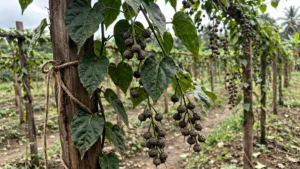
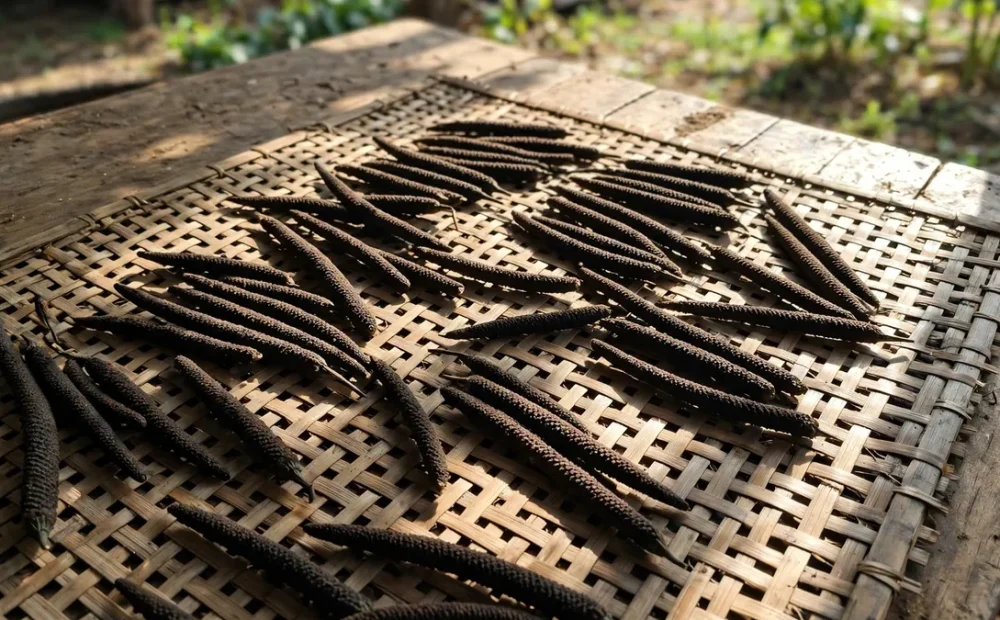
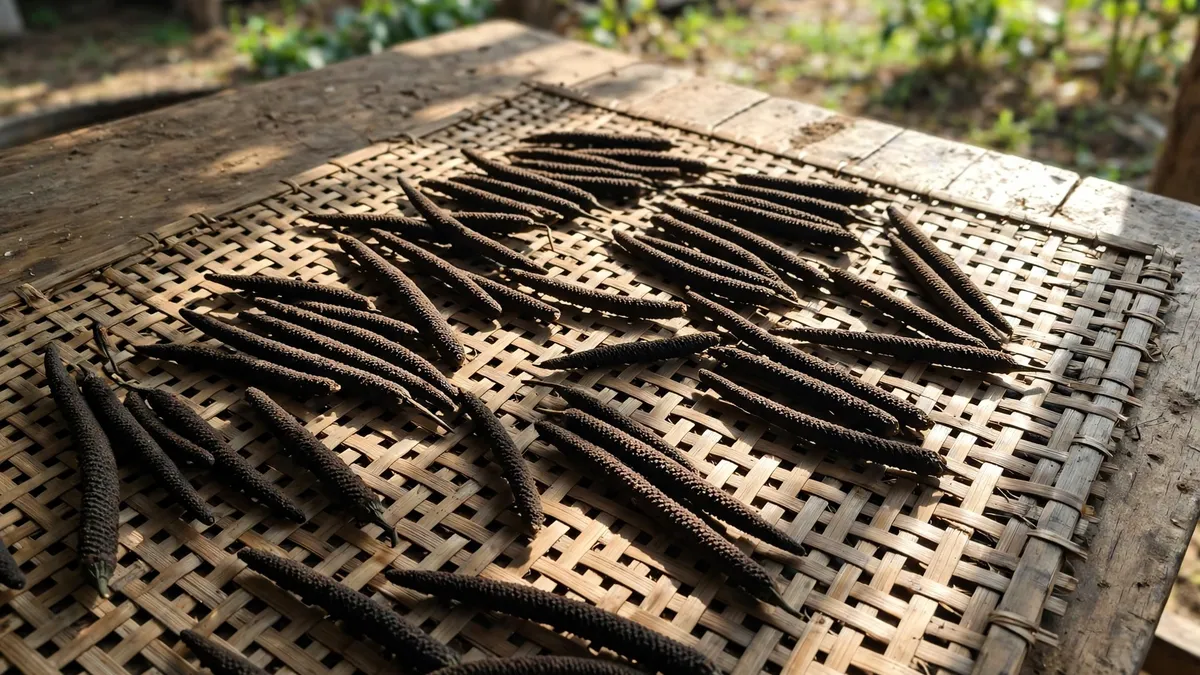
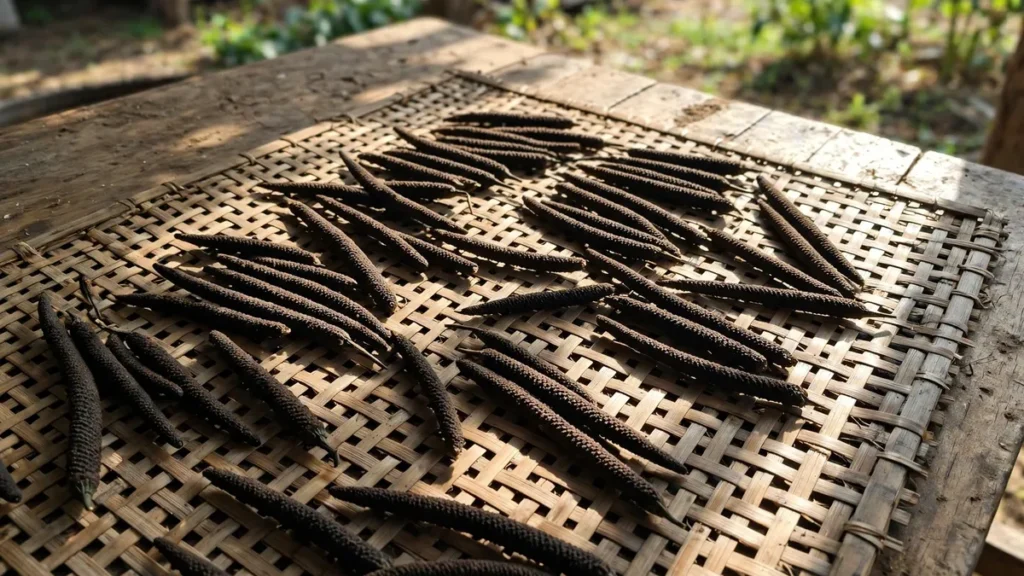
A long pepper farm escape involves three to five nights on a working spice farm, with the days built around the vine. Mornings start early, while the air is still cool, and guests who want to can join the workers at the vines with gloves and a basket. The spikes are cut with a small knife, carried to the drying yard in baskets, and spread on mats or raised racks in the sun.
The stay is plain by design. Rooms are simple, often with a fan rather than air conditioning, and meals are served at one long table with the farm family and the other guests. What you get instead is a kitchen that cooks with the spice it picked that week, a drying yard you can walk through, and a harvest you can watch from the first cut to the last tray.
The flavour is the reason to go. Long pepper heat arrives a beat later than black pepper heat and stays longer, with a sweet, woody warmth underneath. On the farm you will taste it the way it was meant to be tasted: fresh-ground, in food cooked the same day it was picked.
How to plan it, and what to ask first
Write to the farm before you book anything. Pick a region from the long pepper country — Assam, Meghalaya, the Dooars, Badulla, Bogor, Bengkulu, Lâm Đồng, Davao or Sylhet — and write to the farm first. Ask for the picking week, the room price, the meals included and the diet question, all in one message.
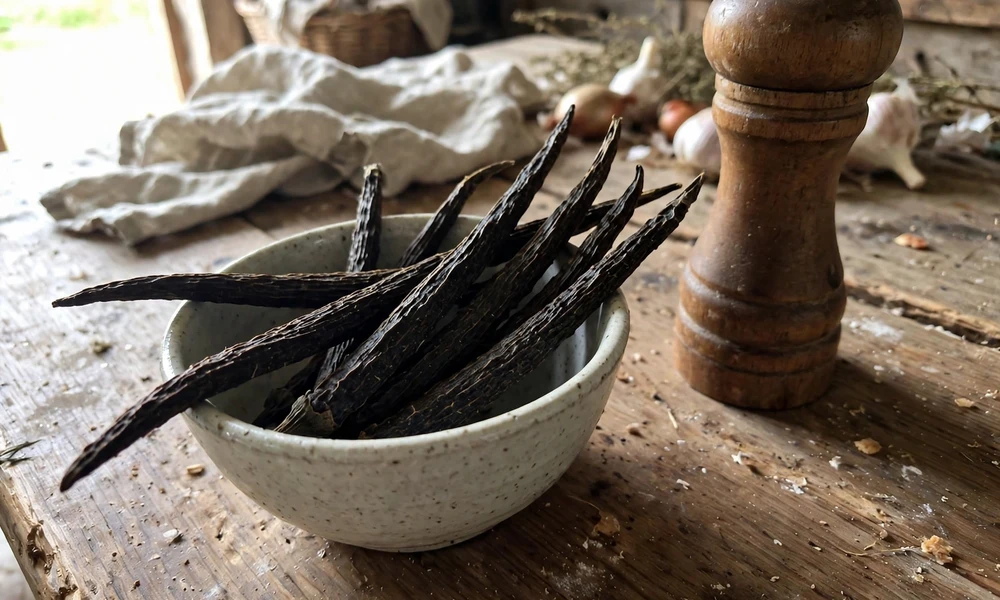
The three questions that matter most are the week, the drying and the kitchen. When is the picking week, and will guests be there for the cutting? Who dries the spikes, and can you see the yard? What does the kitchen cook with long pepper, and can it feed you safely if you eat gluten-free? The cinnamon farm escape planners use the same three questions, because they sort honest farms from pretty rooms on any spice trip.
The 9 steps to plan a long pepper farm escape
Start by learning the spice itself
What to do: Learn the difference between long pepper and black pepper before you write to any farm. Long pepper is a dried spike, hotter and slower, with a sweet warmth underneath. Read about the regions, pick the trip you want, and choose the farm that grows it.
What to avoid: Do not book a farm because the photos are pretty. A beautiful room on a farm that buys its spice in is worse than a plain room on a farm that cuts its own spikes.
Best for: Travellers choosing their first spice harvest trip. Time needed: One evening of reading. Standout tip: Taste long pepper at home first.
Book only after the farm names its week
What to do: Ask the farm for its picking week in writing, then book the flights around it. The harvest of a small farm passes in two to four weeks, and the cutting happens on a handful of days inside that window. Arrive in the week and you will see the whole cycle.
What to avoid: Do not book flights for a month and hope the harvest falls inside it. The rains can move the picking by a week.
Best for: Travellers who can move their dates by a week. Time needed: One message and one reply. Standout tip: Confirm the week again a fortnight before you travel.
Find out who harvests the spikes
What to do: Ask who does the cutting, whether guests may join for a morning, and where the drying yard is. A real farm will have workers, baskets, shears and a yard full of mats or raised racks. The drying yard is the heart of the harvest.
What to avoid: Do not accept a demonstration vine and a basket of bought spice.
Best for: Travellers who want to see the work, not just the room. Time needed: One message. Standout tip: Ask for a photo of the drying yard before you pay.
Ask the kitchen to show its pepper on day one
What to do: On your first day, ask the kitchen for a taste of the farm’s own dried long pepper, ground fresh. The heat should build slowly and stay, with a sweet warmth underneath. Eat the first meal with a glass of water beside you, and let the kitchen cook the way it always cooks.
What to avoid: Do not ask the kitchen to hold back the pepper on the first night. You travelled for the heat.
Best for: Travellers who like their food properly spiced. Time needed: One meal. Standout tip: Grind the spike yourself and smell it first.
Walk the vines in the early morning
What to do: Do your walking early, while the air is cool and the paths are still soft from the night. The vines are heaviest with spikes in the morning, the workers are out, and the light is kind. Wear closed shoes and follow the worker who knows the rows.
What to avoid: Do not walk the vines at midday. The sun hardens the mud into ruts, and the workers will have gone in for the long midday rest.
Best for: Early risers and keen walkers. Time needed: Two to three hours each morning. Standout tip: Go out with the first crew and come back with the baskets.
Flag wheat and allergies in your first message
What to do: Write to the kitchen about wheat and any other allergy in your first message, before any money is paid. Long pepper itself carries no gluten, and the farms cook plenty of rice, lentils, vegetables and grilled meat, but the bread and pastry beside the meal are usually wheat.
What to avoid: Do not wait until you sit down at the table to mention it. A small farm kitchen shops days ahead.
Best for: Gluten-free travellers and anyone with an allergy. Time needed: One message. Standout tip: Ask the kitchen to name the safe dishes before you arrive.
Wear closed shoes and carry a rain layer
What to do: Pack closed walking shoes, a broad sun hat, a light rain layer and clothes you can wash by hand. The paths are mud, the rain comes fast, and the drying yard throws up spice dust that settles on everything.
What to avoid: Do not bring white clothes, open sandals or anything you cannot wash in a basin.
Best for: Practical packers. Time needed: One evening of packing. Standout tip: Pack a spare pair of socks for every day.
Set aside a day for the town market
What to do: Keep one day free and spend it at the nearest town market, tasting long pepper from different sellers and comparing it with the farm’s own. The market shows you the spice as a trade: sacks of dried spikes, different grades, different prices, and vendors who will grind a pinch for you to smell.
What to avoid: Do not buy the first sack you are shown. Walk the market and buy from the vendor who lets you taste before you pay.
Best for: Travellers who like markets and bargaining. Time needed: Half a day. Standout tip: Bring a small cloth bag and keep the spikes dry.
Carry dried spikes home; let the green ones stay on the vine
What to do: Buy dried spikes from the farm shop or the town market, pack them dry in a cloth bag, and keep them out of damp. Dried long pepper keeps for months in a sealed jar, and a handful will season a winter of curries and stews.
What to avoid: Do not pick green spikes from the vine to take home. Green spikes spoil fast, and the vine loses next year’s crop.
Best for: Cooks who want the trip to last past the flight home. Time needed: Thirty minutes at the farm shop. Standout tip: Buy whole spikes and grind them fresh at home.
Picking the right season and region
The picking season for long pepper is short and it moves with the rain, so the season you want is the week the farm names, not the month the guidebook prints. In Assam and the Dooars the picking falls in the wet months, when the vines are heavy and the paths are mud. In Badulla it falls in the dry months, when the sun is strong on the drying yard and the roads are easy.
For a first trip, Assam in the early rains or Badulla in the dry season are the easiest choices. Assam is the cheapest stay and the plainest introduction to the vine, the spike and the drying yard, while Badulla has cooler air, dry roads and a farm that has hosted guests for years. If you want the harvest at its busiest, go to Meghalaya or Sylhet in the full monsoon, when the cutting is daily and the yards work between the showers. If you want comfort with your harvest, Davao and Lâm Đồng are the better bets, with volcanic soil and good kitchens. The same rule holds for nutmeg farm escapes: the week matters more than the month.
The caveats that matter
The caveats of a long pepper escape are the caveats of any small farm trip. The harvest week can move by a week if the rains come early or late, and a farm that promised a picking day may have to move it. Rooms are few and plain, meals are set menus, and there is no hotel desk to fix a problem at midnight. Guests with a strong sensitivity to pepper should be careful in the drying yard and at the table.
| Detail | What is known |
|---|---|
| Best time to visit | In the picking weeks, when the spikes are green and full, with the season shifting by region and the farm naming its week, not a month |
| How long a stay runs | Three to five nights, set around the picking weeks |
| What the work involves | Walking the vines, watching the spikes cut down and stripped by hand, and seeing them spread in the sun to dry and turn dark |
| Who should take care | Guests with a strong sensitivity to pepper, and anyone unused to fierce sun, heavy rain or steep muddy paths |
| What the kitchen serves | Curries, stews, grills and pickles with long pepper ground fresh, with rice, bread and farm butter beside the plate |
| Gluten note | Long pepper carries no gluten, but the bread and pastry served beside it are usually wheat, so ask the kitchen what it can safely serve |
| What to pack | Closed walking shoes, a broad sun hat, a rain layer for sudden showers, and clothes that wash easily by hand |
| What it does not do | No promised picking day, no fixed menu, and no hotel-style service on a working farm |
Money is the other caveat. Small farms often take cash only, card machines are rare, and the farm shop will not take a card for a bag of dried spikes. And keep one free day after the picking week. If the harvest shifts by a day or two, that free day is the difference between seeing the cutting and missing it entirely.
Checklist: before you book a long pepper farm escape
- Get the farm’s picking week in writing before you book the flights.
- Get the room, the meals and the price confirmed in one message, and save the reply.
- Warn the kitchen about wheat and any other allergy before you pay the deposit.
- Pack closed shoes, a rain layer and clothes that wash in a basin.
- Carry cash for the farm shop, the market and the ride back to town.
- Leave a free day after the picking week, in case the harvest shifts.
Frequently asked questions
What makes long pepper hotter than black pepper?
The heat comes from the same family of compounds, but long pepper carries them in a denser, slower form. Its heat builds a beat later than black pepper and stays longer, with a sweet, woody warmth underneath.
When does the picking season open for long pepper?
In a short window of two to four weeks that shifts by region and by year. The farm sets the week, and the rains can push it seven days either way.
Does long pepper climb, or does it grow on a tree?
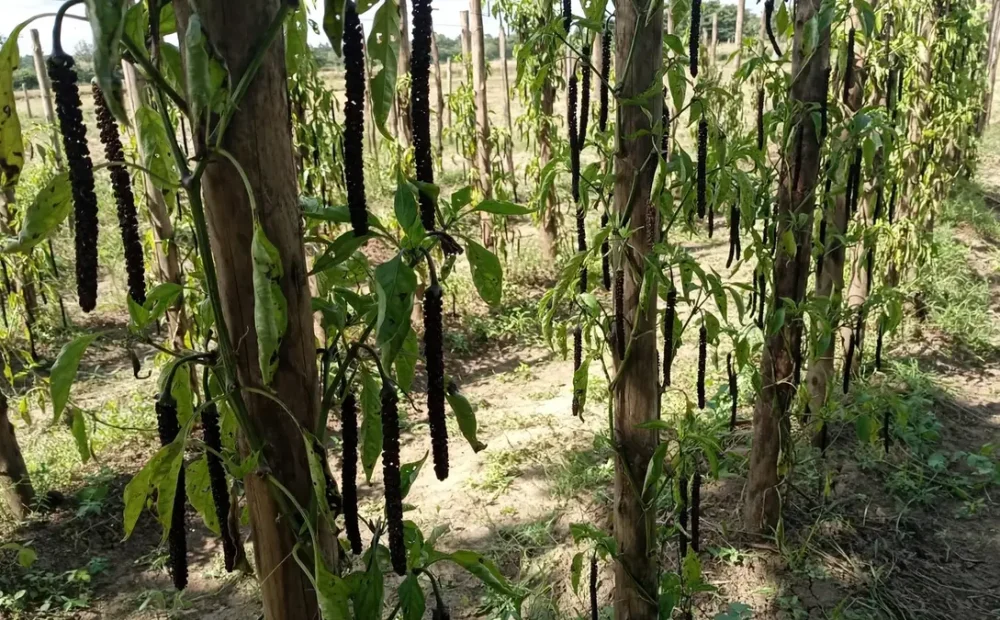
It climbs. The vine winds up living trees and wooden posts, gripping the bark with small roots, and the spikes hang down from the stems. The tree is a support, not the crop, and the harvest is the cutting of the spikes from the vine.
Can visitors lend a hand at harvest time?
On most of these farms, yes, for a morning or two, with gloves, a basket and a worker at your side. Cutting is done with a small knife, slowly and carefully, because a torn vine gives no spikes next year.
Which region suits a first long pepper trip best?
Assam or Badulla. Assam costs least and gives the plainest introduction to the vine and the drying yard, while Badulla has cooler air and a dry-season picking week that is easier to plan. Both farms serve good food and answer questions plainly.
Can a gluten-free traveller eat well on these farms?
Yes, if you warn the kitchen before you pay. The spice itself is gluten-free, and the farms cook plenty of rice, lentils, vegetables and grilled meat. The danger is the bread and pastry beside the meal, which are usually wheat.
The bottom line
A long pepper farm escape is a small trip with a clear shape: choose the farm, fix the week, ask about the drying yard and the kitchen, pack for mud and rain, and keep a free day after the harvest. Do those five things and the rest takes care of itself.
The spice you bring home is the proof. A bag of dried spikes, ground fresh in your own kitchen, will taste of the farm for months, and it will remind you why Rome loved this pepper before black pepper took its place. Book the week, not the month, and go.