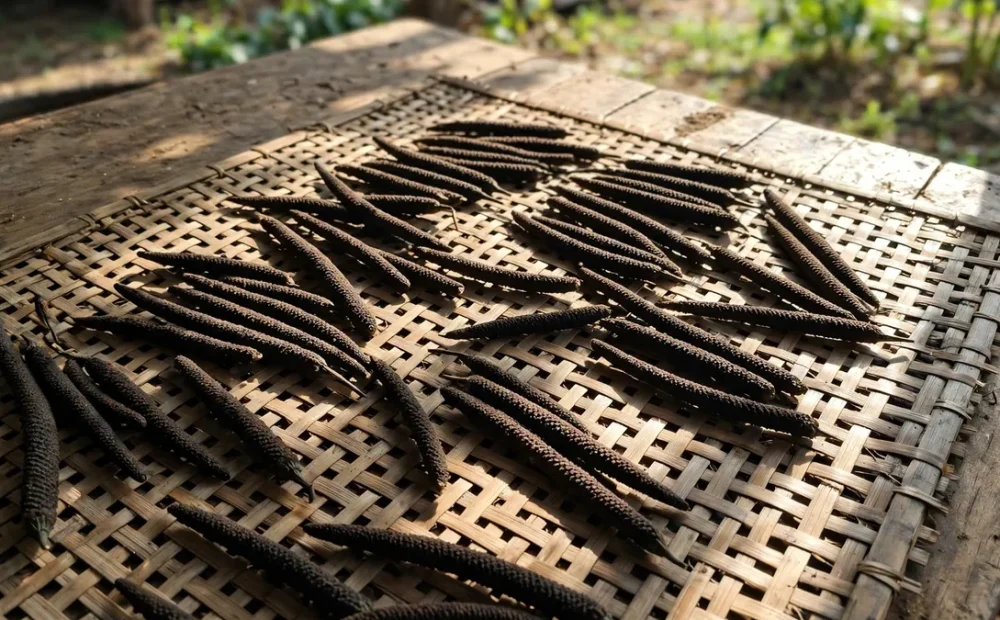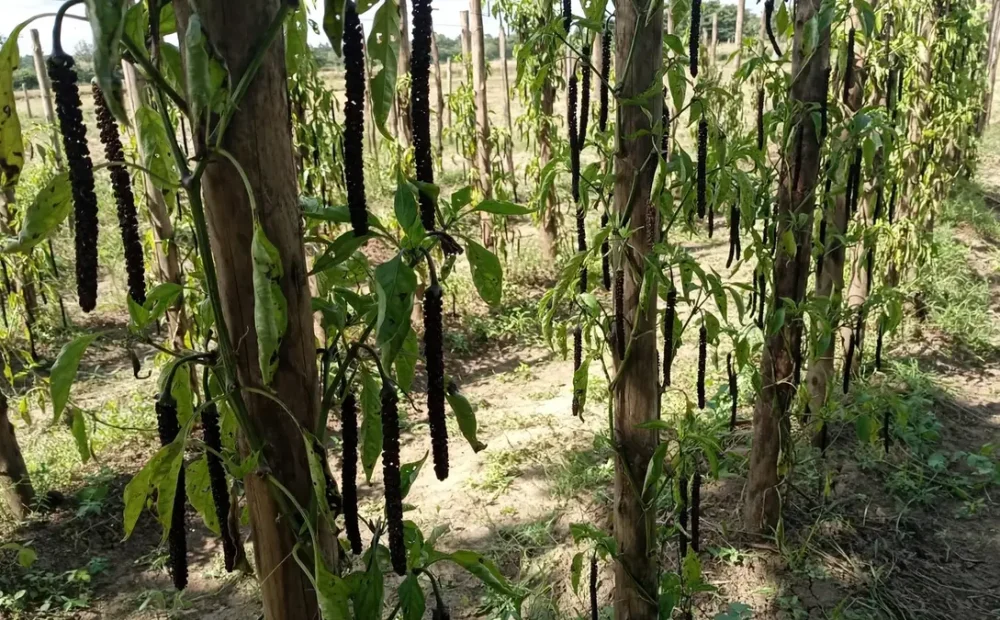
What a juniper farm escape involves
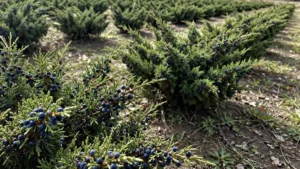
A juniper farm escape is a short stay built around the picking season, when the ripe cones turn dark blue-black and the baskets come out. You sleep in a farmhouse room, eat food cooked with fresh berries, and spend your days among the bushes, learning which cones are ripe and which need another year. The bushes are low and spreading, so the picking is done standing, not climbing, and the baskets stay light. Days here run slow on purpose, and the finest ones follow no timetable past the morning walk.
Most escapes last three to five nights, which is enough time to learn the work, taste the difference between a green cone and a ripe one, and buy dried berries at the farm gate. A single night is too short, since the picking starts early and the bushes are spread across the hills. Allow at least three nights, or five when the journey is long.
No spice knowledge is needed before you go. First-time visitors are welcome on these farms, and the guides talk through the work in plain words. What you do need is a willingness to walk in rough scrub, eat what the kitchen cooks, and accept that rain sets the schedule more than any itinerary does.
Key takeaways
- Book around the picking weeks: late summer into autumn, when the ripe cones are dark blue-black and soft.
- Learn the three ages of a juniper cone before you go, so you pick only the ripe ones and leave the green ones behind.
- Ask whether the farm distils gin or cooks with its berries, and choose the region to match.
- Three to five nights is the right length; one night is too short for the picking.
- Juniper berries are gluten-free, but farm bread is wheat, so tell the kitchen when you book, not when you arrive.
How to plan it, and what to ask first
Start with the ripening dates. Berries take two to three years to ripen, and the picking weeks are short, so ask the farm for its season before you book anything else. Outside the picking weeks the farm is still pleasant, but the work that justifies the journey will have passed.
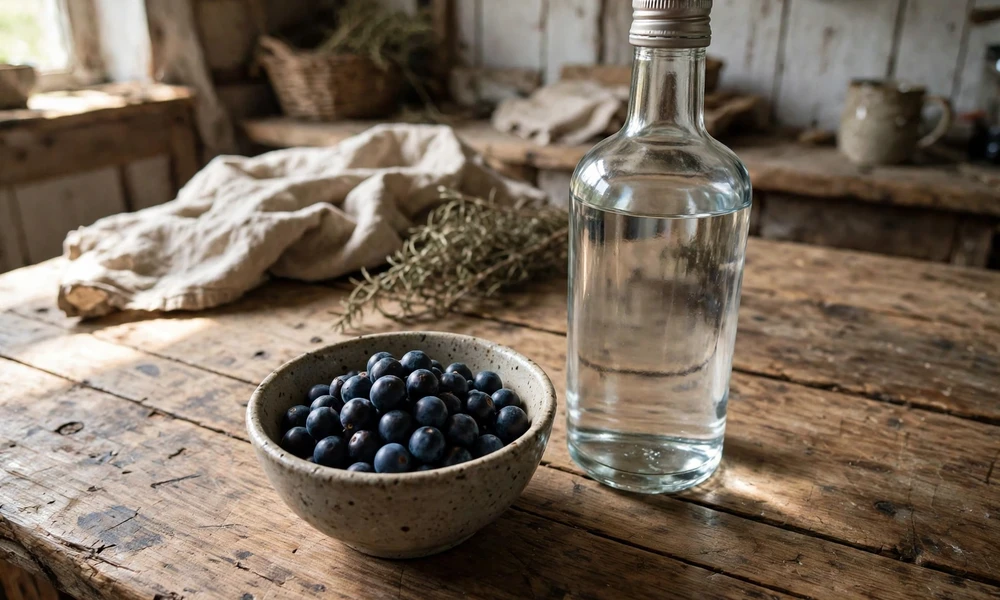
Next, ask what the farm does with its berries. Some farms distil their own gin, some sell to a distiller down the valley, and some cook with the berries in the kitchen. The three trips feel different, so pick the one you want to learn about, and choose the region to match.
Last, ask about the kitchen. Suppers here are cooked with fresh berries, and most kitchens manage gluten-free cooking when warned ahead. Raise it at booking time, never on arrival. Find out what the table holds, whether the bread is wheat, and what the cook offers instead.
The 9 steps to plan a juniper farm escape
Green means wait, dark means pick
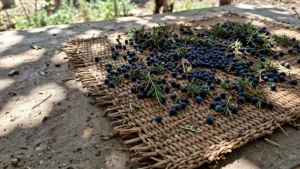
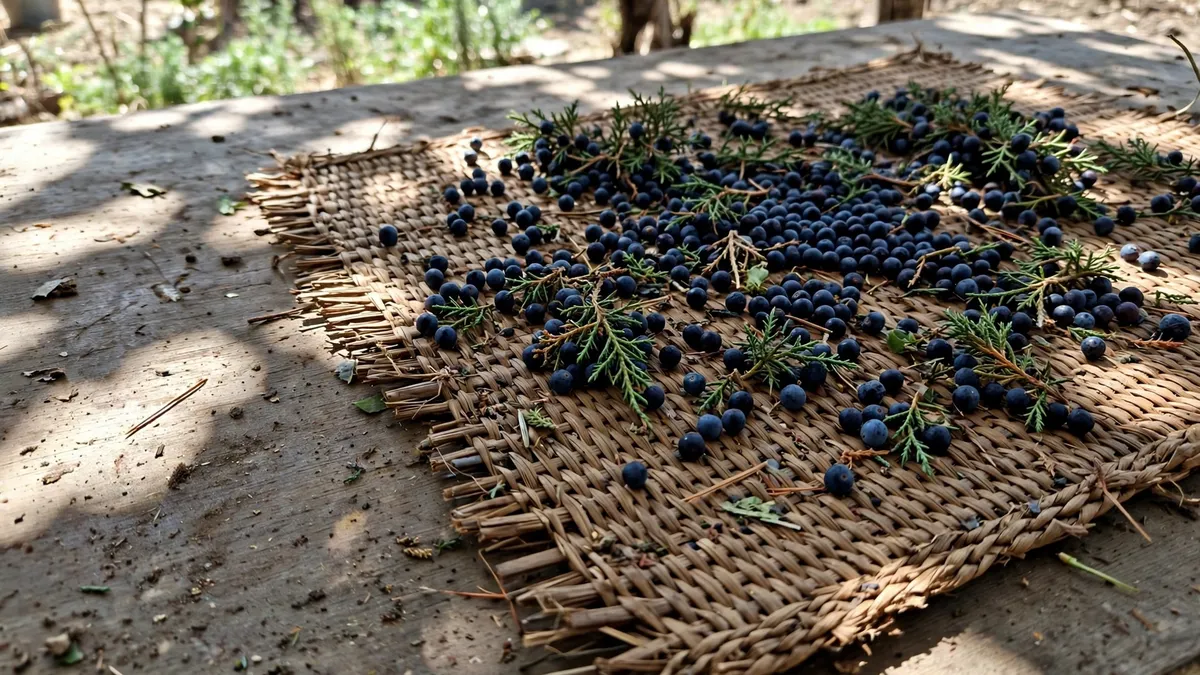
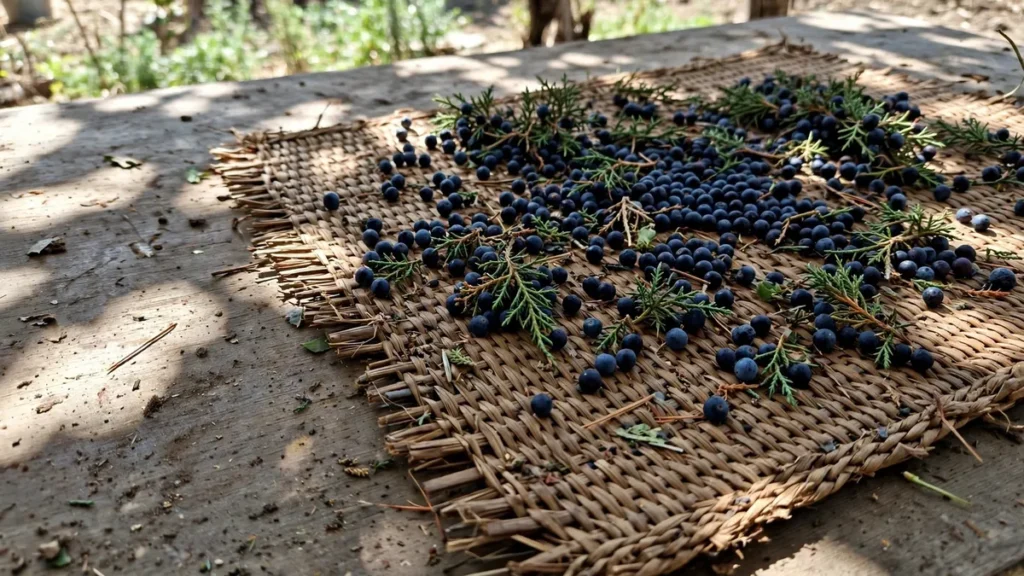
A juniper bush holds cones of three ages at once: green cones from this year, half-ripe cones from last year, and dark blue-black cones from the year before. Only the dark ones are ready. Learn to tell them apart before you go, so the first morning among the bushes makes sense instead of confusing you. A picture helps, but a handful of each kind, shown by the farm, teaches it in a minute.
What to Do: Ask the farm to send a photo of ripe and unripe cones side by side.
What to Avoid: Picking every cone you see, ripe or not.
Best For: First-time pickers who want the first morning to make sense.
Time Needed: An evening of reading, done before you book.
Standout Tip: Dark and soft means ripe; green and hard means wait another year.
Start from the weeks you can actually travel
Picking dates move with the climate, so the region you choose decides the weeks you can go. Tuscany and Provence pick in late summer, the Balkans and the Highlands pick into autumn, and Lapland picks in a short northern window. Work out which weeks you can travel first, then find the region whose picking falls inside them, not the other way round.
What to Do: Write down your free weeks, then ask each farm for its dates.
What to Avoid: Choosing a region first and hoping the dates line up.
Best For: Travellers with fixed holiday dates.
Time Needed: One afternoon of emails, sent long before the season.
Standout Tip: The farm’s dates matter more than the guidebook’s season.
Book only after the farm names its weeks
Dates shift with the weather, and a verbal promise can move by a week. Ask the farm to confirm its picking weeks in an email, and keep that email where you can find it. If the dates move, the farm will tell you, and you can shift your flights while the fares are still cheap. A written date is the only one you can plan around.
What to Do: Get the picking weeks confirmed by email before you pay for anything.
What to Avoid: Booking flights on a date the farm only mentioned in passing.
Best For: Anyone whose main reason for going is the picking itself.
Time Needed: A single email, answered before any booking.
Standout Tip: A written date is worth more than a spoken one.
Follow the berries: still, kitchen, or both
Some juniper farms distil gin, some cook with the berries, and a few do both. A still visit means afternoons watching the mash and the copper, with tastings at the end. A kitchen visit means evenings at the farm table, with berries crushed into stews, sauces, and teas. Decide which one you want before you choose a farm, because the two trips run on different timetables.
What to Do: Ask the farm whether its berries go to a still, a kitchen, or both.
What to Avoid: Arriving at a still farm expecting a cooking trip, or the reverse.
Best For: Gin lovers and food lovers, who want different days.
Time Needed: One short email, answered before you choose.
Standout Tip: A farm that does both is the rarest and the best.
Get there a day early and sleep on the farm
Pickers rise at dawn and are already among the bushes when the sun clears the ridge. Come the day before, settle into your room, and walk the rows that afternoon with the host. You will rest better, learn the paths, and stand at the bushes when the first basket fills.
What to Do: Plan your arrival for the afternoon before the first picking day.
What to Avoid: Landing at dawn and racing to the bushes half asleep.
Best For: Travellers flying a long way to the farm.
Time Needed: A single extra night, added to the plan.
Standout Tip: Walk the rows the afternoon you arrive.
Pick beside a picker, and learn the twist
Ripe cones come off with a gentle twist, not a pull. The picker will show you the motion once, and then let you try it yourself, and your first basket will be slow and full of green cones. That is normal. By the second morning your hands will know the twist, and the basket will fill with dark cones only.
What to Do: Watch the picker’s hands for a full hour before you fill your own basket.
What to Avoid: Pulling hard and tearing the branch.
Best For: Travellers who learn with their hands.
Time Needed: Half a morning among the bushes.
Standout Tip: A twist, not a pull, and the cone comes away clean.
Taste a single cone, then hand the rest to the cook
Taste a single ripe cone and you will understand juniper at once: pine, resin, and a clean bitterness that fills the mouth. One is enough. The rest of the harvest belongs in the kitchen, crushed into a stew, steeped in a tea, or dropped into a gin. The farm cook will show you how little you need, and how much flavour a few berries carry.
What to Do: Ask the cook to show you one dish made with the morning’s berries.
What to Avoid: Eating a handful of raw berries, which are bitter and resinous.
Best For: Cooks who want the spice in context.
Time Needed: An evening at the farm table.
Standout Tip: A few berries season a whole pot; a handful spoils it.
Dress for wet scrub and a long day outdoors
The bushes grow in rough country, and the weather changes fast. Closed walking shoes with grip, long trousers, and a rain jacket cover the scrub and the moor. A light shirt you do not mind staining covers the picking, since the cones leave resin on the cloth. Carry a small cloth bag for dried berries, and leave white trainers behind.
What to Do: Choose shoes that wash and clothes that stain.
What to Avoid: Sandals in the scrub and white clothes among the bushes.
Best For: Anyone walking the rows daily.
Time Needed: One evening of packing, the night before.
Standout Tip: The resin washes out, but the stains on white cloth stay.
Buy berries as you leave, not as you arrive
Skip the airport and the town market for juniper. Buy from the farm gate, at the shed where you watched the picking, on your last morning. The berries are fresh, the price is honest, and you know what you carry home. Ask for a paper bag, not plastic, so the berries stay dry and breathe on the flight.
What to Do: Buy dried berries, not ground spice, and ask for the farm’s own harvest.
What to Avoid: Market powder of unknown age and source.
Best For: Cooks who want the journey to linger in their kitchen.
Time Needed: Half an hour at the farm shop on your last morning.
Standout Tip: Whole dried berries keep their scent far longer than ground spice.
Picking the right season and region
Season matters more than region for a juniper trip, because the picking weeks are short and the dates move with the weather. Tuscany and Provence pick in late summer, the Balkans and the Highlands pick into autumn, and Lapland picks in a brief northern window. Take the dates from the farm itself, never a guidebook, and shape the trip around them. The picking window is short everywhere, so a week either side of the dates can mean an empty basket.
Which region suits you comes down to taste and travel appetite. Tuscany is the easiest first juniper trip, with gentle hills, vineyards, and a farmhouse close to the road. Istria and the Šar Mountains suit travellers who want the sea or the wild pastures with their spice. The Atlas Mountains and Nepal are for those who want the far end of the map, where juniper grows tall or trails up the mountainside.
Weather is the other clock. A wet week pushes the picking back, a dry spell pulls it forward, and the farm only fixes its dates once the skies settle. Farms therefore ask you to confirm a few weeks out, not months ahead, and a changeable ticket earns its extra cost on a long journey. With fixed dates, favour a farm whose picking window runs long, such as a large Tuscan estate, over a small hillside farm with one brief season.
If you want a second spice region in the same journey, the cinnamon farm escape follows the same small-farm pattern, and its peeling season overlaps with juniper in several regions. The two journeys sit well together, and the kitchens cook with both spices at once.
The caveats that matter
These farms are tiny, and tiny farms have limits. Rooms are few, the picking window is brief, and the kitchen serves one menu each night. Reserve early, say what you need, and expect a farm, not a resort. The bargain is plain: less choice, more closeness to the work.
Rain sets the schedule. Picking stops when the cones are wet and the paths flood, walks are cancelled when the scrub turns to mud, and the still runs late when the sun does not come out. Keep a spare day in the trip, and avoid a tight connection home. No farm hurries the rain for a flight.
| Detail | What is known |
|---|---|
| Three ages | One bush holds green, half-ripe, and dark ripe cones at the same time. |
| Ripe colour | Only dark blue-black cones are ready; green ones stay bitter. |
| Best season | Late summer into autumn, while ripe cones stay dark and soft. |
| Trip length | Three to five nights; one night is too short for the picking. |
| Gluten | The berries have no gluten, but the farm’s bread and noodles are made with wheat. |
| Footwear | Closed walking shoes with grip; scrub paths turn slick after rain. |
| Rain | Picking stops in heavy rain; build a spare day into the trip. |
| What to buy | Whole dried berries at the farm gate, packed in paper, not plastic. |
Checklist: before you book a juniper farm escape
- Find the ripening dates first, then shape the trip around them.
- Learn whether the farm distils, cooks, or does both.
- Raise gluten-free needs in your first email to the farm.
- Pack sturdy shoes and a rain jacket for wet scrub and moor.
- Confirm the nightly rate covers meals, walks, and transfers.
- Buy dried berries at the farm shed; whole berries outlast ground spice.
Frequently asked questions
How long does it take a juniper berry to ripen?
Two to three years. A cone appears green in its first year, turns half-ripe in its second, and goes dark blue-black in its third. That is why one bush holds cones of three ages at once, and why the picker checks the colour of every cone before twisting it off.
Can I pick juniper berries myself on a farm stay?
Most farms here welcome pickers, and the picking is the highlight of the stay. The picker shows you the twist, watches your first basket, and corrects the green cones you picked by mistake. By the second morning your hands know the motion, and the basket fills with dark cones only.
Is juniper only for gin?
No. Gin is the famous use, but the berries also season stews, sauces, game, and teas, and the branches are burned as incense in the Himalayas. The farms on this list cook with the berries every night, and the kitchen will show you how little you need to flavour a whole pot.
Can someone gluten-free eat well on a juniper farm?
The berries carry no gluten, and the farms here will cook without wheat when warned at booking time. The risk sits in the bread and noodles, since both are wheat. Raise it at booking time, and ask the cook what replaces them.
How early do I need to reserve a juniper stay?
Reserve two months ahead for the picking weeks; tiny farms fill fast. Outside the harvest, a few weeks is usually plenty. The nutmeg farm escape keeps the same small-farm rhythm, and its own picking weeks sell out just as fast.
What should I pack for juniper country?
Sturdy closed shoes, a rain jacket, long trousers for the bushes, and a small cloth bag for dried berries. Rain slicks the paths, and the picking baskets kick up dust. Take cash for the farm shop, since card machines seldom work in the hills. The saffron farm escape asks for the same kit, and the same warning about muddy paths holds there too.
The bottom line
A juniper escape runs at farm pace, and that pace is the reward. No spectacle, only slow mornings, dark cones, and resin drifting through the evening air. The finest stays put you beside the work and feed you berries picked that same morning. Choose the region that suits your taste for travel, time it for the picking weeks, and learn what the farm does with its berries before you go.
Tuscany is the easiest first juniper trip, Nepal the most dramatic, and the Highlands the best for gin lovers. All nine steps here work for any of the nine stays, and the same rhythm, slow mornings, patient picking, and a farm table at night, runs through them all. Come for the picking, linger for the cooking, and carry dried berries home from the farm shed. What you carry home is small: a bag of dried berries and the knack of the twist.