Best Luxury Star Anise Farm Retreats 2027: 9 Picks Worth Trying
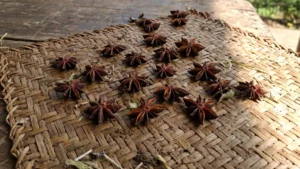
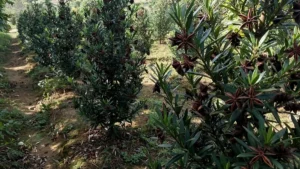
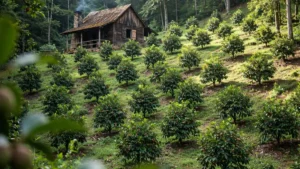
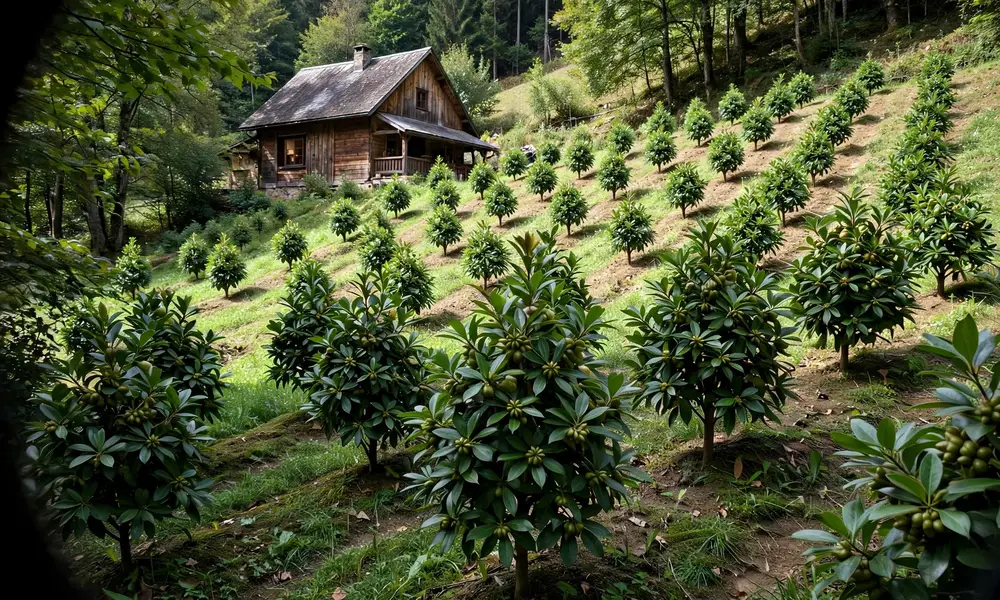
Star anise grows on evergreen trees in the misty border hills of Vietnam and southern China. The fruit is a woody eight-pointed star, picked green and sun-dried until dark brown, and the farms that welcome guests are small holdings where the harvest decides the day. A star anise farm retreat is not a resort with a spice garden attached. It is a working farm where the trees fruit once a year, the drying mats cover the yard, and the luxury is a slow morning under the trees and a kitchen cooking with the week’s pods.
The nine stays below cover the real star anise belt, from the border provinces of northern Vietnam to the forested hills of Guangxi and Yunnan in China, with one stop in Laos. Every farm grows star anise for sale, not for show, and lets guests see the picking, drying, and sorting. Prices run $65–$95 a night at the simplest farmhouse to $345–$380 at the most polished lodge, the difference usually the room and the view.
Star anise is the warm, liquorice-scented fruit of Illicium verum, an evergreen that takes years to bear. It is a key flavour in phở and five-spice, its scent from anethole, the same compound that gives anise its flavour. Knowing the fruit is picked green and dried brown, and the trees fruit only once a year, changes how you read a farm: ask when the picking happens, and plan around it.
Key takeaways
- Star anise grows on evergreen trees in the hills of northern Vietnam and southern China, fruit picked green, then sun-dried until dark brown.
- The pods are the star-shaped fruit of Illicium verum, warm liquorice flavour anchoring phở and five-spice.
- Picking happens once a year, over a few short weeks, and the best stays sell out first.
- Prices run $65–$95 a night at the simplest farmhouse to $345–$380 at the most polished lodge, the star anise much the same at every level.
- Star anise is gluten-free, but farm kitchens serve wheat noodles and soy sauce, so ask about the kitchen.
What a star anise farm retreat actually is
A star anise farm retreat is a working spice farm with a few rooms. The farm’s income comes from pods, and guests are an extra harvest, not the main one. Crews start at first light, before the heat builds, moving through the groves with baskets while the drying mats lie out in the yard. Guests lend a hand where they can, while the farm carries on with its day.
Rooms are usually simple rather than grand: a farmhouse bedroom, a cottage at the grove’s edge, a lodge room with a valley view. The luxury is in the setting and the food, meals cooked with the farm’s own star anise at a table often shared with the family. The finest stays host few at a time, seldom more than twelve, so the place keeps its working-farm feel.
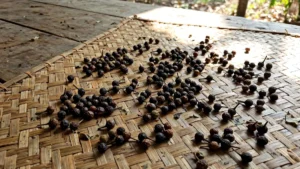
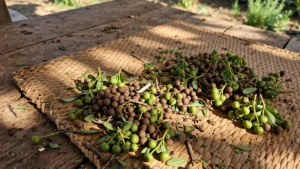
Star anise trees grow slowly. A tree from seed takes years to fruit, and a mature tree can bear for decades. The fruit is picked green and dried in the sun for days until it hardens and darkens. The harvest is the busiest time of the year, when the groves fill with crews and the mats with pods.
How we picked these stays, and what to ask first
We picked farms that grow star anise for sale and show the whole process, grove to drying mat to kitchen. A farm with just a token patch for show was left off. We also asked whether guests can join the picking, whether the farm dries its own pods, and whether the kitchen can handle gluten-free requests, since the noodles are usually wheat.
Before you book, ask three questions. First, when does the farm pick, and will you be there in the picking weeks? Second, does the farm dry and sort its own pods, or sell them green? Third, what comes out of the kitchen at breakfast, and can it manage gluten-free? Rates below cover two guests per night, breakfast and a grove walk included, unless the listing notes otherwise.
The 9 best luxury star anise farm retreats of 2027
Lạng Sơn, Vietnam — Star Anise in the Border Hills
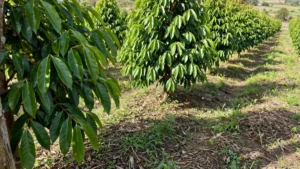
Lạng Sơn sits on Vietnam’s northern border, star anise groves climbing the limestone hills in neat rows. Guest rooms sit in a restored farmhouse, mornings starting with rice porridge and a walk through liquorice-scented groves. The farm picks in autumn, as pods turn from green to brown.
What We Like: The border hills are the heart of star anise country, with its oldest groves.
What to Consider: The road from Hanoi is long and winding, and the farm is a working holding, not a hotel.
Best For: The deepest star anise country on the list.
Style: Restored farmhouse with a veranda over the groves.
Price Range: $65–$95 a night for two, with breakfast and a grove walk.
Standout Feature: A picking morning with the crew, baskets and all.
Cao Bằng, Vietnam — Star Anise by the Waterfalls
Cao Bằng lies in the far north-east, groves on slopes above a river valley, waterfalls close by. The farm is a small family holding, its cottage over terraced fields and star anise rows. The pods dry on mats in the yard, in full sun.
What We Like: The waterfalls add a second landscape, the farm walk crossing groves, terraces, and riverbank in one morning.
What to Consider: Remote and quiet, a long drive from town and few places to eat nearby.
Best For: Waterfalls and spice together.
Style: Family cottage with a yard full of drying mats.
Price Range: $95–$130 a night for two, with breakfast and a grove walk.
Standout Feature: A waterfall walk that ends at the drying yard.
Guangxi, China — Star Anise in the Karst Valleys
Guangxi grows star anise among karst peaks, groves in valleys between limestone towers. Guest rooms sit in a lodge at the rows’ edge, drying mats spreading across the courtyard each morning. The farm has grown star anise for three generations.
What We Like: The karst landscape is unlike anything else here, groves between towering rock.
What to Consider: The farm is popular with domestic travellers, so the lodge books out in picking weeks.
Best For: Dramatic scenery alongside the farm work.
Style: Valley lodge with rooms facing the karst peaks.
Price Range: $125–$155 a night for two, with breakfast and a grove walk.
Standout Feature: A karst viewpoint reached on the farm walk.
Yunnan, China — Star Anise in the Tea Hills
Yunnan sits in China’s south-west, star anise growing beside tea bushes on forested slopes. The farm is a hillside holding kept by one family, plain timber rooms above the terraces. The pods dry slowly, in the shade of the drying shed.
What We Like: Tea and star anise in one stay, a walk covering both crops before breakfast.
What to Consider: Mornings stay cool at this altitude, and the paths are steep. The journey from the nearest city takes most of a day.
Best For: Two crops in one visit.
Style: Timber rooms above the terraces.
Price Range: $155–$185 a night for two, with breakfast and a grove walk.
Standout Feature: A tea tasting with star anise in the cup.
Ha Giang, Vietnam — Star Anise on the High Passes
Ha Giang is Vietnam’s northernmost province, groves on high passes above deep valleys. The farm sits on a ridge, rows running down the slope, its guesthouse over three valleys. The pods here are large and dark, dried in the mountain sun.
What We Like: The mountain views are the best on the list, groves wilder than the others.
What to Consider: The roads are the hardest on this list, with steep passes and slow driving. Not for nervous passengers.
Best For: Mountain country and big, dark pods.
Style: Ridge guesthouse with a view over three valleys.
Price Range: $185–$215 a night for two, with breakfast and a grove walk.
Standout Feature: A pass-top walk with the farm’s eldest grower.
Fujian, China — Star Anise in the Bamboo Groves
Fujian sits on China’s south-east coast, star anise growing in bamboo groves on green hills. The farm is a spice holding with guest rooms, its walk covering star anise, bamboo, and tea in an hour. The pods dry on raised racks, out of the damp.
What We Like: The bamboo groves are cool and quiet, the farm’s drying racks the most careful.
What to Consider: Humid in summer, so afternoons suit the shade. The farm sits near a popular route, so the groves feel busy midday.
Best For: Several crops in one walk.
Style: Hillside farmhouse with guest rooms.
Price Range: $215–$250 a night for two, with breakfast and a grove walk.
Standout Feature: A bamboo-grove walk ending with a sorting lesson.
Luang Prabang, Laos — Star Anise on the River Slopes
Luang Prabang sits in northern Laos, star anise growing on river slopes above the Mekong. Guest rooms sit in a small lodge with a garden, the farm walk crossing groves, riverbank, and forest. The pods sun-dry on mats in the lodge yard.
What We Like: The river adds a second landscape, boat trips at dawn when mist sits on the water.
What to Consider: The groves are smaller than the Vietnamese ones, and the farm is two hours from town.
Best For: River and spice in the same trip.
Style: Small lodge with a garden above the river.
Price Range: $250–$285 a night for two, with breakfast and a grove walk.
Standout Feature: A dawn boat trip, then a star anise tasting at the farm.
Guizhou, China — Star Anise in the Terraced Hills
Guizhou sits in China’s south-west, star anise growing on terraced hills above rice fields. The farm is a hillside holding with a lodge, a pool, and rooms over the terraces. The walk crosses groves, rice, and forest in one morning.
What We Like: The lodge is the cosiest stay here, with a pool, solid rooms, and a walk over groves, rice, and forest.
What to Consider: The heat and humidity make afternoons pool time. The farm is a long drive from the closest airport.
Best For: Comfort next to the farm work.
Style: Terraced-hills lodge with a pool.
Price Range: $285–$320 a night for two, with breakfast and a grove walk.
Standout Feature: Sorting pods by hand at the long table, next to the crew.
Sapa, Vietnam — Star Anise in the Misty Valleys
Sapa sits in the far north of Vietnam, star anise growing in misty valleys below Fansipan. The farm is the most polished stay on this list, large rooms, a proper restaurant, and walks from the groves to a waterfall. The pods dry on the terrace, in the mountain sun.
What We Like: Comfortable without losing the farm feeling, the most varied walks here: groves, terraces, and a waterfall in a morning.
What to Consider: A long drive from Hanoi, on a road rough in the rains. The highest price here.
Best For: The most polished star anise stay in Asia.
Style: Polished mountain lodge with a dining room.
Price Range: $345–$380 a night for two, with breakfast and a grove walk.
Standout Feature: A nursery where guests plant a star anise seedling.
Which star anise region fits your trip
Northern Vietnam suits a first trip. Lạng Sơn, Cao Bằng, Ha Giang, and Sapa combine in one journey, all growing star anise on the same border hills, the flavour familiar as the landscapes change. The roads crawl, so allow a week. If you want karst peaks, go to Guangxi instead, and plan the journey around the picking season. Yunnan suits travellers after tea as well as spice, and Laos suits anyone after a river as well as a grove. Guizhou suits those after the most comfortable lodge and the longest walks.
Season matters more than region. The picking weeks are short, and the farms are at their best when the crews are in the groves and the drying mats are out. Outside the season the trees are still green, but the heart of the stay is quieter. Get the farm’s picking dates before anything else. The cinnamon farm retreats run on a similar seasonal rhythm, and the nutmeg farm retreats share the same tropical hill-country climate, so the two pair well with a star anise trip.
The caveats that matter
Star anise is gluten-free, but farm kitchens are not. The noodles, soy sauce, and sauce thickeners are usually wheat, and a gluten-free guest needs to ask about the kitchen before booking, not at the table. Most farms can put rice-based meals together with warning. Mention it at booking, then on arrival.
Buy only culinary star anise, the fruit of Illicium verum. Japanese star anise, from a related tree, looks similar but is toxic, never to be eaten. The farms here grow the culinary kind, but market stalls rarely say which is which, so buy your pods at the farm. The cardamom farm retreats carry the same advice: buy at the farm gate, and ask how the pods were dried.
| Detail | What is known |
|---|---|
| Star anise vs anise | Different plants: star anise is a tree fruit, anise a small seed, though both taste of anethole. |
| Picking | Picked green once a year, then sun-dried dark brown. |
| Trees | Evergreen trees that take years to fruit, then bear for decades. |
| Main uses | A key flavour in phở and five-spice, and slow-cooked dishes. |
| Gluten | Star anise is gluten-free; farm noodles and soy sauce are wheat. |
| Best season | The picking weeks, crews in the groves and mats out. |
| Safety | Japanese star anise looks similar but is toxic; buy only at the farm. |
| Group size | Most farms host few guests, under twelve at a time. |
Checklist: booking a star anise farm stay honestly
- Ask when the farm picks, and build the trip around those weeks.
- Check whether the farm dries and sorts its own pods.
- Let the farm know about gluten-free needs at booking.
- Take walking shoes and a rain jacket along for the steep paths.
- Double-check that meals, walks, and transfers sit inside the price.
- Reserve early in the picking season; small farms fill quickly.
Frequently asked questions
Is star anise the same spice as anise?
No. They come from different plants. Star anise is the star-shaped fruit of an evergreen tree, Illicium verum. Anise is the seed of a small annual, Pimpinella anisum. Both taste of liquorice, both carry anethole, but they are not interchangeable in every dish.
When do star anise farms pick their pods?
Pods are picked once a year, in autumn, over a few short weeks, dates shifting with the rains. The picking season is the best time to visit, crews in the groves and mats out. Ask the farm for its dates ahead of booking.
Why is star anise cheaper than cardamom?
A mature star anise tree bears heavily, and the picking is quick, fruit gathered by hand from low branches. Cardamom pods are picked one by one from shade plants, which takes far more labour. That gap in work sets the price of the two spices apart.
Can guests help the picking crews in the groves?
Most farms here invite guests to join the picking crews for a morning, showing which pods to take and which to leave. The work is gentle but the groves are steep, so wear proper shoes and follow the leader.
Which star anise region suits a first visit best?
Northern Vietnam is the easiest first trip: Lạng Sơn, Cao Bằng, Ha Giang, and Sapa combine in one journey, all growing star anise on the same border hills, the flavour familiar as the landscapes change.
Can you eat well gluten-free on a star anise farm?
Yes, if the farm knows in advance. Star anise itself is gluten-free, but the noodles and soy sauce are usually wheat. Most farms can cook rice-based meals for gluten-free guests, if they hear at booking.
The bottom line
A star anise farm retreat is a slow trip through mist, groves, and spice. The nine stays above cover the real star anise belt, from the border hills of Lạng Sơn to the karst valleys of Guangxi and the lodges of Sapa. Pick the region that fits your season, ask when the farm picks, and build the trip around the picking weeks.
Pods you bring home will smell of the farm for months, and the drying mats will stay with you longer than the room. Reserve early, pack walking shoes, and warn the kitchen about gluten-free needs. The farms are small, the season brief, the finest weeks first.