
What a cinnamon farm escape involves
A cinnamon farm escape is a short stay built around the peeling season, when the bark lifts cleanly from the branch and the sheds run all day. You sleep in a farmhouse room, eat food cooked with fresh bark, and spend your days in the groves, watching cutters peel branches and roll quills while they are still wet. The trip is slow by design, and the best days have no fixed schedule beyond the morning walk.
Most escapes last three to five nights, which is enough time to learn the work, taste the difference between Ceylon and cassia, and buy quills at the farm gate. A single night is too short, since the peeling starts early and the sheds close by afternoon. Give yourself at least three nights, and five if you are travelling far to reach the farm.
You do not need to know anything about spice before you go. The farms on this list welcome first-time visitors, and the guides explain the work in plain terms. What you do need is a willingness to walk in wet groves, eat what the kitchen cooks, and accept that rain sets the schedule more than any itinerary does.
How to plan it, and what to ask first
Start with the peeling dates. Bark is peeled after the rains, when the sap runs and the bark separates from the wood. The weeks are short, and the dates shift with the weather, so ask the farm for its season before you book anything else. A trip outside the peeling weeks is still pleasant, but you will miss the work that makes the visit worth the journey.

Next, ask which cinnamon the farm grows. Ceylon cinnamon is pale, thin, and sweet, and it grows mainly in Sri Lanka and the Seychelles. Cassia is dark, thick, and strong, and it grows across Southeast Asia. The two taste different, the peeling looks different, and the farms feel different. Pick the one you want to learn about, and choose the region to match.
Finally, ask about the kitchen. Farm meals are cooked with fresh bark, and most kitchens can feed gluten-free guests if they know in advance. Tell the farm when you book, not when you arrive. Ask what the table will hold, whether the bread is wheat, and what the cook will serve instead.
The 9 steps to plan a cinnamon farm escape
Follow the harvest calendar when you book
The peeling weeks decide everything else. Flights are easy to change, but the harvest will not wait for a fare sale. Find the farm’s dates first, then look at flights. If the dates and the fares do not line up, change the farm, not the season. A trip in the wrong month is a trip to a quiet farm with empty sheds.
What to Do: Ask the farm for its peeling dates in writing before you pay for anything.
What to Avoid: Booking a flight first and hoping the harvest lines up.
Best For: Anyone whose main reason for going is the peeling itself.
Time Needed: An afternoon of emails, done well before the season.
Standout Tip: The farm’s dates matter more than the airline’s timetable.
Learn Ceylon from cassia before you choose a region
Read up on the two cinnamons before you pick a destination. Ceylon is the pale, crumbly quill from Sri Lanka, sweet and delicate. Cassia is the dark, hard roll from Southeast Asia, bold and strong. Knowing the difference before you go means you will recognise what you are watching in the shed, and you will know which region to book.
What to Do: Taste both kinds at home first, so the difference is real to you.
What to Avoid: Assuming all cinnamon is the same spice.
Best For: First-time spice travellers who want the trip to make sense.
Time Needed: An evening of reading and one trip to a spice shop.
Standout Tip: Press a Ceylon quill and it crumbles; press a cassia roll and it holds.
Pick a farm that peels its own bark, not one that buys it in
Some stays near spice country buy their cinnamon from a trader and show guests a demonstration plot. That is not the same trip. Ask whether the farm peels its own bark, how many trees it cuts each season, and whether guests can watch the real crews. A farm that peels for sale will have sheds, drying racks, and cutters who work all day, and the host will talk about tonnage and drying times the way other hosts talk about thread counts.
What to Do: Ask how many kilos the farm peels in a season.
What to Avoid: A stay with a small display row and no working shed.
Best For: Travellers who want the real work, not a show.
Time Needed: One email, answered before you book.
Standout Tip: A working shed smells of fresh bark from the road.
Spend the night before the peeling at the farm
Peeling starts at dawn, and the crews are already in the groves by the time the sun is up. Arrive the day before, settle into your room, and walk the groves in the afternoon with the host. You will sleep better, you will know the paths, and you will be at the shed when the first branch is cut.
What to Do: Plan your arrival for the afternoon before the first peeling day.
What to Avoid: Landing at dawn and racing to the shed half asleep.
Best For: Anyone flying a long way to reach the farm.
Time Needed: One extra night, built into the plan.
Standout Tip: The afternoon walk is the best introduction to the farm.
Watch a quill roll, then try one yourself
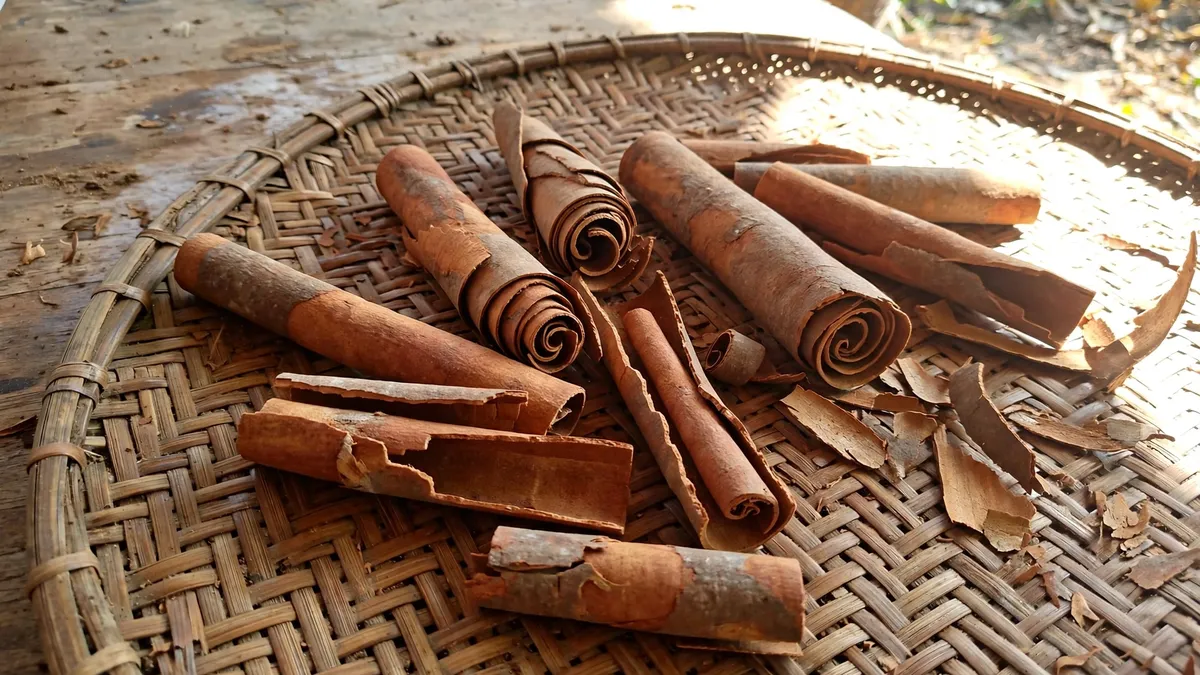
The peeling itself takes a few minutes to watch and a lifetime to do well. The cutter scores the branch, lifts the bark in a single strip, and rolls it into a quill while it is still wet and soft. Most farms will let you try a branch of your own, and the result will be rough, which is the point. You will understand the skill by failing at it once.
What to Do: Ask the cutter to show you the score, the lift, and the roll in order.
What to Avoid: Grabbing a knife and starting before you have watched.
Best For: Hands-on travellers who learn by doing.
Time Needed: Half a morning in the shed.
Standout Tip: Wet bark rolls; dry bark cracks, so work fast.
Hold new bark beside a quill from last year’s harvest
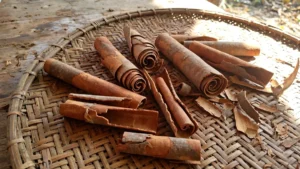
Ask the farm to show you bark at three stages: fresh from the branch, drying on the rack, and packed from last season. The colour, the smell, and the snap all change as the bark dries. Fresh bark is soft and pale, the drying quill darkens and curls tight, and last season’s quill is brittle and fragrant. Tasting all three teaches you more than any book.
What to Do: Ask to hold a quill from each stage in one hand.
What to Avoid: Buying quills before you have seen the difference.
Best For: Cooks who want to buy well at the farm gate.
Time Needed: An hour in the drying shed.
Standout Tip: The smell tells you the age before your eyes do.
Eat at the farm table, and ask what the bark went into
Farm cooking is the second half of the trip. The kitchen uses fresh bark in curries, rice, teas, and sweets, and the cook can tell you which dish took which bark. Eat at the table with the family, ask about each dish, and try the bark in forms you have never tasted, from sweet rice puddings to the tea that closes the meal. The meal is part of the education, not a break from it.
What to Do: Ask the cook which bark went into each dish.
What to Avoid: Eating in your room and missing the table.
Best For: Food lovers who want the spice in context.
Time Needed: Every evening, for as long as the meal lasts.
Standout Tip: The tea at the end of the meal is worth staying for.
Pack for muddy rows and bark-dusted sheds
The groves are wet after rain and the sheds are dusty with bark, so pack for both. Closed walking shoes with grip, long trousers, and a rain jacket cover the groves. A light shirt you do not mind staining covers the shed. Bring a small cloth bag for quills, and leave the white trainers at home.
What to Do: Pack shoes you can wash and clothes you can stain.
What to Avoid: Sandals in the groves and white clothes in the shed.
Best For: Anyone who plans to walk the rows every day.
Time Needed: An evening of packing, done the night before.
Standout Tip: The mud dries fast, but the bark dust stays on white cloth.
Stock up on quills at the farm shop as you go
Do not buy cinnamon at the airport or in a town market. Buy it at the farm gate, from the shed where you watched it peel, on the last morning before you leave. The quills are fresh, the price is fair, and you will know exactly what you are carrying home. Ask the farm to pack them in a paper bag, not plastic, so they stay dry. A paper bag also lets the quills breathe on the flight home.
What to Do: Buy quills, not powder, and ask for the farm’s own harvest.
What to Avoid: Market powder of unknown age and origin.
Best For: Cooks who want the trip to last into their kitchen.
Time Needed: About thirty minutes at the farm shop on your last morning.
Standout Tip: Whole quills keep their scent far longer than ground spice.
Picking the right season and region
Season matters more than region for a cinnamon trip, because the peeling weeks are short and the dates move with the rain. Sri Lanka peels after its rains, usually in the early part of the year and again later, while Southeast Asia peels on its own calendar. Ask the farm, not a guidebook, for the dates, and build the trip around the answer.
Region is a question of taste and travel appetite. Sri Lanka is the easiest first cinnamon trip, with Ceylon bark, gentle groves, and the fort at Galle nearby. Zanzibar and Grenada suit travellers who want a spice island with more than one crop. Kerinci and Quảng Nam suit travellers who want steep hills, long roads, and a harvest they can join. Mahé and Sava are for those who want the far end of the map, where cinnamon grows beside vanilla and the sea.
Rain is the other clock to watch. A wet week delays the peeling, a dry spell brings it forward, and the farm will not know its exact dates until the weather settles. That is why the farms ask you to confirm a few weeks out rather than months ahead, and why a flexible ticket is worth the extra cost on a long journey. If your dates are fixed, pick a farm with a longer peeling window, such as a large estate in Sri Lanka, rather than a small hillside farm with a single short season.
If you want a second spice region in the same journey, the cardamom farm escape follows the same shade-grown, small-farm pattern, and its picking season overlaps with cinnamon in several regions. The two trips fit together well, and the kitchens cook with both spices at once.
The caveats that matter
Cinnamon farms are small, and small farms have limits. Rooms are few, the peeling season is short, and the kitchen cooks one menu a night. Book early, tell the farm what you need, and do not expect a resort. The trade is simple: you give up choice, and you get closeness to the work.
Rain sets the schedule. Peeling stops when the bark will not lift, walks are cancelled when the paths flood, and the shed runs late when the sun does not come out. Build a spare day into the trip, and do not plan a tight connection on the way home. The farm will not hurry the rain for your flight.
| Detail | What is known |
|---|---|
| Ceylon vs cassia | True cinnamon is light, papery, and gentle; cassia is dark, woody, and bold. |
| Peeling | Young branches are stripped, and the wet bark is rolled into quills. |
| Best season | The weeks after the rains, when sap runs and bark comes away clean. |
| Trip length | Three to five nights; one night is too short for the peeling. |
| Gluten | The spice itself has no gluten, but the farm’s bread and noodles are made with wheat. |
| Footwear | Closed walking shoes with grip; grove paths turn slick after rain. |
| Rain | Peeling stops in heavy rain; build a spare day into the trip. |
| What to buy | Whole quills at the farm gate, packed in paper, not plastic. |
Checklist: before you book a cinnamon farm escape
- Ask the farm for its peeling dates in writing.
- Learn the difference between Ceylon and cassia before you choose.
- Let the farm know about gluten-free eating when you first write.
- Pack closed shoes, long trousers, and a rain jacket.
- Plan three to five nights, with a spare day for rain.
- Leave room in your bag for quills from the farm gate.
Frequently asked questions
How long should a cinnamon farm escape last?
Plan on three to five nights for the full experience. One night is too short, since the peeling starts at dawn and the sheds close by afternoon. Five nights gives you time to watch the work, eat at the farm table, and ride out a rainy day without losing the trip.
Can I join the peeling, or only watch it?
Most farms let guests try a branch after watching the cutters, and the attempt is part of the fun. The work itself is skilled, and the crews will not hand you a full day of cutting. Expect to watch for most of the morning and try one branch yourself.
Is a cinnamon farm escape safe for a gluten-free traveller?
Yes, if you tell the farm when you book. Cinnamon is gluten-free, and the kitchens on this list can cook without wheat. The risk is the bread and noodles at the table, which are wheat. Say so early, and ask what the cook will serve instead. The saffron farm escape carries the same warning, and the same fix works there too.
What should I wear in the groves?
Closed walking shoes with grip, long trousers, and a rain jacket. The paths turn slick after rain, and the branches are low and scratchy. Leave sandals and white clothes behind. The turmeric farm escape needs the same kit, since its fields are just as muddy after rain.
Which weeks of the year should I aim for?
After the rains, when the bark lifts cleanly from the branch. The exact weeks shift with the weather each year, so ask the farm for its dates. Aim to book two months ahead for peeling week, as the little farms fill fast.
What should I bring home?
Whole quills from the farm gate, packed in paper. They keep their scent far longer than ground spice, and you will know exactly where they came from. Buy enough for the year, since the farm’s harvest is the freshest cinnamon you will ever taste.
The bottom line
A cinnamon farm escape is a slow trip, and that is the point. You go to watch bark become quills, to eat food cooked with spice cut the same morning, and to learn the difference between Ceylon and cassia with your own hands. Book around the peeling weeks, arrive the day before the work starts, and give yourself three to five nights.
Pack for wet groves and dusty sheds, tell the farm about gluten-free needs when you book, and buy your quills at the farm gate on the last morning. The trip will not be polished, and it will not be fast, but it will be the freshest cinnamon you ever taste.