What a cinnamon farm retreat actually is
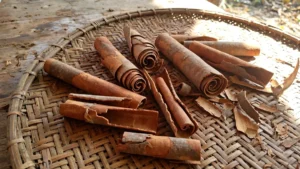
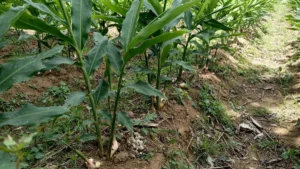
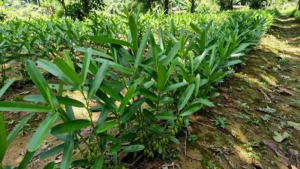
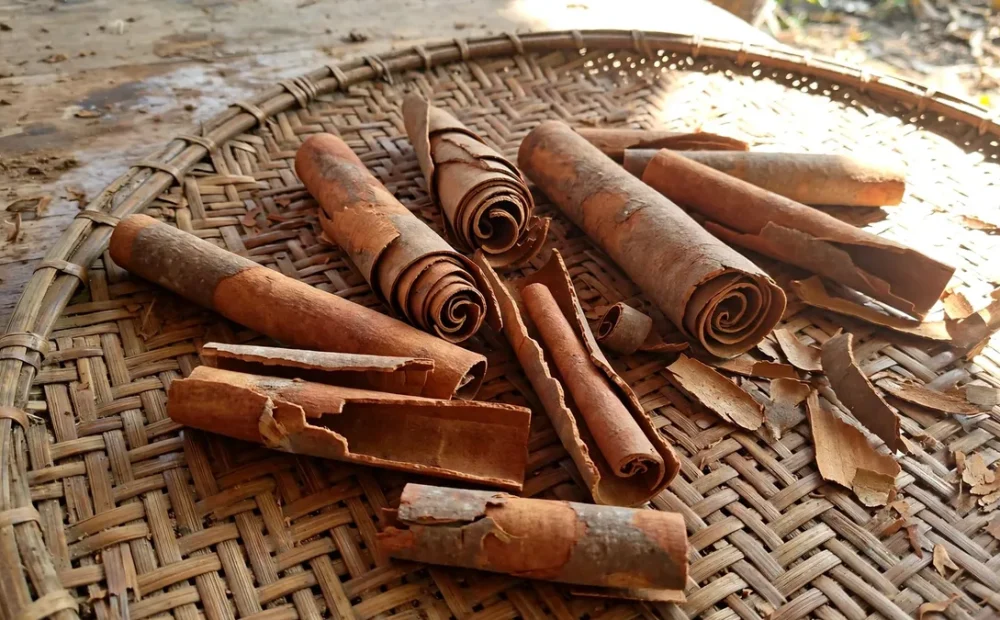
Cinnamon is bark, not fruit, and that single fact shapes the whole trip. On a cinnamon farm you walk among young trees, watch a cutter peel a branch in one long strip, and see the wet bark curl into a quill as it dries in the sun. The work is quiet, skilled, and done by hand, and the farms on this list let guests stand close enough to watch it happen.
A cinnamon farm retreat is a small stay on or beside a working cinnamon estate, with a room, home cooking, and guided time in the groves. You are not booking a hotel that happens to grow spice. You are booking a farm that happens to take guests, and the difference shows in the pace of the day, the food on the table, and the way the staff talk about rain.
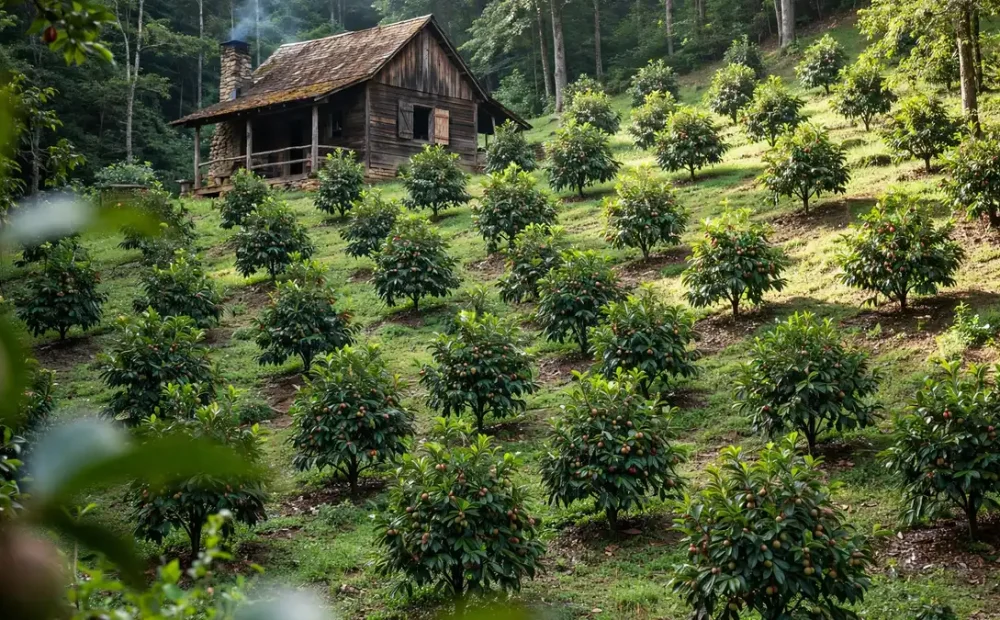
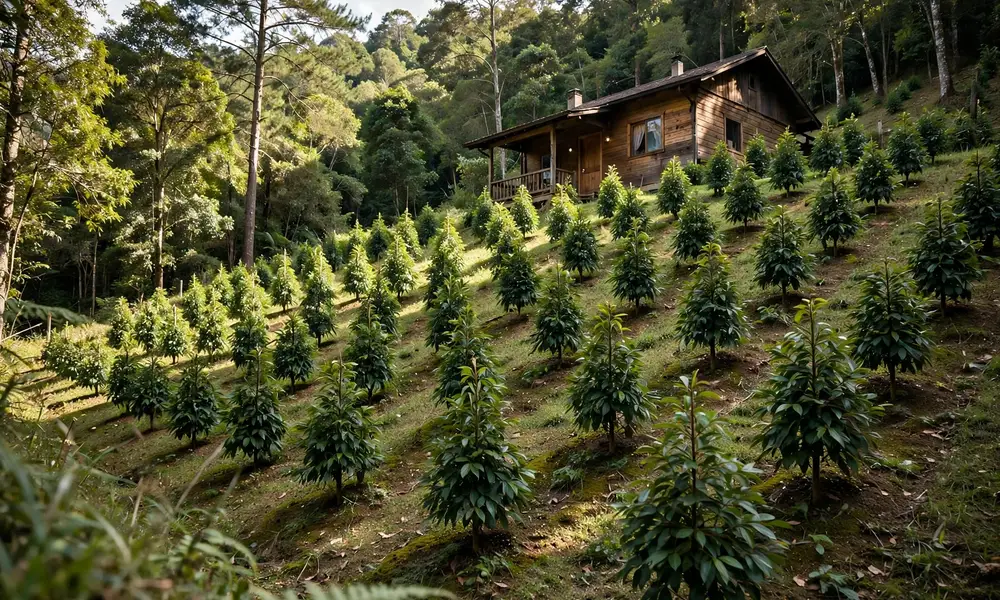
Most of these stays sleep under a dozen guests at a time. Rooms are simple and well kept, meals are cooked from the farm garden, and the best part of the visit is usually unplanned: a cutter showing you how a quill rolls, a cook grinding fresh bark into a curry, or a walk through wet groves after a shower. This guide covers nine stays worth the journey in 2027, from the Sri Lankan coast to the Caribbean.
How we picked these stays, and what to ask first
We picked farms that grow cinnamon for sale and show the whole process, from grove to peeling shed to kitchen. We left out any farm whose cinnamon is only a small display row for photographs. We also asked whether the farm grows Ceylon cinnamon or cassia, whether guests can watch the peeling, and whether the kitchen can handle gluten-free requests, since the bread on the table is usually wheat.
Before you book, ask three questions. First, which cinnamon does the farm grow, Ceylon or cassia? Second, will you be there in the peeling weeks, and can you watch the cutters at work? Third, what does the kitchen cook with, and can it feed you safely if you avoid gluten? The answers tell you more than any brochure.
The nine stays below run from $65 to $380 a night for two, with most including breakfast and a guided walk. Every stay on this list takes guests into the groves, and every one of them grows real cinnamon, not a token row for photographs.
The 9 best luxury cinnamon farm retreats of 2027
Galle, Sri Lanka — Cinnamon on the Southern Coast
Galle grows Ceylon cinnamon in low groves a short drive from the old fort, where the air smells of bark and sea salt at once. Guest rooms sit in a whitewashed house with a deep veranda, and mornings start with hoppers and a walk through rows of young trees. The farm peels its own bark and rolls quills behind the house.
What We Like: The peeling shed is the best show on this list, with cutters working a few steps from your room.
What to Consider: The coast is hot and humid, the groves have mosquitoes after rain, and the fort crowds spill into the lanes by midday.
Best For: Watching quills roll, then walking the old fort walls.
Style: Whitewashed coastal house with a veranda.
Price Range: $65–$95 a night for two, breakfast and grove walk included.
Standout Feature: A peeling lesson with the farm’s own cutters.
Matale, Sri Lanka — Cinnamon in the Hill Gardens
Matale sits in the hill country, where cinnamon grows mixed with cocoa, vanilla, and pepper under tall shade trees. The stay is a small garden house with open rooms and a cook who grinds fresh bark into every curry. Guests join the morning walk and help carry the cut branches back to the shed.
What We Like: The mixed spice garden is the richest walk on this list, with four crops in one morning.
What to Consider: The roads are slow and winding, the hills are steep, and the farm is an hour from the nearest town.
Best For: A spice garden where cinnamon is only one of the stories.
Style: Garden house with open rooms and a shaded terrace.
Price Range: $90–$125 a night for two, breakfast and garden walk included.
Standout Feature: A tasting of fresh bark, ground minutes before lunch.
Zanzibar, Tanzania — Cinnamon Among the Clove Trees
Zanzibar has grown spices for centuries, and cinnamon shares the island’s red soil with cloves, nutmeg, and vanilla. The stay is a coral-stone house near a spice farm, with rooms that open onto a courtyard and a guide who knows every tree by its smell. Guests walk the farm, taste bark straight from the branch, and eat lunch cooked over wood fire.
What We Like: The spice walk is the most fragrant hour on this list, with cinnamon, clove, and nutmeg in one path.
What to Consider: The heat is heavy by noon, the farm paths are uneven, and the island’s spice tours can feel rushed in high season.
Best For: A spice island where cinnamon grows beside cloves and nutmeg.
Style: Coral-stone house with a shaded courtyard.
Price Range: $115–$150 a night for two, breakfast and spice walk included.
Standout Feature: A wood-fire lunch cooked with the farm’s own bark.
Mahé, Seychelles — Cinnamon in the Island Hills
Mahé’s hills are thick with cinnamon trees, planted long ago and now growing wild along the trails. The stay is a small lodge above a bay, with rooms that look out over the water and a host who walks guests up into the old cinnamon stands. The bark here is cut from tall trees, and the peeling is done slowly, in the shade.
What We Like: The hill walk is the wildest on this list, with cinnamon growing free along old plantation trails.
What to Consider: The island is expensive, the hills are steep, and the cinnamon harvest is small and seasonal.
Best For: Wild cinnamon stands above a quiet bay.
Style: Hillside lodge with sea views and open decks.
Price Range: $140–$175 a night for two, breakfast and hill walk included.
Standout Feature: A walk through old cinnamon stands that have gone wild.
Malabar Coast, Kerala, India — Cinnamon by the Backwaters
The Malabar Coast has traded cinnamon for two thousand years, and the farms here still grow it the old way, under coconut palms and jackfruit trees. The stay is a timber house near the backwaters, with a cook who uses fresh bark in fish curries and a guide who takes guests into the groves by boat. Mornings smell of rain and bark.
What We Like: The boat trip into the groves is the most peaceful start on this list.
What to Consider: The monsoon is long, the air stays damp, and the farm is a boat ride from the road.
Best For: Cinnamon country reached by water, not by road.
Style: Timber house on the backwaters with a shaded deck.
Price Range: $165–$200 a night for two, breakfast and boat trip included.
Standout Feature: A fish curry made with bark cut that morning.
Kerinci, Sumatra, Indonesia — Cinnamon in the Highlands
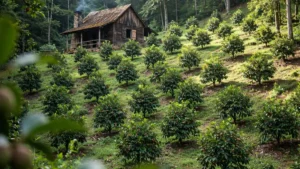
Kerinci sits in the Sumatran highlands, where cassia cinnamon grows on steep slopes under the shadow of a volcano. The stay is a wooden lodge with a view across the valley, and guests walk the terraces with a farmer who cuts bark from trees older than the lodge itself. The air is cool, the rain is sudden, and the bark is thick and dark.
What We Like: The highland terraces are the most dramatic setting on this list.
What to Consider: The road is long and rough, the rain comes fast, and the farm is far from any town.
Best For: Cassia country, high up and far from anywhere.
Style: Wooden highland lodge with a valley view.
Price Range: $195–$230 a night for two, breakfast and terrace walk included.
Standout Feature: Bark cut from trees older than the lodge.
Quảng Nam, Vietnam — Cinnamon in the Central Hills
Quảng Nam grows a cinnamon the locals call quế, with a strong, sweet bark that the farm sells to traders from across Asia. The stay is a stilt house on a hillside, with rooms that catch the breeze and a host family that dries bark on racks outside the kitchen. Guests join the harvest, help strip the branches, and eat with the family at night.
What We Like: The family table is the warmest meal on this list.
What to Consider: The house is simple, the hills are steep, and English is limited outside the main towns.
Best For: A working harvest you join, not just watch.
Style: Stilt house on a hillside with drying racks.
Price Range: $225–$260 a night for two, meals and harvest walk included.
Standout Feature: Drying racks full of fresh bark outside the kitchen door.
Sava, Madagascar — Cinnamon Beside the Vanilla Vines
Sava is Madagascar’s vanilla coast, but cinnamon grows here too, in groves that share the shade with vanilla vines and clove trees. The stay is a small lodge near the forest edge, with rooms that open onto gardens and a guide who knows the groves by foot. Guests walk the cinnamon rows, taste bark beside vanilla pods, and swim in a river at the end of the day.
What We Like: The cinnamon and vanilla walk is the most unusual pairing on this list.
What to Consider: The roads are slow, the coast is remote, and the rainy season makes travel hard.
Best For: Cinnamon and vanilla growing side by side.
Style: Forest-edge lodge with garden rooms.
Price Range: $260–$300 a night for two, breakfast and grove walk included.
Standout Feature: Bark tasted beside vanilla pods from the same garden.
Grenada, Caribbean — Cinnamon on the Spice Isle
Grenada is called the spice isle, and cinnamon grows in its hills beside nutmeg, the island’s famous crop. The stay is a hillside villa with a pool and a view down to the sea, and the farm below it grows cinnamon in terraced groves. Guests walk the terraces, watch the peeling, and end the day with rum punch made with the farm’s own bark.
What We Like: The terraced groves above the sea are the prettiest setting on this list.
What to Consider: The island is a long flight from most places, the hills are steep, and the harvest is short.
Best For: A spice isle where cinnamon shares the hill with nutmeg.
Style: Hillside villa with a pool and sea views.
Price Range: $345–$380 a night for two, breakfast and terrace walk included.
Standout Feature: Rum punch spiced with bark from the farm below.
Which cinnamon region fits your trip
If you want the classic Ceylon story, start in Sri Lanka. Galle is the easiest first stop, with the peeling shed close to the room and the fort nearby for the afternoons. Matale suits travellers who want a garden, not a single crop, and who like a slower, hill-country pace.
For a spice island with more than one crop, Zanzibar and Grenada both work, but they feel different. Zanzibar is a working spice island with coral-stone houses and wood-fire cooking. Grenada is prettier and quieter, with terraced groves and a villa above the sea, and it costs more to reach.
For the adventurous, Kerinci and Sava are the far ends of this list. Kerinci is high, cool, and remote, with thick cassia bark and long rough roads. Sava pairs cinnamon with vanilla in a way no other stay on this list does, but the travel is slow. Quảng Nam is the best choice if you want to join the harvest rather than watch it, and Mahé suits anyone who wants wild cinnamon and a bay to swim in. The cardamom farm retreats we covered earlier share the same shade-grown, small-farm spirit, and they pair well with a cinnamon trip if you want two spice regions in one journey.
The caveats that matter
Cinnamon farms are working farms, not resorts, and the trip works best when you arrive knowing that. Peeling happens in short seasons, after the rains, when the bark lifts easily from the branch. Outside those weeks there is still plenty to see, but you will not watch the cutters at work. Book around the harvest if the peeling is the reason you are going.
Ceylon cinnamon and cassia are different species, and the difference matters. Ceylon is pale, thin, and sweet, and it crumbles easily. Cassia is dark, thick, and strong, and it holds its shape. Most farms grow one or the other, so ask which one you are visiting, and do not expect the two to taste the same.
| Detail | What is known |
|---|---|
| Ceylon vs cassia | Different species: Ceylon is pale, thin, and sweet; cassia is dark, thick, and strong. |
| Peeling | Bark is peeled from young branches, then rolled into quills while wet. |
| Best season | After the rains, when the bark lifts easily from the branch. |
| Harvest length | Peeling runs in short weeks, not all year round. |
| Gluten | Cinnamon is gluten-free; farm bread and noodles are wheat. |
| Footwear | Closed walking shoes; grove paths turn slick after rain. |
| Group size | Stays here host a handful of guests at a time, rarely more than ten. |
| What to buy | Quills from the farm shed, not ground powder from a market stall. |
Checklist: booking a cinnamon farm stay honestly
- Ask which cinnamon the farm grows, Ceylon or cassia.
- Check the peeling dates and build the trip around them.
- Mention gluten-free needs in your first message to the farm.
- Pack closed walking shoes and a rain jacket for wet groves.
- Check that the nightly rate covers meals, walks, and any transfers.
- Buy quills at the farm shed; they keep longer than ground spice.
Frequently asked questions
Is Ceylon cinnamon the same as cassia?
No. They come from different species. Ceylon cinnamon, or true cinnamon, is pale, thin, and sweet, and it crumbles when you press it. Cassia is darker, thicker, and stronger, with a bolder flavour. Sri Lanka is the home of Ceylon cinnamon, while cassia grows across Southeast Asia and China.
When do cinnamon farms peel their bark?
Bark is peeled after the rains, when the sap runs and the bark lifts cleanly from the branch. The peeling weeks are short, and the dates shift with the weather each year. Ask the farm for its dates before you book, and plan the trip around them.
Can guests watch the peeling?
Yes, on most of the farms on this list, and it is the best part of the visit. The cutter scores a branch, lifts the bark in one strip, and rolls it into a quill while it is still wet. The quills then dry in the sun for several days before they are packed.
Does a cinnamon farm work for a gluten-free traveller?
Cinnamon itself is gluten-free, and the farms on this list can cook without wheat if you tell them when you book. The risk is the bread and noodles served at the table, which are wheat. Say so early, and ask what the kitchen will serve instead.
How far ahead should I book a cinnamon farm stay?
Reserve two months out for the peeling weeks; the small farms fill quickly. Outside the harvest, a few weeks is usually enough. The saffron farm retreats run on the same small-farm rhythm, and they book out just as quickly in their own picking weeks.
What goes in the bag for cinnamon country?
Closed walking shoes, a rain jacket, long trousers for the groves, and a small bag for quills. The paths turn slick after rain, and the peeling sheds are dusty. Bring cash for the farm shop, since card machines are rare in the hills. The turmeric farm retreats need the same kit, and the same warning about muddy paths applies there too.
The bottom line
Cinnamon is the quietest of the spice trips, and that is its charm. There is no spectacle, only skilled hands, wet bark, and the smell of quills drying in the sun. The best stays on this list let you stand close to the work and eat food cooked with bark cut the same morning. Pick the region that fits your appetite for travel, book around the peeling weeks, and ask which cinnamon you are visiting before you go.
Galle is the easiest first cinnamon trip, Grenada the prettiest, and Kerinci the most remote. All nine stays grow real cinnamon and show the whole process, from grove to shed to kitchen. Go for the peeling, stay for the cooking, and bring quills home from the farm shed.