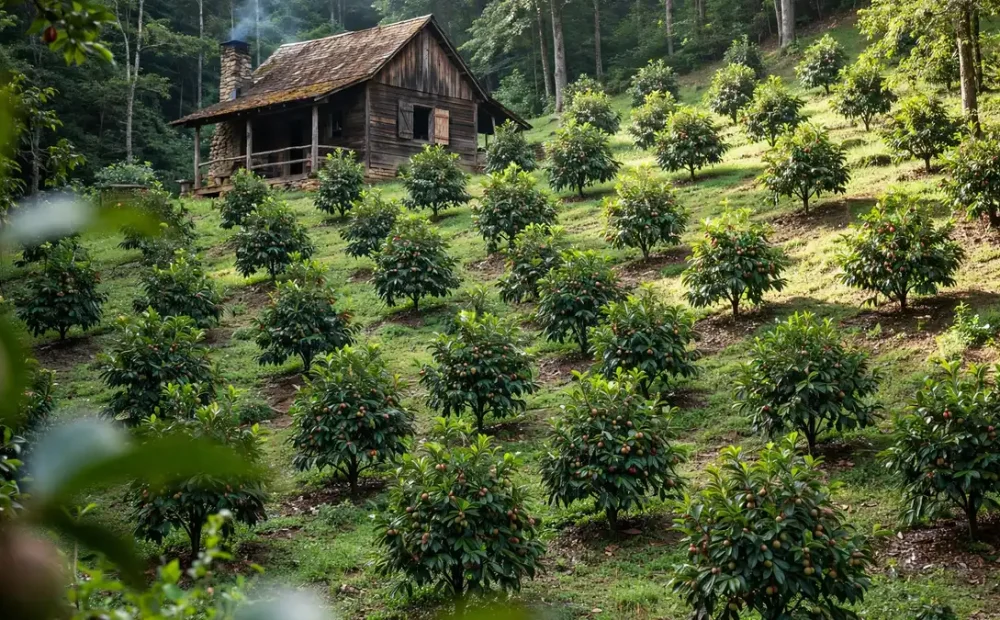
Allspice grows on a tree, not in a field. The berries hang in clusters on evergreen branches twenty feet up, the air smells of cinnamon and clove at once, and the farm day moves at the pace of a tree that takes years to fruit. A stay on an allspice farm is slower than a vineyard weekend and stranger than a coffee tour: one berry that tastes like three spices.
Jamaica grows the allspice the world knows best, and most of these nine stays sit on that island, from the dry hills of St. Elizabeth to the wet slopes of Portland. The rest reach into Belize, Honduras, Guatemala, Mexico and Cuba, where the same tree grows wild and small farms pick it by hand. Every stay below is a working farm first and a guesthouse second: you sleep beside the trees, walk the drying yard, and eat food the kitchen seasons with berries picked that week.
This roundup covers nine stays, priced from $65 to $380 a night for two, judged on the picking season, the drying yard and the kitchen. Prices are per night for two, breakfast and a farm walk included. Book the picking weeks if you can; the farms are at their best when the crews are in the trees and the yards are full of berries turning from green to dark brown.
Key takeaways
- Allspice is one berry from one tree, Pimenta dioica, tasting of cinnamon, nutmeg and clove in a single bite.
- Jamaica grows the best-known allspice, and four of the nine stays here are on the island.
- Berries are picked green and unripe, then sun-dried until dark brown and hard.
- The picking weeks run from late summer into autumn, when the farms are liveliest.
- Allspice itself is gluten-free, but farm bread, dumplings and sauces are usually wheat, so ask the kitchen first.
What an allspice farm retreat actually is
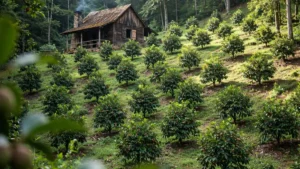
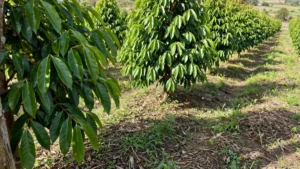
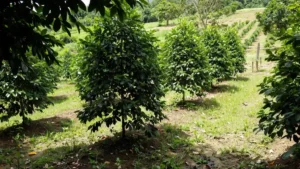
An allspice farm is a grove of evergreen trees, not a field of rows. The trees grow twenty to forty feet tall, the berries cluster on the outer branches, and the picking crew works with long poles and baskets. Guest rooms sit in a farmhouse or small lodge at the grove’s edge, and the day starts early, when the light is soft and the berries are still cool.
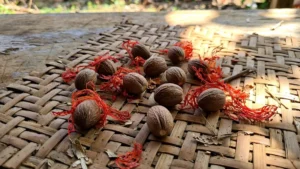
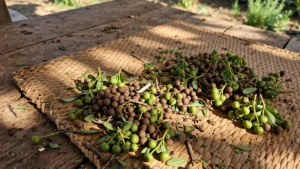
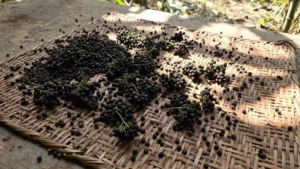
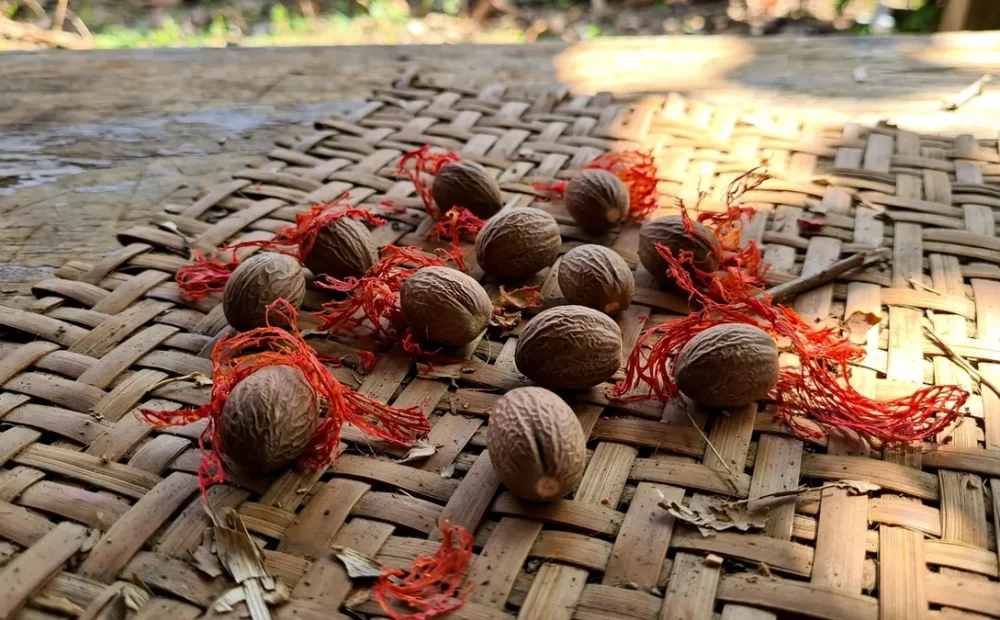
The work you watch is simple and old. Berries are picked green, while they are still unripe and full of oil, then spread on the drying yard in the sun. Over several days they shrink, harden and turn dark brown, and the smell changes from green and sharp to warm and sweet. Some farms finish the drying in a low oven or a smoke shed, for a deeper, smokier note. The best stays let you handle the berries at every stage, from the green cluster on the branch to the hard brown berry in the jar.
What makes the retreat worth the trip is the kitchen. Allspice seasons jerk chicken and pork, rice and peas, stews, puddings and rum, and a farm kitchen uses it fresh, ground that morning from berries dried on the same farm. Ask the cook what went into the pot and you will get a better answer than any spice shop can give.
How we picked these stays, and what to ask first

We picked stays where the farm is real and the guest can walk the grove with someone who works it. Every entry below grows its own allspice, dries its own berries, and cooks with them in its own kitchen. We left out lodges that buy their spice in and hotels that merely sit near a grove.
Before you book, ask three things. First, whether the picking weeks fall inside your dates, because a farm outside the season is a quiet house in a pretty grove. Second, whether guests can join the picking crew. Third, what the kitchen cooks with allspice during your stay.
The nine stays are ordered by price, from the cheapest to the dearest, and each one names its region, its style, its price and the single feature that sets it apart. Prices are for two a night, breakfast and a guided farm walk included, and the ranges reflect the season.
The 9 best luxury allspice farm retreats of 2027
St. Elizabeth, Jamaica — Allspice Where the Berries Dry in the Sun
St. Elizabeth is the dry parish, and its allspice dries fast in the hard sun. The farm sits on a low hill above a plain of smallholdings, the trees are old and wide, and the drying yard is a concrete slab. Guest rooms are in a low white house with a deep veranda.
What We Like: The drying yard is the biggest on this list, and the berries turn brown in front of you.
What to Consider: The sun is fierce, the shade is thin, and the farm is a long drive from town.
Best For: Watching the full drying cycle in one stay.
Style: Low white farmhouse with a deep veranda.
Price Range: $65–$95 a night for two, with breakfast and the farm walk.
Standout Feature: A drying-yard tasting from green berry to ground spice.
Trelawny, Jamaica — Allspice in the Cockpit Country Hills
Trelawny’s allspice grows in the Cockpit Country, steep limestone hills covered in forest. The farm is a clearing in the trees, the guest rooms are wooden cabins on stilts, and the picking crew works the slopes with ropes and baskets.
What We Like: The forest setting is the wildest on this list, and the picking walk feels like an expedition.
What to Consider: The paths are steep and muddy after rain, and the cabins have no air conditioning.
Best For: A forest stay with a proper picking walk.
Style: Wooden cabins on stilts at a forest clearing.
Price Range: $95–$130 a night for two, breakfast and a guided walk included.
Standout Feature: A guided walk through the Cockpit Country hills with the picking crew.
Manchester, Jamaica — Allspice on the Cool Central Plateau
Manchester sits high and cool, and its allspice ripens a little later than the lowland farms. The farm is a neat grove around a stone house, the trees are young and low enough to pick without a ladder, and the kitchen serves pepperpot soup and jerk pork with berries from the same trees.
What We Like: The young trees are low and easy to pick from, and the kitchen is the strongest in Jamaica on this list.
What to Consider: The plateau is misty in the mornings, and the farm has only four guest rooms.
Best For: Picking berries yourself and eating well after.
Style: Stone house with a cool garden terrace.
Price Range: $130–$165 a night for two, with breakfast and a morning in the grove.
Standout Feature: A kitchen session grinding berries dried that same week.
Portland, Jamaica — Allspice Above the Blue Mountain Foothills
Portland is the wet parish, green all year, and its allspice grows fast in the rain. The farm sits on a ridge above the Blue Mountain foothills, the guest rooms look over a valley of banana and breadfruit, and the drying is done under cover.
What We Like: The ridge view is the best on this list, and the covered drying shed works in any weather.
What to Consider: It rains most afternoons, the road up is rough, and the farm keeps six rooms.
Best For: A green, rainy, dramatic mountain stay.
Style: Ridge lodge with a covered drying shed.
Price Range: $165–$200 a night for two, breakfast and the farm walk included.
Standout Feature: The rum cake, made with berries dried on the farm.
Toledo District, Belize — Allspice in the Maya Mountain Foothills
Toledo is the far south of Belize, where the Maya Mountains meet the forest and the allspice grows wild between the farms. The stay is a small lodge run by a Maya family, the grove is half wild and half planted, and the picking is done by hand with the family.
What We Like: The family-run lodge is the warmest on this list, and the wild grove is unlike any planted farm.
What to Consider: The lodge is remote, the road is rough, and the rooms are simple, with no hot water.
Best For: A wild grove and a family kitchen.
Style: Family lodge with a wood-fire kitchen.
Price Range: $200–$235 a night for two, with breakfast and a guided grove walk.
Standout Feature: A wild-grove walk with the family who picks it.
Copán, Honduras — Allspice Near the Ruins of Copán
Copán pairs an allspice farm with a Maya city. The farm sits in the hills outside the ruins, the trees grow among coffee and cacao, and the guest rooms are in a tiled hacienda. Mornings are for the ruins, afternoons for the grove,
What We Like: The ruins-and-farm combination is unique on this list, and the three-form stew is a proper lesson.
What to Consider: The farm is a drive from the ruins, and the hacienda is old, with creaking floors and thin walls.
Best For: History in the morning, spice in the afternoon.
Style: Old hacienda with a tiled courtyard.
Price Range: $235–$270 a night for two, breakfast and a walk with the crew included.
Standout Feature: A stew cooked with allspice in three forms.
Petén, Guatemala — Allspice in the Petén Jungle
Petén is jungle, and its allspice grows tall in the shade of the forest canopy. The stay is a jungle lodge on a lake, the grove is a short boat ride away, and the crew works from canoes and forest paths.
What We Like: The lake-and-jungle setting is the most dramatic on this list, and the fish supper is memorable.
What to Consider: The lodge is reached by boat, the insects are serious, and the grove walk is a full day.
Best For: A jungle lodge with a boat trip to the grove.
Style: Jungle lodge on a lake, reached by boat.
Price Range: $270–$305 a night for two, with breakfast and the boat trip to the grove.
Standout Feature: Grilled fish with allspice and lime, eaten on the lake shore.
Veracruz, Mexico — Allspice on the Gulf Coast Hills
Veracruz grows allspice on the green hills above the Gulf, where the sea wind keeps the groves cool. The farm is a large estate with a white main house, the trees are planted in long avenues, and the drying yard overlooks the coast.
What We Like: The estate is the grandest on this list, and the rum distillery is a genuine extra.
What to Consider: The estate is large and feels formal, and the sea wind can make the drying yard dusty.
Best For: A grand estate stay with a distillery visit.
Style: White estate house with long tree avenues.
Price Range: $305–$345 a night for two, breakfast and a guided estate walk included.
Standout Feature: Rum flavoured with the estate’s own berries.
Viñales Valley, Cuba — Allspice in the Viñales Valley
Viñales is a valley of limestone hills and tobacco fields, and its allspice grows in the gardens around the farmhouses. The stay is a small casa in the valley, the grove is a garden of old trees behind the house, and the picking is done by the family who owns the place.
What We Like: The valley is the prettiest on this list, and the family picking is the most hands-on.
What to Consider: The casa has three rooms only, the valley is a long drive from Havana, and the farm is the smallest here.
Best For: A small family stay in a beautiful valley.
Style: Small family casa with a garden grove.
Price Range: $345–$380 a night for two, with breakfast and the family picking walk.
Standout Feature: Picking berries with the family who owns the trees.
Which allspice region fits your trip
If this is your first allspice trip, start in Jamaica. St. Elizabeth is the cheapest and clearest introduction, with a big drying yard and a simple farmhouse, while Manchester adds a better kitchen and trees low enough to pick from. Trelawny suits walkers, and Portland suits travellers who do not mind rain.
Beyond Jamaica, the choice is about what else you want from the week. Toledo is for a wild grove and a family lodge. Copán is for ruins in the morning and spice in the afternoon. Petén is for jungle and lake, Veracruz is for a grand estate with a distillery, and Viñales is for a small, pretty, hands-on family stay.
Season matters more than region. The picking weeks run from late summer into autumn, and a farm in season beats a dearer farm out of season.
The caveats that matter
Allspice farms are working farms in the tropics, and the caveats are practical, not mysterious. The table below sets out what is known, so you can book with your eyes open.
| Detail | What is known |
|---|---|
| What allspice is | One berry, Pimenta dioica, tasting of cinnamon, nutmeg and clove. |
| Picking | Berries picked green and unripe, by hand, from late summer into autumn. |
| Drying | Sun-dried for days until dark brown and hard; some farms finish in a shed. |
| Trees | Evergreen trees grown from seed, taking years to fruit. |
| Gluten | Allspice is gluten-free; farm bread, dumplings and sauces are wheat. |
| Best season | The picking weeks, with crews in the trees and yards full of berries. |
| Footwear | Sturdy shoes, not sandals; paths turn slick after rain. |
| Group size | Small groups: most farms take fewer than a dozen guests at a time. |
Checklist: booking an allspice farm stay honestly
Run through this list before you pay a deposit.
- Confirm the picking weeks fall inside your dates, in writing.
- Ask whether guests can join the picking crew, or only watch.
- Check what the kitchen cooks with allspice, and tell them about gluten before you arrive.
- Ask about the walk to the grove: distance, slope, and mud after rain.
- Pack sturdy shoes, a rain jacket, and sun cream; the tropics give you all three in a day.
- Ask how the berries are sold at the farm gate, and what a bag costs.
Frequently asked questions
Is allspice a single spice, or a mix of three?
It is a single spice. The dried berry of Pimenta dioica carries the flavours of cinnamon, nutmeg and clove together, which is how it got its name, but nothing is mixed into it.
What time of year do the berries come off the trees?
From late summer into autumn, when the berries are full-sized but still green and unripe. The exact weeks move with the rain and the altitude, so the farm sets its picking dates each year.
Why does Jamaican allspice carry the biggest name?
Jamaica has grown allspice the longest and picks it the most carefully. Other countries grow the same tree, but Jamaica’s combination of sun, soil and drying practice made its name, and buyers still pay more for it.
Are guests allowed to pick berries with the crews?
On most of these farms, yes, for an hour or two in the morning, with a basket and a guide. The trees are tall and the branches are brittle, so guests pick the low branches and leave the high clusters to the crew.
Where should a first-timer start with allspice country?
St. Elizabeth, in Jamaica. It is the cheapest stay on this list, the drying yard is the biggest, and the farm is simple to reach. Manchester is the better second stop, for the kitchen and the low trees you can pick from yourself.
Will the farm kitchen feed a gluten-free guest properly?
Yes, if you tell the farm before you arrive. Allspice itself is gluten-free, and the kitchens cook plenty of rice, peas, fish and stewed fruit. The risk is bread and dumplings, which are wheat, so the kitchen needs notice.
The bottom line
An allspice farm retreat is a slow, fragrant week among trees that take years to fruit and berries that take days to dry. Jamaica is the best first stop, and St. Elizabeth is the cheapest way in, but the farms beyond the island add forest, ruins, jungle and a distillery.
Go for the drying yard and the kitchen, not the room. The rooms on this list are simple, the groves are the point, and the best souvenir is a bag of berries you watched turn from green to brown in the sun. If you want another spice farm to compare, the cardamom farm retreats run a similar season in India and Guatemala, the saffron farm retreats are the dearest spice stay on the site, and the ginger farm retreats are the closest cousin to allspice country.