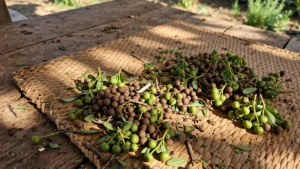
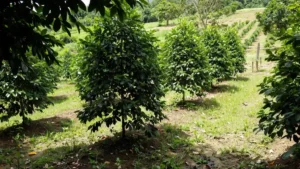
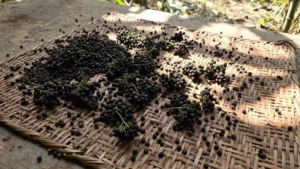
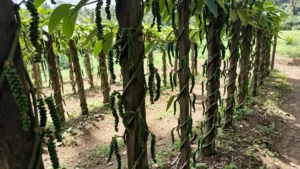
A black pepper farm escape is a short trip built around a single crop at its busiest moment. The vine is a climber, and the harvest means ladders, hand-cut spikes and long drying yards, so the work is visible from the farmhouse door. You arrive while the berries are still green and leave with black corns dried in the sun that week.
The trip works best when it is planned around the farm, not around a calendar. Pepper regions set their picking week by the rain and the ripeness of the berries, and a date fixed months ahead can land a week early or late. The farms are small, the rooms are plain, and the kitchen cooks what the fields gave that morning, so the planning comes down to three things: the right week, the right farm, and an honest answer from the kitchen.
This guide walks through the nine steps that matter, from choosing between black, white and green pepper to packing for wet heat and carrying the harvest home. Follow them in order and the trip stays simple; skip them and the pepper may be picked and gone before you arrive.
Key takeaways
- Black pepper is picked green and unripe, then sun-dried until black, so the whole trip turns on the farm’s picking week.
- White pepper is the same berry with the skin removed, and green pepper is the same berry picked earlier, so ask which kind the farm grows.
- The farm names its picking week, not a month, and the week shifts with the rain, so book the week before the flights.
- Pepper farms are working farms with a handful of rooms, plain comfort and mud on the paths, not hotels with a spice theme.
- Black pepper carries no gluten, but the bread beside it is usually wheat, so settle the kitchen question before you pay a deposit.
What a black pepper farm escape involves
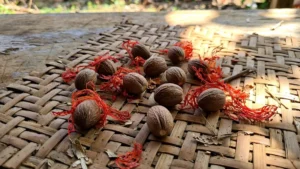
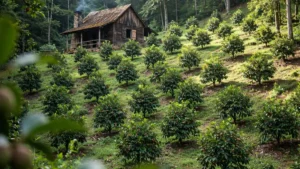
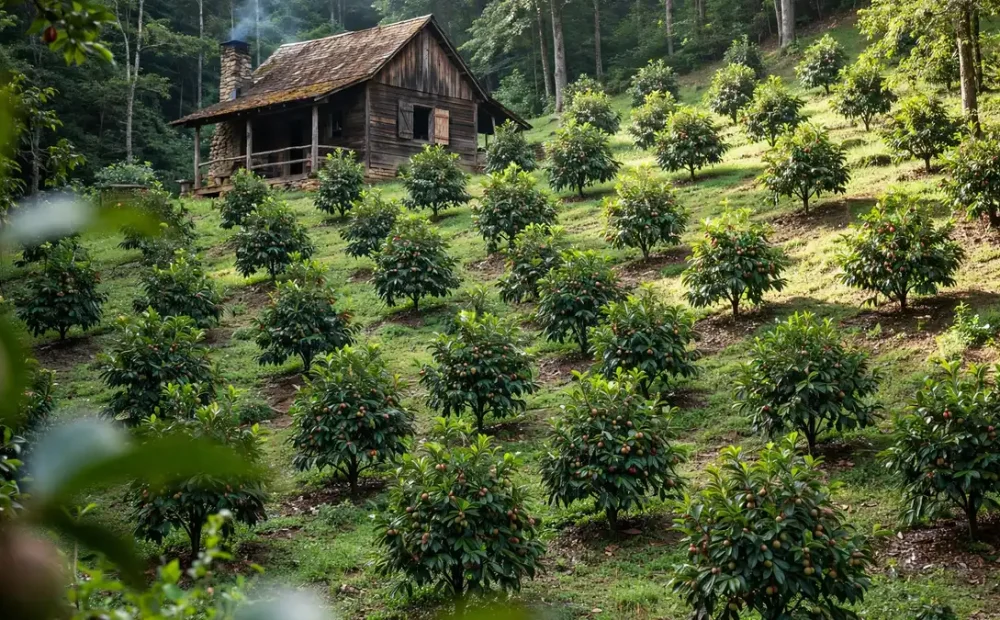
A black pepper farm escape means three to five nights on a working pepper farm during the picking weeks. Guests sleep in a farmhouse room or a converted barn, eat at one shared table, and spend the days among the vines, watching spikes cut down, stripped by hand, and spread on mats to dry. The work is slow and open: ladders against the trees, baskets of green berries, and the drying yard full by midday.
The crop sets the rhythm of the stay. Mornings belong to the vines, when the dew is still on the leaves and the crews are out with their baskets. Afternoons belong to the drying yard, where berries are turned and winnowed, and evenings belong to the kitchen, where the pepper ground that day goes into curries, grills and stews.
An escape here is not a tour of a spice museum. It is a stay on ground that grows the spice, with the vine above your head and the drying yard at your feet. For a stay built around another spice altogether, our guide to planning a cardamom farm escape covers shade-grown pods in the hills, with cardamom tea and spiced rice instead of ground pepper and grills.
How to plan it, and what to ask first
Start with the berry, not the bed. Ask the farm which kind of pepper it grows and how it dries it: a farm that picks black pepper and one that soaks white pepper run different weeks. Then ask for the picking window in writing, and what happens if the berries are still green when you arrive. A farm that answers plainly is usually worth the visit.
Next, settle the money in the same email. Ask what the nightly rate covers: supper, the drive in from the nearest town, and walks among the vines should be counted in the price, not billed on arrival. Then ask about the room itself, because farm rooms are plain and a photograph will not tell you if the bed is firm or the water runs hot. The finest farms take only a handful of guests, so write early, and write to the farm, not to a booking site.
The 9 steps to plan a black pepper farm escape
Choose black, white or green first, then look for its farm
What to do: Decide first whether you want black, white or green pepper, then find a farm that grows it. Black pepper farms pick green berries and dry them whole, white pepper farms soak ripe berries and strip the skins, and green pepper farms pick early.
What to avoid: Do not book a farm that claims to do all three equally well without showing you the drying yard or the soaking tanks. One kind is usually the farm’s real crop and the others are bought in.
Best for: Travellers who know which pepper they cook with. Time needed: One evening of reading before you contact any farm. Standout tip: Ask the farm to name its main pepper in the first reply.
Fix your dates to the farm’s picking week, not a calendar month
What to do: Ask the farm for its picking week in writing, and hold off on flights until it is fixed. Berries on a single spike ripen at different times, so the farm picks in rounds, and the best week is when most spikes are full.
What to avoid: Do not pin the trip to a single picking day. A day of rain can hold the crews back.
Best for: Travellers who can shift their dates by a week. Time needed: A week of emails with the farm. Standout tip: Ask what happens to your stay if the picking shifts by a few days.
Ask who dries the berries, and where the yard sits
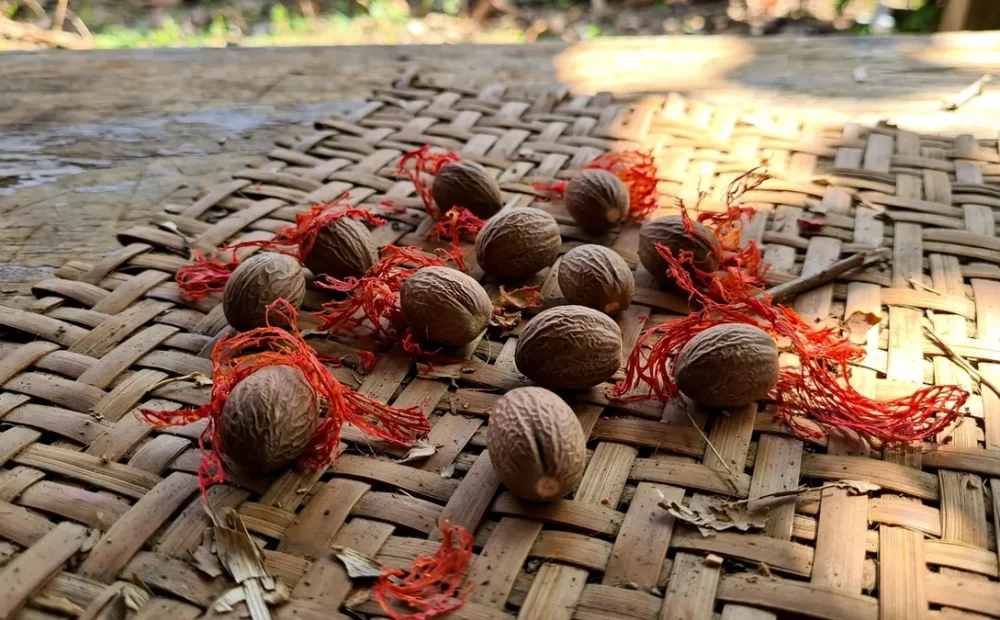
What to do: Ask whether the drying happens on the farm, in a yard you can visit, or at a mill somewhere else. A genuine pepper farm spreads its berries on mats in the sun and turns them by hand until they wrinkle and blacken.
What to avoid: Do not accept a farm that dries elsewhere and cannot show you the yard.
Best for: Travellers who want to see the whole harvest, not just the vines. Time needed: One email, and a look at the farm’s photographs. Standout tip: Ask for a photograph of the drying yard in the picking weeks.
Eat the farm’s own pepper before you believe its claims
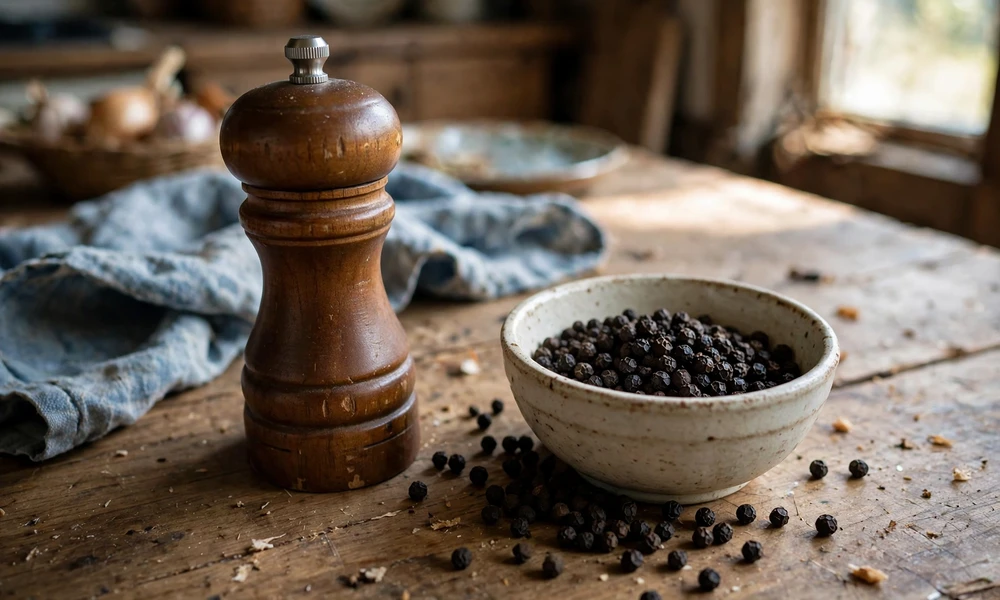
What to do: Ask what the kitchen cooks with its own pepper, and eat the first meal before you judge the farm. Fresh-ground pepper from the week’s harvest tastes hotter and brighter than pepper that has sat in a jar for a year.
What to avoid: Do not trust a label or a certificate alone. A farm can buy famous pepper and serve ordinary pepper; only the plate tells you which is on the table.
Best for: Travellers who cook and want to learn the crop by taste. Time needed: The first supper. Standout tip: Ask the cook to grind the pepper at the table.
Do your walking early, when the vines are cool and damp
What to do: Plan your walks for the early hours, when the crews are picking and the dew is still on the leaves. The vines are coolest then and the picking is at its busiest, so you see the harvest as it happens.
What to avoid: Do not walk the vines at midday in the dry season. The heat is fierce and the paths are at their dustiest.
Best for: Travellers who want to join the work rather than watch it. Time needed: Two or three mornings. Standout tip: Bring gloves if the farm lets you strip the spikes.
Tell the kitchen your diet needs before the deposit is paid
What to do: Tell the farm plainly what you can and cannot eat, and ask what the kitchen can make without wheat, without pepper, or without the dishes you cannot touch. Black pepper carries no gluten, but the bread beside it is usually wheat, so the question matters.
What to avoid: Do not leave the kitchen question until you arrive.
Best for: Travellers with a strict diet or a pepper sensitivity. Time needed: One honest email before you pay. Standout tip: Ask the farm to name the dishes it can make for you, not just to say yes.
Pack boots and a rain layer, not resort clothes
What to do: Pack closed walking shoes, a broad sun hat, a rain layer for sudden showers, and clothes that wash easily by hand. Paths turn muddy after rain, the drying yard is dusty in the sun, and the farmhouse laundry is a basin and a line.
What to avoid: Do not pack white clothes, open sandals or anything that needs a dry cleaner. The vine leaves stain, the red earth stains.
Best for: Travellers who have never stayed on a working farm. Time needed: An evening of packing. Standout tip: Pack a small bag for the berries you carry home.
Use the free day to taste pepper at the town market
What to do: Keep one day free for the nearest town, where the spice markets sell the region’s pepper beside coffee, rice and fruit. A market morning shows what the farm’s crop becomes once it leaves the drying yard, and it saves the trip if the picking shifts.
What to avoid: Do not fill every day with farm work and leave no room for a shift in the weather.
Best for: Travellers who want the region as well as the farm. Time needed: One free day at the end of the stay. Standout tip: Buy your pepper at the market, and compare it with the farm’s own grind.
Bring home the dried corns; leave green berries on the farm
What to do: Buy dried black corns from the farm’s own harvest, packed dry in a sealed bag, and carry them in your hand luggage. Dried berries keep for months, travel well, and grind fresh at home.
What to avoid: Do not try to carry fresh green berries home. They spoil in days and may not pass customs.
Best for: Travellers who cook and want the harvest on their own shelf. Time needed: Half an hour at the farm shop. Standout tip: Ask the farm to label the bag with the harvest week.
Picking the right season and region
The pepper season shifts with the rain, so the right region is the one whose picking week fits your dates. Wayanad and Chikmagalur pick in the Indian winter, Kampot and Bình Phước pick in the dry months, when the sun dries the berries fast, and Lampung and Espírito Santo pick after the rains, when the vines are heavy and the yards are busy. First-timers do best in Wayanad, where farms are used to guests and the pepper curries show the crop at its best, while Kampot suits travellers who want history with their meal.
For a stay built around the costliest spice of all, our guide to planning a saffron farm escape covers hand-picked stigmas in the dry hills, with a harvest measured in grams instead of sacks, and the ginger farm escape puts you among rhizomes in the same wet tropics, with digging weeks instead of picking weeks.
The caveats that matter
Pepper farming answers to the weather: farms give a best guess, never a promise, and a trip pinned to one picking day gambles on rain. The real warning is the vine itself, easy to overlook when the stay is sold as gentle country.
| Detail | What is known |
|---|---|
| Best time to visit | In the picking weeks, when the berries are green and full, with the season shifting by region |
| How long a stay runs | Three to five nights, set around the picking weeks |
| What the work involves | Walking the vines, watching spikes cut down and stripped by hand, and seeing berries spread in the sun to dry and turn black |
| Who should take care | Guests with a strong sensitivity to pepper, and anyone unused to fierce sun, heavy rain or steep muddy paths |
| What the kitchen serves | Pepper chicken and beef, fish curries, grills and stews, with fresh bread beside the plate |
| Gluten note | Black pepper carries no gluten, but the bread and pastry served beside it are usually wheat, so ask the kitchen what it can safely serve |
| What to pack | Closed walking shoes, a broad sun hat, a rain layer for sudden showers, and clothes that wash easily by hand |
| What it does not do | No promised picking day, no fixed menu, and no hotel-style service on a working farm |
Anyone with a strict gluten-free diet should ring the farm before booking. One straight question about the kitchen and the pepper can spare you a difficult stay, and a farm that answers honestly is usually worth the visit.
Checklist: before you book a black pepper farm escape
Run through this list before you pay, and again in the week before you travel.
- Get the picking window in writing, and ask what happens if the berries are still small when you arrive.
- Confirm the nightly rate covers supper, the drive in from the nearest town, and walks among the vines.
- Ask whether the picking and drying happen on the farm, and whether the kitchen can cook a meal without pepper.
- Before you pay, see the room yourself: run the taps, test the bed and switch the heater on, since farm rooms are basic.
- Pack for rain and mud: strong shoes, a hat, a rain layer for sudden showers, and clothes you can rinse in a basin.
- Keep a day open for the nearest town, so a picking week that moves still leaves you a good trip.
Frequently asked questions
What sets black pepper apart from white and green pepper?
All three come from one vine, and the difference is how the berry is handled. Black pepper is the unripe berry dried whole until it wrinkles and darkens, white pepper is the same berry soaked and stripped of its skin, and green pepper is the same berry taken earlier and kept soft. Black tastes hot and sharp, white tastes milder and earthier, and green tastes fresh and bright.
Which weeks do pepper farms do their picking?
The crews start when the berries on a spike begin turning from green toward red, and the exact week moves with the rain and the warmth. Ask the farm for its picking window rather than a single date, and wait until it is fixed before you book flights.
Does black pepper grow on a tree, or does it climb?
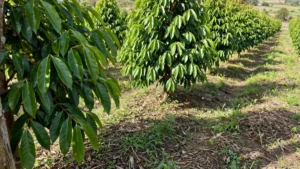
It climbs. Black pepper is a vine that winds around a living tree or a wooden pole and can reach ten metres high, so the harvest is done by hand from a ladder, spike by spike, because the berries on one spike never ripen together.
May guests join in the harvest work?
Most farms welcome guests among the vines, let them join the picking and seat them at the kitchen table, and some hand you spikes to strip and berries to spread for drying. The work is steady, so check what guests may do before you book, and expect soil on your hands either way.
Where should a first-time visitor go for a pepper farm stay?
Wayanad is the simplest first trip: its pepper vines are the widest, its farms are used to guests, and its pepper curries show the crop at its best. If you want history with your meal, Kampot is the red-soil ground where pepper has been grown for generations.
Is gluten-free eating possible on a pepper farm stay?
Mostly. The fields, the picking and the harvest are worth the trip on their own, and black pepper itself carries no gluten, though the bread and pastry beside it are usually wheat. Ask the farm what it can cook without wheat for a gluten-free guest, and fix the picking week ahead of any week the kitchen bakes bread.
The bottom line
A black pepper farm escape suits travellers who would rather eat berries dried that week than pepper from a jar. The vines are tall, the work is honest, and the best stays feed you from ground they worked with their own hands.
Fix the picking week first, then the flights, and keep a spare day at the end. When the harvest lands on time you will taste pepper at its sharpest, and when it slips, the hills, the markets and the old towns will still carry the trip.