
How to Plan a Nutmeg Farm Escape 2027
A nutmeg farm escape is a trip built around a harvest that runs on the trees’ own clock. You travel to a working spice farm, stay in a guest room at the edge of the grove, and spend your days walking under tall trees, gathering the fruit that fell overnight, and eating food cooked with the farm’s own nutmeg and mace. The planning is simple, but the timing matters: the gathering weeks are when the farm is alive.
The nine steps below take you from choosing a region to leaving with dried seed and mace in your bag. They work for the Banda Islands and Grenada, for Zanzibar and Sri Lanka, and for the mountain groves of Jamaica. The details shift with the region, but the order never changes: season first, farm second, kitchen third, packing last.
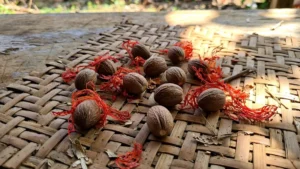
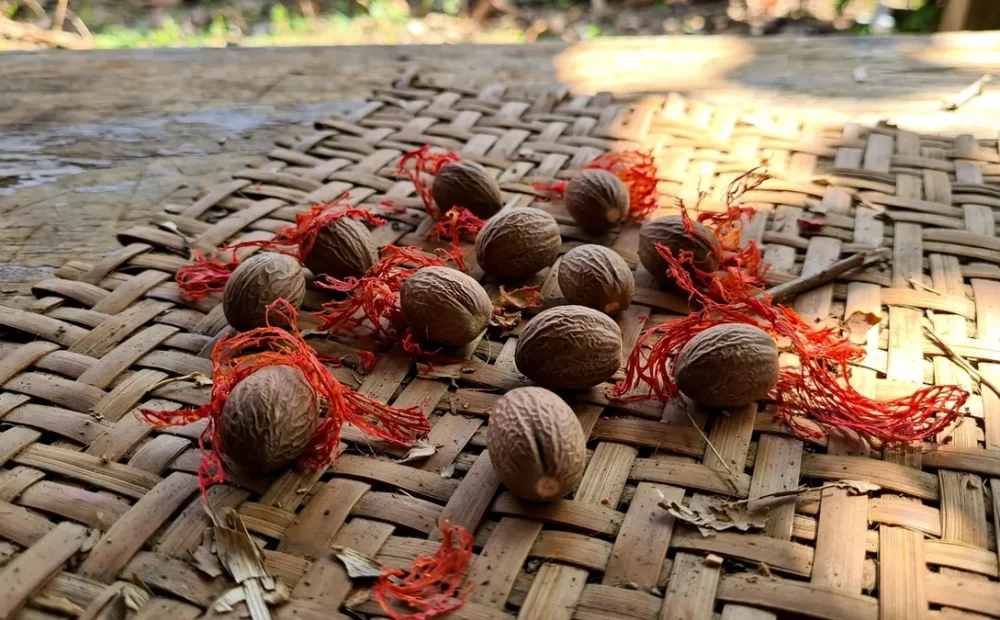
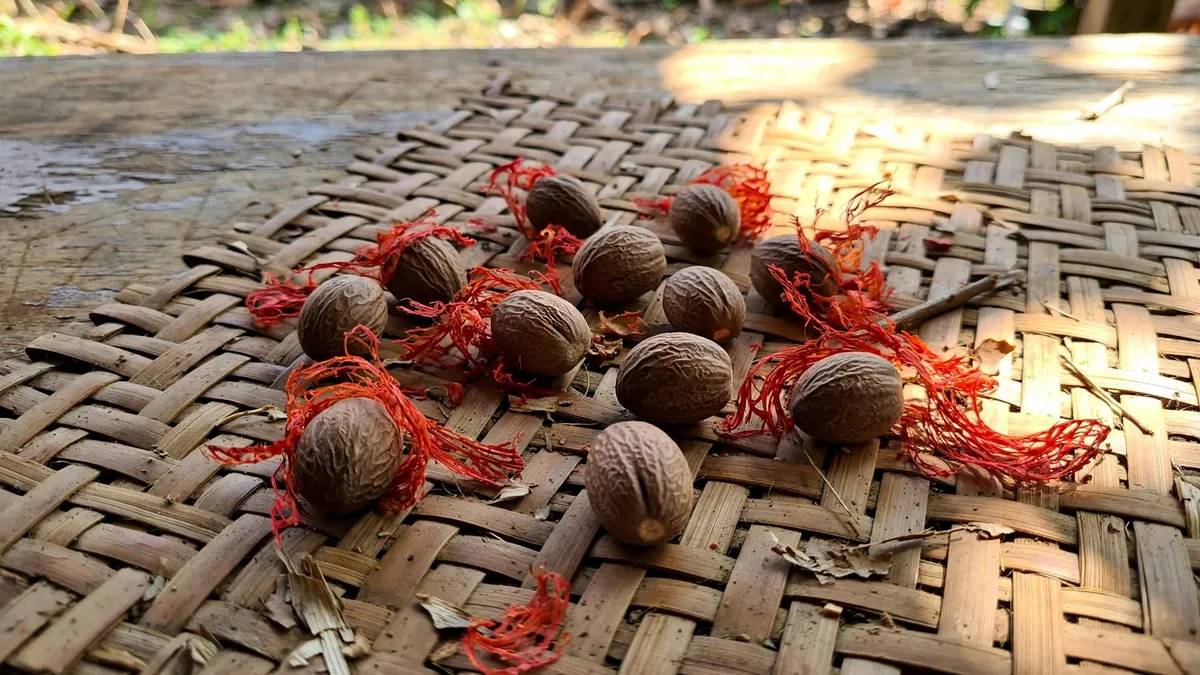
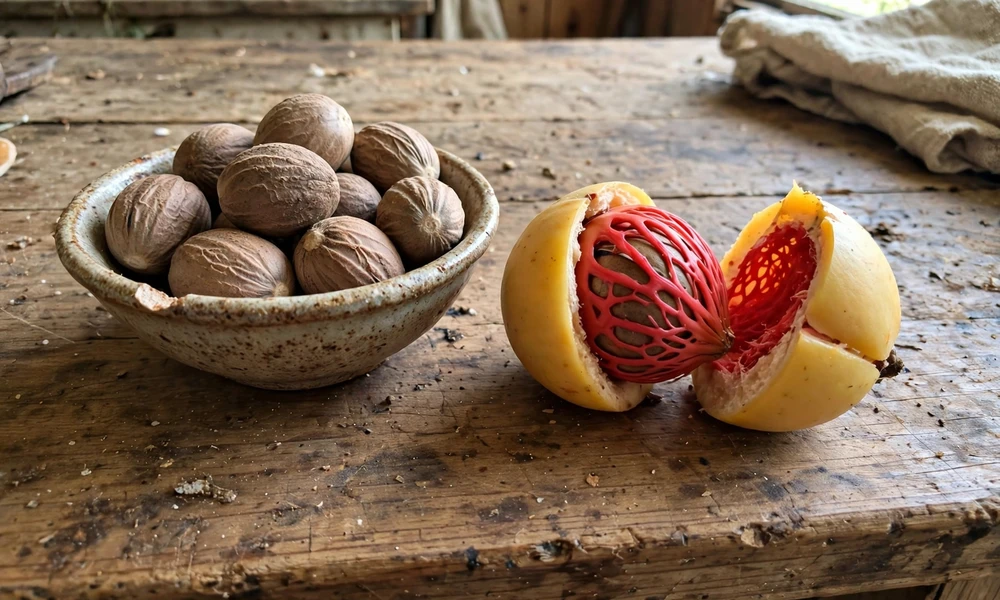
Nutmeg and mace come from the same fruit, and the farm you pick decides how much of each you will see. Nutmeg is the seed, and mace is the red lace that wraps it, two spices from a single fruit. Most farms dry both, and the kitchen uses both, so ask before you book, and plan the trip around the gathering weeks, when the crews are in the groves and the drying racks are full.
Key takeaways
- Plan around the gathering weeks, not the calendar. The season is when the crews are working and the farm is at its best.
- Nutmeg and mace come from the same fruit. Ask whether the farm sells both before you book.
- Tell the farm about gluten-free needs well before you travel. Nutmeg is gluten-free, but farm bread and noodles are usually wheat.
- Pack walking shoes and a rain jacket. Paths run steep and slick after rain, and mornings stay cool.
- Nutmeg farms are small and the best rooms go early, so book as soon as the gathering dates are set.
What a nutmeg farm escape involves
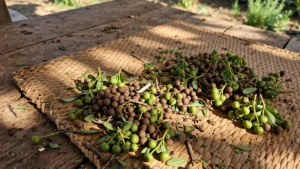
A nutmeg farm escape is a stay on a working spice farm, not a resort with a spice theme. The farm earns its living from seed and mace, and the guests fit around the work. The day starts early, with a walk through the groves to gather the fruit that fell overnight, and the rest of the day runs on splitting, drying, and cooking.
Rooms are usually simple: a farmhouse bedroom, a cottage between the trees, a lodge room with a view over the grove. What makes it luxurious is the food and the setting, not the furniture. Meals are cooked with the farm’s own nutmeg and mace, and the table is often shared with the family that runs the place. Dinner talk usually runs to the harvest, and the coffee or tea is grown a field away. Numbers stay small, seldom more than a dozen guests, so the place still feels like a farm.
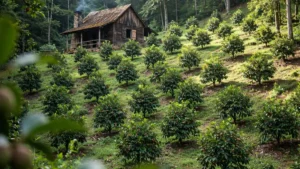
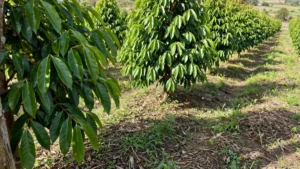
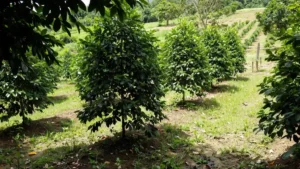
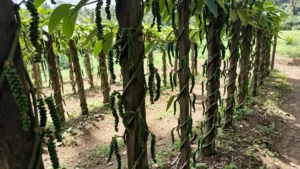
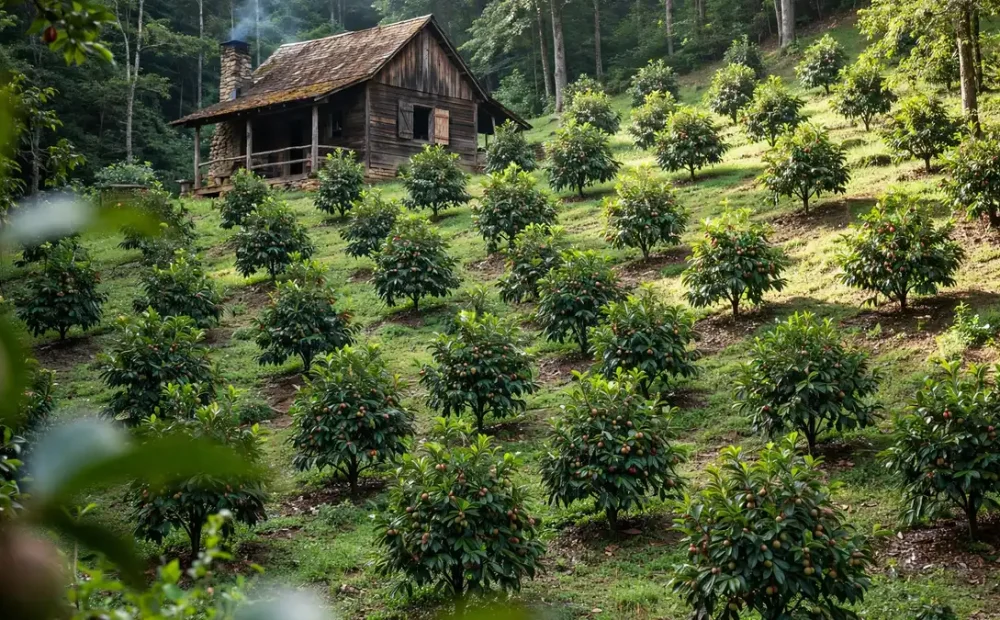
Nutmeg trees fruit for decades once they start, so the farms are old and settled, with tall trees, shade, and paths worn smooth by generations of feet. The climate is warm and wet, part of the draw and also the reason to pack properly: a light layer for the mornings, a rain jacket for the afternoons, and walking shoes for the paths. The farms here span four continents, each growing its nutmeg a little differently.
Most of what you pay goes on the room and the journey. Prices run from $65 to $95 a night at the simplest guesthouse to $345 to $380 at the most polished lodge, with breakfast and a farm walk usually included. The nutmeg itself costs the same everywhere: the seed smells the same in a guesthouse as it does in a lodge.
How to plan it, and what to ask first
Begin with the season. Ask the farm for its gathering dates, and build the trip around them. The gathering weeks are when the crews are in the groves and the drying racks are full, and the farm is at its most interesting. Outside the season the trees are still beautiful, but the heart of the stay is quieter. If a farm cannot give you dates, it may not be a working farm at all.
Ask three questions before you book. First, does the farm sell both the seed and the mace, or the seed alone? Second, can guests join the morning gathering, and for how long? Third, what does the kitchen cook, and can it feed a gluten-free guest? Those answers say more about a stay than any photograph, and a farm that answers plainly usually runs well.
Settle what the price covers before you pay anything. Some farms fold all meals and guided walks into the price, others charge apart, and the transfer from the nearest town is often extra. Ask about the transfer in the same message as the booking, so the arrival is sorted before you travel, and find out whether the farm can meet you in the nearest town.
The 9 steps to plan a nutmeg farm escape
Let the farm’s dates come first, and the booking second
What to Do: Ask the farm for its gathering dates first, then book flights and rooms around them. The gathering weeks are when the crews are in the groves and the racks are full.
What to Avoid: Do not book flights until the farm has confirmed its dates. A trip outside the season still shows green groves, but the drying racks will be empty.
Best For: Travellers who want the farm in full swing.
Time Needed: A single email exchange, a week before you book anything else.
Standout Tip: Get the dates in writing, along with the farm’s own guess at the best week.
Learn which part is the seed and which is the lace
What to Do: Learn the difference between nutmeg and mace before you go. Nutmeg is the seed, warm and deep; mace is the red lace around it, brighter and lighter, and the two suit different dishes.
What to Avoid: Do not treat the two as the same spice in the kitchen. Mace suits light sauces and fish; nutmeg suits rich stews and baking.
Best For: Travellers who cook and want to bring the right spice home.
Time Needed: A single question in the booking message.
Standout Tip: Ask the farm to show you a fresh fruit, so you can see the lace around the seed.
Be in the grove at dawn while the fallen fruit is fresh
What to Do: Join the early walk through the groves, before the sun is high and the air warms. The fruit is freshest on the ground in the cool morning, and the farm is quietest then.
What to Avoid: Do not sleep past the morning walk and expect the same farm at noon. The crews finish early, and the groves feel different in the heat.
Best For: Early risers who want the farm at its quietest.
Time Needed: An hour before breakfast on the first morning.
Standout Tip: Wear walking shoes rather than sandals; the paths run steep and slick after rain.
See the fruit split open in the farm shed
What to Do: Spend a morning at the farm shed, watching the crew split the fruit open and lift out the seed with its red lace. Ask how they judge when a fruit is ready to gather.
What to Avoid: Do not handle the splitting tools without asking. The crew works fast and the blades are sharp, and a careless hand can spoil a batch.
Best For: Travellers who want to grasp the spice, not only taste it.
Time Needed: A morning, with the shed crew.
Standout Tip: Smell the mace while it is still red and fresh, before it dries to orange.
See the seed dry in the sun across the week
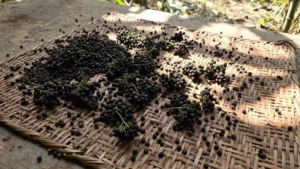
What to Do: Visit the drying racks each day and watch the seed change as the week goes on. The seed rattles in its shell when ready, and the crew can tell by the sound.
What to Avoid: Do not rush the drying or ask the crew to hurry it. The seed needs weeks in the sun, and a rushed batch loses its flavour.
Best For: Travellers staying a full week who want to see the whole process.
Time Needed: A few minutes at the racks each day.
Standout Tip: Shake a dried seed and listen for the rattle that says it is ready.
Taste fresh mace against a seed dried last season
What to Do: Taste a strip of fresh mace, then taste a seed dried last season, and notice the difference. The mace is bright and light, and the older seed is deeper and warmer.
What to Avoid: Do not grate a whole fresh seed into a dish the way you would a dried one. Fresh seed is softer and milder, and a whole one will not give the same warmth.
Best For: Food lovers keen to learn the spice through taste.
Time Needed: Thirty minutes at the tasting table.
Standout Tip: Taste it with plain rice, so nothing else hides the flavour.
Pick the room by what the kitchen cooks
What to Do: Ask what the kitchen cooks, and whether you can join a cooking session. The farm’s own nutmeg and mace are the point of the stay, and the kitchen is where they show.
What to Avoid: Do not book a room and overlook the food. Some farms serve plain meals, others cook proper feasts, and that gap matters more than the room.
Best For: Travellers who build trips around food.
Time Needed: A question at booking, a session during the stay.
Standout Tip: Tell the kitchen about gluten-free needs at booking time, not once you sit down.
Rain in the afternoon is a given, so pack for it
What to Do: Pack a light layer for the mornings and a rain jacket for the afternoons. The farms sit in warm, wet country, and the mornings are cool even when the afternoons are hot.
What to Avoid: Do not pack for the afternoon heat alone. The dawn walk is the coolest part of the day, and the rain comes in short bursts.
Best For: Travellers who walk the groves at dawn.
Time Needed: Ten minutes while you pack.
Standout Tip: One light waterproof layer handles both the cool and the rain.
Do your buying at the farm shop, on the last day
What to Do: Buy dried seed and mace from the farm before you leave, and ask how they were dried and how long they will keep. Farm spice is fresher than shop spice.
What to Avoid: Do not buy spice from a market stall on the way home without knowing its source. Farm spice comes with a story and a drying date.
Best For: Travellers who cook and want the genuine article at home.
Time Needed: Thirty minutes at the farm shop on the last morning.
Standout Tip: Ask the farm to pack the spice in a sealed bag, and keep it away from light.
Picking the right season and region
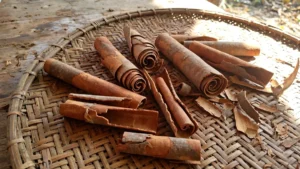
Grenada suits a first trip. The island is small, the farms are close together, and nutmeg grows beside cocoa and cinnamon, so one stay covers several spices. The Banda Islands suit travellers who want the origin story, with the oldest groves here, but the journey is longer and the rooms simpler. Zanzibar and Sri Lanka suit anyone after the widest spice lesson, with half a dozen crops in a single morning walk.
Jamaica suits those after cool mountain air and a second crop beside the nutmeg, and Penang suits hill air with a sea view. São Tomé and Príncipe fits a slow, far-flung trip, and Madagascar fits those after the most comfortable lodge and a second world-class spice in vanilla. The gathering weeks matter more than the region. Ask for the farm’s dates, then build the trip around them. The ginger farm escape runs on a similar seasonal rhythm, and the turmeric farm escape shares the same warm, wet climate, so the two pair well with a nutmeg trip.
The caveats that matter
Nutmeg on its own carries no gluten, but the kitchen does. Bread, noodles, and the thickeners in sauces are wheat more often than not, so a gluten-free guest should settle the food question at booking time, not once seated. Rice-based meals are usually possible when the farm has warning, yet no farm can rebuild its kitchen in a day. Raise it when you book, then raise it again on arrival.
The ground underfoot is working ground: uneven, steep, and slippery after rain. Go in sturdy walking shoes rather than sandals, and bring a rain jacket. Warm, wet mornings run cool even when afternoons turn hot. The saffron farm escape offers the same advice, and it holds here too: dress for the dawn walk, not the afternoon.
| Detail | What is known |
|---|---|
| Two spices, one fruit | The seed is nutmeg and the red lace around it is mace, brighter and lighter in flavour. |
| Harvest timing | Fruit is gathered from the ground when it falls, then split open by hand at the shed. |
| Drying | Seeds dry in the sun for weeks, and rattle in the shell when ready. |
| Trees | Trees need years to start fruiting, then keep bearing for decades. |
| Gluten note | The spice on its own has no gluten, while the kitchen’s bread and noodles usually do. |
| When to go | Visit while the gathering crews work and the drying racks are full. |
| Walking gear | Sturdy shoes and a rain jacket suit steep paths that turn slick once it rains. |
| Guest numbers | Farms keep stays small, often capping groups at a dozen guests. |
Checklist: before you book a nutmeg farm escape
- Ask the farm for its gathering dates, then build the trip around them.
- Ask whether the farm sells both nutmeg and mace.
- Mention gluten-free needs to the farm when you book.
- Bring sturdy shoes and a rain jacket for the steep, wet paths.
- Make sure the price covers meals, walks, and transfers.
- Reserve ahead in the gathering season; the small farms fill quickly.
Frequently asked questions
Does a nutmeg farm work for a gluten-free traveller?
Yes, with notice. The spice has no gluten, though the kitchen’s bread and noodles are made with wheat. Rice dishes are usually on offer for guests who raise it at booking, but a farm cannot rework its kitchen in a day.
How far ahead should I book a nutmeg farm stay?
Book as soon as the gathering dates are set. The farms are small, with only a few rooms, and the best rooms go early. A month ahead is a minimum in the gathering season; two months is safer.
What goes in the bag for nutmeg country?
Walking shoes, a light layer for the cool mornings, and a rain jacket for afternoon showers. Paths run steep and slick after rain, so sandals are a poor choice. Bring a small bag for dried seed and mace.
Do nutmeg farms welcome children?
Most farms welcome children who can walk the groves, but the paths are steep and the work starts early. Ask the farm about walking distances and start times before bringing young children, and plan shorter walks for them.
What is worth bringing home from a nutmeg farm?
Dried seed and mace from the farm itself, bought at the farm shop on the last morning. Farm spice is fresher than shop spice, and the farm can tell you how it was dried and how long it will keep. Ask for a sealed bag.
How much does a week on a nutmeg farm run to?
Rooms run $65–$95 a night at the simplest guesthouse to $345–$380 at the most polished lodge, with breakfast and a farm walk usually included. A week at a mid-range farm comes to roughly $1,000–$1,500 for two, before flights.
The bottom line
Planning a nutmeg escape comes down to a short list: the gathering dates first, the farm second, the kitchen third, and the packing last. Choose the region that matches your season, find out whether the farm sells mace as well as seed, and travel while the crews are out and the racks are full.
The seed and mace in your bag will carry the farm’s smell for months, and the sight of the drying racks will outlast the memory of the room. Reserve early, bring sturdy shoes, and warn the kitchen about gluten-free needs before you set off. The farms are small, the season is long but the finest weeks are taken first, and the trees have been waiting years for your visit.