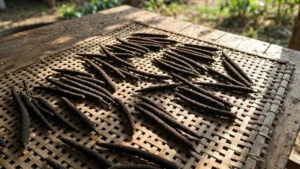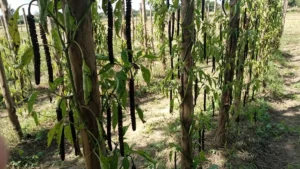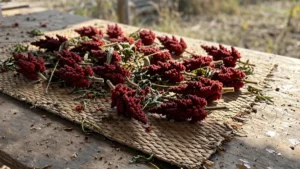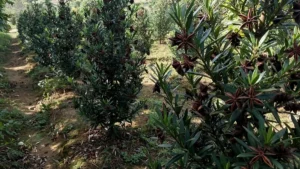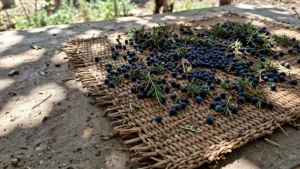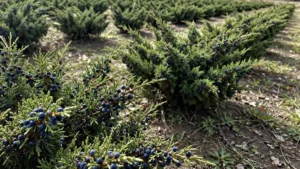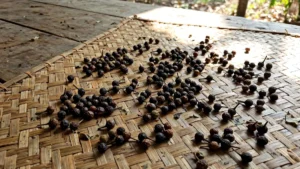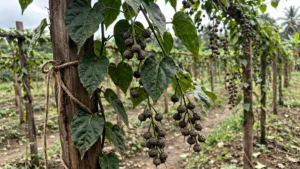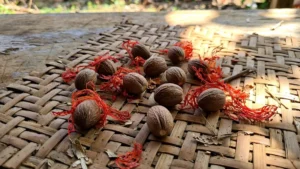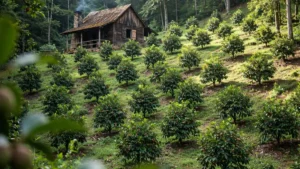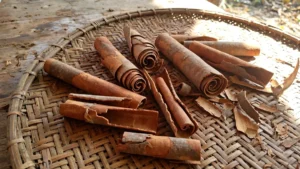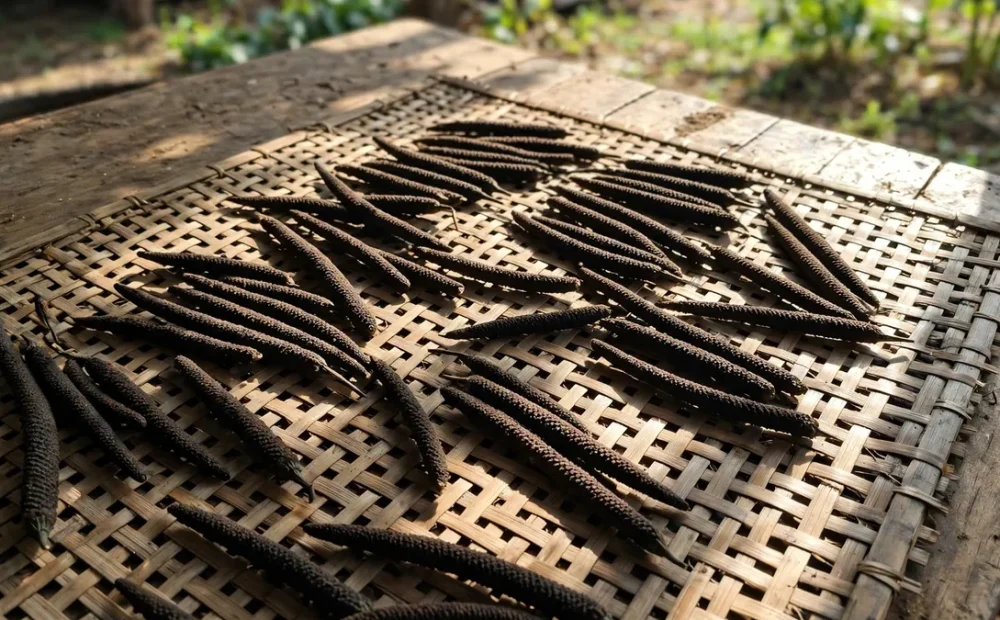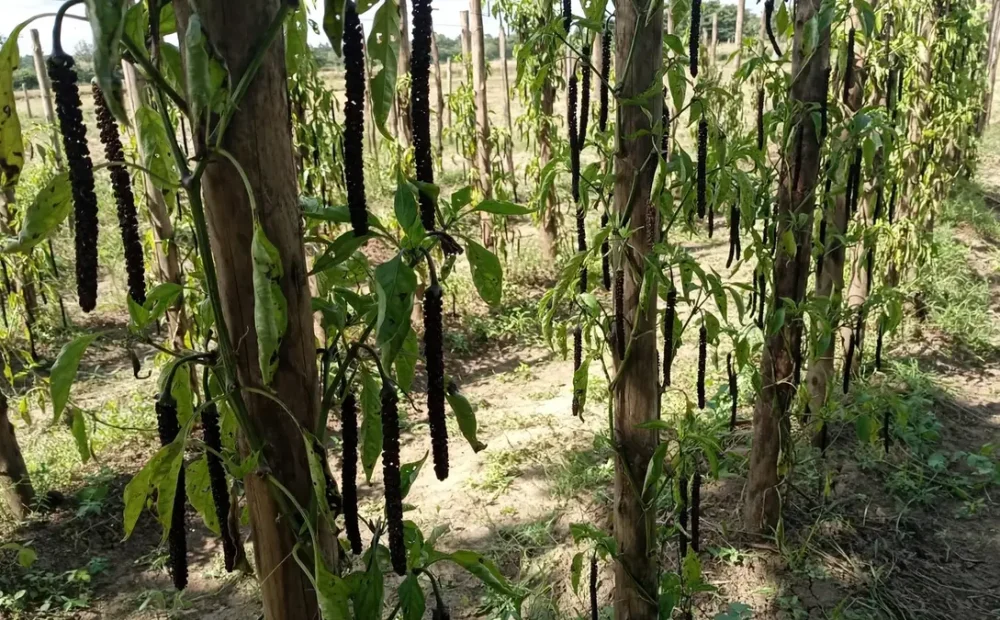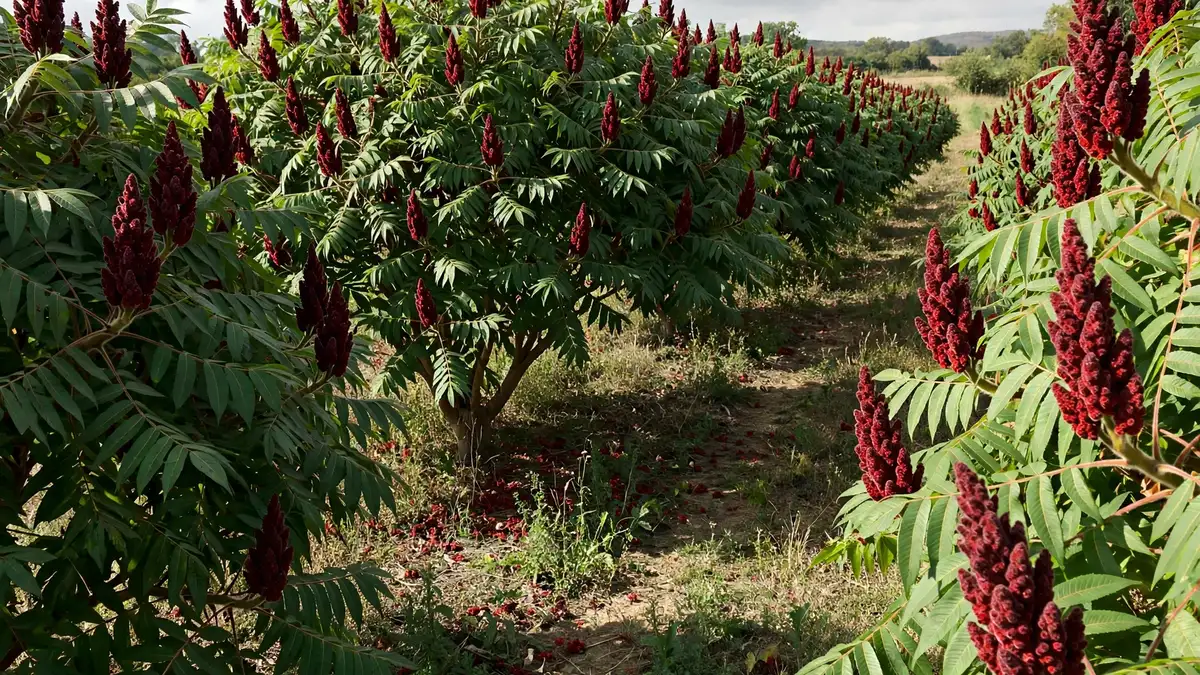
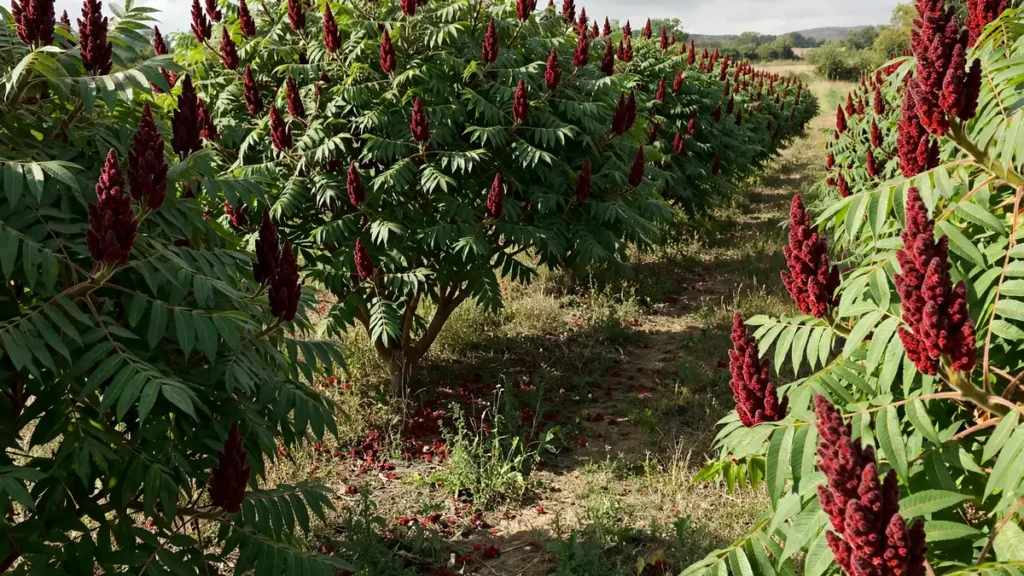
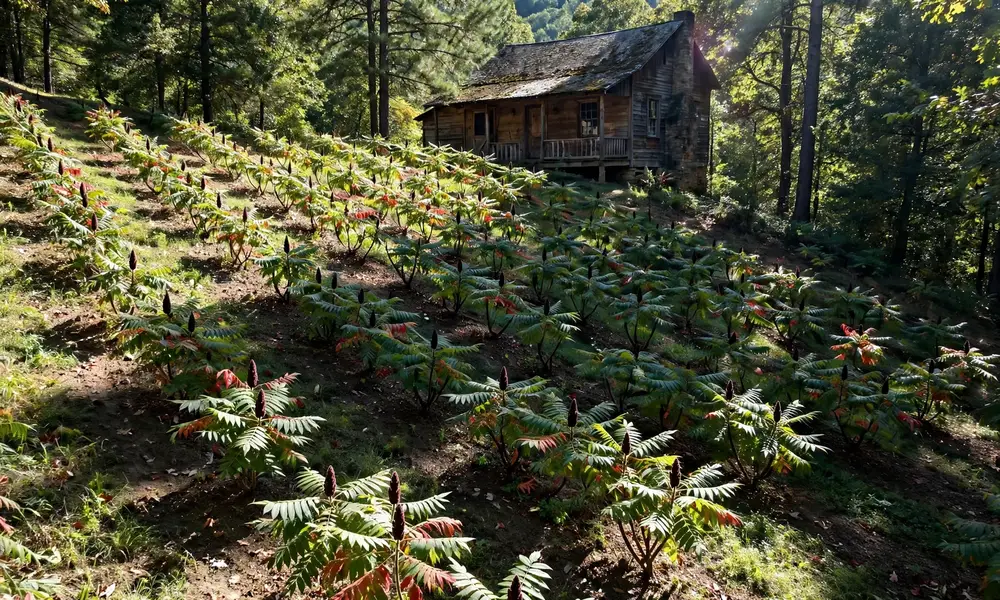
Sumac is the sour red dust on the edge of the plate, and on a sumac farm you learn where it comes from. The berries grow in dense red cones on low shrubs, and in late summer pickers strip them by hand, dry them in the sun, and grind them into the deep red powder that seasons dishes across the Levant. A sumac farm retreat puts you in the middle of that work, with a room beside the shrubs and a table set with the farm’s own cooking.
A sumac farm retreat is a small stay on or beside a working sumac farm, with a guest room, home cooking, and guided time among the shrubs. You are not booking a hotel that happens to keep a spice garden. You are booking a farm that happens to take guests, and the difference shows in the pace of the day, the food on the table, and the way the staff talk about the harvest.
Most of these stays host fewer than a dozen guests at a time. Rooms are simple and well kept, meals are cooked from the farm garden, and the best part of the visit is usually unplanned: a walk through dry hills at sunset, or a cook dusting sumac over warm bread. This guide covers nine stays worth the journey in 2027, from the Bekaa Valley to Sicily.
Key takeaways
- Sumac is the dried red berry of a low shrub, ground into a tangy, lemon-like powder used across Levantine cooking.
- Berries are picked by hand in late summer, dried in the sun, and ground on the farm.
- The classic sumac country is Lebanon, Turkey, and Iran, with smaller groves in Jordan, Cyprus, and Sicily.
- Rooms run $65–$95 a night at the simplest guesthouse to $345–$380 at the most polished villa on the list.
- The spice carries no gluten, yet the bread and noodles at the farm table are wheat, so raise it in your first message to the farm.
What a sumac farm retreat actually is
Think of a sumac stay as a small working farm that keeps two or three rooms for visitors. The berries pay the bills; the guests are a welcome extra. The day begins before the heat, with pickers moving through the shrub rows with baskets, and the rest of the day runs on drying and cooking. Visitors walk with the crew and sit down to food cooked with the farm’s own spice.
Rooms are usually plain rather than grand: a guesthouse bedroom, a stone cottage between the shrubs, a lodge room looking over the valley. The luxury sits in the setting and the food, not the furniture. Meals come from the farm garden, and sumac turns up in most of them.
The harvest is short, a few weeks in late summer, and the farms are quiet outside it. The shrubs still stand and the cooking is still good, but the drying racks will be empty. Book around the picking if watching the work is the reason you are going.
How we picked these stays, and what to ask first
Every stay on this list earns its living from sumac. The farms dry their own berries, grind their own powder, and sell it at the farm shop. We skipped places where the shrubs are a backdrop for photographs. We also asked about picking dates, joining the crew, and gluten-free cooking.
Before you book, ask three questions. First, which weeks do the pickers work, and can you join them? Second, does the farm dry and grind its own berries, or buy the powder in? Third, what does the kitchen cook, and can it feed you safely if wheat is off the table? Those three answers tell you more than any brochure.
Prices on this list run from $65 to $380 a night for two, with breakfast and a guided walk included at most of them. Every stay takes guests out to the shrubs, and every one dries its own harvest.
The 9 best luxury sumac farm retreats of 2027
Bekaa Valley, Lebanon — Sumac on the Valley Floor
The Bekaa grows sumac on dry hillsides between vineyards and wheat fields. Guest rooms sit in a stone house with a shaded courtyard, and mornings start with flatbread, labneh, and a shrub-row walk. The farm dries berries on rooftop racks and grinds them behind the house.
What We Like: The picking is hands-on here, with guests stripping cones beside the crew and tasting berries straight off the shrub.
What to Consider: The valley is hot in late summer, the rooms are plain, and the nearest town is a drive away.
Best For: A first sumac trip on a small budget.
Style: Stone farmhouse with a shaded courtyard.
Price Range: $65–$95 a night for two, breakfast and a morning walk included.
Standout Feature: A stone mill where the farm grinds its own sumac.
Chouf Mountains, Lebanon — Sumac in the Cedar Hills
In the Chouf, sumac grows under cedars on terraced slopes, and the stay is a restored stone house overlooking the valley. The farm is small, the cooking is generous, and the owner walks guests through the terraces each morning.
What We Like: The terraces are beautiful at sunset, and the kitchen serves the best fattoush on this list.
What to Consider: The road up is steep, and the house has no air conditioning.
Best For: Slow mornings and long lunches in the hills.
Style: Restored stone house on a cedar terrace.
Price Range: $100–$130 a night for two, breakfast and a terrace walk included.
Standout Feature: A terrace kitchen where sumac goes into every lunch.
Gaziantep, Turkey — Sumac in the Pistachio Country
Gaziantep is famous for pistachios and kebabs, and sumac grows on the dry hills outside the city. The farm pairs spice rows with a pistachio orchard, and guests sleep in a whitewashed house with a courtyard fountain. The kitchen grinds sumac fresh each morning.
What We Like: The food is the best on this list, with kebabs, salads, and dips seasoned from the farm’s own spice.
What to Consider: The city heat is fierce in August.
Best For: Travellers who plan the trip around the food.
Style: Whitewashed farmhouse with a courtyard fountain.
Price Range: $135–$165 a night for two, breakfast and a farm tour included.
Standout Feature: A pistachio orchard beside the sumac rows.
Hatay, Turkey — Sumac by the Old Olive Groves
Hatay sits near the Syrian border, where sumac grows among olive groves on rocky hills. The farm is an old stone house with a herb garden, and the family has dried sumac here for three generations. Guests join the picking, then eat under the olive trees.
What We Like: Three generations of drying know-how, and lunch under old olive trees.
What to Consider: The region is remote, and the house keeps simple hours, with dinner early and mornings earlier.
Best For: A deep dive into old Levantine cooking.
Style: Old stone house in an olive garden.
Price Range: $170–$200 a night for two, breakfast, lunch, and picking included.
Standout Feature: A third-generation drying shed with a stone floor.
Şanlıurfa, Turkey — Sumac on the Sun-Baked Plain
Şanlıurfa is hot, dry, and ancient, and sumac grows on the plains outside the city alongside wheat and lentils. The stay is a cool stone house with thick walls, and the family cooks over an open fire. The berries dry fast in the fierce sun, and the powder is deep red and sharp.
What We Like: The open-fire cooking and the sharpest sumac on this list.
What to Consider: The heat is intense, and the house has no pool.
Best For: Travellers who like their spice trips with history attached.
Style: Cool stone house with thick walls.
Price Range: $205–$235 a night for two, meals and a guided walk included.
Standout Feature: Open-fire cooking with the farm’s own sumac.
Tabriz, Iran — Sumac in the Cool North
Tabriz sits in the cool north of Iran, where sumac grows on mountain slopes and the air stays fresh through summer. The stay is a garden house with a courtyard pool, and the family dries berries on the roof. Guests walk the slopes in the morning and eat sumac-dusted kebabs at noon.
What We Like: Cool mountain air in high summer, and a courtyard pool for the afternoons.
What to Consider: Visas take time, and the farm speaks little English.
Best For: A cool-weather sumac trip in the mountains.
Style: Garden house with a courtyard pool.
Price Range: $240–$270 a night for two, breakfast and a mountain walk included.
Standout Feature: Rooftop drying racks above the garden.
Jordan Valley, Jordan — Sumac Below Sea Level
The Jordan Valley is the lowest place on earth, hot and green, and sumac grows on the hills above the river. The stay is a modern lodge with a pool above the valley, and the farm dries berries on shaded racks. Guests pick early, before the heat.
What We Like: Early-morning picking followed by a long afternoon by the pool.
What to Consider: The valley heat is brutal by midday, and the lodge is priced for the view.
Best For: A sumac trip with a pool at the end of the day.
Style: Modern lodge with a pool above the valley.
Price Range: $275–$305 a night for two, breakfast and a morning pick included.
Standout Feature: Shaded drying racks with a view over the river.
Troodos Mountains, Cyprus — Sumac on the Pine Slopes
In the Troodos, sumac grows wild on pine-covered slopes, and the farm gathers it from the hillsides rather than planting rows. The stay is a village house with a stone terrace, and the family dries berries in the sun and grinds them in a small mill. Evenings are cool, and the cooking leans on village recipes.
What We Like: Wild sumac gathered from the hills, and cool pine air in the evenings.
What to Consider: The gathering is scattered, and the village is quiet at night.
Best For: A quiet mountain stay with wild spice.
Style: Village house with a stone terrace.
Price Range: $310–$340 a night for two, breakfast and a hillside walk included.
Standout Feature: A small mill that grinds wild-gathered sumac.
Sicily, Italy — Sumac Above the Sea
Sicily grows sumac on volcanic hills near the coast, where the berries turn deep red in the late-summer sun. The stay is a polished villa above the sea, with a pool and garden restaurant. The farm serves its berries with fish, salads, and olive oil.
What We Like: A villa above the sea, and sumac served with the island’s best fish.
What to Consider: It is the priciest stay here, and the picking is gentler than the Levantine farms.
Best For: A luxury finish to a spice trip.
Style: Polished villa above the sea with a garden restaurant.
Price Range: $345–$380 a night for two, breakfast and a terrace tasting included.
Standout Feature: A terrace tasting of sumac with olive oil and sea salt.
Which sumac region fits your trip
If you want the classic sumac story, start in Lebanon. The Bekaa is the easiest first stop, with the picking close to the room. The Chouf suits travellers who want hills, cedars, and a slower pace.
For a spice trip built around food, Gaziantep and Hatay both work, but they feel different. Gaziantep is a city of kebabs and markets. Hatay is quieter and older, with olive gardens and a family that has dried sumac for three generations. Şanlıurfa is the hottest and most historic of the three, and it suits travellers who like ancient cities.
For the adventurous, Tabriz and the Jordan Valley are the far ends of this list. Tabriz is cool, high, and remote, with mountain slopes and a garden house. The Jordan Valley is the opposite, hot and low, with a pool at the end of the day. Troodos pairs sumac with pine forest, but the gathering is scattered. Sicily is the best choice if you want the sea with your spice, and a villa to come back to. The cardamom farm retreats we covered earlier sit well beside a sumac trip if you want two spice regions in one journey.
The caveats that matter
Sumac farms are working farms, not resorts, and the trip works best when you arrive knowing that. Picking happens in short late-summer weeks, when the berries turn deep red. Outside those weeks there is still plenty to see, but the drying racks will be empty and the crew will be doing other work. Book around the harvest if the picking is the reason you are going.
Sumac is often confused with poison sumac, a different plant that causes rashes, and the two are not related in the kitchen. The spice sumac is safe to eat, and every farm on this list grows the culinary kind. Ask the farm which species it grows, and do not pick berries from wild shrubs on your own.
| Detail | What is known |
|---|---|
| Spice vs poison sumac | Culinary sumac is safe to eat; poison sumac is a different plant. |
| Picking | Berries are stripped by hand in late summer. |
| Drying | Cones dry in the sun for days, then the berries are stripped and ground. |
| Za’atar | Sumac is a key part of za’atar, mixed with thyme, sesame, and salt. |
| Gluten | Sumac is gluten-free; farm bread and noodles are wheat. |
| Footwear | Closed walking shoes; hillside paths are rocky and dry. |
| Group size | Stays here host a small number of guests at a time, usually under a dozen. |
| What to buy | Ground sumac from the farm shop, not powder from a market stall. |
Checklist: booking a sumac farm stay honestly
- Ask which weeks the pickers work, and build the trip around them.
- Check that the farm dries and grinds its own berries.
- Raise gluten-free needs in your first message to the farm.
- Pack closed walking shoes and sun protection for dry hills.
- Confirm the nightly rate covers meals, walks, and transfers before you pay.
- Buy ground sumac at the farm shop; it keeps longer than the cones.
Frequently asked questions
Is sumac the same as poison sumac?
No. They are different plants. Culinary sumac comes from the berries of the sumac shrub, dried and ground into a tangy powder. Poison sumac is a separate plant that grows in wet ground and causes a rash on contact. The farms on this list grow the culinary kind.
When do sumac farms pick their berries?
Berries are picked in late summer, when the cones turn deep red. The picking weeks are short, and the dates shift with the weather each year. Ask the farm for its dates before you book anything, and shape the trip around them.
Can guests pick berries with the crew?
Yes, on most of the farms here, and it is the highlight of the visit. Pickers strip the cones by hand and carry them to the racks, and guests are welcome to work beside them. The cones then dry in the sun for several days.
Does a sumac farm work for a gluten-free traveller?
Sumac itself is gluten-free, and the farms can cook without wheat if you tell them when you book. The catch is the bread and noodles served at the table, which are wheat. Mention it early, and ask what the kitchen will serve instead.
How far in advance should I book a sumac farm stay?
Book two months ahead for the picking weeks; the small farms fill fast. Outside the harvest, a few weeks of lead time is usually enough. The cinnamon farm retreats book out just as quickly in their own peeling weeks.
What should I pack for sumac country?
Closed walking shoes, sun protection, long trousers for the shrub rows, and a small bag for ground spice. The paths are rocky and dry, and the picking sheds fill with dust. Carry cash for the farm shop, since card machines are rare in the hills. The ginger farm retreats need the same kit.
The bottom line
Sumac is the tangiest of the spice trips, and that is its charm. Nothing here is staged, just pickers, red cones, and berries drying in the sun. The best stays let you stand close to the work and eat food seasoned with berries picked the same morning. Choose the region that fits your trip, book around the picking weeks, and ask how the farm dries its berries.
The Bekaa is the easiest first sumac trip, Hatay the most traditional, and Sicily the most polished. All nine stays grow real sumac and show the whole process. Go for the picking, stay for the cooking, and bring ground sumac home from the farm shop.