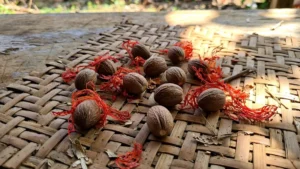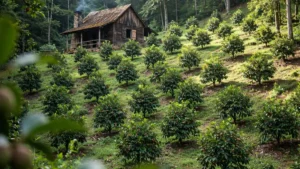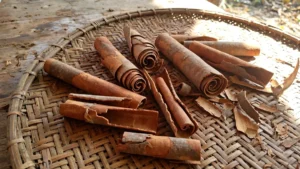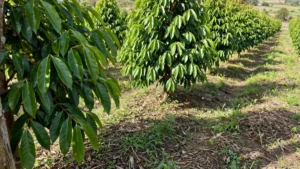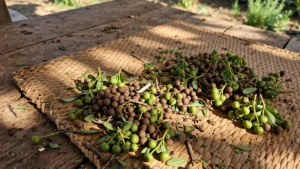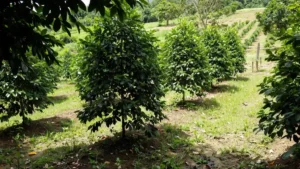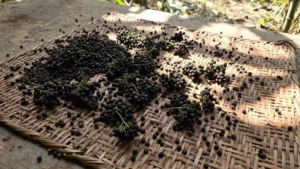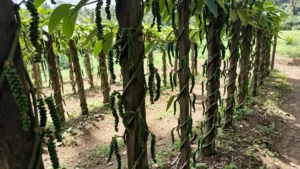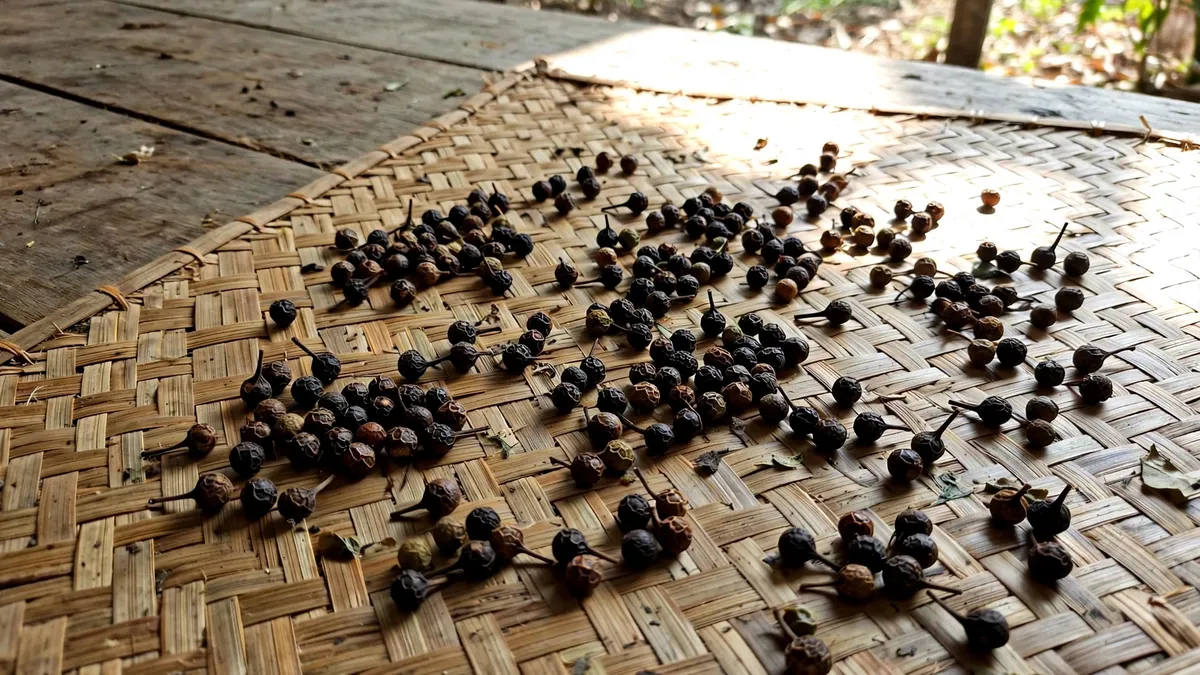

A cubeb pepper farm escape is a short trip built around a single crop at its busiest moment. The vine climbs, and the harvest means ladders, hand-cut spikes and long drying yards, so the work is plain to see from the farmhouse door. You arrive while the berries are still green and leave with dark grey-brown corns dried in the sun that week.
The trip works best when it is built around the farm, not around a calendar. Cubeb regions set their picking week by the rain and the ripeness of the berries, and a date fixed months ahead can land a week early or late. The farms are small, the rooms are plain, and the kitchen cooks what the fields gave that morning, so the planning comes down to three things: the right week, the right farm, and a straight answer from the kitchen.
This guide walks through the nine steps that matter, from learning the tail that marks a cubeb berry to packing for wet heat and carrying the harvest home. Follow them in order and the trip stays simple; skip them and the cubeb may be picked and gone before you arrive.
Key takeaways
- Cubeb pepper is picked green and unripe, then sun-dried until dark grey-brown, so the whole trip turns on the farm’s picking week.
- Each cubeb berry carries a small tail, which is how you tell it from black pepper, so learn the tail before you book any farm.
- The farm names its picking week, not a month, and the week moves with the rain, so book the week before the flights.
- Cubeb farms are working farms with a handful of rooms, plain comfort and mud on the paths, not hotels with a spice theme.
- Cubeb pepper carries no gluten, but the bread beside it is usually wheat, so settle the kitchen question before you pay a deposit.
What a cubeb pepper farm escape involves
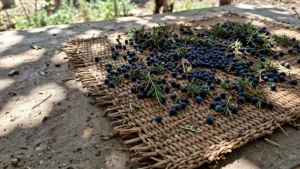
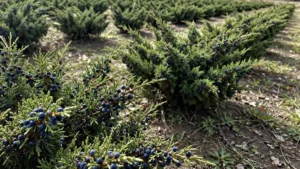
A cubeb pepper farm escape means three to five nights on a working cubeb farm during the picking weeks. Guests sleep in a farmhouse room or a converted barn, eat at one shared table, and spend the days among the vines, watching spikes cut down, stripped by hand and laid on mats to dry. The work is slow and open: ladders against the trees, baskets of green berries and the drying yard full by noon.
The crop sets the rhythm of the stay. Mornings belong to the vines, while dew is still on the leaves and the crews are out with their baskets. Afternoons belong to the drying yard, where berries are turned and winnowed, and evenings belong to the kitchen, where the cubeb ground that day goes into stews, grills and spiced drinks.
An escape here is not a walk through a spice museum. It is a stay on ground that grows the spice, with vines overhead and the drying yard at your feet. For a stay built around another spice altogether, our guide to planning a cardamom farm escape covers shade-grown pods in the hills, with cardamom tea and spiced rice instead of ground cubeb and grills.
How to plan it, and what to ask first
Begin with the berry, not the bed. Ask the farm how it picks and dries its cubeb: a farm that picks tailed berries and one that buys dried corns run different weeks. Then ask for the picking window in writing, and what happens if the berries are still unripe when you arrive. A farm that answers straight is usually worth the visit.
Next, settle the money in that same email. Ask what the nightly rate covers: dinner, the lift in from the nearest town and walks among the vines should be counted in the price, not charged on arrival. Then ask about the room itself, because farm rooms are plain and a photo will not tell you if the bed is firm or the water runs hot. The best farms take only a handful of guests, so write early, and write to the farm itself, not to a booking site.
The 9 steps to plan a cubeb pepper farm escape
Spot the tail, then find the farm that grows it
What to do: Learn to spot a cubeb berry by its small tail before you contact any farm. Cubeb is the dried berry of a climbing vine, and the tail is the mark that sets it apart from black pepper, so ask the farm to show you tailed berries on the vine in its photographs.
What to avoid: Do not book a farm that shows smooth tailless berries and calls them cubeb. One wrong berry means the farm is selling ordinary pepper under a rarer name.
Best for: Travellers who want the real crop, not a label. Time needed: One quiet evening of reading before you write to any farm. Standout tip: Ask the farm to name the tail in its first reply.
Wait for the farm to name its drying week
What to do: Ask the farm for its drying week in writing, and hold off on flights until it is fixed. Berries on one spike ripen at different times, so the farm picks in rounds, and the best week is when most spikes are full.
What to avoid: Do not pin the trip to a single drying day. A day of rain can hold the crews back.
Best for: Travellers whose dates can move by a week. Time needed: A week of emails back and forth with the farm. Standout tip: Ask what happens to your stay if the drying shifts by a few days.
Visit the drying yard before you commit
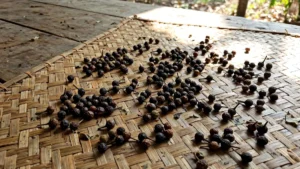
What to do: Ask whether the drying happens on the farm, in a yard you can visit, or at a mill somewhere else. A genuine cubeb farm spreads its berries on mats in the sun and turns them by hand until they darken and wrinkle.
What to avoid: Do not settle for a farm that dries elsewhere and cannot show you the yard.
Best for: Travellers who want the whole harvest, not just the vines. Time needed: One email, plus a look at the farm’s photos. Standout tip: Ask for a photo of the drying yard in the picking weeks.
Let dinner on the first night decide
What to do: Ask what the kitchen cooks with its own cubeb, and eat the first meal before you judge the farm. Fresh-ground cubeb from the week’s harvest tastes cooler and brighter than cubeb that has sat in a jar for a year.
What to avoid: Do not believe a label or a certificate on its own. A farm can buy famous cubeb and serve ordinary pepper; only the plate tells you which is on the table.
Best for: Travellers who cook and want to know the crop by taste. Time needed: The first supper. Standout tip: Ask the cook to grind the cubeb at the table.
Start among the vines at sunrise, not at noon
What to do: Plan your walks for the early hours, when the crews are picking and the dew is still on the leaves. The vines are coolest then and the picking is at its busiest, so you catch the harvest as it happens.
What to avoid: Do not walk the vines at noon in the dry season. The heat is fierce and the paths are at their dustiest by then.
Best for: Travellers who want to join the work instead of watching it. Time needed: Two or three mornings. Standout tip: Bring gloves if the farm lets you strip spikes.
Settle the kitchen question first, then pay the deposit
What to do: Tell the farm plainly what you can and cannot eat, and ask what the kitchen can make without wheat, without cubeb, or without the dishes you cannot touch. Cubeb pepper carries no gluten, but the bread beside it is usually wheat, so the question matters.
What to avoid: Do not save the kitchen question until you arrive.
Best for: Travellers with a strict diet or a pepper allergy. Time needed: One straight email before you pay. Standout tip: Ask the farm to list the dishes it can make for you, not just to say yes.
Leave the resort wardrobe at home
What to do: Pack closed walking shoes, a broad sun hat, a rain layer for sudden showers, and clothes that wash easily by hand. Paths turn to mud after rain, the drying yard is dusty in the sun, and the farmhouse laundry is a basin and a line.
What to avoid: Do not pack white clothes, open sandals or anything a dry cleaner must handle. Vine leaves stain, and red earth stains.
Best for: Travellers who have never slept on a working farm. Time needed: An evening of packing. Standout tip: Pack a small bag for the berries you take home.
Give the town market your spare day
What to do: Keep one day free for the nearest town, where the spice markets sell the region’s cubeb beside coffee, rice and fruit. A market morning shows what the farm’s crop becomes after it leaves the drying yard, and it rescues the trip if the picking shifts.
What to avoid: Do not cram every day with farm work and leave no room for a change in the weather.
Best for: Travellers who want the region along with the farm. Time needed: One spare day at the end of the stay. Standout tip: Buy your cubeb at the market, and compare it with the farm’s own grind.
Carry the harvest home in a sealed bag
What to do: Buy dried cubeb corns from the farm’s own harvest, packed dry in a sealed bag, and carry them in your hand luggage. Dried berries last for months, travel well and grind fresh at home.
What to avoid: Do not try to take fresh green berries home. They spoil in days and customs may not let them through.
Best for: Travellers who cook and want the harvest on their shelf at home. Time needed: Half an hour at the farm stall. Standout tip: Ask the farm to mark the bag with the harvest week.
Picking the right season and region
The cubeb season shifts with the rain, so the right region is the one whose picking week fits your dates. West Java and Central Java pick in the Indonesian dry months, when the sun dries the berries fast, Bengkulu and Sarawak pick after the rains, when the vines are heavy and the yards are busy, and Zanzibar and Madagascar pick in their own southern seasons. First-timers do best in West Java, where farms are used to guests and the cubeb stews show the crop at its best, while Central Java suits travellers who want history with their meal.
For a stay built around the seed that shares cubeb’s spice islands, our guide to planning a nutmeg farm escape covers seeds dried in the sun for weeks, with mace from the same fruit instead of tailed berries, and the black pepper farm escape puts you among vines in the same wet tropics, with green spikes picked by hand and dried until they wrinkle and blacken.
The caveats that matter
Cubeb farming answers to the weather: farms offer a best guess, never a promise, and a trip tied to one picking day gambles on rain. The real warning is the vine itself, easy to overlook when the stay is pitched as easy country living.
| Detail | What is known |
|---|---|
| Best time to visit | In the picking weeks, when the berries are green and full, with the season shifting by region |
| How long a stay runs | Three to five nights, set around the picking weeks |
| What the work involves | Walking the vines, watching spikes cut down and stripped by hand, and seeing berries spread in the sun to dry and turn dark grey-brown |
| Who should take care | Guests with a strong sensitivity to pepper, and anyone unused to fierce sun, heavy rain or steep muddy paths |
| What the kitchen serves | Cubeb stews and grills, fish curries, spiced drinks and rice, with fresh bread beside the plate |
| Gluten note | Cubeb pepper carries no gluten, but the bread and pastry served beside it are usually wheat, so ask the kitchen what it can safely serve |
| What to pack | Closed walking shoes, a broad sun hat, a rain layer for sudden showers, and clothes that wash easily by hand |
| What it does not do | No promised picking day, no fixed menu, and no hotel-style service on a working farm |
Anyone with a strict gluten-free diet should ring the farm before booking. One straight question about the kitchen and the cubeb can spare you a difficult stay, and a farm that answers honestly is usually worth the visit.
Checklist: before you book a cubeb pepper farm escape
Run through this list before you pay, and again in the week before you travel.
- Get the picking window in writing, and ask what happens if the berries are still tiny when you arrive.
- Confirm the nightly rate covers dinner, the lift in from the nearest town and walks among the vines.
- Ask whether the picking and drying happen on the farm, and whether the kitchen can cook a meal without cubeb.
- Before you pay, look at the room yourself: run the taps, try the bed and switch the heater on, since farm rooms are basic.
- Pack for rain and mud: tough shoes, a hat, a rain layer for sudden showers, and clothes you can wash in a basin.
- Set one day aside for the nearest town, so a shifted picking week still leaves a good trip.
Frequently asked questions
What sets cubeb pepper apart from black pepper?
The tail and the taste. Cubeb is the dried berry of a different vine, and each berry carries a small stem that looks like a tail, which black pepper never has. Cubeb tastes of cool camphor first, then warm allspice, with a bitter edge, where black pepper is simply hot and sharp. The two do not swap directly in cooking, and a farm that grows one seldom grows the other.
Which weeks do cubeb farms do their picking?
The crews start when the berries on a spike are full and green, and the exact week moves with the rain and the warmth. Ask the farm for its picking window instead of one date, and wait until it is fixed before you book flights.
Does cubeb pepper grow on a tree, or does it climb?
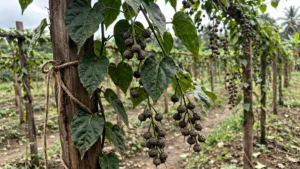
It climbs. Cubeb pepper is a vine that winds around a living tree or a wooden pole and can reach several metres high, so the harvest is done by hand from a ladder, spike by spike, because the berries on one spike never ripen together.
Can visitors take part in the harvest?
Most farms welcome guests among the vines, let them join the picking and seat them at the kitchen table, and some hand you spikes to strip and berries to lay out for drying. The work is slow, so check what guests may do before you book, and expect soil on your hands either way.
Which cubeb region is best for a first visit?
West Java is the simplest first trip: its cubeb vines are the widest, its farms are used to guests, and its cubeb stews show the crop at its best. If you want history with your meal, Central Java is the valley ground where cubeb has been grown for generations.
Is a cubeb farm stay workable without wheat?
Mostly. The fields, the picking and the harvest are worth the trip on their own, and cubeb pepper itself carries no gluten, though the bread and pastry beside it are usually wheat. Ask the farm what it can cook without wheat for a gluten-free guest, and agree the picking week ahead of any week the kitchen bakes bread.
The bottom line
A cubeb pepper farm escape suits travellers who would rather eat berries dried that week than pepper from a jar. The vines are tall, the work is honest, and the finest stays feed you from ground they worked themselves.
Fix the picking week first, then the flights, and hold a spare day at the end. When the harvest lands on time you will taste cubeb at its coolest, and when it slips, the hills, the markets and the old towns will still carry the trip.