A Tasmanian pepperberry farm escape is a trip to a cold-climate spice farm, and it runs on the berry’s calendar rather than yours. The shrubs grow in the wet highlands and river valleys of Tasmania and Victoria, the berries ripen in late summer and through autumn, and a small farm can finish its whole harvest in a few weeks. Plan around the picking week and the trip works. The farms in this guide grow the berry in the Huon Valley, the Derwent Valley, the Cradle Mountain foothills and beyond, and each one dries what it picks. Plan around a cheap flight and you may arrive to find the shrubs picked bare and the drying yard empty.
The escape itself is plain and physical. You stay in a farmhouse with a wood stove, eat at one long table, walk the shrub rows in the cold morning, and watch the berries sorted and dried in the yard or the warm shed. There is no spa, no concierge and no set menu, and that is the point: the farm is working, the kitchen cooks what the farm grew, and the pepperberry in your dinner was picked that week. If you already know the black pepper farm escape of Kerala and Cambodia, this is the same idea in a colder, wetter landscape.
Start with the season, then the farm, then the flights. The farms below name their picking weeks, not their months, and the best of them will tell you plainly when to come and when not to bother. Book the week in writing, tell the kitchen what you can and cannot eat, and pack for cold mornings, mud and sudden rain.
Key takeaways
- Tasmanian pepperberry is the dried berry of a mountain pepper shrub, and the harvest falls in late summer and autumn.
- The farm names its picking week, not a month, so get the week in writing before you book any flights.
- The stay is a working farmhouse with a wood stove, shared meals and a handful of rooms.
- Pepperberry is hotter than black pepper, with a sweet bush-tomato note, and the kitchen uses it in most dishes.
- Pepperberry has no gluten, but the damper and bread served with it are usually wheat, so sort the kitchen out before you pay.
What a Tasmanian pepperberry farm escape involves
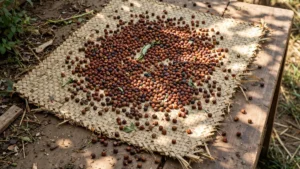
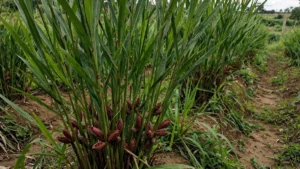
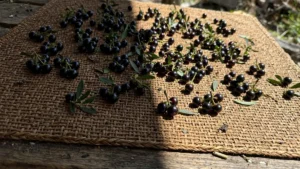
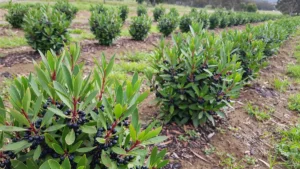
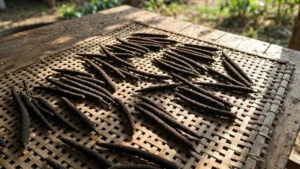
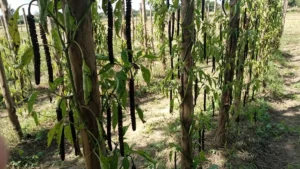
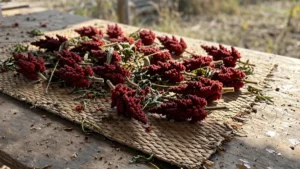
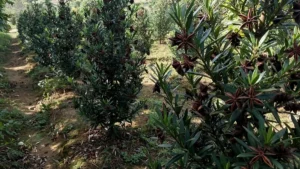
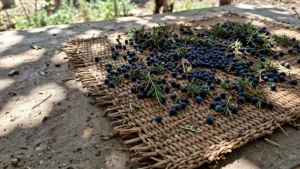
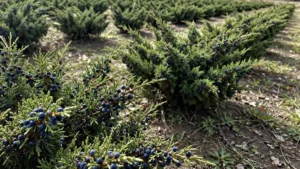
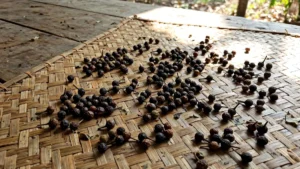
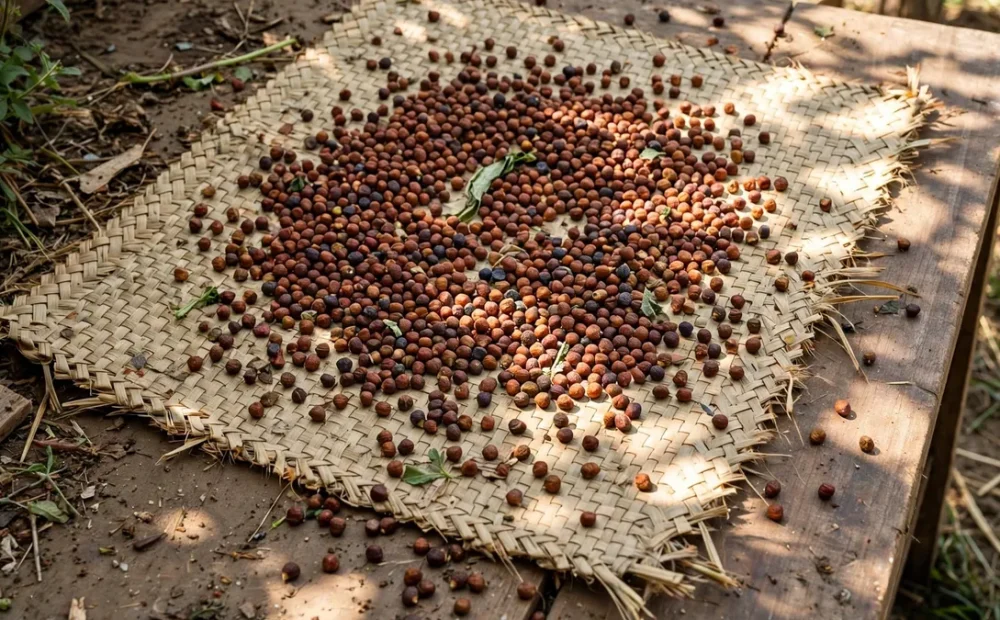
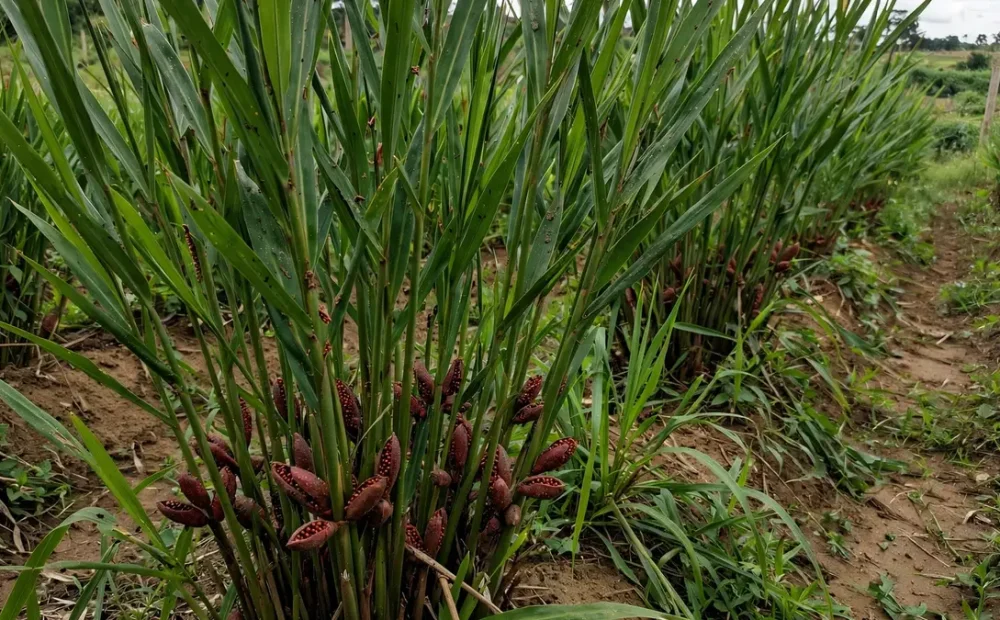
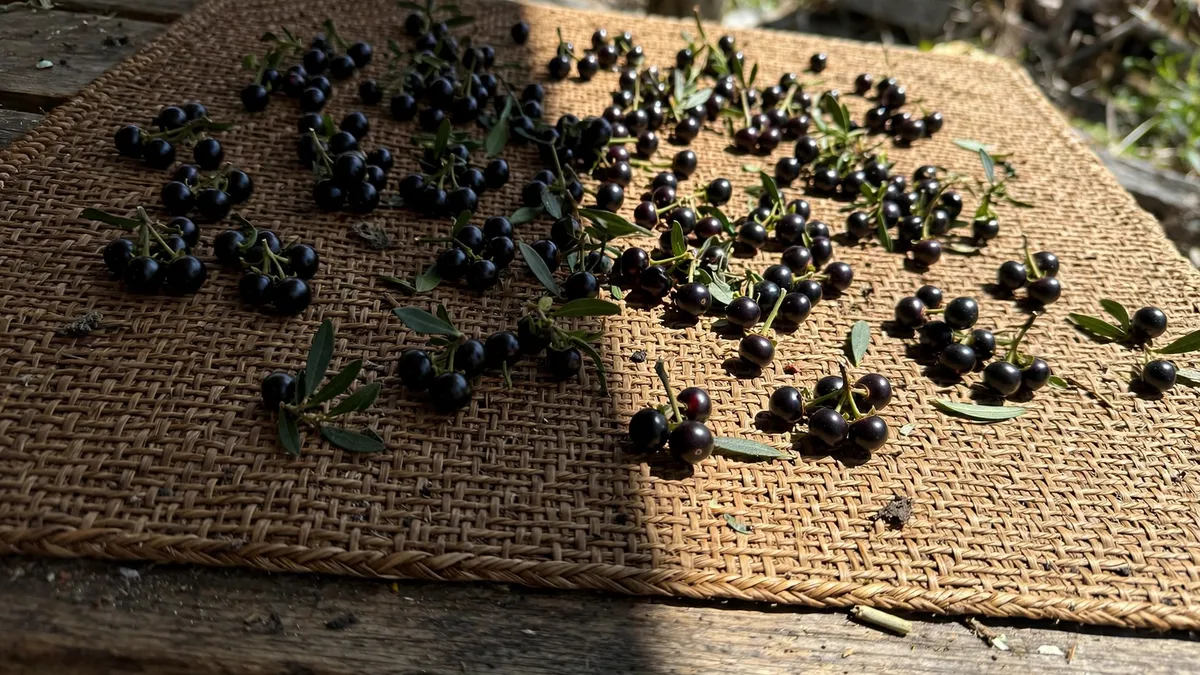
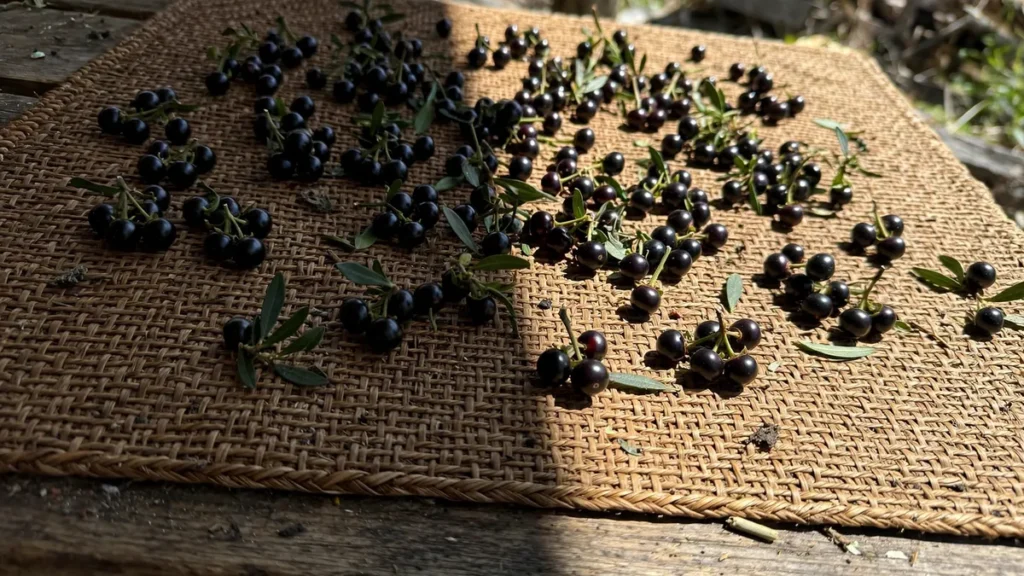
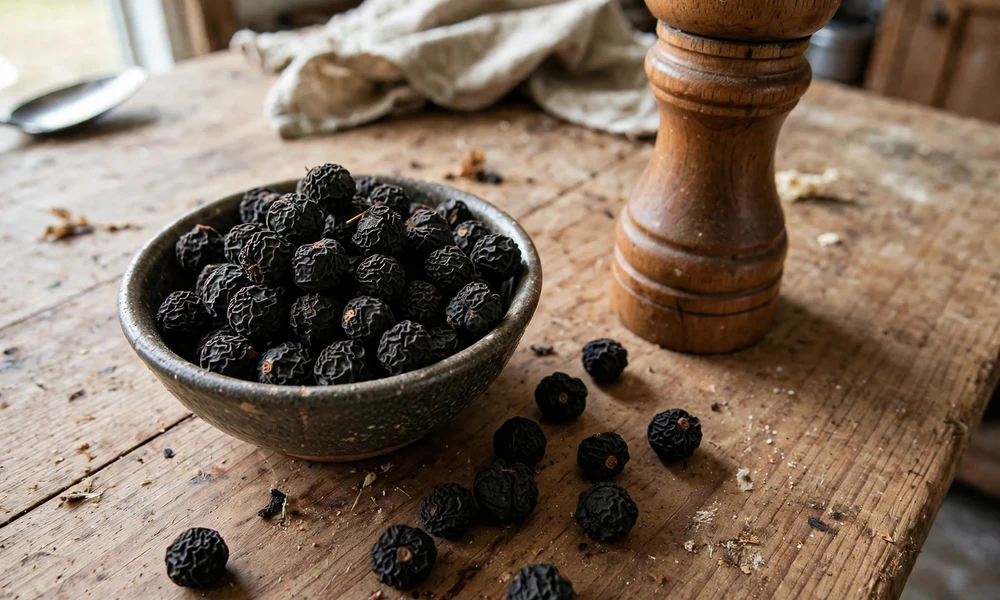
A pepperberry escape means sleeping where the crop grows. The plant is Tasmannia lanceolata, a shrub of the cool, wet highlands that reaches two to five metres, with dark glossy leaves, small cream flowers and clusters of berries that darken from green through red to black. Pickers gather the ripe berries by hand, then spread them in the sun or in a warm shed until they shrink and harden into the dark, wrinkled spice.
Life on the farm is plain and cold. The farmhouse keeps a wood stove alight through the day, four to ten guests share one long table, and the kitchen serves whatever the farm grew that week. The working day sets the rhythm: the shrubs in the morning, the drying yard and the kitchen in the afternoon, and a walk to a river or a beach when the work is done.
The draw is the taste. Pepperberry is not black pepper under another name. Its heat comes on fast and leaves cleanly, with a sweet, fruity note that black pepper never shows. Hobart and Melbourne cooks put it on kangaroo and wallaby, in gin and chocolate, and ground over roast vegetables and cheese.
How to plan it, and what to ask first
Plan the trip in this order: season, farm, flights. Every farm in this guide grows its own shrubs, dries its own berries and cooks in its own kitchen, and every one of them welcomes guests out among the rows to watch the work. Every price quoted is for a single night in a room, not a package, and the farms are listed from the cheapest to the dearest.
Before you book, ask three questions. First, which week is the picking, and can guests be there for the harvest? Second, who handles the drying, and may you see the yard? Third, what does the kitchen make with pepperberry, and can it feed a gluten-free guest safely? The cubeb pepper farm escape of Java and Borneo runs on the same honest pattern, and the same three questions sort it just as well.
The 9 steps to plan a Tasmanian pepperberry farm escape
Start by tasting pepperberry at home
What to do: Learn the difference between pepperberry and black pepper before you write to any farm. Pepperberry is a dried berry from a cold-climate shrub, hotter and cleaner, with a sweet note underneath. Study the regions, settle on the trip you want, and pick the farm that grows the berry.
What to avoid: Never book a farm for its photographs. A beautiful room on a farm that buys its spice in is worse than a plain room on a farm that picks its own berries.
Best for: Travellers planning a first spice harvest trip. Time needed: One evening of reading. Standout tip: Taste pepperberry at home first.
Find the ripening weeks, then fix your dates
What to do: Get the picking week from the farm in writing, then arrange the flights around it. The harvest of a small farm passes in two to four weeks, and the picking happens on a handful of days inside that window. Be there in that week and the full cycle unfolds in front of you.
What to avoid: Never book a whole month of flights and hope the harvest lands inside it. The cold can move the picking by a week.
Best for: Travellers able to shift their dates by a week. Time needed: One message and one reply. Standout tip: Check the week once more two weeks before you travel.
Watch the harvest and the drying yard at work
What to do: Ask who does the picking, whether guests may join for a morning, and where the drying yard is. A real farm will have workers, baskets, gloves and a yard full of mats or a warm drying room. The drying yard is where the harvest becomes spice.
What to avoid: Do not accept a demonstration shrub and a basket of bought berries.
Best for: Travellers who want the work, not only the room. Time needed: One message. Standout tip: Ask the farm to send a photo of the drying yard before you pay.
Ask for a taste of the farm’s own berries at dinner
What to do: On your first evening, ask the kitchen for a taste of the farm’s own dried pepperberry, ground fresh. The heat should arrive at once and fade cleanly, with a sweet note underneath. Keep a glass of water beside your first plate, and let the kitchen cook exactly as it always does.
What to avoid: Do not ask the kitchen to hold back the pepperberry on the first night. You travelled for the heat.
Best for: Travellers who enjoy food properly spiced. Time needed: One meal. Standout tip: Grind the berry yourself and smell it first.
Join the picking crew when the day begins
What to do: Walk early, while the air stays cool and the night’s damp still softens the paths. The shrubs are heaviest with berries in the morning, the workers are out, and the light is kind. Wear closed shoes and stay close to the worker who knows the rows.
What to avoid: Do not walk the shrubs at midday. By midday the sun bakes the mud into ruts and the crews are inside for their long rest.
Best for: Early risers and keen walkers. Time needed: Two or three hours each morning. Standout tip: Leave with the first crew and return carrying baskets.
Put your wheat allergy in the first note you send
What to do: Tell the kitchen about wheat and any other allergy in your opening message, before any money changes hands. Pepperberry itself carries no gluten, and the farms cook plenty of roast meat, river fish, vegetables and stews, but the damper and bread beside the meal are usually wheat.
What to avoid: Never leave it until you sit down at the table. A small farm kitchen buys its food days ahead.
Best for: Gluten-free travellers and anyone with allergies. Time needed: One message. Standout tip: Ask the kitchen to list the safe dishes before you arrive.
Layer up for frost, mud and rain
What to do: Pack closed walking shoes, a warm layer, a broad sun hat, a light rain layer and clothes you can wash by hand. The paths are mud, the rain comes fast, and the drying room throws up spice dust that settles on everything.
What to avoid: Leave white clothes, open sandals and anything unwashable at home.
Best for: Practical packers. Time needed: One evening of packing. Standout tip: Bring a spare pair of socks for each day.
Wander the town market before heading home
What to do: Keep a morning free for the nearest town market, where the farm sells its dried berries, pepperberry honey and native herbs. Go early, talk to the stallholders, and buy the berries from the farm you stayed on, not from a reseller.
What to avoid: Do not buy pepperberry from a stall that cannot name the farm it came from.
Best for: Travellers who like to shop where the food is grown. Time needed: One morning. Standout tip: Ask the stallholder how the berries were dried.
Bring home berries you bought at the farm
What to do: Buy a jar of the farm’s own dried berries from the farm shop before you leave, and carry it home in a sealed jar in your bag. The berries keep for months, and a pinch ground fresh over roast vegetables or cheese will bring the trip back.
What to avoid: Do not buy a jar that is already ground. Ground pepperberry loses its heat fast, and the whole berry keeps far longer.
Best for: Travellers who cook at home. Time needed: One stop at the farm shop. Standout tip: Label the jar with the farm’s name and the picking week.
Picking the right season and region
Newcomers should begin in the Huon Valley or the Derwent Valley. The Huon offers the lowest prices and the plainest introduction to the shrub, the berry and the drying yard, while the Derwent pairs cooler air with a dry autumn picking week that is simpler to plan around. Both farms serve generous food, reply to questions in plain language, and sit near enough to a town that a missed bus costs an hour rather than a day.
For the harvest at its most dramatic, head for the Cradle Mountain foothills or King Island in autumn. The shrubs hang heaviest then, picking goes on every day, and the drying rooms run through the night. A single week there shows the full passage from dark berry to dried spice. For comfort alongside the harvest, Bruny Island and Gippsland suit better, with strong kitchens, island air and hosts who know their guests.
The long pepper farm escape of Assam and Sylhet follows the same shape as this trip — small farms, shared tables, one spice at the centre of it all. The climates differ: long pepper grows in wet tropical heat, pepperberry in cold highland rain, and the kitchens cook to match.
The caveats that matter
The picking season is brief and the weather runs it, so a farm may shift its dates by a week with almost no warning. Rooms are few and plain, and dinner is whatever set menu the kitchen chose. Anyone with a strong sensitivity to pepper should take care: spice dust hangs in the drying room air, and pepperberry goes into most dishes the kitchen serves.
| Detail | What is known |
|---|---|
| Best time to visit | During the picking weeks of late summer and autumn, when berries are dark and full; the timing moves by region, and each farm names its own week |
| What the work involves | Walking the shrub rows, watching hand-picked berries spread in the sun or a warm shed until they dry and blacken |
| How long a stay runs | Three to five nights built around the picking weeks |
| Who should take care | Anyone strongly sensitive to pepper, and anyone unready for cold nights, sudden rain or steep muddy gullies |
| What the kitchen serves | Roast meats, river fish, stews and grills with freshly ground pepperberry, served with damper, bread and farm butter |
| Gluten note | Pepperberry has no gluten, but the damper and bread beside it are usually wheat, so check with the kitchen what it can serve safely |
| What to pack | Closed walking shoes, a warm layer for cold mornings, a rain layer for sudden showers, and clothes that wash easily in a basin |
| What it does not do | No guaranteed picking day, no fixed menu, and no hotel-style service on a working farm |
Checklist: before you book a Tasmanian pepperberry farm escape
- Ask the farm to put its picking week in writing before you book anything.
- Settle the room, the meals and the price in one message, and hold on to the reply.
- Tell the kitchen about wheat and allergies before any deposit leaves your account.
- Pack closed shoes, a warm layer and clothes you can rinse in a basin.
- Bring cash for the farm shop, since small farms seldom have a card machine.
- Hold a spare day after the picking week, in case the harvest slips by a day or two.
Frequently asked questions
What makes Tasmanian pepperberry hotter than black pepper?
Pepperberry is the dried fruit of a mountain pepper shrub, while black pepper is the dried round berry of a tropical vine. The pepperberry heat hits at once and leaves cleanly, with a sweet, bush-tomato note that black pepper never has.
When does the pepperberry harvest happen?
Across a short window in late summer and autumn that moves by region and by year, usually two to four weeks. Each farm names its own week rather than a month, and the dates can slide by a week when the cold arrives early or late.
How do I recognise a Tasmanian pepperberry shrub?
Look for a shrub or small tree with glossy dark green leaves, small cream flowers, and berry clusters that ripen from green to red to black. It grows in cool, wet ground beneath tall eucalyptus and myrtle, and the berries are picked by hand from the branches.
Can visitors help with the picking?
Most of the farms in this guide say yes, for a morning or two, with gloves, a basket and a worker at your side. The berries come off the branches by hand, and the work is slow and careful, since a torn branch bears nothing the following year.
Which region suits a first pepperberry trip?
The Huon Valley or the Derwent Valley. The Huon is the cheapest stay and the simplest introduction to the shrub and the drying yard, while the Derwent has cooler air and a dry autumn picking week that is simpler to plan. Both farms lay on generous food and answer questions in plain language.
Can pepperberry farms feed gluten-free guests?
Yes, provided you warn the kitchen ahead of paying. Pepperberry itself has no gluten, and the farms cook plenty of roast meat, river fish, vegetables and stews. The catch is the damper and bread beside the meal, which are usually wheat.
The bottom line
Pepperberry is a cold-climate spice, still grown as it always has been: on shrubs in wet highland ground, gathered by hand and dried in the sun. The farms in this guide show it honestly. They are small, plain and busy, and they cook food you will find nowhere else.
Fix the picking week first, pack for cold mornings and rain, and tell the kitchen what you can and cannot eat before you pay. Do that, and you will return home with a spice no one could mistake for black pepper.