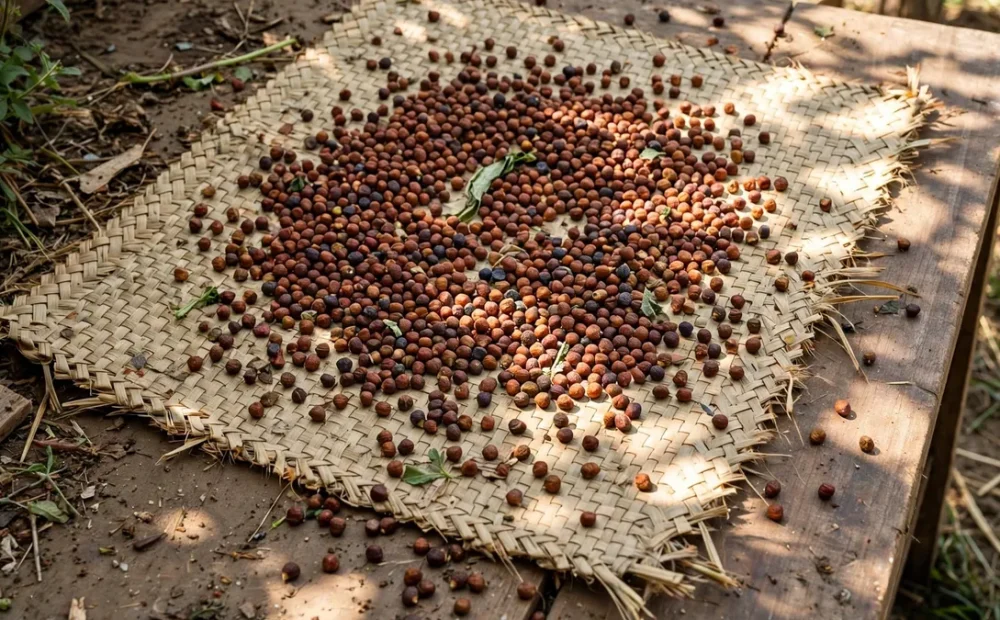
Tasmanian pepperberry is the dried fruit of a mountain pepper shrub, and it grows in the cool rainforest gullies and highland valleys of Tasmania and Victoria, where the air is cold and the soil stays damp for most of the year. The berries ripen from deep red to near black, and dried they carry a heat that arrives fast and clean, with a sweet, almost tomato-like note underneath. Aboriginal cooks have gathered the berry and the leaf for thousands of years, and the farms below let travellers walk the shrubs, pick beside the crews, and eat food cooked with the berry dried that week.
The nine retreats below are working farms with a handful of rooms, not lodges with a spice bed out the back. Each one grows pepperberry as a real crop, dries it in its own yard, and cooks with it in its own kitchen. The cheapest farm stays run $65–$95 a night, the most polished lodges $345–$380, and the nine below are ordered cheapest first. If you already know the black pepper farm retreats of Kerala and Cambodia, pepperberry is their cold-climate cousin: smaller, hotter, and grown in the rain instead of the sun.
Book the picking season first and the flights second. The berries ripen in late summer and through autumn, and the whole harvest of a small farm can pass in a few weeks. Arrive a week late and you will see the shrubs and eat the berry, but you will miss the picking, the sorting and the drying yard at full tilt. Each farm below names its own picking weeks, and the honest ones will tell you straight when to come and when to stay away.
Key takeaways
- Tasmanian pepperberry is the dried berry of a mountain pepper shrub, picked dark and sun-dried until it turns hard and black.
- It is hot and peppery, with a sweet bush-tomato note underneath, and Aboriginal cooks have used the berry and the leaf for thousands of years.
- The berries ripen in late summer and autumn, and the farm names its picking week, not a month, so book the week before the flights.
- Pepperberry farms run small, with a handful of rooms and meals shared at one table in a cold-climate farmhouse.
- Pepperberry carries no gluten, but the damper and bread served beside it are usually wheat, so settle the kitchen before you pay.
What a Tasmanian pepperberry farm retreat actually is
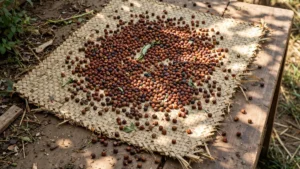
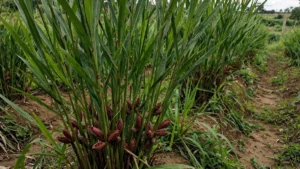
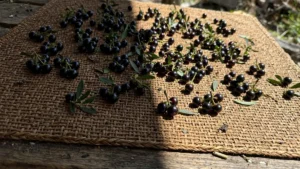
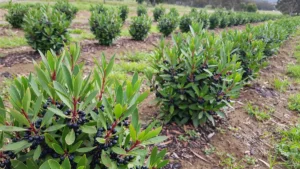
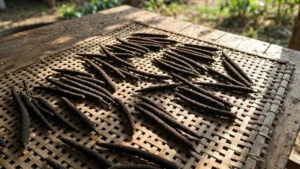
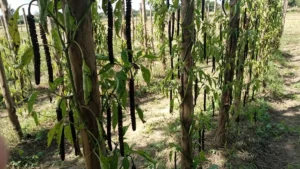
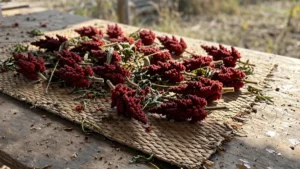
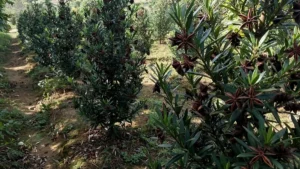
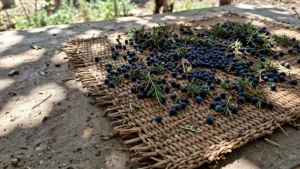
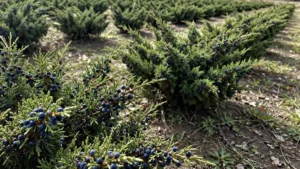
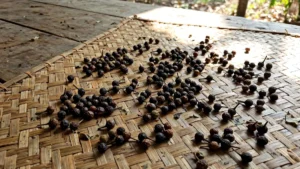
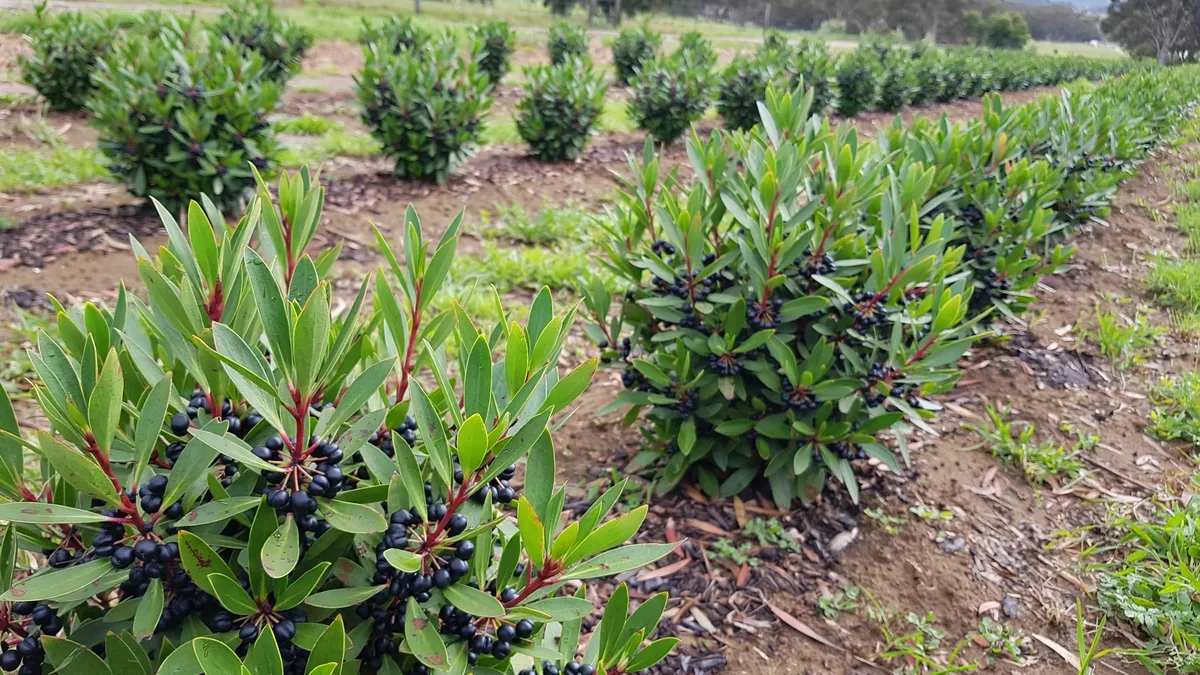
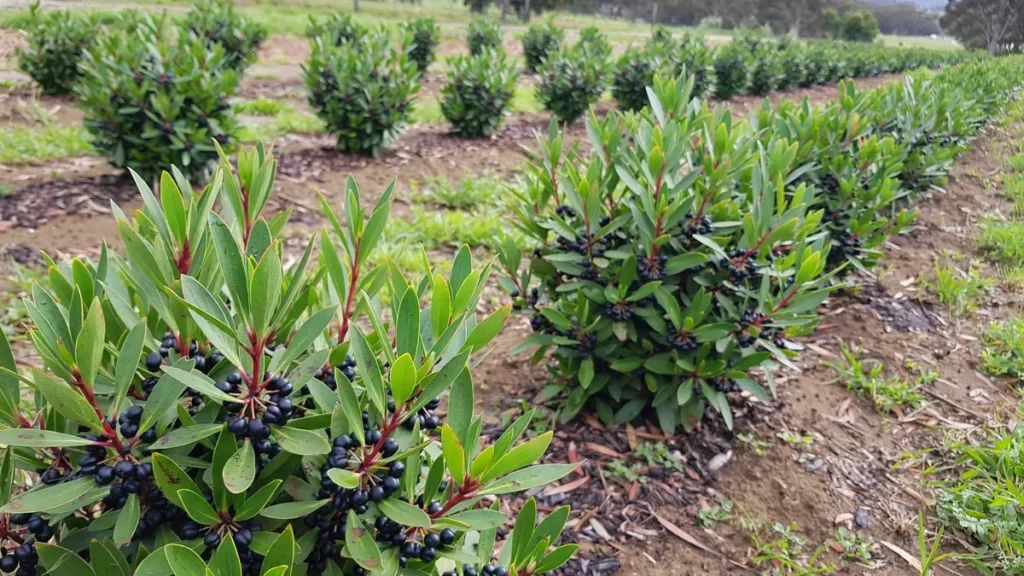
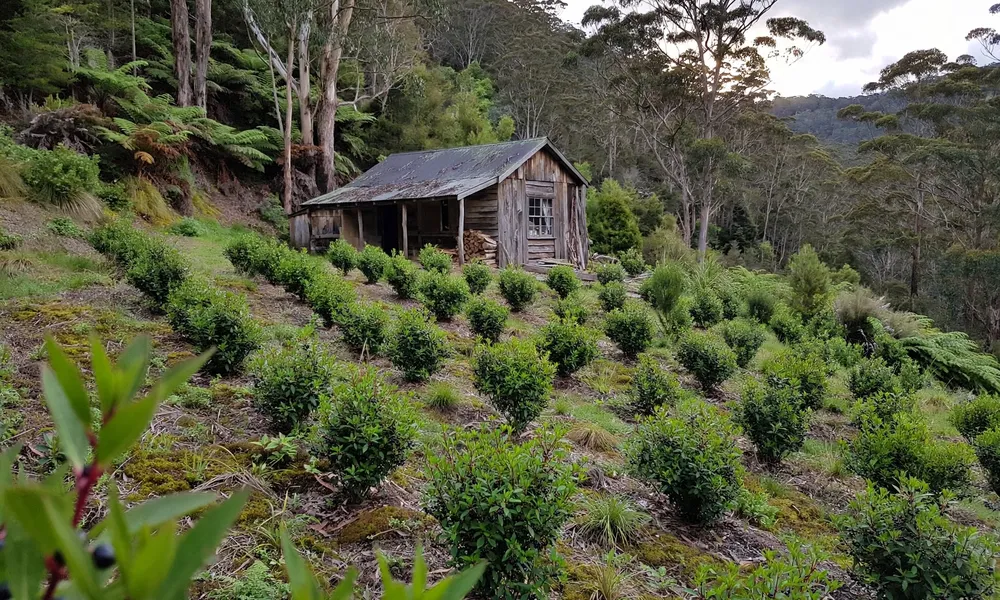
A Tasmanian pepperberry farm retreat is a stay on a working spice farm where the crop is Tasmannia lanceolata, a shrub that grows in cool, wet ground under tall eucalyptus and myrtle. It stands two to five metres high, with glossy dark leaves and small cream flowers, and berries that turn from green to red to black as the season moves on. When the berries are ready they are picked by hand, carried to a drying yard, and spread in the sun or in a warm shed until they shrink, harden and turn almost black.
The stay itself is simple and cold-climate. Most of these farms have four to ten rooms, a wood stove that burns all day, meals cooked in the farm kitchen and served at one long table, and a day built around the farm’s work rather than a guest schedule. Mornings belong to the shrubs. Afternoons belong to the drying yard, the kitchen, or a walk to the nearest river or beach.
The flavour alone makes the journey worthwhile. Tasmanian pepperberry is not black pepper with a different name. It is hotter, and the heat arrives at once and fades cleanly, with a sweet, fruity note that black pepper does not have. Hobart and Melbourne cooks use it in kangaroo and wallaby dishes, in gin and chocolate, and ground over roast vegetables and cheese.
How we picked these stays, and what to ask first
We picked farms that grow pepperberry as a crop, not as a garnish. Every farm below has its own shrubs, its own drying yard and its own kitchen, and every one of them lets guests walk the rows and watch the harvest. The nine run from the cheapest room to the dearest, each price for one night, not a package.
Before you book, ask three questions. First, when is the picking week, and will guests be there for the harvest? Second, who dries the berries, and can you see the drying yard? Third, what does the kitchen cook with pepperberry, and can it feed you safely if you eat gluten-free? The cubeb pepper farm retreats of Java and Borneo run on the same honest pattern, and the same three questions sort them just as well.
The 9 best luxury Tasmanian pepperberry farm retreats of 2027
Huon Valley, Tasmania — Pepperberry Along the Apple Orchards
What we like: The Huon Valley runs south of Hobart along a cold river, and the farm here keeps its pepperberry shrubs along the creek lines below apple orchards and cherry rows. The kitchen cooks river salmon, wallaby with pepperberry crust, and apple tart with farm cream.
What to consider: The valley is damp, the paths turn to mud, and the farm is a long drive from Hobart on a winding road.
Style: Huon river farm stay. Best for: Travellers who want pepperberry where Tasmania grows it coldest. Price range: $65–$95 per night. Standout feature: Berries picked along the Huon River at first light.
Tamar Valley, Tasmania — Pepperberry Beside the Wine Rows
What we like: The Tamar Valley is cool-climate wine country north of Launceston, and the farm grows pepperberry in the bush edges between the vine rows, with a kitchen that cooks pinot-noir-braised lamb, roast pumpkin with pepperberry, and cheese from the valley dairy.
What to consider: The valley is cool even in summer, the rooms are few, and the farm books out early in the harvest weeks.
Style: Tamar wine valley farm stay. Best for: Travellers who like wine country with a pepper harvest. Price range: $100–$130 per night. Standout feature: Berries dried in the same shed as the valley herbs.
Derwent Valley, Tasmania — Pepperberry Under the Hop Fields
What we like: The Derwent Valley runs west from Hobart through hop fields and cherry orchards, and the farm here grows pepperberry beneath tall poplars above a kitchen that cooks hop-smoked trout, cherry-glazed pork, and damper with pepperberry butter.
What to consider: The roads wind for hours from the airport, the farm fills fast, and the autumn sun is strong on the yard at midday.
Style: Derwent river farm stay. Best for: Travellers who want spice country and cooler air. Price range: $135–$165 per night. Standout feature: Berries picked beside the hop pickers’ paths.
Freycinet Coast, Tasmania — Pepperberry Facing the Pink Granite
What we like: The Freycinet Coast faces the Tasman Sea beneath pink granite peaks, and the farm grows pepperberry in sheltered gullies a short walk from the oyster leases. The kitchen cooks oysters with pepperberry mignonette, abalone with lemon myrtle, and wallaby stew with farm bread.
What to consider: The coast is windy, the farm sits up a narrow lane, and the picking week shifts with the sea weather.
Style: Freycinet coastal farm stay. Best for: Travellers who want pepper shrubs and a sea view. Price range: $170–$200 per night. Standout feature: Berries picked within sight of the granite peaks.
Cradle Mountain Foothills, Tasmania — Pepperberry in the Alpine Valleys
What we like: The Cradle Mountain foothills are the coldest farmland in Tasmania, and the farm here grows pepperberry in sheltered valleys below snow gums and pencil pines. The kitchen cooks venison with pepperberry jus, roast root vegetables, and plum pudding with farm cream.
What to consider: It is cold at night, the roads ice over in winter, and the farm is a rough drive from the nearest town.
Style: Alpine valley farm stay. Best for: Travellers who like cold air and mountain walks. Price range: $205–$235 per night. Standout feature: Berries dried in a wood-fired drying room.
Bruny Island, Tasmania — Pepperberry on the Island Shore
What we like: Bruny Island sits south of Hobart across a narrow channel, and the farm grows pepperberry in the bush behind the oyster beds, with a kitchen that cooks Bruny cheese with pepperberry honey, smoked salmon, and lamb with native herbs.
What to consider: The ferry runs on a timetable, the island shops close early, and the weather turns fast off the Southern Ocean.
Style: Bruny Island farm stay. Best for: Travellers who want an island harvest with no rush. Price range: $240–$270 per night. Standout feature: Berries picked a short walk from the oyster beds.
King Island, Tasmania — Pepperberry in the Bass Strait Wind
What we like: King Island sits in Bass Strait between Tasmania and Victoria, and the farm grows pepperberry in sheltered gullies behind the beef paddocks, with a kitchen that cooks King Island beef with pepperberry sauce, crayfish from the reef, and cheese from the island dairy.
What to consider: The wind is fierce, the flights are few, and the island is far from anywhere.
Style: King Island farm stay. Best for: Travellers who want wild weather with their harvest. Price range: $275–$305 per night. Standout feature: Berries dried in the Bass Strait wind on raised racks.
Gippsland, Victoria — Pepperberry in the Rainforest Gullies
What we like: Gippsland runs east of Melbourne through dairy country and cool rainforest, and the farm here grows pepperberry in the gullies below mountain ash, with a kitchen that cooks Gippsland beef, river trout, and roast vegetables with pepperberry and native thyme.
What to consider: The gullies are steep, the rain can last all day, and the farm is a long drive from Melbourne.
Style: Gippsland rainforest farm stay. Best for: Travellers who want rainforest shade with their harvest. Price range: $310–$340 per night. Standout feature: Berries picked in the same week as the trout season opens.
Grampians, Victoria — Pepperberry Below the Sandstone Ranges
What we like: The Grampians rise out of the western Victorian plains in sandstone ranges, and the farm here grows pepperberry in the foothills among wildflowers and stringybark, with a kitchen that cooks kangaroo with pepperberry, emu with bush tomato, and damper with wattle seed.
What to consider: The summer heat is fierce, the farm is a rough drive from the city, and the picking week falls in the hottest months.
Style: Grampians foothill farm stay. Best for: Travellers who want the grandest range setting of the nine. Price range: $345–$380 per night. Standout feature: A veranda dinner cooked entirely with the farm’s own pepperberry.
Which Tasmanian pepperberry region fits your trip
If this is your first pepperberry trip, start in the Huon Valley or the Derwent Valley. The Huon is the cheapest stay and the most direct introduction to the shrub, the berry and the drying yard, while the Derwent adds cooler air and a dry autumn picking week that is easier to plan around. Both farms reply to questions in plain language and serve generous food, and both sit close enough to a town that a missed bus costs you an hour, not a day.
If you want the harvest at its most dramatic, go to the Cradle Mountain foothills or King Island in the autumn. The shrubs are heaviest then, the picking is daily, and the drying rooms work around the clock. If you want comfort with your harvest, Bruny Island and Gippsland are the better bets: good kitchens, island air, and farms that know how to host.
The long pepper farm retreats of Assam and Sylhet share the same shape as these trips — small farms, shared tables, a single spice at the centre of everything. The difference is the climate: long pepper grows in wet tropical heat, pepperberry in cold highland rain, and the kitchens cook to match.
The caveats that matter
The harvest season is short and the weather decides it, so a farm can move its picking dates by a week with little warning. Rooms are few and plain, and the kitchen serves a set menu each night. Guests with a strong sensitivity to pepper should be careful: the drying room fills the air with spice dust, and the kitchen uses pepperberry in most dishes.
| Detail | What is known |
|---|---|
| Best time to visit | In the picking weeks of late summer and autumn, when the berries are dark and full, with the season shifting by region and the farm naming its week, not a month |
| What the work involves | Walking the shrub rows, watching the berries picked by hand, and seeing them spread in the sun or in a warm shed to dry and turn black |
| How long a stay runs | Three to five nights, set around the picking weeks |
| Who should take care | Guests with a strong sensitivity to pepper, and anyone unused to cold nights, sudden rain or steep muddy gullies |
| What the kitchen serves | Roast meats, river fish, stews and grills with pepperberry ground fresh, with damper, bread and farm butter beside the plate |
| Gluten note | Pepperberry carries no gluten, but the damper and bread served beside it are usually wheat, so ask the kitchen what it can safely serve |
| What to pack | Closed walking shoes, a warm layer for cold mornings, a rain layer for sudden showers, and clothes that wash easily by hand |
| What it does not do | No promised picking day, no fixed menu, and no hotel-style service on a working farm |
Checklist: booking a Tasmanian pepperberry farm stay honestly
- Get the farm’s picking week in writing before you buy any tickets.
- Pin down the room, the meals and the price in a single message, and save the answer.
- Warn the kitchen about wheat and any other allergy before you pay a deposit.
- Bring closed shoes, a warm layer and clothes that wash easily in a basin.
- Take cash for the farm shop, as small farms rarely take cards.
- Keep a spare day after the picking week, in case the harvest moves by a day or two.
Frequently asked questions
Why does Tasmanian pepperberry taste hotter than black pepper?
Tasmanian pepperberry is the dried fruit of a mountain pepper shrub, while black pepper is the dried round berry of a tropical vine. Pepperberry is hotter, its heat arrives at once and fades cleanly, and it carries a sweet, bush-tomato note that black pepper does not have.
In which weeks does the pepperberry harvest fall?
In a short picking window in late summer and autumn that shifts by region and by year, usually two to four weeks. The farm names its week, not a month, and the dates can move by a week if the cold comes early or late.
What does a Tasmanian pepperberry shrub look like?
A shrub or small tree with glossy dark green leaves, small cream flowers, and clusters of berries that turn from green to red to black. It grows in cool, wet ground under tall eucalyptus and myrtle, and the berries are the harvest, picked by hand from the branches.
May guests pick berries with the farm crews?
Most of the farms below say yes, for a morning or two, with gloves, a basket and a worker at your side. The berries come off the branches by hand, and the work is slow and careful, since a torn branch bears no berries next year.
Where should a newcomer start their pepperberry trip?
The Huon Valley or the Derwent Valley. The Huon is the cheapest stay and the plainest introduction to the shrub and the drying yard, while the Derwent has cooler air and a dry autumn picking week that is easier to plan. Both farms serve generous food and reply to questions in plain language.
Do pepperberry farms cook well for gluten-free guests?
Yes, provided you warn the kitchen before you pay. Pepperberry itself carries no gluten, and the farms cook plenty of roast meat, river fish, vegetables and stews. The catch is the damper and bread served beside the meal, which are usually wheat.
The bottom line
Tasmanian pepperberry is a cold-climate spice, and it still grows the way it always has: on shrubs in wet highland ground, picked by hand and dried in the sun. These nine farms are the honest way to meet it. They are small, plain and busy, and they cook food you will not find anywhere else.
Book the picking week, pack for cold mornings and rain, and tell the kitchen what you can and cannot eat before you pay. Do that, and you will come home with a spice no one could mistake for black pepper.