Best Luxury Cufflinks Brands: 8 Houses Worth Your Money in 2027
The best luxury cufflinks brands turn a tiny, functional detail into the most considered part of an outfit. A pair is only a few centimetres across, yet it sits at the wrist, catches the light every time you move, and signals how much care went into getting dressed. The right pair matters far more than its size suggests — and the wrong one, however expensive, looks like an afterthought.
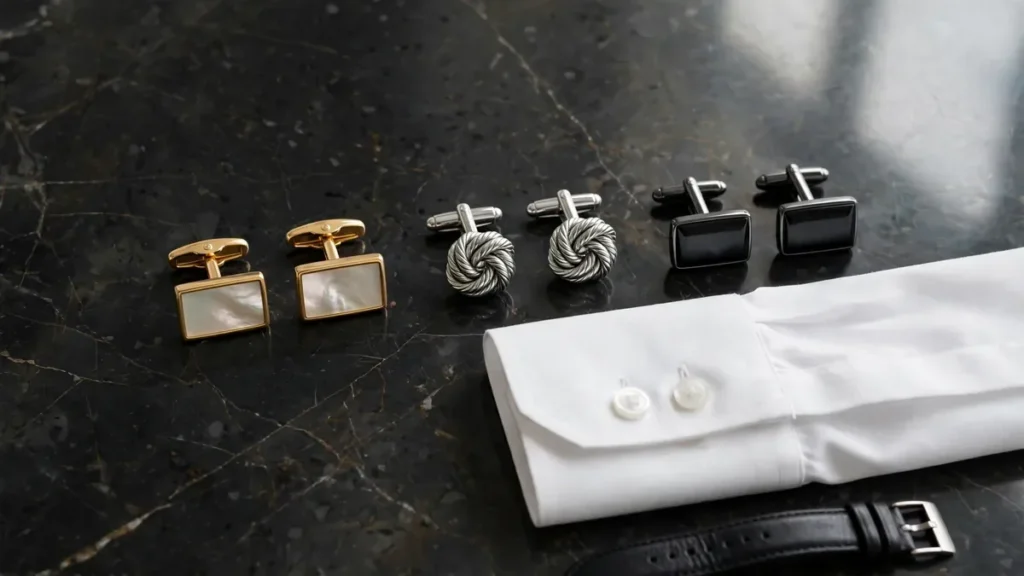
Luxury cufflinks are not one thing. Some are quiet gold bars and mother-of-pearl discs made to disappear into a black-tie look; others are enamel, onyx, or hardstone statements built to be noticed across a boardroom. The eight houses here span both ends of that spectrum, from Place Vendôme jewellers to a British maker that has specialised in cufflinks alone for more than two centuries.
What they share is craft you can feel: solid metals, mechanisms that still click smoothly after years, and designs that outlive trends. This guide compares them on materials, mechanism, wearability, and staying power, so you can buy once and wear the pair for decades.
Key takeaways
- Cartier, Tiffany & Co., and Van Cleef & Arpels lead on heritage and precious materials, but their prices start well above the rest.
- Montblanc, Dunhill, and Tateossian offer the best balance of luxury feel and everyday wearability at mid-range prices.
- Deakin & Francis is the specialist pick: a British maker focused almost entirely on cufflinks since 1786.
- Paul Smith is the best choice for colour and personality, especially for weddings and creative occasions.
- Caveat: no brand is worth buying in a metal you will not maintain, a size that overwhelms your cuff, or a mechanism you find fiddly — fit and upkeep matter more than the name.
What this guide covers
This guide covers eight luxury cufflinks brands that are widely available, consistently well made, and distinct enough to suit different tastes and budgets. Every brand here makes cufflinks as a serious part of its range, and every one has a track record of quality visible in its materials and finishing. Prices are typical retail ranges.
The guide is organised around buying decisions: how to judge a cufflink by its metal, stone, and mechanism; what separates a pair that lasts decades from one that loosens in a year; and which house fits which occasion. If you are building a broader luxury wardrobe, our roundup of the best luxury fashion brands to know in 2027 puts these jewellers in context. One boundary: this guide covers luxury brands, so even the cheapest pairs here cost more than a high-street set — below a certain price, cufflinks are usually plated base metal with glued faces, and no branding fixes the way they wear.
How we chose
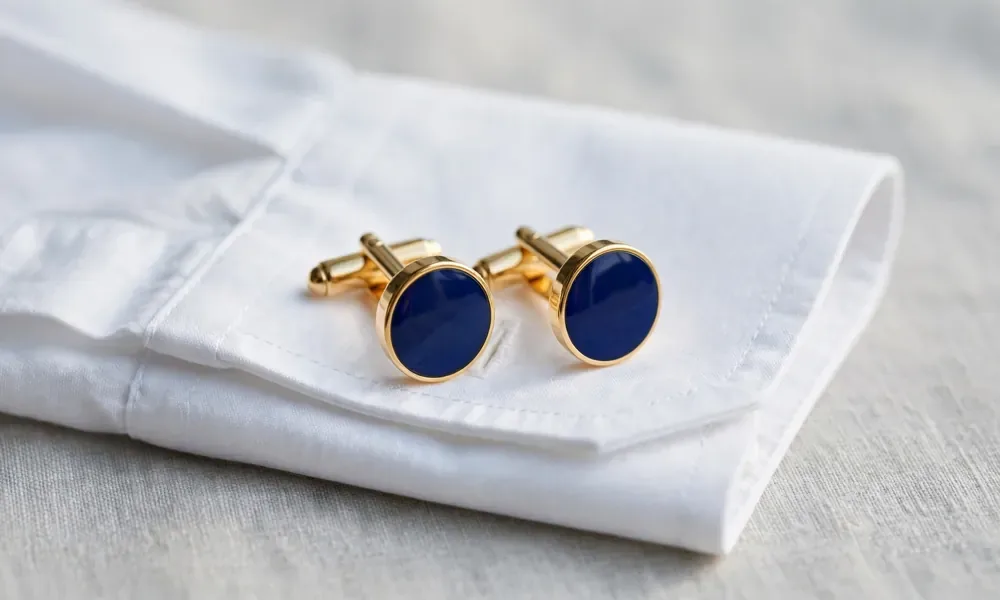
We chose these eight brands on four factors: materials, mechanism, breadth of range, and design longevity. Materials came first, because a cufflink lives against skin and fabric every time it is worn. Solid silver, 18-karat gold, and properly set hardstones age gracefully; thin plating and glued stones do not. Every brand here uses solid precious metals in its core ranges.
Mechanism came second — a cufflink is engineering as well as jewellery, and a repairable pair is a pair you keep for life. Breadth mattered too: ten designs cannot serve both black tie and a creative office. Finally, design longevity: novelty faces date quickly, while clean geometry, enamel, and classic stones do not. We did not rank by prestige alone.
What to look for
Judge a cufflink on four things: face, metal, mechanism, and proportions. The face should be a material with depth — mother-of-pearl, onyx, enamel, or a well-cut stone — rather than a flat printed image. The metal should be solid sterling silver or gold, hallmarked, with a weight that feels substantial without dragging the cuff. The mechanism should work smoothly with one hand, and the face should measure 14 to 18 millimetres for most men.
1. Cartier
What We Like: Cartier brings high-jewellery craft to a small object. Its 18-karat gold cufflinks feel dense and perfectly finished, and its onyx, mother-of-pearl, and lacquer faces have a depth cheaper makers cannot match. The Santos and Juste un Clou motifs translate beautifully to the wrist.
What to Consider: Price. Cartier cufflinks typically start around £1,000 and climb well past £5,000 for gold and gem-set pieces. The range is also narrow and formal.
Cartier supplied cufflinks and dress sets to the European and American elite in the early twentieth century, and that heritage shows in the finishing: softened edges, backs polished as carefully as faces, and flush toggle bars.
The caveats are practical. Gold scratches, so Cartier pairs need a soft cloth and a safe place to live. Buy from Cartier or an authorised retailer only.
2. Tiffany & Co.
What We Like: Tiffany offers the widest entry point into true luxury cufflinks. Its sterling silver designs — the 1837 collection, the knot, the classic oval — typically start around £250 to £400. The silver is heavy, the hallmarking clear, and the designs clean enough for almost anything.
What to Consider: Silver tarnishes and needs regular polishing, and Tiffany’s gold pieces jump sharply in price, often past £1,500. Some of the most affordable designs are also the plainest.
Founded in New York in 1837, Tiffany built its reputation on silver before diamonds, and that heritage is visible in the weight and finish of its cufflinks. Its design language favours clarity over ornament, so a pair from twenty years ago still looks current.
The main caveat is that Tiffany’s popularity makes its simplest designs very common. A plain silver oval is elegant but ubiquitous — if individuality matters, choose the knot or a hardstone face instead.
3. Van Cleef & Arpels
What We Like: Van Cleef & Arpels makes the most jewel-like cufflinks in this guide. Its mastery of hardstones — onyx, lapis lazuli, malachite, tiger’s eye — and its signature Mystery Set technique produce faces no other brand matches.
What to Consider: This is the most expensive house on the list, with prices typically starting well above £2,000. The range is small and unapologetically formal.
The house was founded on Place Vendôme in 1906 and built its name on stones and settings of exceptional quality. Its cufflinks carry that standard: colour-matched stones, near-invisible settings, and gold work as fine as its high jewellery.
The caveats are about occasion and care. These cufflinks suit black tie far better than daily office wear, and hardstones can chip if knocked against a desk or doorframe. They need specialist cleaning and insurance, so factor the upkeep into the purchase.
4. Dunhill
What We Like: Dunhill understands the British wardrobe better than almost any luxury brand. Its cufflinks are made to sit comfortably with a tailored suit: restrained sizes, brushed and polished finishes that do not glare, and motifs drawn from motoring, writing, and classic menswear. Solid silver and enamel faces typically run from £200 to £600.
What to Consider: Dunhill’s restraint is also its limit: if you want bold colour or gemstones, you will find the range understated to a fault. Seasonal designs may not be available next year.
Alfred Dunhill founded the company in 1893 as a supplier of motoring accessories, and that practical, engineering-minded heritage still shapes its cufflinks: robust mechanisms and faces proportioned for real cuffs.
The caveat is consistency across collections. Dunhill’s core silver designs are excellent, but some seasonal fashion pieces use plated metals or lighter construction, so check the materials and favour the permanent collection over a one-season design.
5. Montblanc
What We Like: Montblanc offers the most reliable mid-range luxury cufflink. Its steel, silver, and gold-plated designs are precisely engineered, the star emblem discreet, and the range covers plain bars, onyx, mother-of-pearl, and carbon fibre. Prices typically run from £150 to £600.
What to Consider: Much of the range is stainless steel rather than solid precious metal, so it does not carry the same intrinsic value as silver or gold. The designs are also conservative — elegant, but rarely memorable.
Montblanc was founded in Hamburg in 1906 and built its reputation on precision instruments, first pens and later watches. That engineering culture shows in its cufflinks: precise toggles, flat faces, and uniform finishing.
The caveat is to buy for the design rather than the metal value. Steel pairs look excellent and last well but will not hold value like silver or gold, and gold plating wears over years of use. Choose solid silver if longevity matters.
6. Deakin & Francis
What We Like: Deakin & Francis is the connoisseur’s choice. This Birmingham maker has specialised in cufflinks since 1786, with the deepest range in the world: sterling silver, 18-karat gold, enamel, hardstone, and novelty designs, with toggle, chain, and double-sided mechanisms all made in-house. Prices typically run from around £200 to over £1,500.
What to Consider: The brand is far less famous than the Paris houses, and its most distinctive designs — skulls, animals, engine parts — are not for formal occasions. Distribution is also narrower.
Deakin & Francis began as a Birmingham jewellery workshop in the eighteenth century and has remained a specialist ever since, supplying cufflinks to royalty and to the trade alike. That focus shows in details others overlook: chain links that flex exactly the right amount and mechanisms the maker can repair decades later.
The caveat is choice overload. With hundreds of designs, it is easy to buy a novelty pair you wear once rather than a classic you wear for years. Start with a plain silver or onyx design, and treat novelty pieces as a second or third pair.
7. Tateossian
What We Like: Tateossian brings colour and contemporary design to luxury cufflinks. Founded in London in 1990, the brand is known for bold faces — carbon fibre, coloured enamel, semi-precious stones, and sculptural metalwork — at prices that typically run from around £150 to £500.
What to Consider: Many Tateossian pieces use rhodium-plated silver or stainless steel rather than solid precious metal, so they do not carry the intrinsic value of a solid gold or silver pair. The bold designs also date faster than classic ones.
Robert Tateossian founded the brand after years in the jewellery trade, and its identity has always been about making cufflinks feel modern rather than ceremonial. Its watchmaking and motorsport materials — carbon fibre, anodised metals, skeletonised faces — give it a distinct place here.
The caveat is to buy Tateossian for style rather than as an heirloom investment. Choose a classic face shape and restrained colour, and expect the rhodium plating to need refreshing after years of wear.
8. Paul Smith
What We Like: Paul Smith makes the most joyful cufflinks in luxury menswear. Stripes, spots, miniature artworks, and bright enamel faces bring personality to a suit without ever looking cheap, and the construction — typically sterling silver or solid brass with enamel — is far better than the playful designs suggest. Prices usually run from around £100 to £300.
What to Consider: These are personality pieces, not formal ones. A striped or novelty Paul Smith pair is perfect for a wedding or a creative office, but it will look out of place at a black-tie dinner or a conservative board meeting. The range also changes frequently.
Paul Smith opened his first shop in Nottingham in 1970 and built a global brand on the idea that classic British tailoring could carry a sense of humour. His cufflinks embody that idea: traditional shapes in colours that are not.
The caveat is occasion discipline. Keep a plain silver or onyx pair for occasions that demand restraint. And check the metal: Paul Smith sells both sterling silver and plated brass designs, and the silver pieces are the ones worth buying for the long term.
Background
Cufflinks began as a practical solution: in the seventeenth century, men fastened shirt cuffs with ribbon ties, and by the nineteenth century the double French cuff needed something better, so jewellers answered with linked buttons in gold and silver. Their golden age ran from the 1920s to the 1960s; they retreated as menswear casualised, then revived as suits became optional and the men who still wear them began to care more about details. The best cufflinks come from houses that treat them as jewellery, with the same standards of metal, stone, and finish as a ring or bracelet — and pieces chosen to that standard tend to become heirloom pieces worth passing down, kept for decades rather than replaced each season.
The caveats that matter
First, metal: plated cufflinks look identical to solid ones on day one and very different by year three, when plating wears at the edges and base metal shows through. Buy solid sterling silver or gold and check the hallmark. Second, size: an oversized face overwhelms a slim cuff, while an undersized one looks lost — try the pair with the shirt you will actually wear it with. Third, mechanism: toggle bars are the most secure and easiest to fasten one-handed, while chain links are more elegant but looser. Fourth, value: cufflinks rarely appreciate, so buy them to wear rather than as an investment, though solid gold from a top house holds its material value best — worth remembering if you weigh luxury fashion purchases as investments. Finally, care: keep cufflinks in a lined box, never loose with keys and coins, and have a jeweller check the mechanism yearly.
| Brand | Best for | Typical price range | Core materials | Mechanisms |
|---|---|---|---|---|
| Cartier | High jewellery prestige | £1,000–£5,000+ | 18k gold, onyx, mother-of-pearl | Toggle |
| Tiffany & Co. | First luxury pair | £250–£2,000 | Sterling silver, 18k gold | Toggle, ball return |
| Van Cleef & Arpels | Formal occasions | £2,000+ | 18k gold, hardstones | Toggle |
| Dunhill | Everyday tailoring | £200–£600 | Sterling silver, enamel | Toggle, chain |
| Montblanc | Reliable mid-range | £150–£600 | Steel, silver, onyx | Toggle |
| Deakin & Francis | Widest choice | £200–£1,500+ | Sterling silver, 18k gold, enamel | Toggle, chain, double-sided |
| Tateossian | Colour and modern design | £150–£500 | Rhodium-plated silver, steel | Toggle |
| Paul Smith | Personality and weddings | £100–£300 | Sterling silver, enamel | Toggle |
Checklist
- Choose a 14 to 18 millimetre face, checked against your shirt.
- Buy solid sterling silver or gold with a clear hallmark, not plated base metal.
- Test the mechanism with one hand: smooth, firm, and wobble-free.
- Match the metal to your watch — silver with steel, gold with gold.
- Keep one plain pair for formal occasions and one expressive pair for weddings.
- Store in a lined box and check the mechanism yearly.
FAQ
How much should I spend on luxury cufflinks?
Expect £150 to £300 for a good entry-level pair, £250 to £600 for solid silver, and £1,000 upwards for gold. The sweet spot is £200 to £500.
Are gold or silver cufflinks better?
Neither is better outright. Silver is cooler, more versatile with grey and navy suits, and more affordable, but it tarnishes. Gold is warmer, more formal, and holds value better, but it scratches visibly and costs far more.
What size cufflink should I buy?
A face of 14 to 18 millimetres suits most men and most French cuffs. Smaller faces can disappear on a broad cuff, while faces over 20 millimetres dominate the wrist.
Can I wear cufflinks with a regular button cuff?
No — cufflinks need a French cuff, which has holes on both sides instead of buttons. Some shirts have convertible cuffs with both a button and a hole, and those work with cufflinks too.
How do I stop silver cufflinks from tarnishing?
Wear them regularly — friction slows tarnish — and store them in a lined box or anti-tarnish pouch away from humidity. Polish with a silver cloth, and avoid chemical dips.
Do luxury cufflinks hold their value?
Most do not appreciate, so buy them to wear. Solid gold from Cartier, Tiffany, and Van Cleef & Arpels holds material value best; silver and steel lose most of their retail value on resale.
The bottom line
For most buyers, the strongest all-round choices are Tiffany & Co., Dunhill, and Deakin & Francis. Tiffany gives you a first luxury pair with real heritage at a fair price; Dunhill gives you the most wearable everyday pair for a tailored wardrobe; Deakin & Francis gives you the deepest choice and the best mechanisms. Montblanc is the safest buy for reliability, and Paul Smith is the happiest buy for personality.
If budget is no object and the occasion is formal, Cartier and Van Cleef & Arpels are in a class of their own — jewel-like, beautifully made, and built to be kept for a lifetime. Whichever house you choose, buy solid metal, check the mechanism, match the size to your cuff, and keep a plain pair for formal evenings. Do that, and a small object will make the whole outfit look considered.
Meet Our Experts
Our fashion and jewellery editors cover luxury accessories, menswear, and fine jewellery, with a focus on the craft, materials, and heritage behind the pieces we recommend.
Why Trust BrassSmile
BrassSmile covers luxury fashion, beauty, and lifestyle with an emphasis on honest, practical guidance. We judge products on materials, construction, and real-world wearability, and we flag the drawbacks as clearly as the strengths.
Sources
Cartier; Tiffany & Co.; Van Cleef & Arpels; Dunhill; Montblanc; Deakin & Francis; Tateossian; Paul Smith; The Jewellery Editor; GQ; Esquire; Robb Report.