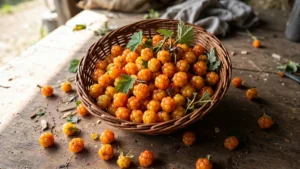
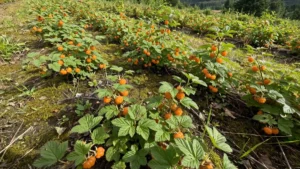
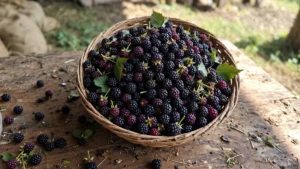
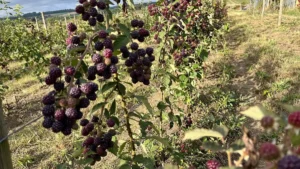
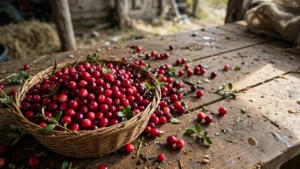
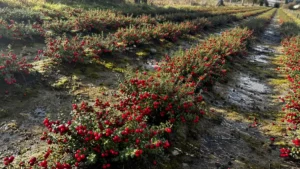
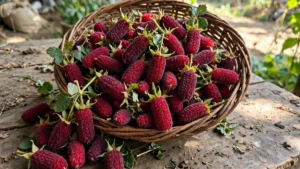
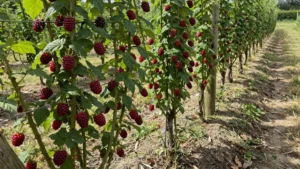
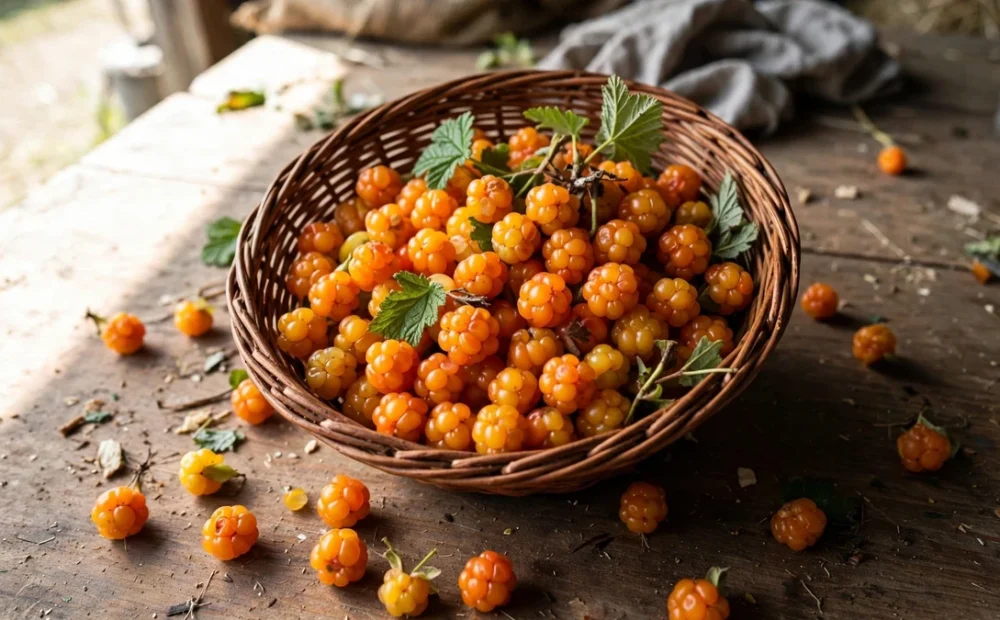
Loganberries ripen in a rush and then they are gone. The canes sit green and stubborn through early summer, and then, over a fortnight in July, the berries swell, turn a deep wine red, and soften until they come away from the plant with the lightest pull. That brief, generous window is what a loganberry farm retreat is built around: a few days spent inside a harvest that will not wait for you, on a farm where the morning’s picking becomes the afternoon’s jam and the evening’s pudding.
A luxury loganberry farm retreat in 2027 takes that short season and puts proper comfort around it — a real bed, a kitchen that knows the fruit, and a host who can tell a loganberry from a blackberry at a glance and will happily explain why the difference matters. The best stays keep guest numbers small, picking honest, and cooking built on what the rows produced that morning.
We looked for farms that grow loganberries as a proper crop, not as a curiosity at the end of a raspberry row, that let guests pick, and that cook with the fruit every day. The nine stays below run from a Kent smallholding at $65 a night to a Yarra Valley estate at $345–$380.
Key takeaways
- Loganberry season is short — a fortnight of prime picking in most regions — so book around the picking dates, not the cheapest flight.
- The best retreats grow loganberries as a main crop, let guests pick from the rows, and cook with the harvest every day.
- Pick only berries that are deep red-purple, soft, and slip off the stem; pale or firm berries are sharp and stay on the cane.
- Loganberries are a cross of blackberry and raspberry, with thorns, juice stains, and a tart edge all of their own — pack gloves and dark clothes.
- Loganberries are naturally gluten-free, but farm kitchens also bake with wheat flour and put bread on the table at most meals — tell the farm in writing before you book.
What a loganberry farm retreat actually is
A loganberry farm retreat is a working berry farm that takes a small number of guests during the harvest, usually in July and August depending on the region. Mornings begin in the rows with a basket and a pair of gloves. Afternoons are for cooking — jam, pies, juices, sauces — and evenings are for eating what the day produced. The farms on this list all grow loganberries as a real crop, with named varieties, trained canes, and a picking calendar the host plans around.
What puts a stay at the luxury end is the standard of the room and the kitchen. Rooms have proper beds and private bathrooms, and the kitchen cooks from the farm’s own produce instead of buying food in. On the best stays, the person who shows you the rows in the morning is the same person who serves the loganberry pie at night, and that continuity is worth more than any spa menu.
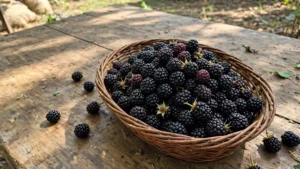
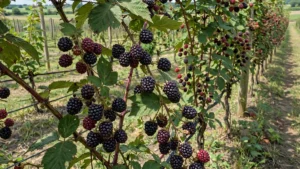
Loganberries suit this kind of trip because the fruit is both familiar and strange. Anyone who has picked a blackberry will recognise the cane and the thorn, and anyone who has eaten a raspberry will recognise the softness and the perfume — but a loganberry is neither, and the first taste is a small surprise: darker than a raspberry, sharper than a blackberry, and at its best when it is cooked into something sweet. For a different berry with the same unhurried rhythm, the luxury blackberry farm retreats we covered earlier follow a similar pattern of small groups and a host who cooks the harvest.
How we picked these stays, and what to ask first
We started with farms that list loganberries as a main crop, then checked that guests are genuinely allowed to pick, that the rooms are private, and that the kitchen uses the berries daily. We dropped farms that grew a single row for show, or that took more than a dozen guests at a time. The nine that remain all passed those checks and all had 2027 dates open at the time of writing.

Before you book, ask three questions. First, ask for the picking dates and how firm they are — a farm that offers a fortnight rather than a whole season is being honest. Second, what the rate includes: meals, picking sessions, cooking classes, and lifts from the nearest town all differ. Third, what happens if the season moves — a good farm will shift your dates or warn you early, and a farm that will not discuss it is one to avoid.
The 9 best luxury loganberry farm retreats of 2027
Every stay below is a working loganberry farm first and a guesthouse second, so the picking calendar matters more than the flight schedule. Prices are per night for two guests unless noted, and all nine were accepting 2027 bookings when we checked.
Kent, England — Loganberry Rows along the Garden of England Lanes
What We Like: A small family farm where the loganberry rows run beside old apple orchards. The host, a former pastry cook, runs a daily pie-making session and sends guests home with a jar of whatever they made.
What to Consider: The lanes are narrow, so a car is useful. Rain is common in July, and the farm keeps only five rooms, which book out early.
Best For: First-time pickers after a gentle introduction. Style: Rustic farmhouse where breakfast is shared. Price Range: From $65 a night, breakfast and a morning picking basket thrown in. Standout Feature: The daily pie-making session in the farm kitchen.
Herefordshire, England — Loganberry Cane Rows near the River Wye
What We Like: Generous, thorny canes along a river valley, with a host who knows every variety by name and flavour. The farm runs evening pudding nights in a stone barn, and the loganberries go into the pie the same day they are picked.
What to Consider: The valley roads are steep and single-track in parts. Midges appear on still evenings.
Best For: Couples who like unhurried food and long walks. Style: Stone barn conversion with private garden rooms. Price Range: From $85 a night, breakfast and an evening pudding supper included. Standout Feature: The stone barn pudding nights with berries picked that morning.
Angus, Scotland — Loganberry on the Cool Angus Hills
What We Like: A hillside farm where the loganberries ripen slowly in the cool northern air and come in darker and sharper than in the south. The kitchen makes loganberry sauces for the farm’s own lamb.
What to Consider: The farm is busiest during the raspberry season, when rooms go fast and the loganberry rows get less attention.
Best For: Food lovers who want berries and savoury cooking in one trip. Style: Converted farmhouse on a working hillside farm. Price Range: From $110 a night, breakfast and a sauce-making class included. Standout Feature: Loganberry sauces paired with the farm’s own lamb and cider.
Normandy, France — Loganberry Canes among the Cider Orchards
What We Like: A farm in the apple country where loganberry canes grow between the orchards, and the kitchen cooks with both fruits. The host leads a morning market trip to the nearest village, then a cooking afternoon built on whatever the market and the rows produced.
What to Consider: The farm sits up a long dirt track, and the nearest shop is twenty minutes away. Pick before ten in the morning when the summer heat builds.
Best For: Travellers who enjoy markets, cooking, and long lunches. Style: Hillside farmhouse, pool looking over the valley. Price Range: From $135 a night, breakfast and a market trip plus cooking day included. Standout Feature: A village market trip that ends with a cooking afternoon.
Piedmont, Italy — Loganberry Rows under the Hazelnut Groves
What We Like: A Piedmont farm where the loganberry rows sit below hazelnut groves, and the kitchen turns the berries into sauces for pork and game. The host is a trained cook who runs a proper pasta-and-berry class.
What to Consider: The farm is a forty-minute drive from the nearest station, and a car is almost essential. July heat makes afternoon picking uncomfortable, so the farm picks early and cooks late.
Best For: Cooks who want berries in savoury cooking as well as desserts. Style: Stone farmhouse with a kitchen for teaching. Price Range: From $160 a night, breakfast and a pasta-and-berry lesson included. Standout Feature: The pasta class that pairs loganberry sauces with local pork.
Istria, Croatia — Loganberry in the Sunny Peninsula Hills
What We Like: A quiet Istrian farm with thornless varieties alongside the older thorny canes, so beginners can pick without gloves if they choose. The host presses loganberry juice in the summer and serves it with breakfast through the autumn.
What to Consider: Istria is less connected than Tuscany, so public transport is thin. The rooms are small, sleeping two people at most.
Best For: New pickers and families with older children. Style: Small peninsula farm with a herb garden. Price Range: From $185 a night, breakfast and a juice-making session included. Standout Feature: The thornless rows for easy picking and the farm’s own juice.
Willamette Valley, Oregon, USA — Loganberry in the Valley Cane Fields
What We Like: An Oregon farm in the valley where the loganberries grow large in the cool summers, and the kitchen bakes them into pies the same afternoon. The host leads a morning picking session and then a pie-baking class, while the farm’s orchard supplies the rest of the table.
What to Consider: The farm is an hour from Portland, and the last stretch is a country road. Pick only from the farm’s marked rows.
Best For: Bakers and anyone who wants a proper American loganberry pie. Style: Private cabins with porches in the valley. Price Range: From $220 a night, breakfast and a pie-baking class included. Standout Feature: A morning picking session followed by an afternoon pie-baking class.
Fraser Valley, British Columbia, Canada — Loganberry beside the Mountain Rivers
What We Like: A Canadian farm in the valley where the loganberries grow fat in the river air, and the kitchen serves them with the region’s cheeses and smoked fish. The host walks guests along old fence lines to the best canes,
What to Consider: Mountain weather changes fast, and rain can cancel a picking morning. A car helps for market days.
Best For: Travellers who want berries, cheese, and mountain air together. Style: Modern valley farmhouse with river views. Price Range: From $260 a night, breakfast and a guided cane walk included. Standout Feature: The guided walk to the best canes along the old fence lines.
Yarra Valley, Victoria, Australia — Loganberry on the Southern Valley Slopes
What We Like: A Yarra Valley estate where the loganberry season runs late, into the southern summer, and the berries are picked in warm, clear air. The kitchen makes loganberry liqueur and serves it at sunset.
What to Consider: The Yarra Valley is a long way from most guests, and the farm is an hour’s drive from Melbourne. The estate takes in only a handful of guests.
Best For: Travellers who want the most remote, most polished loganberry stay. Style: Valley estate with a restaurant and fireplace suites. Price Range: From $345 a night, breakfast and a liqueur tasting at sunset included. Standout Feature: The loganberry liqueur made on the estate and served at sunset.
Which loganberry region fits your trip
The right region depends on when you can travel and how much picking you want to do. Southern England and northern France suit a first trip: short flights, gentle farms, and a season that forgives beginners. Italy and Croatia suit cooks. North America and Australia suit travellers who want the trip to be the main event, not a weekend away. The luxury raspberry farm retreats we covered earlier run on a slightly earlier summer season.
| Detail | What is known |
|---|---|
| Best season | July into August; Yarra Valley runs later, into the southern summer |
| Picking window | Two to three weeks per farm, moving with the weather |
| Cheapest stay | Kent, England, from $65 a night with breakfast and picking |
| Most polished stay | Yarra Valley, Australia, from $345 a night with a restaurant and liqueur tasting |
| Best for beginners | Istria, Croatia, with thornless rows and a patient host |
| Best for cooks | Piedmont, Italy, for savoury loganberry sauces and a teaching kitchen |
| Gluten | The berries carry no gluten, but kitchens bake with wheat — warn the farm in writing |
| What to pack | Long sleeves, gloves, closed shoes, dark clothes, and a hat |
The caveats that matter
Loganberry picking is honest work, and the thorns are real. On the older thorny varieties, long sleeves and gloves are essential, and even thornless rows have canes that scratch. Berry juice stains anything it touches, so wear dark clothes you are happy to spoil. Wasps love ripe loganberries, so move slowly in the rows, watch where you put your hands, and tell the host at once if you are allergic to stings.
Not every berry on the cane is ready. Pale berries are sharp, firm berries are unripe, and berries that resist a gentle pull should stay where they are. The farm will show you the difference on the first morning, and it pays to listen: a basket of under-ripe berries makes poor jam and a worse pie. If you fancy picking wild canes beyond the farm, ask the host first — some are sprayed, some belong to neighbours, and some are simply not the farm’s to give.
On food, loganberries themselves have no gluten in them, but farm kitchens bake with wheat flour, serve bread at most meals, and sometimes thicken sauces with flour. Raise any wheat or gluten allergy in your first message, and ask what the kitchen will cook for you. The same goes for other allergies: wasp stings, bee stings, and the farm’s dogs and cats are all worth mentioning before you arrive, not after.
Checklist: booking a loganberry farm stay honestly
- Get the picking dates in writing before you book flights.
- Ask which extras the rate covers: meals, picking sessions, classes, and lifts.
- Pack long sleeves, gloves, closed shoes, and dark clothes for picking.
- Tell the farm about allergies — gluten, wheat, and stings — in your first message.
- Bring cash for the farm shop and the village market.
- Look over the cancellation terms in case the season shifts by a week.
Frequently asked questions
When is loganberry season?
July into August in most of Europe and North America — usually mid-July to early August — and later in the Yarra Valley, where the southern summer runs into January and February. Each farm’s window is two to three weeks, so ask for its picking dates before you book.
What does a loganberry taste like?
Tart and dark, with a raspberry perfume and a blackberry depth when fully ripe. Under-ripe berries are sharp and firm; over-ripe ones are soft and almost jammy.
Can guests pick loganberries on the farm?
Yes, on all nine stays on this list. Picking is the whole point of the trip, and the farms keep marked rows aside for guests.
Are loganberries safe for everyone to eat?
Ripe loganberries are safe for most people, but wash them before eating, and avoid berries growing beside busy roads or sprayed fields. Guests with a berry allergy should let the farm know ahead of time.
Which loganberry farm is best for a first trip?
Kent or Istria. Kent is gentle and cheap, while Istria has thornless rows and a patient host.
Is a loganberry farm a good trip for a gluten-free eater?
Yes, if you tell the farm in advance. The berries are naturally gluten-free, and most farm kitchens will make gluten-free meals and bake with other flours when asked. The luxury rosehip farm retreats we covered earlier follow the same rule: write to the farm first, and ask what the kitchen will cook for you.
The bottom line
A loganberry farm retreat is a short, sweet trip built around a harvest that will not wait. The best stays are small, honest, and close to the rows, and the best time to go is the fortnight the berries turn deep red — not the week the flights are cheapest. Pick Kent or Istria for a first trip, Piedmont for cooking, and the Yarra Valley for the most polished version.
Book around the picking dates, dress for thorns and stains, and warn the farm about allergies before paying. Do that, and a few days among the canes will leave you with jam, pie, and berries that taste of where they grew.