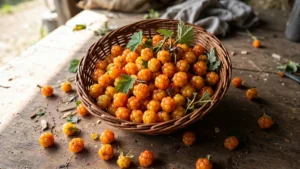
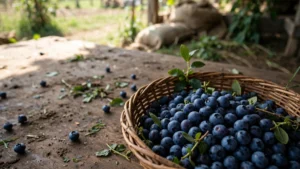
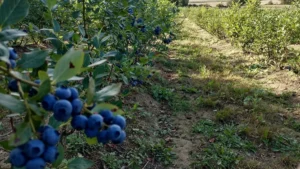
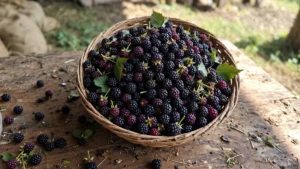
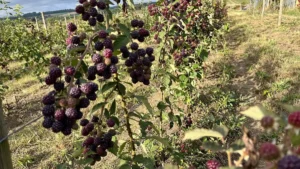
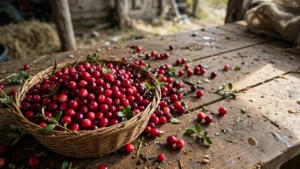
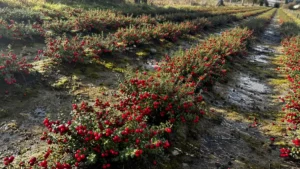
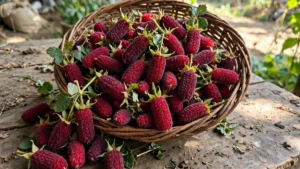
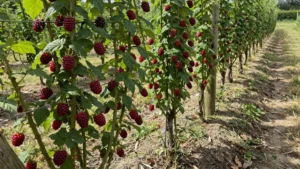
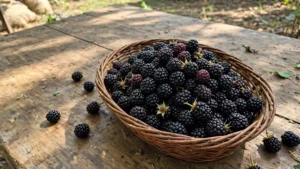
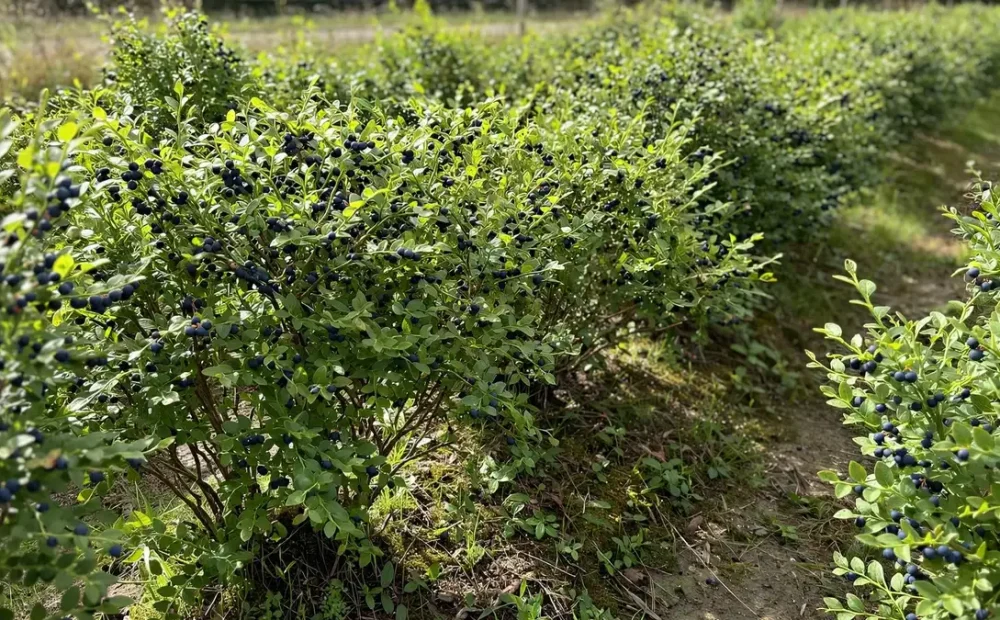
A cloudberry farm escape is a short trip built around a single harvest. The berries ripen in late July, the picking lasts a few weeks, and the farms that welcome guests are small places where the kitchen does the real work — stirring the amber berries into jam and liqueur while the season runs.
The planning is easy once you know the rules. The berries spoil fast once picked, the season is short, and the best farms are honest about both. Book around the ripening, ask what the rate covers, and leave room in the day for the bog walk and the jam pot. The work is gentle but the bog is wet, so pickers wear rubber boots and old gloves.
The nine steps below take you from choosing your dates to carrying a sealed jar home, with the questions to ask and the mistakes to skip along the way.
Key takeaways
- Cloudberries ripen in late July and August, and the picking window is only a few weeks, so the dates matter more than the destination.
- Nordic and North American cloudberries are different kinds, and the region you choose decides which one you will taste.
- Ripe berries crush easily and spoil fast, so pick a farm that cooks them on site and never carry fresh berries home.
- Most stays include a bog walk and a tasting, but jam sessions, meals, and transfers are often priced separately.
- Anyone who takes certain medicines or is expecting should ask a doctor before drinking cloudberry liqueur, because it is a strong preparation, not a soft drink.
What a cloudberry farm escape involves
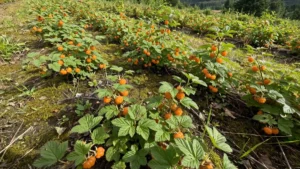
A cloudberry farm escape is a stay of two or three nights on a working cloudberry farm, timed to the harvest. The days are slow: a walk out onto the bog in the morning, picking with a bucket and rubber boots, then the kitchen work — hulling the berries, stirring them into jam, and bottling the liqueur while it is still warm.
What sets it apart from a plain farm stay is the cooking at the heart of everything. The berries are the reason for the trip, and the farm’s kitchen is where the harvest becomes something you can eat. The rooms are usually simple, the host usually works the bogs, and the day runs on the picking rather than a timetable.
Knowing what the escape actually involves saves you a letdown later. Some farms are working holdings with plain rooms and a host who tends the bogs all year. Others are comfortable guesthouses set beside a cloudberry field, offering more ease and less farm work in view. Both kinds can be wonderful, yet they are different trips, and the nightly rate usually reveals which kind you are looking at. Our guide to planning an elderberry farm escape makes the same point: read the inclusions in writing before the photographs win you over.
The jam is the souvenir that matters. A jar made from the farm’s own berries keeps for months in a cool cupboard, and the farms that cook on site will usually let you watch the stirring. Ask whether the jam is sweetened with sugar or honey, and whether the farm sells the liqueur as well — the two keep differently, and the jam travels better in a suitcase.
How to plan it, and what to ask first
Start with the harvest calendar, not the flight search. Cloudberries ripen in late July and August, and the exact weeks shift by country. Norway and Finland pick from late July into August, while Alaska and Newfoundland may run a little later. Ask the farm when its berries turn amber, and build your dates around that answer.

Ask next what the price covers. A walk through the bog, a tasting, and a jam-making session are three separate things, and some stays charge for each one on its own. Find out whether breakfast is part of the room, whether the garden is shared, and whether the host speaks a language you can follow. A farm that writes all of this down before you pay is usually run with care. The sea buckthorn farm escape guide we covered earlier follows the same shape: small stays where the booking details matter more than any star rating.
The 9 steps to plan a cloudberry farm escape
Travel when the berries turn amber, not before
What to do: Ask the farm when its berries turn amber, and book inside that window. In Norway and Finland that is usually late July into August; in North America it can run a little later. What to avoid: Do not book on the strength of the photographs alone, because the plants look green and leafy for months before the berries are ready. Best for: Travellers who can shift their dates by a week or two. Time needed: One afternoon of messages before you book. Standout tip: Ask for a photograph of the bog taken that week, not last year.
Let a spoonful of each kind choose the country
What to do: Pick the Nordics for the soft, honeyed kind used in jams and cream, and North America for the firmer, sharper kind used in preserves and pies. Read the farm’s own account of its berries before you choose. The Nordic kind makes a sweeter jam, while the North American kind gives a brighter preserve. What to avoid: Do not assume the berries taste the same everywhere, because the two kinds cook differently and suit different meals. Best for: Travellers who care about flavour as much as the view. Time needed: An hour of reading before booking. Standout tip: Ask the farm which dishes it makes with its own berries.
Choose a stay that hands you the stirring spoon
What to do: Choose a farm with a kitchen that stirs the berries into jam or liqueur while you are there, and ask whether guests can watch or join in. What to avoid: Do not book a stay that only sells bottled jam made elsewhere, because the cooking is half the trip. Best for: Travellers who want to learn the process, not only taste the result. Time needed: A single message before you pay. Standout tip: Ask what time the jam pot goes on in the morning.
Sleep where you can see the bogs from the window
What to do: Ask for a room that faces the bogs or the garden, so you can see the plants from the window and walk out to them in the morning. What to avoid: Do not take the cheapest room without asking where it sits, because some face the road or the parking area. Best for: Early risers who like to walk the bogs at first light. Time needed: Ten minutes at booking. Standout tip: A room over the kitchen smells of simmering jam in the morning.
Rubber boots and sleeves you can wash after
What to do: Bring long sleeves, gloves, and boots you can wash, because the bog is wet and the plants scratch. Some farms lend buckets and boots; ask before you pack your own. What to avoid: Do not wear pale clothes to the bog, because cloudberry juice does not come out easily. Best for: Travellers who want to join the picking instead of watching it. Time needed: Half an hour packing at home. Standout tip: Dark clothes and a hat make the picking uniform.
Check each berry for amber colour and softness
What to do: Learn the signs before you pick: ripe berries are amber-orange all the way through, soft to the touch, and quick to slip off the stem. Pale or hard berries are not ready yet. What to avoid: Do not strip a whole stem because the top berry looks amber, because the ones underneath may still be pale. Best for: Careful pickers who like to get it right first time. Time needed: Twenty minutes with the host on your first bog walk. Standout tip: Taste one ripe berry before you pick a bucketful.
Be there when the first pot of jam goes on
What to do: Ask to join the morning the farm stirs its jam, and watch how the berries are hulled, weighed, and boiled. Some farms let guests stir the pot and fill a jar to take home. The pot needs steady watching, so the host will show you when to stir and when to leave it be. What to avoid: Do not arrive late to the jam morning, because the pot starts early and the bottling is done by midday. Best for: Travellers who like a kitchen more than a landscape. Time needed: A morning, from first light until lunch. Standout tip: Bring a small jar of your own if the farm lets you.
Tell the farm about wheat in the opening note
What to do: Tell the farm about gluten in your first message, and ask how the kitchen keeps flour away from the cloudberry dishes. The berries themselves hold no gluten, and the rice dishes are usually safe. What to avoid: Do not leave it until you sit down to eat, because the bread is baked each morning and the kitchen needs time to prepare. Best for: Gluten-free travellers who want to eat at the farmhouse table. Time needed: A single message before you book. Standout tip: Ask whether the jam and liqueur are made in a separate pot from the baking.
Pack jars of jam in the case, never loose berries
What to do: Buy sealed jars of jam or bottles of liqueur from the farm shop, and pack them wrapped in clothes in the middle of your case. What to avoid: Do not carry fresh berries home, because they spoil fast once picked and they crush easily in transit. Best for: Travellers who want the taste to last after the trip. Time needed: An hour in the farm shop, jars included. Standout tip: A sealed jar of jam keeps far longer than any photograph.
Picking the right season and region
For the most traditional harvest, go to Troms or Jämtland in late July, where the bogs are a working crop and the jam lands on the table at every meal. For the wildest setting, pick the Scottish Highlands, where the farm sits among the moors and the berries grow in the high bogs. For the longest season, pick Newfoundland or Alaska, where the harvest stretches further into the autumn.
For a first trip, Lapland is the simplest choice: the farm is used to guests, the season is generous, and the kitchen cooks with the berries daily. Pick the region by the kind of cloudberry you want to taste, not by the photographs, and the rest of the trip mostly falls into place. If the harvest weeks are full, consider the shoulder season instead. The bogs are still worth walking among in early summer, when the white flowers are out, and some farms run flower walks in June. The berries will not be there, but the farm, the kitchen, and the host will be — and the rates are usually cheaper.
The goji berry farm escape guide we covered earlier makes the same point: choose the farm that cooks with its own crop each day, and the rest of the planning gets much easier.
The caveats that matter
A cloudberry farm escape is lovely, but it is not for everyone. The berries follow the seasons, the farms sit far from town, and the honest stays say plainly what is ripe and what is not.
| Detail | What is known |
|---|---|
| Best time to visit | Late July into August, once the berries turn amber; the exact weeks move by country |
| The two main kinds | The Nordic kind is soft and honeyed, the North American kind firmer and a little sharper |
| How ripe berries look | Amber right through, soft to the touch, and quick to slip off the stem |
| What is usually included | A room and breakfast with a bog walk or tasting; jam sessions and lifts often cost extra |
| Who should go | Slow travellers, keen cooks, and families with older children |
| Who should think twice | Anyone after nightlife, fast service, or a packed daily schedule |
| Transfers | Often an hour or more from the closest airport, so book the lift before you arrive |
| What is not guaranteed | Berries on your dates, since the crop leans on weather, season, and the bog’s own rhythm |
Cloudberries carry no gluten themselves, yet the farm kitchen bakes bread each morning, so find out how it keeps flour away from your plate. Cloudberries spoil quickly once picked, so eat them fresh or cook them the same day, and tell the farm before booking if you take medicine or are expecting, since the liqueur is a strong preparation. Before you book, think through the practical points if you have a health condition, are expecting, or travel with small children: how far the nearest clinic sits, when the farm last sprayed, and whether the bog paths suit little feet.
Checklist: before you book a cloudberry farm escape
Run through these checks before you pay, then again in the week before you travel.
- Check the ripening: ask whether the berries will be amber on your dates, not simply whether the farm is open.
- Check the inclusions: bog walk, jam session, meals, and lifts, and which of them costs extra.
- Check the distance: how long the drive is from the airport, and whether the farm sends a car for you.
- Check the bedroom: does it face the cloudberry bogs or the garden, and does it offer shade, a fan, or heating?
- Check the growing: ask how large the cloudberry bog is, whether it is organic, and when it last sprayed.
- Check recent reviews: look for guests who travelled in the same harvest weeks as your planned trip.
Frequently asked questions
How many nights suit a cloudberry farm escape?
Two or three nights is enough. One day for the bog walk and the plants, one morning for the jam pot, and an afternoon to walk the lanes. A longer stay only makes sense if you want to slow down more or visit the nearest town.
Do you need a rental car for a cloudberry farm?
Usually yes, because most farms sit an hour or more from the nearest station and the lanes are tight. If the farm sends a car, you can skip it, but ask the price before you book, because the lift is often billed separately.
May guests pick berries out on the bog?
Yes, on most farms — ask first, then walk with a guide. Some farms hand guests a bucket and rubber boots for a few berries, while others pick themselves because ripe berries crush easily. Mention it when you book.
What is the difference between cloudberry and raspberry?
Raspberry grows on tall canes in rows and bears many berries per stem, while cloudberry grows low on creeping bog plants with one berry per stem. They taste different too: raspberry is sharp and bright, cloudberry is honeyed and soft. Some farms grow both, so ask whether a summer visit pairs the two harvests.
Is a cloudberry farm escape good for children?
Yes, for older children who can walk the bogs and sit through a cooking morning. Small children may struggle with the long walks and the waiting, and the bog ground is wet, so keep them close during the picking.
How can travellers who avoid gluten eat well on a cloudberry farm?
Flag it in your first message. The berries themselves hold no gluten, and the rice dishes are usually safe. The risk is the bread baked each morning, so ask the farm to keep flour off your plate.
The bottom line
A cloudberry farm escape suits travellers who like their food to come from the bog beside them, and who are happy to let the harvest set the day. The berries are amber, the season is brief, and the best escapes pick them, cook them down, and serve them without any fuss.
Pick the region by what you want most: the Arctic coast of Troms, the moors of the Scottish Highlands, or the wilderness light of Alaska — and carry the jam home sealed, never the fresh berries themselves. A jar of that jam will keep long after the holiday ends.