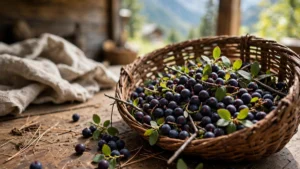
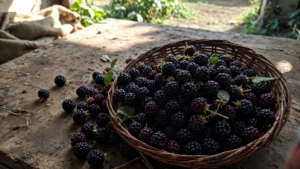
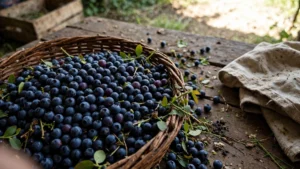
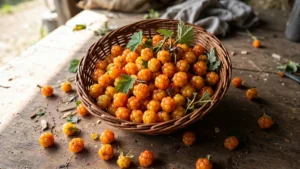
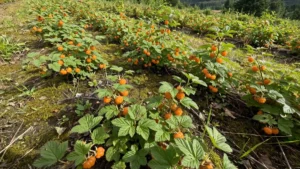
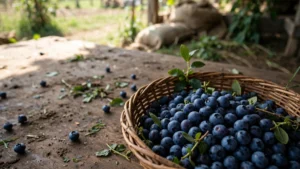
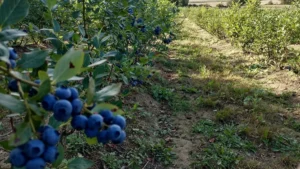
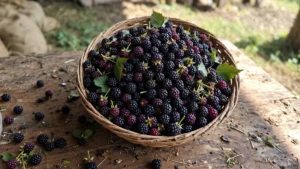
A bilberry farm escape is a few nights on a small northern European holding where the berries grow wild on the moor, the heath, or the forest floor. You sleep in a plain room at the edge of the picking ground, rise early while the berries are still cool, and spend the morning on the slopes with a basket. The rest of the day belongs to the kitchen and the hillside: pies, jams, walks, and long dinners at a shared table.
It is not a resort holiday. There is no spa, no concierge, and often no phone signal once you leave the farmhouse. What you get instead is quiet, space, and food made from fruit you picked yourself a few hours earlier. The mornings are yours to spend on the hillside, the afternoons are yours to spend however you like, and the evenings belong to the table. For travellers who are tired of crowded destinations and timetabled sightseeing, that trade is the whole appeal — a holiday measured in baskets filled rather than sights ticked off.
This guide walks through the nine steps that turn a vague idea into a booked trip: choosing the week, choosing the farm, getting there, and eating safely once you arrive. Follow them in order and you will avoid the mistakes that catch most first-timers — wrong dates, wrong boots, and a kitchen that never knew about the wheat.
Key takeaways
- Book around the berries, not the flights: the picking window is late July to early September, and a week either way can mean empty bushes.
- Choose the farm by its kitchen and its picking ground, not by its photographs.
- Pack for moor and forest weather — rain, cold mornings, midges — even in August.
- Warn the kitchen about wheat or any allergy in the booking note, before you pay.
- Bilberries stain skin and pale clothing deep purple for days, so bring clothes you do not mind ruining.
What a bilberry farm escape involves
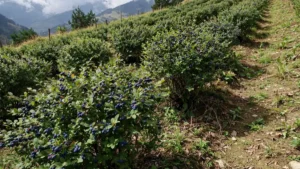
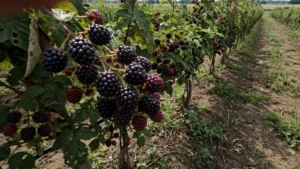
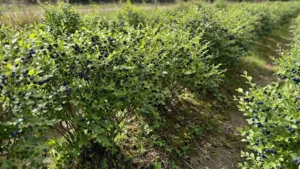
A bilberry farm escape involves staying two or three nights on a working smallholding during the short wild-berry season. The farm is usually a stone house or a log cabin with a handful of guest rooms, a kitchen that cooks with the harvest, and picking ground within walking distance — a heather moor, a pine forest floor, or an alpine meadow where the bushes grow on their own.
The day starts before breakfast. The host checks the bushes, the guests collect baskets and berry combs, and everyone walks out while the morning is still cool. Picking is slow work: the berries are small and grow low, so you crouch, comb, and sort as you go. By late morning the baskets come back, and the kitchen takes over — pies, sauces, jams, and dumplings, depending on the region.
Afternoons are unscheduled by design. There may be a walk to the village for bread and cheese, a swim in the lake if the farm has one, or a nap in the garden with a book. Some farms offer a second, shorter picking session before dinner, when the light is softer and the berries are cool again. Dinner is served at one table, the host eats with the guests, and the conversation runs to the weather, the harvest, and which slope ripens next. It is a simple rhythm, and it works because nobody tries to fill it with activities you did not ask for.
How to plan it, and what to ask first
Start with the week, not the farm. Bilberries ripen from late July to early September, and the exact week shifts with the spring: a warm May brings the season forward, a cold June pushes it back. Email two or three farms and ask when their bushes are at their best this year. The honest answer — “come the second week of August” — is worth more than any booking-site calendar.
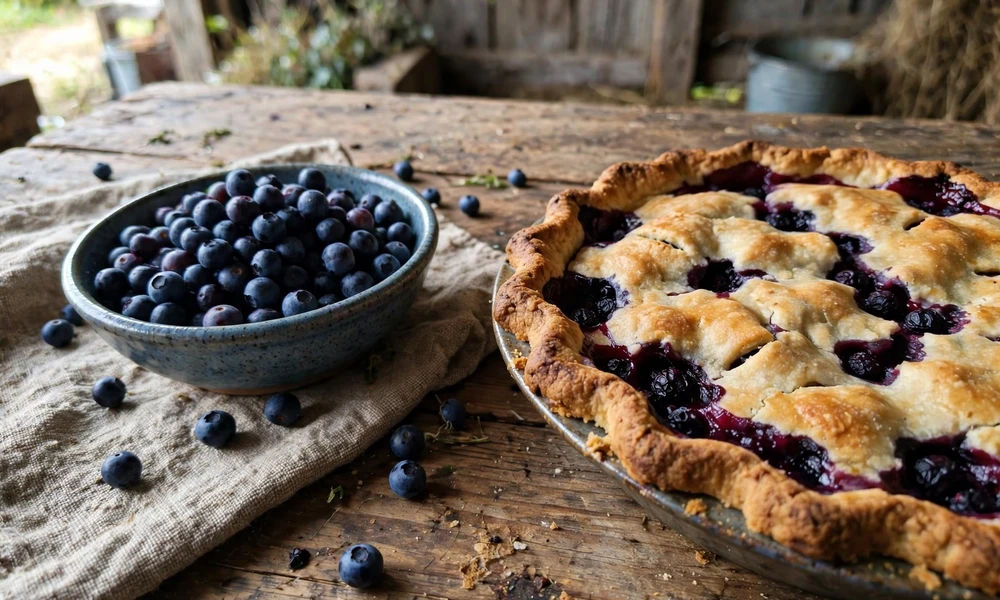
Once you have the week, choose the farm. Ask whether guests may pick on the slopes, whether combs and baskets are provided, and what the kitchen does with the harvest — a pie-making session is a better sign than a jar of shop-bought jam. Ask about the room too: shared or private bathroom, heating for cold mountain nights, and the distance to the nearest shop. Then sort the journey: most of these farms sit at the end of narrow lanes with rare buses, so a hire car booked at the same time as the room saves a great deal of trouble later, and it gives you the freedom to chase a market or a better slope on a whim. If you are comparing berry holidays, the strawberry farm escape guide covers a sweeter lowland trip with a longer season, while the blackberry farm escape guide suits travellers who prefer hedgerows and brambles to high moors.
The 9 steps to plan a bilberry farm escape
Buy a punnet first and see if the flavour wins you over
What to Do: Find a farmers market in the region and buy a small punnet of wild bilberries first. Taste them fresh, try a slice of bilberry pie, and decide whether the tart, woodland flavour is something you want a whole holiday built around.
What to Avoid: Do not book a week-long stay on a berry you have never tasted. A punnet at a market costs a few euros and answers the question in one bite.
Best For: First-timers who have only ever eaten farmed blueberries. Time Needed: Half an hour wandering a market. Standout Tip: Ask the stallholder which slopes the berries came from — it is the same question you will ask your host.
The berries decide the dates — you just arrange the rest
What to Do: Email the farms and ask for their ripest week this year, then build the trip around that answer. Mid-August is the safest bet in most regions, with the far north running a week or two later. If the farms disagree by a week, split the difference and aim for the middle — the berries will be ripe somewhere in your window, and the host can point you to the slope that is furthest along.
What to Avoid: Do not book cheap flights first and hope the berries cooperate. A week early means green berries; a week late means the bushes are picked over.
Best For: Anyone who wants full baskets rather than a nice room. Time Needed: Twenty minutes of emails. Standout Tip: If two farms give you the same week, trust it — they are reading the same hillsides.
A farm worth booking cooks what it picks
What to Do: Pick the farm whose kitchen cooks with the harvest: pies, dumplings, sauces, and jams made from the morning’s picking. Ask what is on the menu this week and whether guests join the cooking.
What to Avoid: Do not choose by the prettiest terrace photograph. A beautiful view with a dull kitchen makes for a forgettable stay.
Best For: Travellers who travel to eat. Time Needed: One email asking for the week’s menu. Standout Tip: A farm that offers a pie-making session is telling you the kitchen matters to them.
Ask whether you can fill your own basket on the slopes
What to Do: Confirm that guests may pick, which slopes are open, and whether a berry comb is provided. Ask how the host marks the patches that need to rest.
What to Avoid: Do not assume picking is included. Some farms only let guests watch, and a few charge extra for a guided picking walk.
Best For: Anyone whose main reason for coming is the picking itself. Time Needed: A few minutes with the booking form. Standout Tip: Offer to pick for the kitchen as well as for yourself — hosts remember generous guests.
A window onto the bushes beats a window onto the road
What to Do: Ask for a room facing the picking ground rather than the car park or the road. A moor-facing window lets you read the weather and the light before you head out.
What to Avoid: Do not take the cheapest room without asking what it faces. On a small farm, the difference between the best and worst room is often just the window.
Best For: Early risers who like to watch the morning come up over the bushes. Time Needed: One line in the booking note. Standout Tip: Upper-floor rooms catch the morning sun and dry out damp boots faster.
The first thing the farm should hear from you is the allergy
What to Do: Put any allergy or gluten-free need in the booking note, in plain words, before you pay. Ask whether the kitchen can keep a separate board and pan, and whether pies can be made with a gluten-free base.
What to Avoid: Do not mention it for the first time at the dinner table. Farm kitchens bake with wheat all day, and a last-minute request puts the cook in a difficult spot.
Best For: Coeliac travellers and anyone with a food allergy. Time Needed: Two minutes while booking. Standout Tip: Repeat the note in a short email a week before arrival, so it is fresh in the cook’s mind.
Dress like you are going to get stained — because you will
What to Do: Pack dark, tough clothes you do not mind ruining, sturdy boots, and a waterproof layer. Bilberry juice stains pale fabric a deep purple that does not wash out.
What to Avoid: Do not bring white linen, light trainers, or anything you would cry over. The bushes are low, the ground is damp, and the juice gets everywhere.
Best For: Anyone who plans to pick for more than an hour. Time Needed: Ten minutes of packing. Standout Tip: A dark apron from the farm kitchen doubles as picking gear and keeps your clothes clean.
Let your host show you the village market one morning
What to Do: Ask your host whether they go to the village market in the morning, and go along. You will see what else the region grows, meet the neighbours, and come back with cheese, bread, and stories for dinner.
What to Avoid: Do not sleep through the market and then complain that the farm is isolated. The market is where the place shows its character.
Best For: Travellers who like meeting the people behind the food. Time Needed: Two hours on a market morning. Standout Tip: Buy the local cheese — it is usually made a few miles away and pairs beautifully with bilberry sauce.
Buy jam and dried berries, not fresh punnets, to take home
What to Do: Do your farm-shop shopping on the last morning, when you know what you actually want to take home: a jar of jam, a bottle of liqueur, a bag of dried berries. The shop is small, and the best things sell out early in the week.
What to Avoid: Do not buy fresh punnets on the first day and carry them around for a week. They will be soft by the time you get home.
Best For: Anyone who wants a souvenir that tastes of the trip. Time Needed: Twenty minutes before checkout. Standout Tip: Jam and dried berries travel well; fresh berries and liqueur do not always survive the journey home.
Choosing the season and the region
The season is the decision that matters most. Late July to early September covers most regions, but the far north runs later and the south runs earlier, and a wet spring can shift everything by a fortnight. A stay in mid-August is the safest single choice, and the host’s own advice beats any calendar you will find online. If you can be flexible, tell the farm your window and let them pick the week — they would rather have you when the berries are ripe than when the rooms are empty, and a host who chooses your dates for you is a host who cares about the harvest. Ask the same question of two farms in the same region: if both name the same week, you have found your dates.
Region follows the walking you want. The Lake District and Snowdonia are gentle and forgiving for a first trip. Lapland and Jämtland give you midnight light and endless forest, but the mosquitoes are serious and the journey is long. The Tatras and Transylvania suit mountain walkers who want altitude and emptiness, while the Vosges suits travellers who want a comfortable room at the end of the day. The raspberry farm escape guide is the closest alternative if the bilberry season does not fit your dates — raspberries ripen later and the farms are easier to reach.
The caveats that matter
A bilberry escape is a wild-berry holiday, and wild conditions come with it. The points below are the ones that catch first-timers out.
| Detail | What is known |
|---|---|
| Best picking window | Late July to early September; northern farms run one to two weeks later than southern ones. |
| How bilberries differ from blueberries | Bilberries are wild, smaller, darker, and tarter; farmed blueberries are larger, paler inside, and sweeter. |
| Picking method | Hand-picking or a berry comb; combs are faster but strip leaves if used roughly. |
| Staining | Ripe bilberry juice stains skin, nails, and pale clothing deep purple for days. |
| Insects | Midges and mosquitoes are heavy on still, damp mornings in Scotland, Wales, and Nordic forests. |
| Weather | Moor and mountain weather changes fast; rain and cold mornings are normal even in August. |
| Gluten in farm kitchens | Bilberries carry no gluten themselves, but the kitchen bakes with wheat all day — tell the host in advance. |
| Who should skip it | Anyone who cannot walk uneven ground, and anyone who expects hotel service rather than farm life. |
Checklist: before you book a bilberry farm escape
- Ask the host for the ripest week this year, and build your dates around the berries.
- Confirm guests may pick, and that combs and baskets are provided.
- Check the room: bathroom, heating, and distance to the nearest shop.
- Pack repellent, long sleeves, sturdy boots, and dark clothes you can stain.
- Put wheat or any allergy in the booking note before you pay.
- Keep cash in your pocket for the farm shop and the village stalls.
Frequently asked questions
How many nights does a bilberry escape need?
Two or three nights is right for most people: one day to learn the slopes, one day to pick properly, and a morning to shop before you leave. A week suits only the most committed pickers.
Is a car essential for reaching a bilberry farm?
Almost always, yes. The farms sit at the end of narrow lanes, the buses are rare, and the village market is usually a drive away. Book the car when you book the room.
Can you pick berries yourself while you stay?
On the farms in this guide, yes — with a basket and a comb where provided. Follow the host’s guidance on which slopes are open and which need to rest.
What is the difference between wild and farmed bilberries?
There is no farmed bilberry in the usual sense: bilberries are a wild crop, while blueberries are the farmed cousin. Wild bilberries are smaller, darker, and tarter, with dark purple flesh all the way through.
Do children enjoy a bilberry farm escape?
Older children who like the outdoors will love it — picking is a treasure hunt. Younger children may struggle with the early starts, the uneven ground, and the midges.
How can coeliac guests eat safely at a bilberry farm?
Warn the kitchen in the booking note and again a week before arrival. Ask for a separate board and pan, and for pies with a gluten-free base. The berries themselves carry no gluten at all.
The bottom line
A bilberry farm escape works when you let the berries set the schedule. Pick the week by the ripening, the farm by its kitchen, and the room by its window, and the rest of the trip takes care of itself. Pack dark clothes, warn the kitchen about wheat, and bring cash for the farm shop.
Come home with stained fingers and a jar of jam, and you will have done it right. The moors will still be there next August, and the berries will be ripe again — a week either way, depending on the spring.