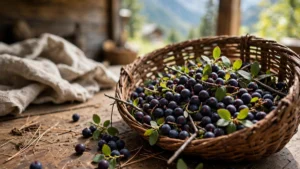
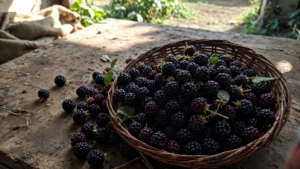
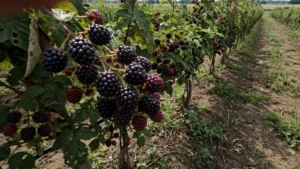
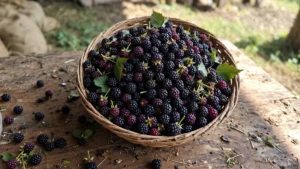
Marionberries do not travel well, and that is exactly why a marionberry farm retreat is worth the trip. The berry is big, dark, and soft, the kind that bursts the moment it is picked, which means the best marionberries are eaten within a day of the cane, in the county where they were bred. A farm stay in July puts you in the rows when the fruit peaks, basket in one hand and jam on the table by evening.
A luxury marionberry farm retreat in 2027 pairs that short, juicy season with real comfort: a proper bed, a kitchen that knows what to do with a crate of berries, and a host who can tell a ripe marionberry from a red one at a glance.
We looked for farms that grow marionberries as a serious crop rather than a decoration, that let guests pick, and that cook with what they grow. The nine stays below run from a Marion County smallholding at $65 a night to a Tasmanian estate at $345–$380, and each one earns its place on picking, cooking, and the feel of the place itself.
Key takeaways
- Marionberry season is short — July into early August in Oregon — so book around the picking dates, not the cheapest flight.
- The best retreats grow marionberries as a main crop, let guests pick from the rows, and cook with the harvest every day.
- Pick only berries that are deep purple, soft, and slip off the stem; red or firm berries are sour and stay on the cane.
- Thorns, juice stains, and wasps come with the trip — long sleeves, gloves, and dark clothes are worth packing.
- Marionberries are naturally gluten-free, but farm kitchens also bake with wheat flour and serve bread at most meals — tell the farm in writing before you book.
What a marionberry farm retreat actually is
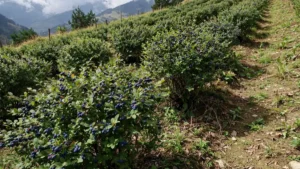
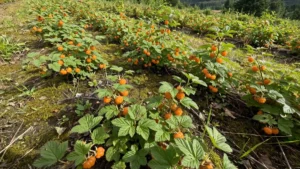
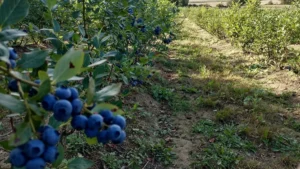
A marionberry farm retreat is a working berry farm that takes a small number of guests during the harvest, usually from early July to early August in Oregon and a little later further north. Mornings begin out in the rows, basket in one hand and gloves on the other. Afternoons are for cooking — pies, cobblers, jams, and sauces — and evenings are for eating what the day produced. The farms on this list all grow marionberries as a real crop, with named plantings, pruned canes, and a picking calendar the host plans around.
What lifts the luxury end above a simple farm stay is the standard of the room and the kitchen. Beds are real beds, bathrooms are your own, and the cooking uses what the farm grows. On the best stays, the person who shows you the rows in the morning is the same person who serves the marionberry pie at night, and that continuity is worth more than any spa menu.
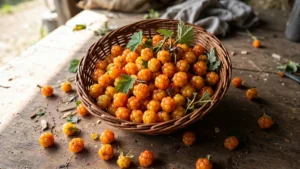
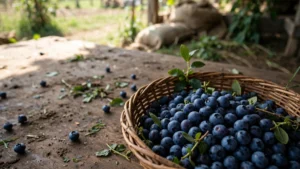
Marionberries suit this kind of trip because the fruit is generous and unmistakable. The berry is a cross of two blackberry types, Chehalem and Olallieberry, bred in Oregon and named after Marion County, and it ripens into a large, dark purple-black fruit that is sweet-tart and almost wine-like. A single cane can fill a basket in an hour, and a first-time picker can tell when a berry is ready: it is dark all the way through, soft under the thumb, and comes away with a gentle pull. If it holds fast, it is not ready — a test most guests pick up in ten minutes. For a close cousin with the same slow rhythm, the luxury boysenberry farm retreats we covered earlier follow a similar pattern of small groups and a host who cooks the harvest.
How we picked these stays, and what to ask first
We started with farms that list marionberries as a main crop, then checked that guests are genuinely allowed to pick, that the rooms are private, and that the kitchen uses the berries daily. We dropped farms that only offered a view of the rows, or that slept more than a dozen guests. The nine that remain all passed those tests and all had 2027 dates open when we checked.

Before you book, ask three questions. First, what are the picking dates, and how firm are they — a farm that names a single week, not a whole month, is being straight with you. Second, what the rate covers: meals, picking, classes, and lifts from the nearest town all vary. Third, what happens if the season moves — a good farm will change your dates or warn you early, and a farm that will not talk about it is one to avoid.
The 9 best luxury marionberry farm retreats of 2027
Every stay below is a working marionberry farm first and a guesthouse second, so the picking calendar matters more than the flight schedule. Prices are per night for two guests unless stated, and all nine were open for 2027 bookings when we checked.
Marion County, Oregon — Marionberry Where the Berry Got Its Name
What We Like: A small family farm in the very county the berry was named for, where the marionberry rows run beside old filbert trees. The farm runs a daily pie-making session and sends guests home with a jar of whatever they made.
What to Consider: The lanes are narrow, so a car comes in handy. Rain is possible in early July, and the farm keeps only four rooms, which book out early.
Best For: First-time pickers who want the story as well as the fruit. Style: Rustic farmhouse with a shared breakfast table. Price Range: From $65 a night, with breakfast and a morning picking basket. Standout Feature: The daily pie-making session held in the farm kitchen.
McMinnville, Oregon — Marionberry in the Yamhill Valley
What We Like: A Yamhill Valley farm where marionberry canes grow between Pinot Noir vines, so the picking walk passes from berries to grapes in the same field. The kitchen makes marionberry sauces for the valley’s cheeses.
What to Consider: The valley is busiest during the grape harvest, when rooms go fast and the berry rows get less attention.
Best For: Food lovers who want a berry trip and a wine trip in the same week. Style: Old farmhouse converted on a working wine estate. Price Range: From $85 a night, breakfast and a wine-and-berry tasting included. Standout Feature: Marionberry sauces paired with the valley’s own cheeses and wines.
Eugene, Oregon — Marionberry on the Southern Willamette
What We Like: A southern Willamette farm where marionberry rows sit below forested ridges, and the kitchen turns the berries into sauces for pork and game. The host is a trained cook who runs a proper cobbler class.
What to Consider: The farm is a forty-minute drive from the nearest station, so a car is almost essential. July heat makes afternoon picking hard work, so the farm picks at dawn and cooks after dark.
Best For: Cooks who want berries folded into savoury cooking, not only puddings. Style: Stone farmhouse built around a teaching kitchen. Price Range: From $110 a night, breakfast and a cobbler class included. Standout Feature: The cobbler class that pairs marionberry sauces with local pork.
Yakima Valley, Washington — Marionberry East of the Cascades
What We Like: A Yakima Valley farm where marionberry canes grow fat in the dry eastern sun, and the kitchen bakes them into pies the same afternoon. The host runs a morning picking session followed by a pie-baking class.
What to Consider: The farm is an hour from the nearest city, and the last stretch is a farm road. Pick only from the farm’s marked rows.
Best For: Bakers and anyone who wants a proper American marionberry pie. Style: Private cabins with porches set in the valley. Price Range: From $135 a night, breakfast and a pie-baking class included. Standout Feature: The morning picking session followed by an afternoon pie-baking class.
Skagit Valley, Washington — Marionberry on the Puget Sound Flats
What We Like: A Skagit Valley farm on the flat Puget Sound farmland where marionberries grow large in the cool summers, and the kitchen serves them with the region’s seafood and cheeses. The host walks guests to the best rows, and the farm’s cider is poured at dinner.
What to Consider: Puget Sound weather changes fast, and rain can cancel a picking morning.
Best For: Travellers who want berries with seafood and salt air in one stay. Style: Modern valley farmhouse with mountain views. Price Range: From $160 a night, breakfast and a guided cane walk included. Standout Feature: The guided walk to the oldest canes along the farm’s back fields.
Sonoma County, California — Marionberry among the Vineyards
What We Like: A Sonoma farm where marionberry rows sit between vineyards, and the kitchen turns the berries into sauces for the county’s cheeses. The host is a former pastry chef who runs a jam-making class.
What to Consider: Sonoma is a long drive from the nearest airport, and the farm sits two hours from San Francisco. Rooms are few, so book months ahead.
Best For: Travellers who want the most polished marionberry stay in California. Style: Wine-country estate with a restaurant and fireplace suites. Price Range: From $185 a night, breakfast and a jam-making class included. Standout Feature: The jam class run by a former pastry chef in the farm kitchen.
Santa Cruz Mountains, California — Marionberry above the Fog Line
What We Like: A mountain farm above the coastal fog where the season runs late, into the cool clear air of August. The kitchen makes marionberry cordial and serves it at sunset, and the farm’s garden supplies the rest of the table.
What to Consider: The mountain roads are steep and winding, and the nearest shop is twenty minutes away.
Best For: Travellers who want a late season and mountain air. Style: Mountain farmhouse with a garden and a view. Price Range: From $220 a night, breakfast and a cordial-making session included. Standout Feature: The marionberry cordial made on the farm and served at sunset.
Canterbury, New Zealand — Marionberry on the South Island Plains
What We Like: A Canterbury farm on the wide South Island plains, where long summer days fatten the marionberries and the kitchen turns them into crumbles by sundown. The host leads a dawn walk through the rows, then a baking session in a farmhouse kitchen that smells of butter and fruit.
What to Consider: Canterbury is a long journey for most guests, and the farm is a two-hour drive from Christchurch. Rooms are few, so book early.
Best For: Travellers who want the southern hemisphere season. Style: Plains farmhouse with a garden and a view. Price Range: From $260 a night, breakfast and a crumble-baking session included. Standout Feature: The dawn walk through the rows followed by a crumble-baking session.
Tasmania, Australia — Marionberry at the Bottom of the World
What We Like: A Tasmanian estate where the season stretches late, into the cool southern autumn, and the berries come off the canes in crisp, clear air. The kitchen distils marionberry gin on the estate and pours it at sunset, and the farm’s restaurant draws travellers from across the island.
What to Consider: Tasmania is a long journey for most guests, and the farm sits a two-hour drive from Hobart. Rooms are few, so book months ahead.
Best For: Travellers chasing the most remote and most polished marionberry stay. Style: Island estate with its own restaurant and fireplace suites. Price Range: From $345 a night, breakfast and a gin-tasting evening thrown in. Standout Feature: The marionberry gin distilled on the estate and poured at sunset.
Which marionberry region fits your trip
The right region depends on when you can travel and how much picking you want. Oregon suits a first trip: short flights, gentle farms, and a forgiving season. Washington and California suit cooks. New Zealand and Tasmania suit travellers who want the trip itself to be the main event. The luxury blackberry farm retreats we covered earlier run on a similar late-summer season.
| Detail | What is known |
|---|---|
| Best season | July into early August in Oregon; later in Tasmania, into the southern autumn |
| Picking window | Two to four weeks per farm, moving with the weather |
| Cheapest stay | Marion County, Oregon, from $65 a night with breakfast and picking |
| Most polished stay | Tasmania, Australia, from $345 a night with a restaurant and gin tasting |
| Best for beginners | Marion County, Oregon, with a patient host and a gentle first row |
| Best for cooks | Eugene, Oregon, for savoury marionberry sauces and a teaching kitchen |
| Gluten | Berries are naturally gluten-free, but kitchens bake with wheat — tell the farm in writing |
| What to pack | Long sleeves, gloves, closed shoes, dark clothes, and a hat for the rows |
The caveats that matter
Marionberry picking is honest work, and the thorns are real. Long sleeves and gloves are essential on the older thorny varieties, and even the thornless rows have canes that catch the skin. Juice stains everything it touches, so wear dark clothes you do not mind ruining. Wasps love ripe marionberries, so move slowly in the rows, watch where you put your hands, and tell the host at once if you are allergic to stings.
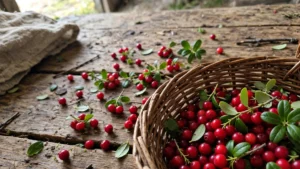
Not every berry on the cane is ready. Red berries are sour, firm berries are unripe, and berries with white drupelets are best left alone. The farm will show you the difference on the first morning, and it is worth listening: a basket of under-ripe berries makes poor jam and a worse pie. If you fancy picking wild canes beyond the farm, ask the host first — some are sprayed, some belong to neighbours, and some are simply not the farm’s to offer.
On food, marionberries themselves have no gluten, but farm kitchens bake with wheat flour, serve bread at most meals, and sometimes thicken sauces with flour. Tell the farm about any wheat or gluten allergy in your opening message, and ask what the kitchen will cook for you. The same goes for other allergies: wasp stings, bee stings, and the farm’s dogs and cats are all worth flagging before you arrive, not after.
Checklist: booking a marionberry farm stay honestly
- Get the picking dates in writing before you book flights.
- Ask exactly what the nightly rate covers: food, picking, classes, and lifts.
- Pack long sleeves, gloves, closed shoes, and dark clothes you can stain.
- Warn the farm about allergies — gluten, wheat, stings — in your first message.
- Bring cash for the farm shop and the market stalls.
- Check the cancellation terms in case the season shifts.
Frequently asked questions
When is marionberry season?
July into early August in Oregon — usually the second and third weeks of July — and later in Tasmania, where the southern autumn runs into March and April. Each farm’s window is two to four weeks.
What does a marionberry taste like?
Sweet-tart and dark, with a wine-like depth once ripe. Under-ripe berries are sour and firm; over-ripe ones are soft and almost jammy.
Can I pick marionberries myself on the farm?
Yes, on all nine stays here. Picking is the point of the trip, and every farm sets aside rows guests may pick from.
Is it safe for everyone to eat marionberries?
Ripe marionberries are safe for most people, but wash them before eating, and avoid berries growing beside busy roads or sprayed fields. Anyone with a berry allergy should warn the farm before arriving.
Where should a first-timer start with marionberry farms?
Marion County or McMinnville. Marion County is gentle and cheap, while McMinnville adds wine and cheese to the trip.
Can a gluten-free eater enjoy a marionberry farm?
Yes, if you tell the farm in advance. The berries are naturally gluten-free, and most farm kitchens will cook gluten-free meals and bake with other flours when asked. The luxury strawberry farm retreats we covered earlier follow the same rule: write to the farm first.
The bottom line
A marionberry farm retreat is a short, sweet trip built around a harvest that will not wait. The best stays are small, honest, and close to the rows, and the best time to go is the week the berries turn dark — not the week flights are cheapest. Pick Marion County or McMinnville for a first trip, Eugene for cooking, and Tasmania for the most polished version.
Plan around the picking dates, pack for thorns and stains, and warn the farm about your allergies before you pay. Do that, and a few days in the rows will give you pie, jam, and a basket of berries that taste of the place they grew in.