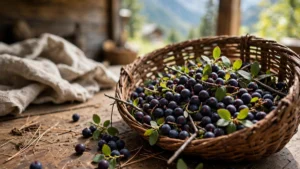
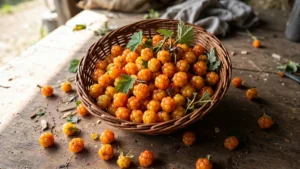
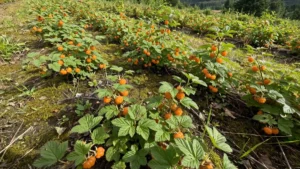
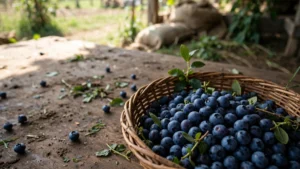
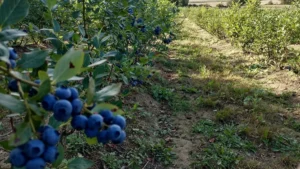
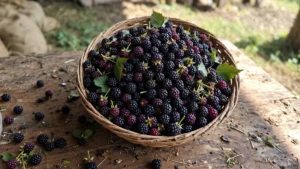
A marionberry farm escape is a few days built around a berry that will not wait. The marionberry is a big, dark, soft fruit, bred in Oregon from two blackberry types and named after Marion County, and it ripens fast in July. Pick it on the right day and it is sweet-tart and almost wine-like. Pick it a week late and the birds have had it. That short season is what makes the trip different from other fruit stays: you are booking a few days inside a harvest that moves fast, where the morning’s picking decides the afternoon’s pie and the evening’s jam.
Planning one is simpler than it looks. The farms are small, the season is short, and the best ones answer emails quickly. What takes care is the timing: the picking window is two to four weeks, and the cheapest flight is rarely in the right week.
This guide walks through the nine steps that matter, from tasting the berry before you commit to buying jars on the morning you leave. Follow them in order and you will spend your days in the rows, not on the phone fixing a booking that was made in the wrong week.
Key takeaways
- Marionberry season is short — July into early August in Oregon — so set your dates by the picking calendar first.
- Taste the berry before you book: a pie or a jam jar at a market stall tells you more than any photograph.
- Choose the farm by its kitchen and its picking rules, not by how pretty its rooms look online.
- Thorns, juice stains, and wasps are part of the deal — pack dark clothes, gloves, and closed shoes.
- Marionberries are naturally gluten-free, but farm kitchens bake with wheat — tell the farm in writing before you pay.
What a marionberry farm escape involves
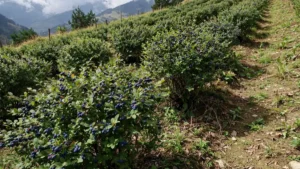
A marionberry farm escape is a working berry farm that takes a small number of guests during the harvest. Mornings begin in the rows, basket in hand and gloves on. Afternoons are for cooking — pies, cobblers, jams, sauces — and evenings are for eating what the day produced. The farms in this guide all grow marionberries as a real crop, with named plantings, pruned canes, and a picking calendar the host plans around.
The days are simple and physical. You pick in the cool of the morning, cook in the heat of the afternoon, and eat in the evening with the people who grew the food. Most farms keep groups small, under a dozen guests, so the host knows your name by the second day and the kitchen knows your allergies by the first.
The rooms are simple and comfortable rather than grand. Expect a proper bed, a private bathroom, and a window that looks out over the rows. The luxury is in the food and the access, not the furniture: breakfast is cooked from the farm’s own produce, the picking starts before the heat, and the host is usually the person who planted the canes you are picking from.
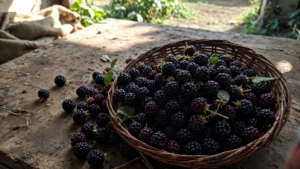
What makes the marionberry version distinct is the berry itself. It is larger and softer than most blackberries, with a sweet-tart flavour that holds up in cooking, and it stains everything it touches. A first-time picker learns the ripeness test in ten minutes: the berry is dark all the way through, soft under the thumb, and comes away with a gentle pull. If it resists, it is not ready. For a close cousin with the same slow rhythm, the boysenberry farm escape guide we covered earlier follows a similar pattern of small groups and a host who cooks the harvest.
How to plan it, and what to ask first
Begin by pinning down the picking dates. Email the farm and ask for its exact picking window for 2027, then check that the dates are firm, not a guess. A farm that gives you a week, not a month, is telling the truth. Once you have the week, look at flights and rooms.

Before you book, ask three questions. First, what is included in the rate: meals, picking sessions, cooking classes, and transport from the nearest town all vary. Second, what can guests actually join — picking, cooking, preserving, market trips — and what is off-limits. Third, what happens if the season shifts — a good farm will move your dates or give you early warning, and a farm that will not discuss it is a farm to avoid.
The 9 steps to plan a marionberry farm escape
Follow these nine steps in order. Each one answers a question the next one depends on, and skipping ahead is how trips end up in the wrong week or the wrong room.
Buy a slice of marionberry pie at a market and taste it before booking
Before you spend money on flights, find out whether you actually like the berry. Marionberries are sweet-tart and wine-like when ripe, and some people find them sharper than they expect. A slice of pie or a spoonful of jam at a farmers’ market tells you more in five minutes than a dozen photographs. If you cannot find marionberries near home, order a jar of jam online and taste it with toast. The berry is the whole point of the trip, so confirm the flavour first and choose the farm second.
Wait for the farm’s picking week before you book travel
Once you like the berry, email the farm for its picking window and build the trip around it. The window is two to four weeks, and it moves with the weather, so a farm that names a fortnight is more useful than one that names a month. Book the flights after the farm confirms the week, not before. The cheapest fare in the wrong week buys you a farm with no berries left on the canes, and no farm will move its harvest for a flight deal.
Let the kitchen’s cooking, not the photos, decide the farm
Every farm looks good in photographs. What matters is the kitchen: does it cook with the berries every day, does it run a pie or jam class, and does the host eat with the guests. Ask the farm what it cooked yesterday and what it plans to cook tomorrow. A farm that answers with dishes, not adjectives, is a farm that cooks. A farm that answers with room descriptions is selling a bed, and you can get a bed anywhere. Ask who cooks, and whether the cook sits down to the same table — a kitchen where the cook eats with the guests is a kitchen that takes its food seriously.
Learn what guests are allowed to join in, from the rows to the jam pot
Not every farm lets guests do everything. Some set aside marked rows for picking and keep the preserving shed off-limits. Others welcome guests into the kitchen for the whole afternoon. Ask exactly what you can join: the morning pick, the pie class, the jam session, the market trip. Then match the answer to what you want from the trip. If you want to cook, a farm that only lets you watch is the wrong farm, however pretty its rooms are.
Ask whether you will be picking thornless or thorny canes
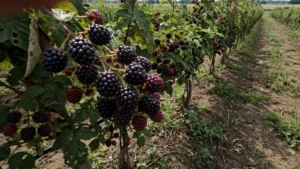
Marionberry canes come in thorny and thornless types, and the difference decides what you pack. Thorny canes need long sleeves, gloves, and patience. Thornless rows are gentler and suit first-time pickers and children. Ask the farm which it grows, and whether guests pick from the thorny rows at all. The answer also tells you how honest the farm is: a farm that warns you about thorns is a farm that has thought about your hands. Thornless rows are also kinder on children and on anyone picking for the first time, though the berries on thorny canes are often the sweetest. If the farm grows both, ask to start on the thornless rows and move to the thorny ones once your hands know the work.
Open your first email with your wheat allergy
Marionberries have no gluten in them, but farm kitchens bake with wheat flour, serve bread at most meals, and sometimes thicken sauces with flour. Tell the farm about any wheat or gluten allergy in your first message, before you discuss dates or prices, and ask what the kitchen will cook for you. The same message should mention other allergies too: wasp stings, bee stings, and any food allergy the kitchen needs to know. A farm that answers clearly is a farm you can trust with your meals.
Choose clothes you are happy to stain with berry juice
Marionberry juice stains everything it touches, and the thorns scratch bare skin. Pack dark clothes you do not mind ruining, long sleeves, closed shoes, and a pair of gloves that fit well enough to pick in. A hat helps in the July sun, and a light rain jacket helps when the weather turns. Leave white clothes and good shoes at home. The farm will lend you a basket, but it will not lend you a new shirt.
Go with your host to the village market before breakfast
Most farms visit the village market at dawn, and guests who go along learn more in an hour than a week of reading. You see what the region grows, you meet the people who sell it, and you come back with ingredients for the afternoon’s cooking. Set an alarm, wear your picking clothes, and carry cash. The market is where the farm’s kitchen starts, and the cook is the best guide you will get.
Buy your jars at the farm shop on checkout morning
Buy your jars on the last morning, not the first. Jam, cordial, and gin made on the farm keep well, and buying late means you take home the batch you helped make, not a jar from last year. Ask the farm how to pack the jars for the flight, and whether it ships. A jar of marionberry jam on a winter morning is the best souvenir the trip produces, and it tastes of the week you spent in the rows.
Picking the right season and region
Oregon is the obvious first choice: it is where the berry was bred, the season is July into early August, and the farms are small and honest. Washington suits travellers who want the same season with fewer crowds. California suits cooks who want wine country with their berries. New Zealand and Tasmania suit travellers who want the southern hemisphere season, running into the southern autumn.
If you can only take one week, take the second week of July in Oregon, when the main crop peaks and the weather is usually settled. The first week can be early in a cool year, and the last week of July is when the birds take the best of what is left. Washington runs a few days behind Oregon, California a few days ahead, and the southern hemisphere farms pick in February and March, which suits travellers who want a berry trip in the northern winter.
| Detail | What is known |
|---|---|
| Best season | July into early August in Oregon; Tasmania runs later, into the southern autumn |
| Picking window | Two to four weeks on each farm, shifting with the weather |
| Cheapest stay | Marion County, Oregon, from $65 a night with breakfast and picking |
| Most polished stay | Tasmania, Australia, from $345 a night, restaurant and gin tasting included |
| Best for beginners | Marion County, Oregon, with a patient host and gentle first rows |
| Best for cooks | Eugene, Oregon, for marionberry sauces in savoury dishes and a teaching kitchen |
| Gluten | Berries are naturally gluten-free, but kitchens bake with wheat — warn the farm in writing |
| What to pack | Long sleeves, gloves, closed shoes, dark clothes, and a hat for picking |
The caveats that matter
Marionberry picking is honest work, and the thorns are real. On the older thorny varieties, long sleeves and gloves are a must, and even the thornless rows have canes that scratch the skin. Gloves with a good grip matter more than thick ones: you need to feel the berry come away from the stem. Juice stains everything it touches, so wear dark clothes you can afford to ruin. Wasps love ripe marionberries, so move slowly in the rows, watch where you put your hands, and warn the host at once if you are allergic to stings.
Not every berry on the cane is ready. Red berries are sour, firm berries are unripe, and berries with white drupelets should stay on the cane. The farm will show you the difference on the first morning, and it is worth heeding: a basket of under-ripe berries makes poor jam and a worse pie. If wild canes outside the farm tempt you, check with the host first — some are sprayed, some belong to neighbours, and some are not the farm’s to share.
On food, marionberries themselves contain no gluten, but farm kitchens bake with wheat flour, serve bread at most meals, and sometimes thicken sauces with flour. Mention any wheat or gluten allergy in your first email, and ask what the kitchen will cook for you. The same goes for other allergies: wasp stings, bee stings, and the farm’s dogs and cats are all worth telling the host about before you arrive, not after.
Checklist: before you book a marionberry farm escape
- Taste the berry first — a pie or a jam jar at a market stall.
- Get the picking dates in writing before you book flights.
- Ask what guests can join: picking, cooking, preserving, market trips.
- Warn the farm about allergies — gluten, wheat, stings — in your opening message.
- Pack dark clothes, gloves, closed shoes, and a hat for the rows.
- Read the cancellation terms in case the season moves a week either way.
Frequently asked questions
When is the best time to visit a marionberry farm?
July into early August in Oregon — usually the second and third weeks of July — and later in Tasmania, where the southern autumn stretches into March and April. Each farm’s window runs two to four weeks, so get its picking dates before you book.
Do I need any experience to pick marionberries?
No. A first-time picker learns the ripeness test in ten minutes: dark all the way through, soft under the thumb, and coming away with a gentle pull. The farm will show you on the first morning.
Can I take marionberries home?
Yes, as jam, cordial, or gin, which travel well. Fresh berries do not travel well — they are soft and burst easily — so buy jars on the last morning and ask the farm how to pack them.
Are marionberries safe to eat raw?
Ripe marionberries are safe for most people, but wash them before eating, and skip berries growing beside busy roads or sprayed fields. Anyone with a berry allergy should warn the farm before they arrive.
What should I wear for picking marionberries?
Dark clothes you do not mind staining, long sleeves, closed shoes, gloves, and a hat for the July sun. A light rain jacket is worth packing too, since Oregon weather can turn in an afternoon. Leave white clothes and good shoes at home — the juice stains, the thorns scratch, and the rows are muddy after rain.
Can a gluten-free eater enjoy a marionberry farm escape?
Yes, if you tell the farm in advance. The berries are naturally gluten-free, and most farm kitchens will cook gluten-free meals and bake with other flours if you ask. The blackberry farm escape guide we covered earlier follows the same rule: write to the farm first, and ask what the kitchen will cook for you. The strawberry farm escape guide is another good reference for gluten-free farm trips.
The bottom line
A marionberry farm escape is a short, sweet trip built around a harvest that will not wait. The best time to go is the week the berries turn dark, not the week the flights are cheapest. Taste the berry first, book around the picking dates, and choose the farm by its kitchen.
Pack for thorns and stains, tell the farm about your allergies before you pay, and save the farm shop for the last morning. Do that, and a few days among the canes will leave you with pie, jam, and a basket of berries that taste of the ground they grew in.