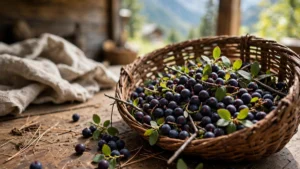
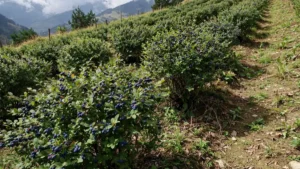
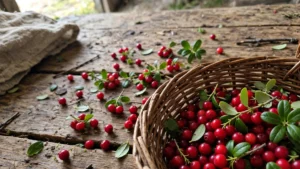
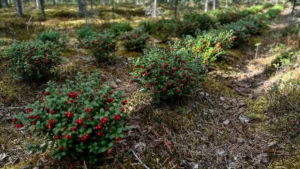
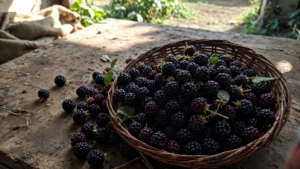
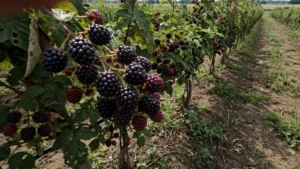
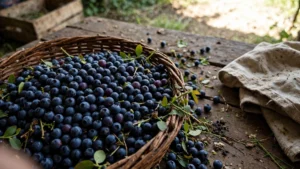
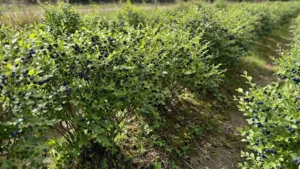
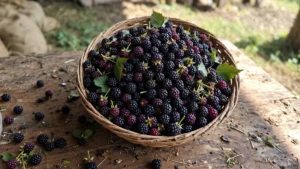
A lingonberry escape is a trip built around a few weeks that will not wait. The berries turn bright red over a few August days, the best picking lasts two or three weeks, and the farm’s whole late summer bends around that window. Shape the trip around the fruit, and the rest — the room, the food, the cooking — falls into place. Shape it around cheap flights instead, and you arrive to bare shrubs while the host is already ladling jam into jars without you.
The reassuring part is how simple a lingonberry escape is to arrange. Nine steps cover it, and none is complicated: taste the fruit first, get the picking dates in writing, pick a region for its kitchen, learn what guests may join, and sort out allergies, clothing, and money before you pay. This guide takes the steps in order, with the mistake to avoid at each one.
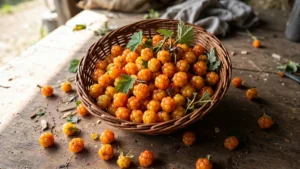
Lingonberries make a kind first farm trip because the skill is plain and the reward comes quickly. A berry that is bright red, firm to the thumb, and loose on the stem is ready; anything else stays on the shrub. By the end of the first morning you will know it by touch, and by the end of the trip you will carry home jam, sauce, and a basket of fruit that tastes of the ground it grew in.
Key takeaways
- Let the farm’s picking dates set your travel dates — the season lasts two to three weeks and shifts with the weather, not with flight prices.
- Get it in writing which activities guests may join — picking, jam making, lessons, and market trips vary from farm to farm.
- Pack for damp moss and low shrubs: waterproof boots, gloves, closed shoes, and dark clothes you can spoil.
- Put allergies in your opening message, and ask the kitchen what it will make for you.
- Lingonberries carry no gluten themselves, yet farm kitchens bake with wheat — write to the farm before paying, not after.
What a lingonberry farm escape involves
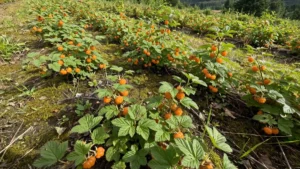
Most lingonberry escapes run three to five nights on a working berry farm in the middle of the harvest, in August and September across most regions. Mornings belong in the forest, with a basket and waterproof boots. Afternoons belong to the kitchen — jams, sauces, juices, and pies — and evenings belong to eating what the day produced. Farms that do this well keep groups small, usually under a dozen guests, so the host knows your name and your allergies by the second day.
Picking is bending work in the forest, with short walks between patches and regular pauses for tea. The cooking is slow and hands-on: stirring jam, rolling pastry, tasting as you go. If you have never picked fruit before, a lingonberry farm is a forgiving place to begin, because the fruit tells you when it is ready and the host is never far off. Many farms also run a sauna in the evening, and a few keep a wood-fired hot tub beside the forest path — ask about it when you write, because it is the best way to end a day of bending low in the moss. For a berry trip with a similar unhurried shape, the cranberry farm escape guide we wrote earlier follows the same pattern of small groups and a host who cooks the harvest.
Do not expect luxury for its own sake. Rooms are comfortable and private, the food is excellent, but the harvest matters more than the thread count. A spa hotel will suit you better if that is what you want. A lingonberry farm will suit you if you want to come home with jam you made yourself.
How to plan it, and what to ask first
The picking dates come first, ahead of flights, rooms, or anything else. Write to two or three farms, ask for their picking window, and book the one whose dates suit your plans — not the other way round. Then ask what the rate covers: food, picking sessions, cooking lessons, and lifts from the nearest town all vary, and the cheapest rate is rarely the cheapest trip once the extras are added.

Allergies and access come ahead of payment. Tell the farm about wheat, gluten, stings, and any limits on walking in your opening message, and ask what the kitchen will cook for you. Ask how far the forest patches sit from the rooms, whether the ground is level, and what happens if the season moves by a week. A farm that answers plainly is one you can trust; one that will not discuss it is one to avoid.
The 9 steps to plan a lingonberry farm escape
Take the steps in order, and hold off on flights until the second one is settled. Each step carries a time, so you can see what the planning really takes.
Buy a jar of the jam and try it at home first
What to Do: Buy a jar of proper lingonberry jam from a market or farm shop, eat it with meatballs or on toast, and try the berries fresh if you can find them. Learn what a ripe berry tastes like — tart, clean, and sharp — so you know what you are travelling for.
What to Avoid: Booking a farm escape around a fruit you have not tasted. If lingonberries are not to your liking, a week of picking them will feel very long.
Best For: Anyone who has never picked lingonberries. Time Needed: One afternoon at a market. Standout Tip: Try a pale berry too, so you learn what under-ripe means.
Pin the berry fortnight down before you book a flight
What to Do: Get the picking dates in writing from two farms, then book flights that land the day before picking starts. Ask each farm how firm its dates are, and whether it will move your booking if the season changes.
What to Avoid: Booking a flight you cannot move before the farm confirms the picking dates. A cheap ticket you cannot move will cost you the most on this trip.
Best For: Travellers who can move their dates. Time Needed: Two emails and a day of waiting around. Standout Tip: Arrive a day early so you feel rested for the first picking morning.
Let the farm’s cooking make the choice for you
What to Do: Read each farm’s menu and cooking programme before you choose. Some farms cook savoury dishes with lingonberries, some bake, some make jam and juice — pick the kitchen that excites you, not the prettiest photograph.
What to Avoid: Choosing a farm for its scenery and finding berries only on the breakfast table. The cooking is half the trip.
Best For: Travellers who want the kitchen as much as the picking rows. Time Needed: An evening reading menus. Standout Tip: Ask to see the menu for your week before you book.
See if the farm lets guests help with the forest work
What to Do: Ask whether guests may join the picking, the jam making, and the cooking classes, and whether there is a limit on what you can take home. Some farms charge by the kilo for extra fruit, and you should know that now.
What to Avoid: Assuming every activity comes included. Picking is usually free, but lessons and extra fruit often cost extra.
Best For: Hands-on travellers who want to join the work. Time Needed: One email before you book. Standout Tip: Ask which jam recipe the farm uses, and whether a copy can come home with you.
Ask how steep the forest floor is when you first write
What to Do: Ask how far the picking patches sit from the rooms, whether the ground is level, and whether the farm lends waterproof boots. Lingonberry picking means bending low on moss, so honest answers here matter more than a glossy photograph. If the ground looks too rough for you, say so — a good host will point you to the flattest patch.
What to Avoid: Booking a farm with steep forest tracks when your knees will not allow it. Ask plainly, and believe the answer.
Best For: Travellers with limited mobility. Time Needed: One email before you book. Standout Tip: Ask for a photograph of the picking ground, not just the rooms.
Mention allergies before anything else in your first note
What to Do: Put wheat, gluten, stings, and any other allergy in your first message, and ask what the kitchen will make for you. A good farm will answer with a plan, not a shrug.
What to Avoid: Mentioning an allergy only when you sit down to dinner. Kitchens need time to bake with other flours and plan around you.
Best For: Anyone with a food allergy or sting allergy. Time Needed: Ten minutes with the first email. Standout Tip: Ask whether the farm keeps a separate shelf for gluten-free baking.
Pack for damp moss, not for a photo shoot
What to Do: Pack waterproof boots, gloves, long sleeves, and dark clothes you can spoil. The forest floor stays damp even on a dry morning, and the juice stains everything it touches.
What to Avoid: Packing light colours and open shoes. A white shirt will not survive the first picking morning.
Best For: First-time pickers who have never worked in a forest. Time Needed: One evening packing. Standout Tip: Bring a spare pair of socks for after the morning pick.
Catch the market as the stalls are opening
What to Do: Go with the cook to the village market at dawn, see what the stalls hold, and let the day’s cooking follow what you bought. The market trip is where the farm’s cooking really begins.
What to Avoid: Sleeping through the market and eating a menu you had no hand in. The early start is worth it.
Best For: Early risers who enjoy markets. Time Needed: One early morning on the trip. Standout Tip: Carry cash — market stalls rarely take cards.
Buy your jars and juice on the day you leave
What to Do: Keep the final morning free for the farm shop: jars of jam, bottles of juice, and dried berries travel well, and the farm sells them cheaper than any town shop.
What to Avoid: Filling your bag on the first day and carrying jars through every picking session. Buy at the end, and pack them carefully.
Best For: Anyone taking gifts home. Time Needed: One hour before checkout. Standout Tip: Ask the farm to wrap jars for the flight home.
Picking the right season and region
The right region depends on when you can travel and how much picking you want to do. Southern Sweden and Latvia suit a first trip: short flights, gentle farms, and a season that forgives a beginner. Norway and Finland suit cooks. Lithuania and Tasmania suit travellers who want the trip itself to be the main event, not a weekend away. The rosehip farm escape guide we wrote earlier runs on a slightly earlier summer season.
| Detail | What is known |
|---|---|
| Best season | August into September, with Tasmania later in the southern autumn |
| Picking window | Two or three weeks on each farm, shifting with the weather |
| Cheapest stay | Småland, Sweden, from $65 a night, breakfast and picking included |
| Most polished stay | Tasmania, Australia, from $345 a night, restaurant and liqueur tasting included |
| Best for beginners | Jämtland, Sweden — dense ground cover and a patient host |
| Best for cooks | Telemark, Norway — savoury lingonberry sauces and a teaching kitchen |
| Gluten | No gluten in the berries, but kitchens bake with wheat — warn the farm in writing |
| What to pack | Waterproof boots, gloves, closed shoes, dark clothes, a hat |
The caveats that matter
Lingonberry picking is honest work, and the forest floor stays damp. The shrubs grow low, so picking means bending and kneeling on moss, and even a dry morning leaves boots wet. Berry juice stains every fabric it touches, so wear dark clothes you can afford to ruin. Wasps love ripe lingonberries, so move slowly in the patches, watch where you put your hands, and tell the host at once about any sting allergy.
Not every berry on the shrub is ripe. Pale berries are sharp, soft berries are past their best, and berries that resist a gentle pull should stay on the shrub. The farm will show you the difference on the first morning, so listen well: under-ripe berries make thin jam and a worse pie. If you fancy picking wild patches beyond the farm, ask the host first — some are sprayed, some belong to neighbours, and some are not the farm’s to give.
On food, lingonberries carry no gluten themselves, but farm kitchens bake with wheat flour, serve bread at most meals, and sometimes thicken sauces with flour. Flag any wheat or gluten allergy in your first message, and ask what the kitchen will cook for you. Other allergies deserve the same treatment: wasp stings, bee stings, and the farm’s dogs and cats are all worth mentioning before you arrive, not after.
Checklist: before you book a lingonberry farm escape
- Get the picking dates in writing before you book flights.
- Ask the farm to list what the nightly price includes: food, picking, lessons, and lifts.
- Pack waterproof boots, gloves, closed shoes, and dark clothes for the forest.
- Tell the farm about allergies — gluten, wheat, and stings — in your first email.
- Keep cash handy for the farm shop and the village market.
- Go over the cancellation terms in case the season moves by a week.
Frequently asked questions
When in the year should I visit a lingonberry farm?
August into September across most of northern Europe — usually mid-August to early September — and later in Tasmania, where the southern autumn runs into March and April. Each farm’s picking window runs two or three weeks, so ask for its dates before you book.
Must I have picked berries before?
No. The fruit tells you when it is ready — bright red, firm, and loose on the stem — and the host shows you on the first morning. Bending low on damp moss is the hardest part, not the picking itself.
Can I take lingonberries home?
Yes, on all nine stays on this list. Jars of jam and bottles of juice travel best, and the farm shop sells them cheaper than any town shop. Fresh berries keep a few days in a cool bag. Ask the farm to pack jars in newspaper for the journey home.
Are lingonberries safe to eat raw?
Ripe lingonberries are safe for most people, but wash them before eating, and skip berries growing beside busy roads or sprayed fields. They are very tart raw — most people prefer them cooked into jam or sauce.
What clothes work best in the forest?
Waterproof boots, long sleeves, gloves, and dark clothes you can spoil. The forest floor stays damp, the juice stains, and the shrubs grow low enough that your knees and sleeves will meet the moss.
Will a gluten-free eater still enjoy a lingonberry farm escape?
Yes, if you tell the farm in advance. Lingonberries carry no gluten themselves, and most farm kitchens will make gluten-free meals and bake with other flours if you ask. The elderberry farm escape guide we wrote earlier follows the same rule: write to the farm first, and ask what the kitchen will make for you.
The bottom line
A lingonberry farm escape is a short, sweet trip built around a harvest that will not wait. The best stays are small, honest, and close to the forest, and the best time to go is the fortnight the berries turn bright red — not the week flights are cheapest. Pick Småland or Jämtland for a first trip, Telemark for cooking, and Tasmania for the most polished stay.
Book around the picking dates, dress for wet moss and stains, and tell the farm about allergies before you pay. Do that, and a few days in the pines will leave you with jam, sauce, and berries that taste of the ground they grew in.