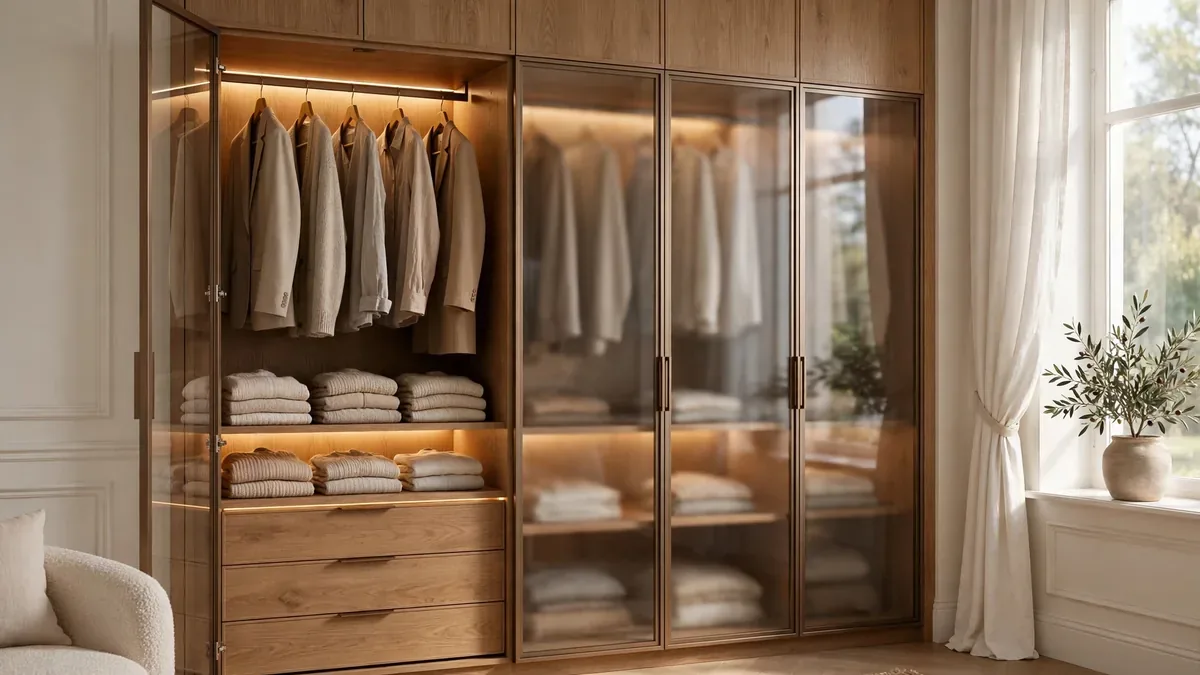
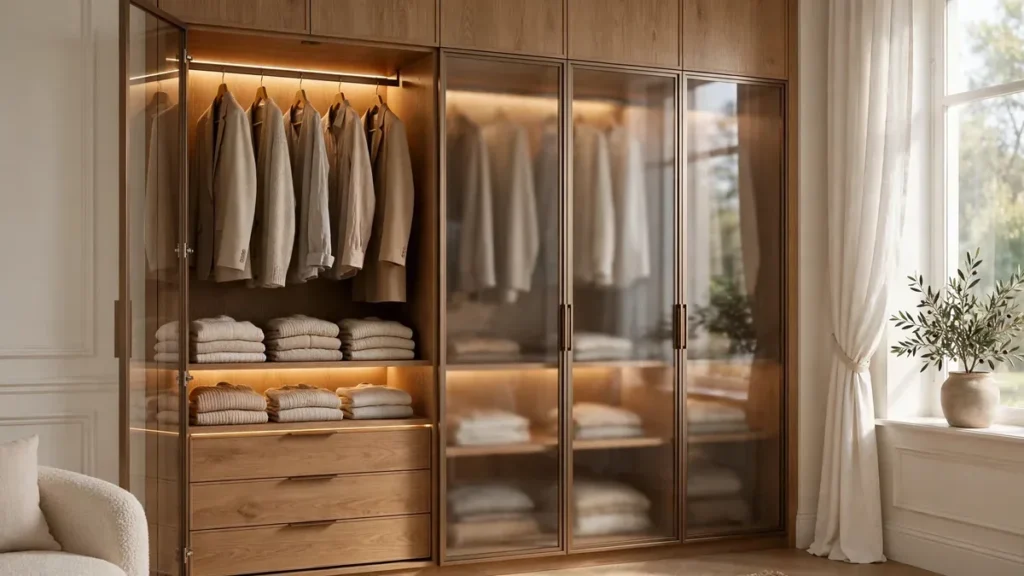
A wardrobe is the largest piece of furniture in most bedrooms, and it is the one you use every single day. It holds everything you wear, it sets the tone of the room, and when it is badly made it announces itself constantly, with doors that sag, drawers that stick, and shelves that bow under the weight of folded knitwear. The best luxury wardrobe brands understand that a wardrobe is not a box with doors. It is a piece of architecture for your clothes, built to fit the room, the way you dress, and the way you actually live.
That is why this guide looks at brands, not just products. A luxury wardrobe is almost always made to measure, which means the brand you choose decides the materials, the hinge and runner hardware, the interior fittings, and the quality of the installation. The brands below were chosen for the quality of their systems, the honesty of their materials, and their track record in real homes, not just in showrooms.
Below are nine wardrobe brands worth considering in 2027, from Italian makers of fitted and walk-in systems to a German specialist in precision engineering and an American custom closet company. Each one is described by what it does well, what to watch for, and who it suits best.
Key takeaways
- A luxury wardrobe is a made-to-measure system, not a flat-pack box: the brand decides the carcass, hardware, interior fittings, and installation quality.
- Italian brands such as Poliform, Molteni&C, and Rimadesio lead on design and walk-in systems, while German makers such as Interlübke lead on precision engineering.
- Look for solid carcasses, soft-close hinges and runners, real wood or lacquer finishes, and interior fittings designed around how you actually dress.
- Measure the room, the ceiling height, and the door swing before you order, and confirm lead times, which are often 10 to 16 weeks for custom work.
- No wardrobe brand suits every home or budget, and a fitted system is a poor choice in a rented home or a room you plan to remodel within a few years.
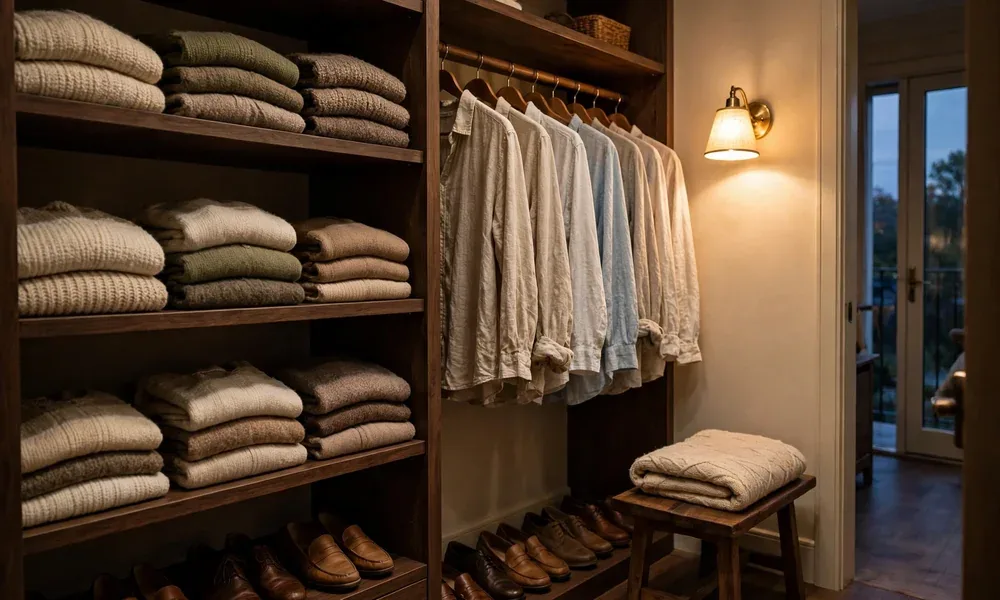
What to look for in a luxury wardrobe brand
Start with the carcass, the body of the wardrobe that everything else hangs from. In a luxury system it should be thick, stable, and properly edged, not a thin panel that flexes when a drawer is loaded. Ask what the panels are made of, how thick they are, and whether the back panel is full and fixed rather than a thin sheet tacked on. A wardrobe that feels solid on day one will still feel solid in ten years.
Look next at the hardware, because this is where cheap wardrobes fail first. Hinges should be soft-close and adjustable, drawer runners should be full-extension and rated for the weight they will carry, and sliding doors should run on a proper track with a soft-close mechanism, not a simple groove. Open and close everything in the showroom several times. A drawer that glides silently when empty and still glides when full of jumpers is doing its job. A door that needs a push to close is not.
Finally, look at the interior planning. A good brand does not sell you a fixed set of shelves. It plans the interior around your clothes: double hanging for shirts, long hanging for dresses and coats, drawers for knitwear, shallow trays for jewellery and accessories, and shoe storage that keeps pairs visible and ventilated. Our guide to how to organize a closet is a useful starting point here, because knowing what you own and how you dress is what turns a list of fittings into a wardrobe that actually works. The best brands will ask about your wardrobe before they show you a door finish.
The 9 best luxury wardrobe brands of 2027
Poliform
What we like: Elegant Italian design, a huge range of door finishes including glass, lacquer, and wood, and the Senzafine and Ubik systems, which handle fitted wardrobes and walk-in closets with equal confidence.
What to consider: Premium pricing, and lead times that stretch during busy periods. Materials: Lacquer, glass, wood, aluminium. System type: Fitted wardrobes, walk-in closets, hinged and sliding doors. Best for: A calm, architectural bedroom where the wardrobe is part of the room design.
Poliform is the benchmark other wardrobe brands are measured against: quiet, precise, with slim frames and interiors planned down to the last tray. If you want a wardrobe that looks designed with the room rather than delivered into it, this is a strong first choice.
Molteni&C
What we like: The Gliss Master system, one of the most flexible wardrobe systems available, with a wide choice of doors, handles, and interior fittings, and a long heritage in Italian furniture making.
What to consider: The range is so large that planning takes time, and prices rise quickly with glass doors and special finishes. Materials: Wood, lacquer, glass, metal. System type: Fitted wardrobes, walk-in closets, sliding and hinged doors. Best for: Large bedrooms and dressing rooms that need a fully planned system.
Molteni&C suits people who want to plan every detail. The Gliss Master system can run along a whole wall, turn a corner, or open into a walk-in dressing room, with interior fittings that are genuinely useful rather than decorative. Take your time with the design appointment.
Rimadesio
What we like: Beautiful sliding doors and glass systems, including the Cover and Zen collections, with exceptionally smooth-running tracks and a light, modern look that suits contemporary homes.
What to consider: Glass-heavy designs need regular cleaning, and the look is distinctly modern, so it suits contemporary interiors better than traditional ones. Materials: Glass, aluminium, lacquer, wood. System type: Sliding-door wardrobes, walk-in closets, room dividers. Best for: Modern homes where a wardrobe wall doubles as a design feature.
Rimadesio is the brand to look at if you love glass and light. Its sliding panels move with a smoothness cheaper systems cannot match, and a wardrobe wall in smoked or bronze glass can make a bedroom feel larger rather than heavier.
Porro
What we like: Refined, minimalist Italian design, the Storage and Boutique systems, and a restrained palette of wood, lacquer, and metal that ages gracefully.
What to consider: Understated by design, so it will not suit anyone who wants a bold or ornate wardrobe. Materials: Wood, lacquer, metal, glass. System type: Fitted wardrobes, walk-in closets, open storage systems. Best for: Minimalist bedrooms where quiet quality matters more than visible detail.
Porro is for people who notice the difference between simple and plain. Its wardrobes have almost no visible hardware, clean joints, and finishes chosen to look better with age rather than to impress on first sight. In a calm bedroom it is very hard to beat.
Lema
What we like: The Armadio al Centimetro system, which is built to the centimetre, a strong range of interior fittings, and good value relative to other Italian luxury brands.
What to consider: Less widely known than Poliform or Molteni&C, so finding a showroom can take more effort in some regions. Materials: Wood, lacquer, glass, metal. System type: Made-to-measure fitted wardrobes, walk-in closets. Best for: Awkward rooms, sloping ceilings, and alcoves that need a truly custom fit.
Lema earns its place through precision. A wardrobe built to the centimetre can fill an awkward alcove or run under a sloping ceiling without wasted space or filler panels, which is exactly where standard systems fail.
Boffi
What we like: Architectural, design-led wardrobes with a strong sense of material, including the Antibes system, and a reputation for meticulous detailing.
What to consider: Very premium pricing, and a design language that is bold rather than neutral. Materials: Wood, lacquer, metal, stone-effect finishes. System type: Fitted wardrobes, walk-in closets, dressing rooms. Best for: Design-led homes where the wardrobe is a statement piece.
Boffi approaches a wardrobe as a piece of architecture rather than a piece of furniture. The result is distinctive and beautifully made, with materials and details that feel considered rather than applied, and it suits a home that is equally confident.
Caccaro
What we like: A specialist focus on wardrobes and bedroom storage, clever interior systems, and a good balance of design and practicality at a slightly more accessible luxury price.
What to consider: A smaller international presence than the biggest Italian names, so availability varies by country. Materials: Wood, lacquer, glass, metal. System type: Fitted wardrobes, walk-in closets, hinged and sliding doors. Best for: A well-planned wardrobe where clever interiors matter as much as the exterior.
Caccaro does one thing and does it well. Because wardrobes are its focus, its interior systems are thoughtfully planned, with hanging, folding, and accessory storage in sensible proportions, at a price below the fashion-house names.
Interlübke
What we like: German precision engineering, excellent build quality, and interiors that are planned with unusual care, including lighting and accessory storage that actually works.
What to consider: A more restrained, functional aesthetic than the Italian brands, and pricing that reflects the engineering. Materials: Lacquer, wood, glass, metal. System type: Fitted wardrobes, walk-in closets, sliding doors. Best for: Anyone who values engineering and longevity above decorative detail.
Interlübke is the engineer’s choice: built to tight tolerances, doors that close with satisfying precision, and interiors planned around real use rather than showroom display. If you open your wardrobe a dozen times a day, you will notice that precision every time.
California Closets
What we like: A fully custom design service with a local designer, a wide range of finishes and fittings, and a straightforward process from measurement to installation.
What to consider: Quality can vary by local franchise and installer, so check recent work in your area before committing. Materials: Laminate, wood veneer, lacquer, glass, metal. System type: Custom fitted closets, walk-in closets, wardrobe walls. Best for: Walk-in closets and dressing rooms in the United States, where a local design service matters.
California Closets is the most accessible way into a custom wardrobe in the American market. A designer visits your home, measures the space, and plans the interior with you, which takes much of the guesswork out of the process. Ask to see recent installations and check the warranty before you sign.
Fitted, freestanding, or walk-in: which system suits your home
A fitted wardrobe is built into the room, floor to ceiling and wall to wall, with no wasted space and no gaps for dust to gather. It is the best choice for a bedroom you plan to stay in. The trade-off is permanence: it cannot move with you, and it is a poor investment in a rented home or a room you expect to remodel soon.
A freestanding wardrobe, or armoire, is the traditional alternative. The best luxury armoires are beautifully made, with solid wood, proper joinery, and interiors planned as carefully as any fitted system. They suit period homes, rented homes, and anyone who wants the option of moving the piece to another room. The compromise is space. A freestanding wardrobe cannot use every centimetre of a wall, and the top will always gather dust.
A walk-in closet is a room of its own, and it is the most luxurious option when space allows. It needs a minimum of about two metres by two metres to work well, with enough room to stand, dress, and open drawers without turning sideways. Planning matters even more here, because a walk-in closet without a clear layout quickly becomes a cluttered storeroom. If you are considering a larger project, our guide to luxury home additions can help you think through the space, the budget, and the practicalities before you commit to a bigger build.
The caveats that matter
Luxury wardrobes are made to order, which means lead times are long and changes are expensive once production starts. Most brands need 10 to 16 weeks from order to installation, and a change to a door finish or an interior layout after the order is confirmed can add weeks and cost. Measure twice, decide once, and do not rush the design appointment.
| Detail | What is known |
|---|---|
| Typical lead time | 10 to 16 weeks from confirmed order to installation for custom systems |
| Best system for most bedrooms | A fitted wardrobe, floor to ceiling and wall to wall, with no wasted space |
| Best system for rented homes | A freestanding armoire, which can move with you to the next home |
| Minimum walk-in size | About 2 by 2 metres, with room to stand, dress, and open drawers |
| What to check first | Carcass thickness, hinge and runner quality, and interior planning |
| What adds the most cost | Glass doors, special lacquer finishes, lighting, and bespoke interior fittings |
| Who should avoid fitted systems | Renters, and anyone planning a remodel within a few years |
| What it does not do | It does not organise your clothes for you; the interior must be planned around what you own |
Budget honestly, too. The headline price of a wardrobe system rarely includes everything. Lighting, mirrors, special finishes, and delivery and installation are often priced separately, and a quote that looks reasonable can grow by a third once those are added. Ask for an itemised quote that includes installation, and confirm what the warranty covers, including hinges, runners, and lighting, before you pay a deposit.
Checklist: choosing a luxury wardrobe brand honestly
Use these checks before you order, and again before installation day.
- Measure the room, the ceiling height, and the door swing, and check for radiators, sockets, and skirting that affect the fit.
- Check the carcass: thick, stable panels with a full fixed back, not a thin tacked-on sheet.
- Test the hardware in a showroom: soft-close hinges, full-extension drawers, and sliding doors that glide when loaded.
- Plan the interior around your clothes: hanging lengths, drawer space, shoe storage, and accessory trays in the right proportions.
- Get an itemised quote that includes lighting, mirrors, delivery, and installation, and confirm the warranty in writing.
- Confirm the lead time and the installation date before you pay a deposit, and allow extra time for any changes.
Frequently asked questions
How much does a luxury wardrobe cost?
It varies widely by brand, size, and finish. A single fitted wardrobe wall from a luxury Italian brand typically starts at several thousand pounds or dollars and can rise well above ten thousand for a large walk-in system with glass doors, lighting, and bespoke fittings. Always get an itemised quote, because lighting, mirrors, and installation are often priced separately.
How long does a luxury wardrobe take to arrive?
Most custom systems take 10 to 16 weeks from a confirmed order to installation. Glass doors, special finishes, and busy periods can extend that further. Plan the order around the installation date, not the other way round, and do not book decorators or flooring work that depends on the wardrobe until the date is confirmed.
Are fitted wardrobes worth it?
In a home you plan to stay in, usually yes. A fitted wardrobe uses every centimetre of a wall, adds storage without taking floor space, and reads as part of the room, which buyers notice. In a rented home, or a room you plan to remodel within a few years, a freestanding armoire is the better choice.
Which luxury wardrobe brand is best?
There is no single best brand. Poliform and Molteni&C lead on design and flexibility, Rimadesio leads on sliding glass systems, Lema leads on precise custom fits, Interlübke leads on engineering, and California Closets leads on local custom service in the United States. The right choice depends on your room, your budget, and how you dress.
Do I need a designer to plan a wardrobe?
For a fitted or walk-in system, a designer is strongly recommended, and most luxury brands include one in the service. A good designer will measure the space, ask about your clothes, and plan the interior in the right proportions. For a freestanding armoire, you can usually choose the interior layout yourself.
How do I keep a luxury wardrobe looking good?
Keep it simple: dust the tops and door frames regularly, clean glass with a proper glass cleaner, and do not overload drawers or hang heavy coats on light rails. A wardrobe that is planned well and used as intended will look good for years, and the clean lines of a well-designed bedroom, like the looks in our guide to celebrity home decor, depend as much on what is kept out of sight as on what is on show.
The bottom line
The best luxury wardrobe brands in 2027 are not the ones with the most famous names. They are the ones that build a solid carcass, fit hardware that still glides in ten years, and plan an interior around the way you actually dress. Poliform and Molteni&C are the safest all-round choices, Rimadesio is the best for modern glass systems, Lema is the best for awkward rooms, and Interlübke is the best for engineering. Choose the brand that fits your room and your habits, not the one with the glossiest showroom.
Measure carefully, plan the interior before you choose a door finish, get an itemised quote that includes installation, and allow time for the work to be done properly. A luxury wardrobe is a decade-long purchase. The extra weeks spent planning it are the cheapest part of the whole project.