Pearl Nostril Rings 2027: 9 Picks Worth Wearing
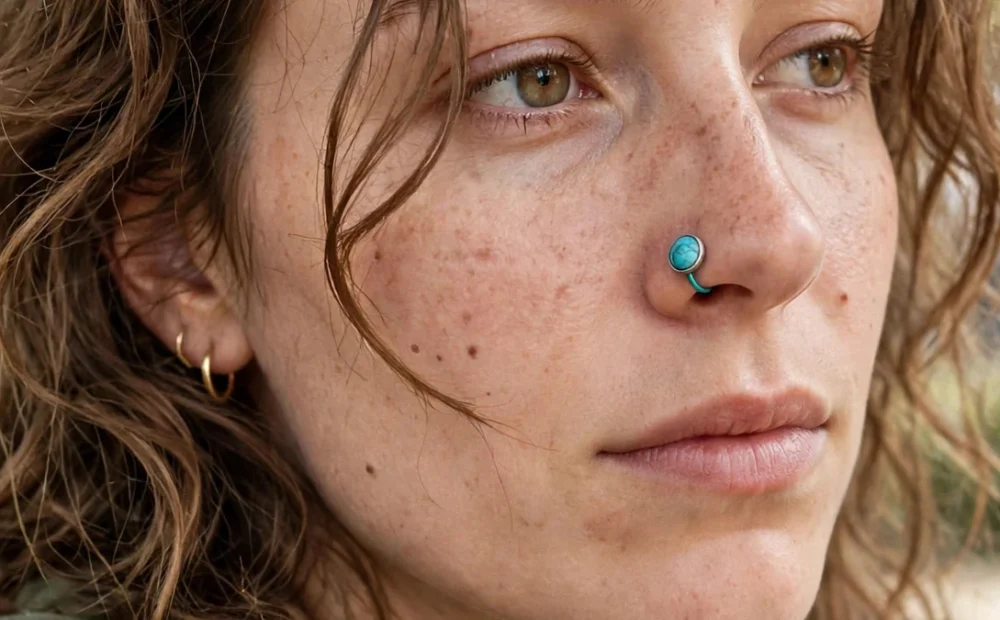
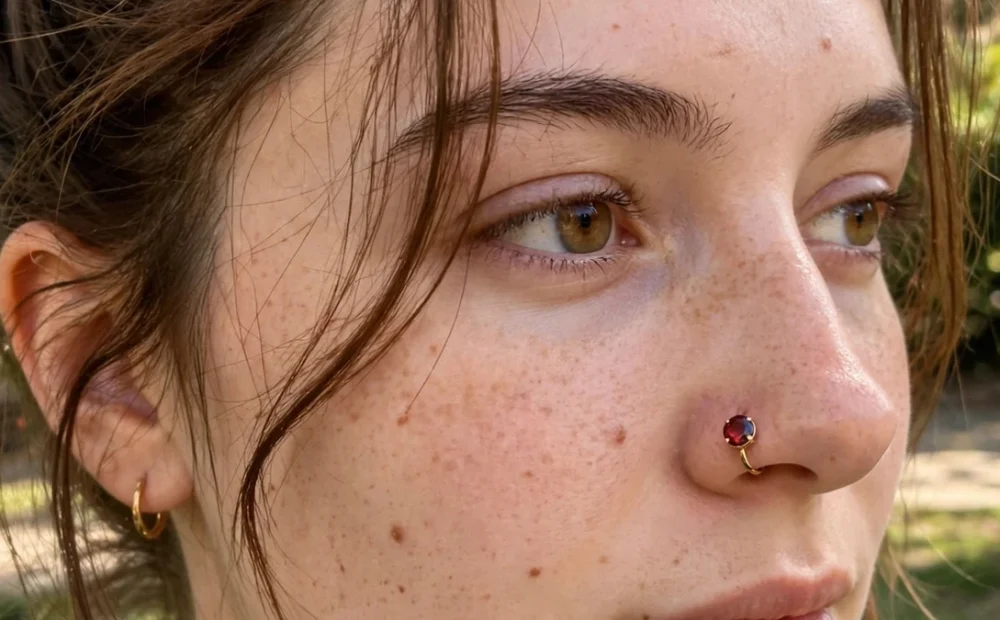
A pearl nostril ring is the quietest kind of statement jewellery. A pearl does not flash or sparkle like a diamond, and it does not change colour like an opal. It glows. On a nostril ring, that soft, milky glow sits at the centre of the face and reads as calm, polished and a little bit old-fashioned. It suits people who want their nose jewellery to look elegant rather than edgy.
The difficulty is that pearls are softer than most stones used in nose jewellery, and they are also more sensitive to chemicals. A pearl can be scratched by a harder gemstone, dulled by perfume, hairspray or strong soap, and damaged by rough handling. That is why the setting matters as much as the pearl. A good pearl nostril ring protects the pearl with a bezel or a cup setting, uses a metal that will not irritate a piercing, and sits flat against the nostril.
Below are nine pearl nostril rings worth considering in 2027, from a classic freshwater pearl stud to an Akoya pearl hoop and a South Sea pearl clicker. Each one is described by what it does well, what to watch for, and who it suits best.
Key takeaways
- Pearls are soft and sensitive to chemicals, so a bezel or cup setting protects them far better than tall prongs.
- Freshwater pearls are the most affordable, Akoya pearls have the sharpest lustre, and South Sea pearls are the largest and rarest.
- Implant-grade titanium and 14k gold are the safest metals for a healed nostril piercing; plated base metal can irritate skin.
- Choose a stud or screw for a new or sensitive piercing, and save hoops and clickers for a fully healed piercing.
- Pearls can scratch, dull and dry out, and no nostril ring suits a piercing that is still healing, irritated or infected.
What pearl nostril rings actually are
A nostril ring is jewellery worn through the side of the nose, and a pearl nostril ring simply sets a pearl in that piece. The most common styles are the stud, which sits flat with a straight or bent post; the screw, which curves inside the nostril to stay in place; the hoop, which circles the edge of the nostril; and the clicker, a hinged ring that opens and closes with a small snap. Each style wears differently, and the right one depends on how healed your piercing is.
A pearl is not a stone. It is formed inside a mollusc, layer by layer, from nacre, the same material that lines the inside of a shell. That is why a pearl has a soft, deep glow instead of a hard sparkle. The glow is called lustre, and it is the most important quality in a pearl. A good pearl reflects light sharply and evenly. A poor one looks chalky or dull. Freshwater pearls are grown in lakes and rivers, usually in white, pink or lavender. Akoya pearls are saltwater pearls, smaller and rounder, with very sharp lustre. South Sea pearls are the largest, usually white, silver or gold.
Because a pearl is relatively soft, with a hardness of around 2.5 to 4.5, it needs more care than a sapphire or a diamond. It can be scratched by harder stones, dulled by perfume and hairspray, and dried out by heat or harsh chemicals. That does not make it a bad choice. It makes it one that rewards a good setting, gentle handling, and a little patience. A well-made pearl nostril ring can be worn every day, as long as it is not treated like a piece of hard-stone jewellery.
How we chose these pearl nostril rings and what to look for
Look first at the setting. A bezel or cup setting, where a rim or a small cup of metal holds the pearl, protects it far better than tall prongs, which leave the pearl exposed and can press into it. A low, flat profile is also better than a tall, raised one, because a nostril ring that sits close to the skin is less likely to catch on clothing, towels or a face mask.
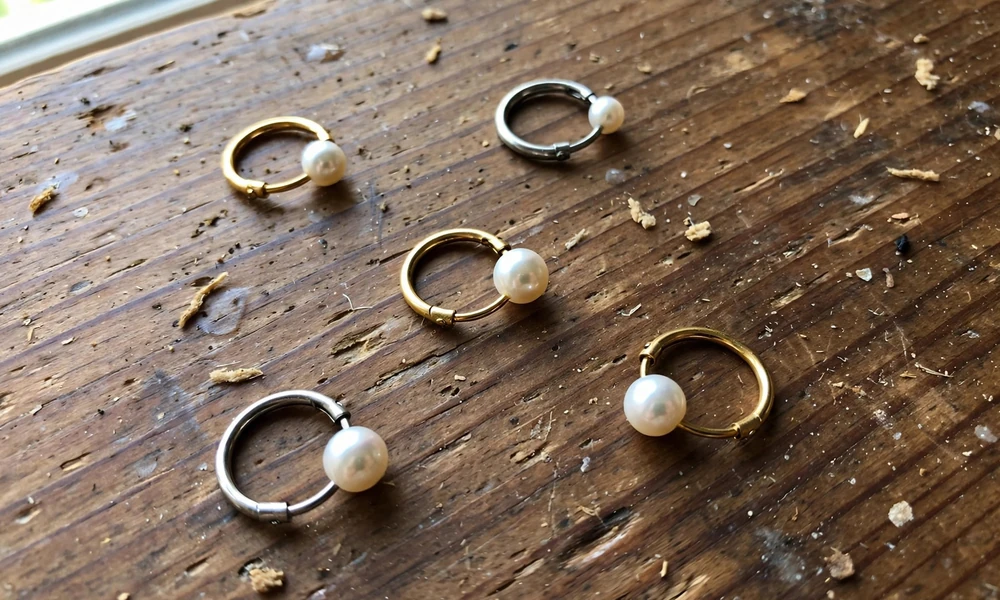
Look next at the metal. Implant-grade titanium is the safest choice for most people, because it is light, strong and very unlikely to cause a reaction. Solid 14k gold is also a good choice, and it suits pearls well, because warm gold makes a white pearl look richer and a pink pearl look softer. Avoid plated base metal, especially if your skin is sensitive, because the plating can wear away and expose the metal underneath. Our guide to gold jewellery for everyday wear explains why solid gold holds up better than plated pieces over time, and the same logic applies to a piece you wear in a piercing every day.
Finally, look at the size and the gauge. Most nostril piercings are 18 or 20 gauge, and a ring that is too thick will not fit comfortably, while one that is too thin can move around and irritate the piercing. A pearl of 2 to 3 millimetres is a good everyday size. It is visible without dominating the face, and it is small enough to sit flat.
The 9 best pearl nostril rings of 2027
The Classic Freshwater Pearl Stud
What we like: A 2.5 mm white freshwater pearl in a low cup setting, with a soft, even glow. Simple, flattering and easy to wear every day. What to consider: Freshwater pearls vary in roundness, so check the shape before buying, and the lustre is softer than an Akoya. Best for: Everyday wear and a first pearl nostril ring. Material: Freshwater pearl in implant-grade titanium. Price range: £20 to £40. Standout feature: The low cup setting that keeps the pearl protected and flat against the nostril.
The Akoya Pearl Hoop
What we like: A small seamless hoop with a 2 mm Akoya pearl, round and bright, with the sharpest lustre of any pearl on this list. What to consider: Hoops suit healed piercings only, and the pearl sits on the outside of the hoop where it can catch. Best for: Healed piercings and a brighter, more polished look. Material: Akoya pearl in 14k gold. Price range: £55 to £90. Standout feature: The sharp, mirror-like lustre that makes Akoya pearls easy to recognise.
The Baroque Pearl Clicker
What we like: A hinged clicker with a 3 mm baroque freshwater pearl, irregular in shape, which gives it character and a handmade feel. The hinge makes it easy to put in and take out. What to consider: The clicker mechanism adds a little weight, and the irregular shape is not for everyone. Best for: Healed piercings and people who like organic, imperfect shapes. Material: Baroque freshwater pearl in 14k gold. Price range: £50 to £85. Standout feature: The unusual shape, which means no two pieces look exactly alike.
The Pearl and Diamond Accent Stud
What we like: A 2 mm white pearl with a tiny diamond set beside it, which adds a hard sparkle next to the soft glow of the pearl. What to consider: Two stones mean two settings to keep clean, and the price is higher than a plain pearl stud. Best for: Special occasions and anyone who wants a little more sparkle. Material: Freshwater pearl and diamond in 14k white gold. Price range: £80 to £130. Standout feature: The contrast between the diamond’s sharp sparkle and the pearl’s soft glow.
The Bezel-Set Pearl Nostril Screw
What we like: A 2.5 mm white pearl in a full bezel on a curved screw post, which stays in place securely and protects the pearl on every side. What to consider: A screw takes a little practice to insert, and it is not ideal if you change jewellery often. Best for: Active days and anyone who has lost a stud before. Material: Freshwater pearl in implant-grade titanium. Price range: £25 to £45. Standout feature: The curved post, which holds the ring securely without a separate backing.
The Pink Pearl Stud
What we like: A 2.5 mm pink freshwater pearl with a soft, even colour, which reads as gentle and pretty rather than flashy. What to consider: The colour varies from pearl to pearl, so the shade may differ slightly from the photograph. Best for: A softer, more romantic look and warm skin tones. Material: Pink freshwater pearl in 14k rose gold. Price range: £35 to £65. Standout feature: The rose gold setting, which warms the pink of the pearl.
The South Sea Pearl Clicker
What we like: A 3 mm white South Sea pearl in a hinged clicker, large and satiny, with a deep, soft lustre that looks expensive. What to consider: South Sea pearls are the most expensive pearls here, and the larger size suits a bolder style. Best for: Evenings, bold styling and healed piercings. Material: South Sea pearl in 14k yellow gold. Price range: £110 to £180. Standout feature: The deep, satiny lustre that is hard to find in smaller pearls.
The Vintage-Style Pearl Nostril Ring
What we like: A small white pearl in a milgrain-edged setting with a fine, old-fashioned frame, which gives the ring a vintage feel without looking costume-like. What to consider: The detailed setting has more edges to clean, and the style is specific rather than neutral. Best for: Vintage styling and anyone who likes detailed jewellery. Material: Freshwater pearl in 14k yellow gold. Price range: £60 to £100. Standout feature: The milgrain edge, which adds texture and an antique look.
The Tiny Pearl Nostril Stud
What we like: A 1.5 mm white pearl in a tiny cup setting, barely there but still glowing, ideal for a subtle look or a second nostril piercing. What to consider: The pearl is small, so the glow is harder to see, and it is easy to lose if it comes out. Best for: Minimal styling, work, and a second piercing. Material: Freshwater pearl in implant-grade titanium. Price range: £18 to £30. Standout feature: The tiny size, which makes it the most discreet piece on the list.
Which pearl nostril ring is right for you
Start with your piercing. If it is less than six months old, or if it is still tender, red or weepy, stick with a simple stud in implant-grade titanium and do not change it. A hoop or clicker moves more, and that movement can irritate a piercing that is still settling. Once it is fully healed, usually after six to twelve months, hoops, clickers and screws are all fine, and the choice becomes about style.
Then think about your daily life. If you play sport, wear a face mask for work, or sleep on your side, a low-profile stud or screw is the most practical choice, because it catches on the least. If you work in a setting where jewellery needs to be subtle, a tiny stud or a pink pearl is easier to wear than a South Sea pearl clicker. Our roundup of the best nose rings for women covers the same question across all stones, and it is a useful next read if you are still deciding between pearl and a harder gemstone.
Finally, think about the pearl itself. Freshwater pearls are the best value and the best place to start. Akoya pearls have the sharpest lustre and the roundest shape. South Sea pearls are the largest and the most luxurious. Baroque pearls are the most individual.
The caveats that matter
Pearls are beautiful, but they are soft and sensitive, and that is the main caveat. They can be scratched by harder gemstones, dulled by perfume, hairspray and strong soap, and dried out by heat. Do not clean a pearl nostril ring with an ultrasonic cleaner, steam, or strong chemicals. Warm water, a drop of mild soap and a soft cloth are enough, and the ring should be dried gently rather than rubbed hard.
The other caveat is the piercing itself. No nostril ring, pearl or otherwise, belongs in a piercing that is still healing, irritated, swollen or infected. Changing jewellery too early is one of the most common causes of irritation. If a piercing is sore or producing discharge, leave the jewellery in, keep it clean with saline, and speak to a piercer or a clinician before changing anything.
| Detail | What is known |
|---|---|
| Hardness of pearl | Around 2.5 to 4.5, softer than opal, sapphire and diamond |
| Best setting | A low bezel or cup that holds the pearl and protects it |
| Safest metals | Implant-grade titanium and solid 14k gold |
| Best size for everyday wear | A pearl of 2 to 3 millimetres, in 18 or 20 gauge |
| When to wear a hoop or clicker | Only in a fully healed piercing, usually after 6 to 12 months |
| How to clean pearls | Warm water, mild soap and a soft cloth; no ultrasonic or steam cleaning |
| Who should be cautious | Anyone with a new, irritated or infected piercing, or very sensitive skin |
| What pearls do not do | They do not resist scratches, perfume and chemicals like a hard gemstone |
If you are pregnant, breastfeeding, or taking medication that affects healing, speak to your clinician before changing a piercing.
Checklist: buying a pearl nostril ring honestly
Use these checks before you buy, and again after two weeks of wear.
- Check the setting: a low bezel or cup that holds the pearl, not tall prongs that leave it exposed.
- Check the metal: implant-grade titanium or solid 14k gold, not plated base metal.
- Check the size: 18 or 20 gauge, with a pearl of 2 to 3 millimetres for everyday wear.
- Check the piercing: fully healed, calm and comfortable before you switch to a hoop or clicker.
- Check the pearl: bright and smooth, with even lustre and no dull or chalky patches.
- Check the cleaning: warm water and mild soap only, and put the ring in after perfume and hairspray.
Frequently asked questions
Can I wear a pearl nostril ring every day?
Yes, if the piercing is healed and the setting is a low bezel or cup. Pearls are soft, so they need more care than a hard stone, but a well-set pearl ring can be worn daily. Take it out for rough sport, and keep perfume and hairspray away from it.
Is a pearl safe for a new nostril piercing?
No. A new piercing needs a simple, smooth piece in implant-grade titanium, usually a flat-back labret stud, until it is fully healed. Pearls are too soft and too easily damaged for a fresh piercing, and changing jewellery early can cause irritation.
How do I clean a pearl nostril ring?
With warm water, a drop of mild soap and a soft cloth. Rinse it well and pat it dry. Do not use ultrasonic cleaners, steam cleaners, or harsh chemicals, because heat and vibration can crack or dull a pearl.
Do pearls fade or lose their lustre?
Pearls can dry out and lose some of their lustre if they are kept very dry or exposed to heat and chemicals for a long time. Wearing them regularly helps, because pearls pick up a little moisture from the skin and the air.
Which pearl is best for a nostril ring?
Freshwater pearls are the best value and the best place to start. Akoya pearls have the sharpest lustre and the roundest shape. South Sea pearls are the largest and most luxurious. For a first pearl nostril ring, a white freshwater pearl in a bezel or cup setting is the most forgiving choice. Our guide to the best pearl nose rings covers the same pearls in other styles, if you want to compare.
Can I sleep in a pearl nostril ring?
Yes, if it is a low-profile stud or screw in a healed piercing. A hoop or clicker can press against the pillow overnight, so a flat stud is the better choice for sleeping.
The bottom line
The best pearl nostril ring in 2027 is not the biggest pearl or the most expensive one. It is the one that protects the pearl with a low bezel or cup, uses a metal your skin tolerates, and fits your piercing and your daily life. For most people, that means a white freshwater pearl stud in titanium or 14k gold, with a pearl of 2 to 3 millimetres. It is bright enough to notice, soft enough to wear every day, and safe enough to keep in for months.
Choose one ring, wear it in a healed piercing, clean it gently, and judge it on how it looks in daylight. That is the honest way to enjoy pearls, without the scratches and dullness that come from treating them like a hard gemstone.