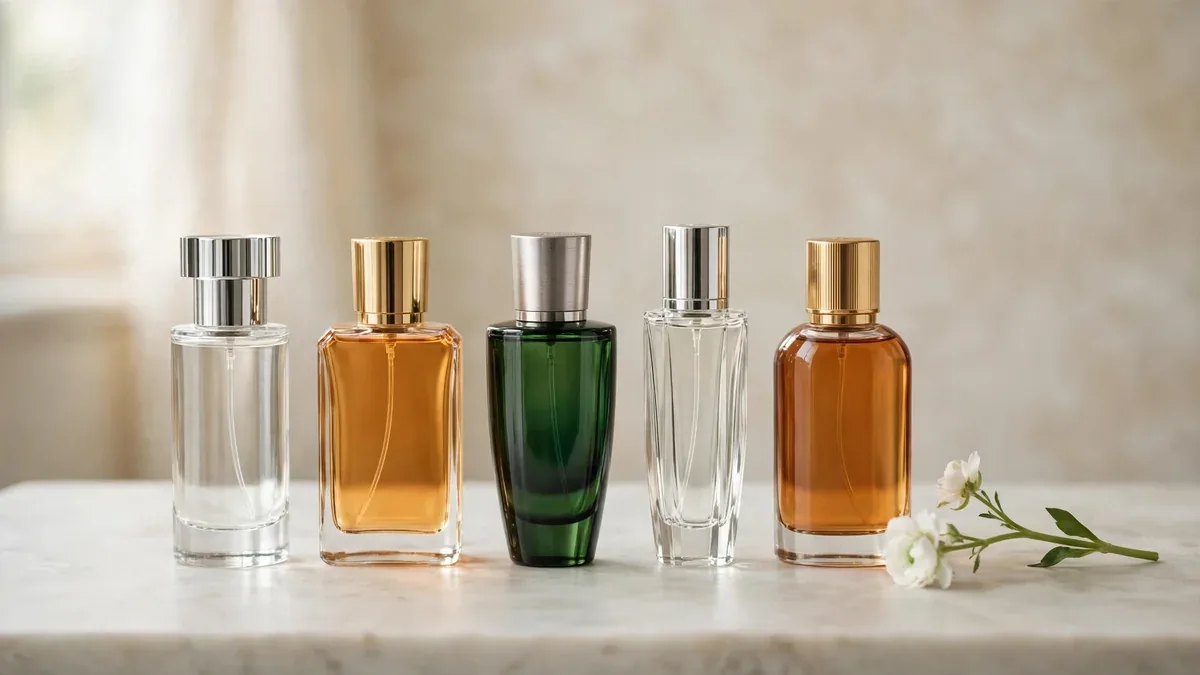
Best Perfume Brands 2027
Finding the best perfume brands in 2027 feels harder than it should. Every counter promises a signature scent, every bottle looks beautiful, and every brand claims to be the one. Yet the perfume that smells wonderful on a paper strip can turn flat, sharp, or simply wrong on your own skin an hour later.
A great perfume brand is not the one with the most famous name or the highest price. It is the one whose fragrances last from first spray to the end of the day. The houses in this guide have earned their places over decades, and in some cases centuries, by sourcing good raw materials, employing skilled perfumers, and keeping their most loved scents consistent.
This guide looks at nine houses with the strongest all-round perfume collections in 2027. We explain what each brand does best, who it suits, and what to watch out for, so you can choose without wasting money on bottles you will never finish. There is no single winner here: the right brand depends on your skin, your taste, and how you wear fragrance.
Key takeaways
- Chanel, Dior, Guerlain and Hermès lead on heritage and craft, while Tom Ford, Creed, Maison Francis Kurkdjian, Jo Malone London and Le Labo lead on modern, distinctive styles.
- Concentration matters as much as brand: eau de parfum generally outlasts eau de toilette from the same house, so check the label before comparing prices.
- Test a fragrance on your own skin for a full day before buying a full bottle — paper strips cannot show how a scent develops.
- Discovery sets and small sizes are the cheapest way to explore a luxury house without committing to a bottle.
- No brand suits everyone, and no fragrance works in every season — even celebrated houses make scents that will not suit your skin, so treat every recommendation as a starting point.
What this guide covers
This guide covers nine perfume houses with broad, well-made collections available in 2027: Chanel, Dior, Guerlain, Hermès, Tom Ford, Jo Malone London, Creed, Maison Francis Kurkdjian and Le Labo. We chose houses over single fragrances because a brand is a better investment than a bottle: find a house whose style suits you, and its other scents are usually worth exploring too.
For each brand, we look at its history, its signature style, its best-known fragrances, and who it tends to suit, along with its weak spots. Some are pricey in their lighter scents, some have ranges so large that choosing is confusing, and a few have reformulated older favourites. If your taste runs to scents that work for anyone, our roundup of the best unisex perfumes for 2027 is a good companion read once you have a shortlist of houses.
How we chose
We started with the houses that appear most consistently in published fragrance reviews and bestseller lists from editors at Vogue, Harper’s Bazaar, Elle and Allure, then narrowed the list by the depth of each collection. A house made the cut only if it offers several strong fragrances across different scent families, not just one famous bottle, because a one-hit brand cannot carry a wardrobe.
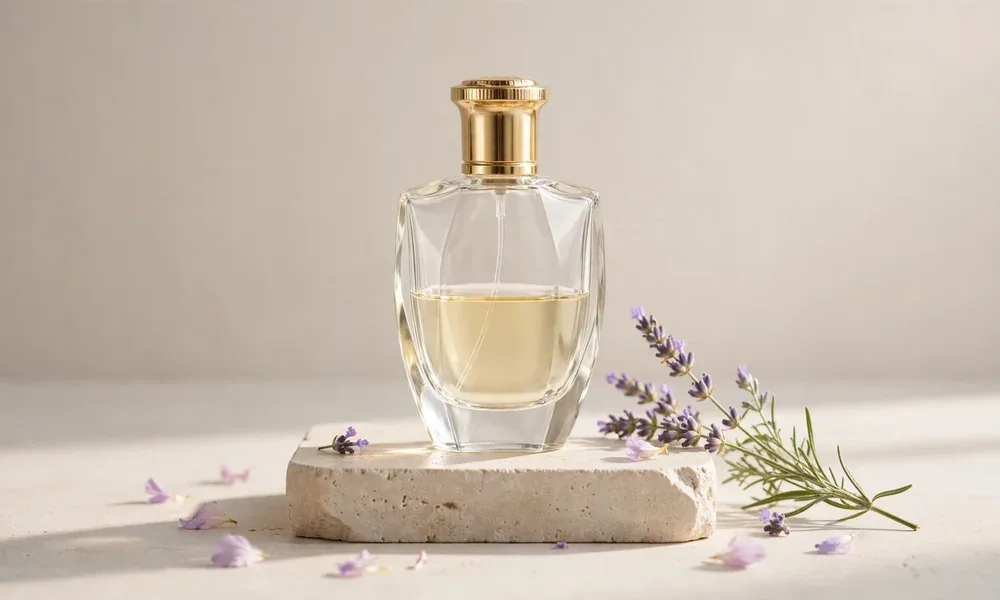
We also weighed longevity and consistency: a brand earns trust when its scents last well on skin and a bottle bought this year smells like the one bought three years ago. We judged value in context — a high price is fair when the juice, concentration and craftsmanship justify it, but not when you are paying mainly for the name.
What to look for
Before the brand-by-brand guide, it helps to know what separates a good perfume house from a merely famous one. First, the perfumers: houses that employ or commission named perfumers tend to produce more distinctive, better-structured scents. Second, look at concentration, since eau de parfum usually gives better wear for your money than eau de toilette. Third, look at the range: a house with strong options in fresh, floral, woody and warm families is more useful than one that does everything in a single style. Also note how a house treats its classics: the best brands protect heritage scents rather than quietly weakening them.
1. Chanel
Chanel has made perfume since 1921, when Chanel No. 5 changed what a women’s fragrance could be. A century later it remains the benchmark for elegant perfume, from Coco Mademoiselle, Chance and Gabrielle to the Les Exclusifs boutique collection.
What We Like: Chanel’s scents are beautifully balanced and unusually consistent. The house grows its own jasmine and rose in Grasse, giving its florals a depth that is hard to copy, and its perfumers make complex compositions smell effortless.
What to Consider: Chanel is expensive, and its most interesting scents sit in the Les Exclusifs line, which costs far more than the main range. Some find the house style a little polished if they prefer bolder scents, and the lighter Chance flankers can fade fast for the price.
2. Dior
Dior entered perfumery in 1947 with Miss Dior, and has been a powerhouse ever since. Today it covers almost every taste, from refined La Collection Privée scents to best sellers J’adore, Miss Dior and Sauvage.
What We Like: Dior’s best scents are generous and beautifully blended. J’adore remains one of the most flattering florals ever made, and La Collection Privée, including Gris Dior and Ambre Nuit, shows the house at its most sophisticated.
What to Consider: The range can confuse: Sauvage alone has several versions, and Miss Dior has been reworked more than once, so check which version you are buying. Some popular Dior scents are also so widely worn that they are instantly recognisable.
3. Guerlain
Founded in Paris in 1828, Guerlain is one of the oldest perfume houses in the world, and its archive includes Jicky, Shalimar and Mitsouko. The house is famous for vanilla and its signature Guerlinade accord, a warm blend running through many of its scents.
What We Like: Guerlain’s craftsmanship is superb, particularly in warm, powdery, vanilla-rich scents where few houses can match it. Shalimar remains a masterpiece a century on, with Aqua Allegoria as a lighter, cheaper entry point.
What to Consider: Guerlain’s style leans classic, and some famous scents can feel old-fashioned to younger wearers. The house has reformulated several heritage fragrances, and long-time wearers sometimes find current versions lighter than the ones they remember.
4. Hermès
Hermès began as a saddler in 1837 and entered perfumery in 1951, bringing the same restraint to fragrance as to leather goods. Its perfumes are known for understatement: clean, precise compositions that smell expensive without shouting. Terre d’Hermès and the Jardin collection lead the range.
What We Like: Hermès scents are among the most elegant and wearable here. They are rarely overpowering, they sit well with a polished outfit, and they age gracefully on skin. Terre d’Hermès is one of the most admired modern men’s scents.
What to Consider: Understatement cuts both ways: if you want a fragrance that makes a strong impression across a room, Hermès may feel too quiet. Some lighter Jardin scents also fade quickly, suiting people who enjoy reapplying.
5. Tom Ford
Tom Ford launched Private Blend in 2007, and it quickly became the reference point for modern luxury perfume: bold, opulent and glamorous. Tobacco Vanille, Lost Cherry and Oud Wood turned niche ideas into mainstream luxuries.
What We Like: Tom Ford’s best scents are rich, long-lasting and distinctive. Tobacco Vanille is warm and addictive, Lost Cherry is playful and memorable, and Oud Wood is a smooth, approachable way into oud. Its warm, spiced winter perfumes are among the most complimented cold-weather scents available.
What to Consider: Tom Ford is one of the priciest houses here, and some scents are very strong, so a heavy hand can overwhelm. A few popular blends have been criticised for smelling thinner in newer batches, and the style is so distinctive that its scents are easy to recognise.
6. Jo Malone London
Jo Malone London began in 1990 with a simple idea: light, clean colognes worn alone or layered together. The house made layering fashionable, and scents such as Lime Basil & Mandarin, Peony & Blush Suede and Wood Sage & Sea Salt are modern British classics.
What We Like: Jo Malone London is the easiest house here to start with. Its scents are fresh, uncomplicated and easy to wear, and layering means two bottles can create a third, personal scent. Prices are also lower than most houses here.
What to Consider: Longevity is the main weakness: most colognes are light by design and fade within a few hours, suiting people who enjoy reapplying or prefer a close, subtle scent. For all-day wear, try the Intense colognes, or a heavier house.
7. Creed
Creed claims a history back to 1760, and whatever the details, its modern reputation is real. Aventus, launched in 2010, became one of the most talked-about men’s fragrances of its decade, and its Millésime approach treats each batch as a vintage.
What We Like: Creed’s best scents have a natural, high-quality feel that is hard to mistake. Aventus is smoky, fruity and versatile, while Green Irish Tweed and Silver Mountain Water offer fresh, refined alternatives that develop beautifully over hours.
What to Consider: Creed is very expensive, and batch variation means two bottles of the same fragrance can smell slightly different. Aventus has also been widely copied, so the originality that once set it apart is harder to feel.
8. Maison Francis Kurkdjian
Francis Kurkdjian, the nose behind Jean Paul Gaultier Le Male, is one of the most respected perfumers alive, and his own house, founded in Paris in 2009, lets him work without compromise. Baccarat Rouge 540 became a cultural phenomenon, and Grand Soir and Amyris Femme are also highly regarded.
What We Like: The technical quality here is exceptional: Kurkdjian’s scents are precisely built, with clear structures and excellent longevity, and Baccarat Rouge 540 has a radiant, airy sweetness unlike anything else. Grand Soir is one of the finest amber scents available.
What to Consider: Baccarat Rouge 540 is so popular it is now instantly recognisable, and its price has risen with its fame. Some find it too sweet for everyday wear, and the house style is more polished than raw, which may not suit lovers of rougher scents.
9. Le Labo
Le Labo was founded in New York in 2006 with a different idea: fragrances mixed to order, labelled like apothecary bottles, and named by their main ingredient. Santal 33 became a defining scent of the 2010s, and the cult following has only grown.
What We Like: Le Labo’s scents feel personal and modern. Santal 33 is woody, creamy and endlessly wearable, while Another 13 and The Noir 29 offer quieter, more unusual pleasures.
What to Consider: Le Labo is expensive for relatively simple compositions, and some scents divide opinion: Santal 33 is loved by many and disliked by others, partly because it became so widely worn. Availability is also more limited than the bigger houses.
Background: how perfume houses earn their names
A perfume house is not simply a label. The great houses employ perfumers who train for years, and keep relationships with growers of jasmine, rose, lavender and citrus stretching back generations. In Grasse, houses such as Chanel and Dior own or contract fields where flowers are picked at dawn and processed within hours — and that supply chain is part of what you pay for.
The market has changed too. Niche houses grew rapidly in the 2010s, and big brands answered with exclusive lines such as Chanel’s Les Exclusifs and Dior’s La Collection Privée. Social media also made certain scents famous overnight, so heritage and hype now sit side by side.
The caveats that matter
| Caveat | What it means | How to handle it |
|---|---|---|
| Skin chemistry changes everything | The same scent can smell warm on one person, sharp on another. | Test on your own skin; never buy on a paper strip alone. |
| Reformulations happen | Ingredient rules change, and houses quietly adjust older formulas. | Test a new bottle of an old favourite before repurchasing. |
| Batch variation exists | Natural ingredients vary, and some houses vary by batch. | Buy from authorised retailers and keep your receipt. |
| Price is not proof of quality | Some costly scents are mostly packaging and marketing. | Compare longevity and development, not just the price tag. |
| Popularity can work against you | A famous scent is recognisable; you may smell like many others. | Try a house’s less famous scents for something more personal. |
| Light scents fade fast | Colognes and fresh scents often last only hours. | Choose eau de parfum for all-day wear, or carry a travel spray. |
| Counterfeits are common | Popular luxury perfumes are widely faked online. | Buy only from authorised sellers; be wary of deep discounts. |
| Season matters | Heavy ambers overwhelm in summer; light citruses vanish in winter. | Build a small rotation instead of relying on one bottle all year. |
Checklist: choosing your perfume brand
- Decide which scent families you enjoy — fresh, floral, woody, amber or gourmand — and shortlist houses strong in them.
- Order a discovery set from two or three houses before buying a full bottle, and wear each scent for a full day.
- Check the concentration and compare eau de parfum first when you want longevity.
- Test in the morning, judge in the evening: the dry-down is the scent you will live with.
- Set a budget and compare cost per millilitre, not just the headline price.
- Buy from an authorised retailer, keep the receipt, and store the bottle away from heat and light.
Frequently asked questions
Which perfume brand is best for beginners?
Jo Malone London is the friendliest start: its scents are light, easy to understand and easy to layer. Chanel and Dior are also good first houses, with widely available, generously sampled main lines. Start with a discovery set and a week of testing.
What is the most long-lasting perfume brand?
Tom Ford, Creed and Maison Francis Kurkdjian are generally strongest on longevity, thanks to rich compositions and high concentrations, and Guerlain’s warm, vanilla-based scents also last well. Still, longevity depends on the fragrance and your skin: dry skin holds scent for less time than oily skin.
Are expensive perfume brands worth the money?
Sometimes. A higher price can reflect better materials, higher concentrations and more skilled perfumery, and the houses here generally justify their prices. But price alone proves nothing: a mid-priced scent you love and wear daily beats a costly bottle that sits unused.
How do I find my signature scent?
Start with what you already like: a favourite candle, a soap, or a scent you complimented on someone else. Then test methodically — no more than two or three scents a day, on skin — and note how each develops over hours. The right signature is the one you still enjoy at day’s end.
Can I wear perfume every day, and how much should I apply?
Yes, daily wear is fine for most people, provided the scent suits the setting. Two or three sprays on pulse points — wrists and the sides of the neck — is enough for most eau de parfum scents. For scent in hair rather than on skin, our guide to the best hair perfumes and mists for 2027 covers the gentlest options.
Should I buy perfume online or in store?
Buy your first bottle of any scent in store, or order a sample first, so you can test it on your own skin. Once you know a fragrance and trust the seller, buying online from an authorised retailer is sensible and often cheaper. Avoid marketplace sellers offering steep discounts: counterfeit perfume is widespread.
The bottom line
The best perfume brands of 2027 combine craft, consistency and a clear point of view. Chanel and Guerlain offer heritage and polish; Dior and Hermès offer range and elegance; Tom Ford, Creed and Maison Francis Kurkdjian offer richness and drama; Jo Malone London and Le Labo offer modern, personal styles. No single house is right for everyone: the best brand for you is the one whose scents feel like yours.
Start with discovery sets from two or three houses here, wear them properly, and let your own skin decide. A perfume is something you will live with every day, often for years, so the hour spent testing is the best money in the whole process.
Note: Availability, prices and formulations can change, and some scents here may be reformulated during 2027. Check the current concentration and ingredients before buying, and test on your own skin first.
Meet Our Experts
Our beauty editors cover fragrance, skincare and style for BrassSmile, drawing on published reviews, brand information and years of following the industry. Fragrance coverage is reviewed by our senior beauty editor.
Why Trust BrassSmile
BrassSmile covers beauty, fashion and lifestyle with honest, practical guidance. We do not accept payment for placement, we name drawbacks as well as strengths, and we link only to our own published articles.
Sources
Brand histories and fragrance descriptions here are drawn from the brands themselves — Chanel, Dior, Guerlain, Hermès, Tom Ford, Jo Malone London, Creed, Maison Francis Kurkdjian and Le Labo — and from published coverage in Vogue, Harper’s Bazaar, Elle and Allure. All descriptions are original to BrassSmile.