



What if the secret to silky, cloud-like mashed potatoes has less to do with your butter or your technique and everything to do with the bag of potatoes you carried home? That quiet moment at the grocery store, staring at russets, reds, and golden-skinned piles, is where most mashed potato success or failure is decided. The variety you pick controls how much starch and water end up in the pot, and that ratio determines whether your mash turns out fluffy or gummy before you ever reach for the masher.
Why Potato Variety Matters More Than Your Butter
Potatoes fall into three broad groups: starchy (also called high-starch or mealy), waxy (low-starch, high-moisture), and all-purpose (medium-starch). This classification is standard in culinary teaching and university extension literature, and it explains almost everything about how a potato behaves when cooked.
Starchy potatoes have lots of starch and little moisture. Their cells swell and separate during cooking, so they crumble easily and mash into a light, airy texture. Waxy potatoes hold their shape because their cells cling together, which is wonderful in a potato salad and disastrous in a mash. All-purpose types sit in the middle, offering a compromise that works in many dishes without excelling at any single one.
Here is the practical translation: if you want fluffy mashed potatoes, you want a starchy potato. If you want creamy but slightly denser mash with a buttery flavor, an all-purpose potato will do the job. If you grab a bag of waxy new potatoes and mash them, you are signing up for a dense, gluey result no amount of warm milk can rescue.
The Classic Winner: Russet Potatoes
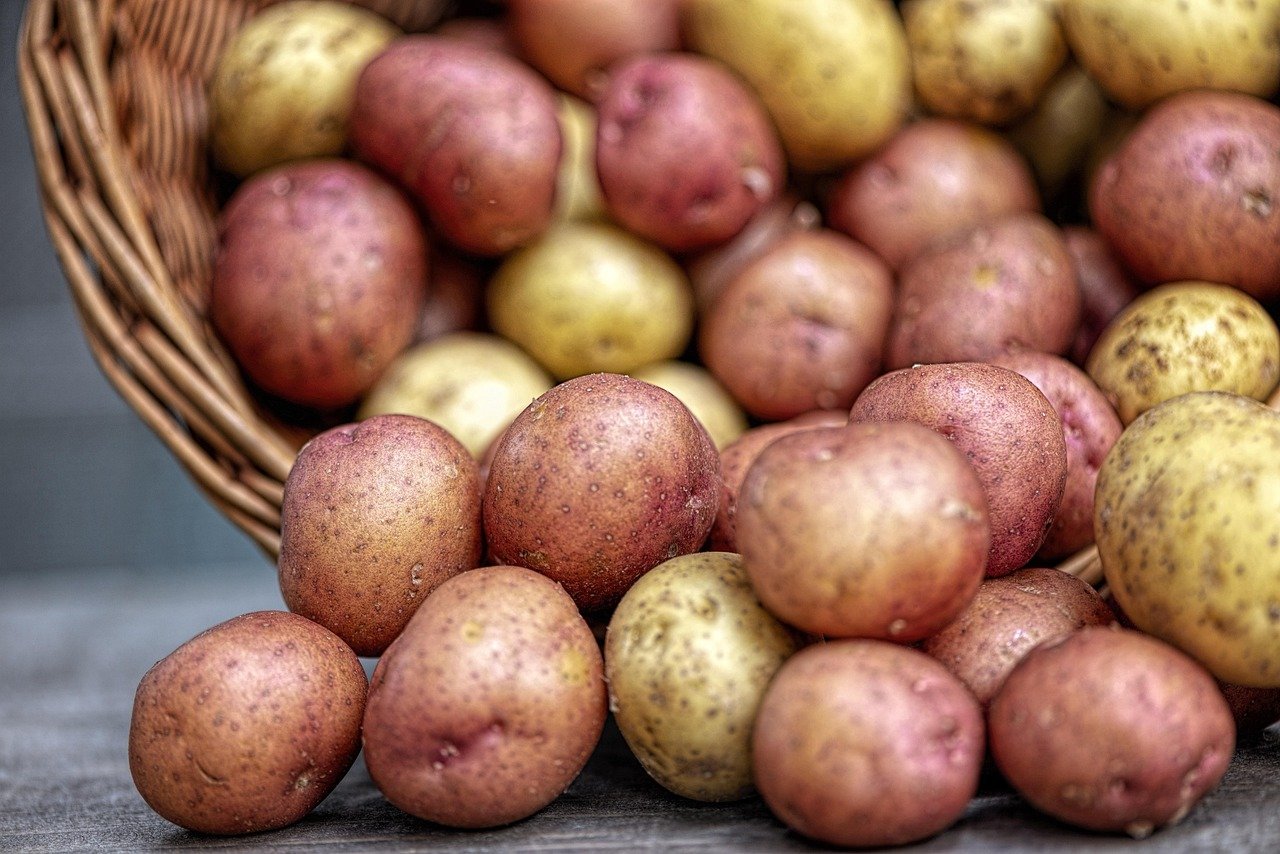
The Russet Burbank is the default answer for a reason. Russets are high-starch and low-moisture, which is exactly the profile that produces a light, fluffy mash. They are also the standard baking potato, so they are easy to find, usually inexpensive, and sold in large bags.
When you boil a russet, its cells swell and separate readily. That means it breaks down into a tender, dry crumb that absorbs butter and warm milk like a sponge, giving you a mash with real body and no gumminess. The trade-off is that russets can turn watery if you boil them in too much water or skip the drying step, and they fall apart if you try to roast them as wedges. For mashing, though, they are hard to beat.
A practical tip that separates good mash from great mash: after draining russets, return them to the hot pot over low heat for a minute or two to drive off surface moisture. Dry potatoes absorb fat better, and better absorption means a richer, fluffier mash without extra butter.
Yukon Gold: The All-Purpose Crowd-Pleaser
Yukon Gold is the most popular all-purpose potato, and for good reason. It has medium starch, a naturally buttery flavor, and a creamy yellow flesh that makes mash look rich before you have added a single thing. It mashes into a smooth, slightly denser texture than a russet, and many home cooks prefer it for that reason.
The catch is that Yukon Gold is less fluffy than a russet. If your idea of perfect mash is a cloud on the plate, russets win. If you want a mash with a bit more substance and a flavor that stands on its own, Yukon Gold is an excellent choice. It is also more forgiving than a russet if you accidentally overwork it, because its medium starch content gives it a little more structure.
A smart move for many cooks is a blend: mostly russets for fluff, a couple of Yukon Golds for flavor. This hybrid approach is common in professional kitchens and gives you the best of both worlds without much extra effort.
Waxy Potatoes: Great for Salads, Wrong for Mash
Waxy potatoes include red potatoes, fingerlings, and new potatoes. They are low in starch and high in moisture, and their cells hold together tightly when cooked. That is why they slice beautifully for potato salad and hold their shape in a roast.
In a mash, those same qualities work against you. Waxy potatoes stay dense and can turn gummy when mashed, because their cells do not separate the way starchy cells do. You end up with a texture that feels heavy and slightly sticky rather than light. If you only have waxy potatoes on hand, you can still make a decent mash by grating them rather than mashing, or by running them through a ricer, but you will never get the airy result a russet delivers.
One common mistake is assuming that “red potatoes” means a specific variety. Red potatoes are a category, and some are waxier than others. If you are unsure what you have, cut one open: waxy potatoes tend to look glossy and hold water, while starchy potatoes look dry and slightly chalky when cut.
A Quick Comparison Table
| Potato Type | Starch Level | Best For | Mash Texture | Watch Out For |
|---|---|---|---|---|
| Russet (Burbank) | High | Baking, mashing, fries | Light and fluffy | Can turn watery if overcooked |
| Yukon Gold | Medium | Mashing, roasting, gratins | Creamy and smooth | Less fluffy than russet |
| Red potatoes | Low (waxy) | Salads, roasting | Dense and sticky | Turns gummy when mashed |
| Fingerlings | Low (waxy) | Roasting, salads | Firm and waxy | Poor choice for mash |
| New potatoes | Low (waxy) | Boiling, salads | Firm and moist | Not suited to mashing |
The table tells the story in one glance: the higher the starch, the better the mash. Everything else is a trade-off between flavor, texture, and convenience.
Regional Names for the Same Idea
Terminology shifts depending on where you live, and that can confuse shoppers. In the UK and Ireland, starchy potatoes are often called floury, and varieties like Maris Piper and King Edward are the go-to mash potatoes. In the US, the same category is usually described as starchy, mealy, or high-starch, with russets as the standard example. The underlying science is identical; only the vocabulary changes.
If you are shopping outside the US, look for floury varieties and avoid anything labeled waxy, salad, or new. If you are in the US, look for russets or a bag labeled baking potatoes. When in doubt, ask the produce staff which potatoes are high in starch, and they will usually point you to the right bin.
How Cooking Method Changes the Outcome
Even the best potato can be ruined by technique. A few practical points matter more than most people realize.
First, cut potatoes into even chunks so they cook at the same rate. Uneven pieces mean some turn to mush while others stay firm, and that inconsistency shows up in the final texture.
Second, start with cold water and bring it to a gentle simmer. This is debated among cooks, but the general consensus is that cold water helps potatoes cook evenly from the outside in. Salting the water lightly seasons the potatoes from within, which is more effective than salting only at the end.
Third, do not overwork the mash. This is the single biggest cause of gluey potatoes. Mechanical damage, whether from a food processor, an electric mixer, or aggressive mashing, ruptures cells and releases starch, turning the mash pasty. A ricer or a food mill is the gentlest tool, followed by a hand masher used with a light touch. If you want to understand how texture and hair both respond to handling, the same principle of gentle treatment applies, though the science differs; the article on whether you shed more hair in summer and what the evidence says is a fun parallel on how handling affects outcomes.
Fourth, add fat and liquid warm. Cold butter and cold milk can seize the starch and make the mash stiff. Warm them gently before folding them in, and add liquid gradually so you can stop at the right consistency.
Fifth, dry the potatoes after draining. Return them to the pot over low heat for a minute to evaporate excess water. This step is easy to skip and makes a noticeable difference, especially with russets.
Common Mistakes That Ruin Good Potatoes
The most frequent error is choosing the wrong variety. A bag of waxy potatoes will never mash into a cloud, no matter how carefully you cook them. The second most common mistake is over-mashing, which turns even a perfect russet into paste. The third is adding cold dairy, which cools the potatoes too quickly and gives a lumpy, stiff result.
Another mistake is boiling potatoes in a small pot with too little water, which causes uneven cooking, or in a huge pot with too much water, which can waterlog them. Use just enough water to cover the potatoes by an inch or two.
Finally, many cooks skip the resting step. Letting the mash sit covered for a couple of minutes after mixing allows the starch and fat to settle, giving a smoother final texture. It is a small habit with a real payoff.
What About Specialty and Heirloom Varieties?
Heirloom potatoes like German Butterball, Kennebec, and Purple Majesty each bring something different. Kennebec is a starchy all-purpose potato that mashes well. German Butterball is medium-starch with a rich, buttery flavor. Purple and blue varieties can make a striking mash, though their texture varies and some are waxier than they look.
The rule of thumb holds: check the starch level, not the color. A colorful potato is not automatically a good masher. If you are experimenting, mash a small batch first to see how the texture behaves before committing a whole meal to it.
For readers who enjoy variety in their kitchen experiments, the same curiosity that leads people to sort out confusing names, like the guide on which artist named Ashe you mean and how to tell them apart, applies to potato shopping. A little clarity about labels saves a lot of frustration.
Practical Shopping and Storage Tips
Buy potatoes that are firm, smooth, and free of green patches or sprouts. Green skin indicates exposure to light and should be cut away or the potato discarded. Store potatoes in a cool, dark, well-ventilated place, but not in the refrigerator, where the starch converts to sugar and the flavor turns oddly sweet.
Do not wash potatoes until you are ready to cook them. Moisture encourages spoilage. And if you buy a large bag, sort through it when you get home and remove any soft or damaged potatoes so they do not spoil the rest.
For anyone dealing with textured or coily hair, the article on 4c hair is a reminder that matching the right product to the right material matters, just as matching the right potato to the right dish does.
Conclusion
The best potatoes for mashed potatoes are starchy ones, and the russet is the most reliable choice for a light, fluffy result. Yukon Gold is the best all-purpose compromise, offering creamy texture and buttery flavor with slightly less fluff. Waxy potatoes, including reds, fingerlings, and new potatoes, belong in salads and roasts, not in your mash.
Technique matters just as much as variety. Cook evenly, dry the potatoes after draining, warm your dairy, and handle the mash gently. Get those basics right, and even a simple batch of russets will taste like something from a restaurant kitchen. The next time you stand in the produce aisle, you will know exactly which bag to reach for.
Frequently Asked Questions
Are russet potatoes really the best for mashed potatoes?
Yes, for most people. Russets are high-starch and low-moisture, which produces the lightest, fluffiest mash. They are widely available and inexpensive, making them the practical default. The main caveat is that they can turn watery if overcooked or under-dried, so drain them well and let them steam dry before mashing.
Can I use Yukon Gold instead of russet for mash?
Absolutely. Yukon Gold is a medium-starch all-purpose potato with a naturally buttery flavor and creamy texture. It will not be quite as fluffy as a russet, but many cooks prefer its richer taste. A blend of russets and Yukon Golds is a popular way to get both fluff and flavor.
Why did my mashed potatoes turn out gluey?
Gluey mash almost always comes from overworking the potatoes or using a waxy variety. A food processor or electric mixer ruptures cells and releases starch, creating a pasty texture. Use a ricer or hand masher, work gently, and choose a starchy potato to avoid the problem entirely.
Are red potatoes good for mashed potatoes?
Not really. Red potatoes are waxy, meaning they are low in starch and high in moisture. They hold their shape well, which is great for salads and roasting, but they mash into a dense, sticky texture. If reds are all you have, grate them rather than mashing for a better result.
Should I peel potatoes before mashing?
It depends on your preference. Peeling gives a smoother, more uniform mash, while leaving the skin on adds texture and nutrients. If you leave the skin on, scrub the potatoes well and choose thin-skinned varieties. For a classic fluffy mash, peeling russets is the more traditional route.
How do I keep mashed potatoes from getting watery?
Drain the potatoes thoroughly, then return them to the hot pot over low heat for a minute or two to evaporate surface moisture. Add warm dairy gradually rather than all at once, and avoid boiling in excessive water. Dry potatoes absorb butter and milk better, giving a richer, fluffier result.














