

What if the fastest way to make a grimy patio look new again was choosing the right machine, not scrubbing harder? That is exactly what a good power washer does. The catch is that the market is crowded, and the labels lie a little. A high PSI number looks impressive on a box, but testers who spend months spraying real surfaces keep finding that pressure alone does not decide which machine cleans best.
This roundup cuts straight to named options. Each pick below has a clear job it does well, a real weakness, and a reason to choose it over the rest. No vague advice about “considering your needs” first, just the shortlist, then a short guide to picking between them.
Quick Comparison of the Top Power Washer Picks
| Model | Power Source | Best For | Standout Strength | Main Limitation |
|---|---|---|---|---|
| Ego Power+ 3200 PSI | Battery | Off-grid and large jobs | No cord, no gas, strong cleaning units | Heavy and far more machine than most homes need |
| DeWalt DWPW2100 | Corded electric | All-round home cleaning | Top ease-of-use and value scores | Modest 1.2 GPM flow |
| Westinghouse WPX3400 | Gas | Big, stubborn outdoor surfaces | Highest-rated gas model in recent testing | Noise, fuel, and maintenance |
| SunJoe SPX3000 | Corded electric | Switching between many tasks | Flexibility across surfaces | Not built for the toughest grime |
| Stihl RE 100 Plus Control | Corded electric | Tight storage and stubborn jobs | 150-bar max in a compact body | Fewer frills than bigger units |
| Kärcher line | Corded electric | Brand confidence and support | World’s best-selling brand, long track record | Model range is confusing to sort through |
| Worx 1,700 PSI | Corded electric | Light, quick tidy-ups | Just 16 pounds | Low power for deep cleaning |
Ego Power+ 3200 PSI: Best for Buyers Who Want Cordless Freedom
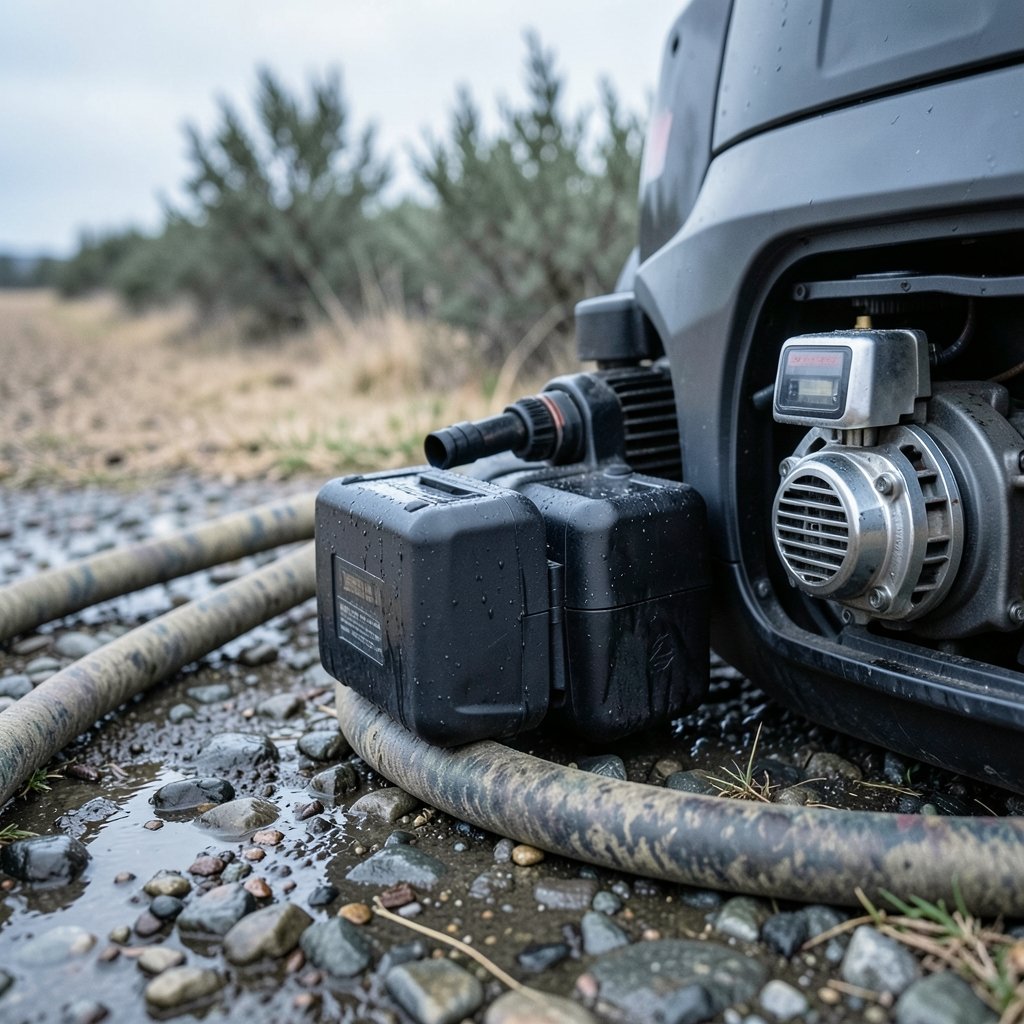
The Ego Power+ is the pick for anyone who has ever dragged an extension cord across wet grass and regretted it. It runs on two 56V batteries and pushes 3,200 PSI at 1.2 GPM, with a draggable frame, a 25-foot hose, and a nozzle set covering 0, 15, 25, and 40 degrees plus turbo and rinse. In hands-on testing it earned strong marks for performance and noise.
The honest downside: it is way more pressure washer than most people will ever need. If the job list is a car, some patio furniture, and a walkway, a corded electric model will cost less and weigh less. The Ego earns its place when outlets are far away or the cleaning happens somewhere power does not reach.
DeWalt DWPW2100: Best Corded Electric All-Rounder
Not every winner needs huge numbers. The DeWalt DWPW2100 runs 2,100 PSI at 1.2 GPM through an axial pump, with four nozzles (turbo, 15-degree, 40-degree, and soap). In comparative testing it scored a perfect 5 out of 5 for ease of use, performance, portability, and value, which is a rare sweep.
What it does well is the everyday stuff: windows, car exteriors, siding, and moderately dirty concrete. The limitation is flow. At 1.2 GPM it will not blast decades of grime off a large driveway the way a gas unit will. Buyers who want one machine for routine housekeeping rather than heavy restoration should start here. If the job list is still fuzzy, it helps to map out the cleaning jobs first and pick the washer around them, the same way you would pick the best pressure washer for your actual cleaning jobs instead of buying on spec alone.
Westinghouse WPX3400: Best Gas Power Washer for Heavy Cleaning
Gas still wins on raw muscle, and the WPX3400 has the strongest recent pedigree of any gas model in this list. It delivers 3,400 PSI at 2.5 GPM with an axial pump and five quick-connect nozzles plus a soap applicator. Consumer Reports’ most recent rankings put it at the top of the gas category, ahead of better-known names like Ryobi and Echo.
The trade-offs are the usual gas ones: noise, fuel, oil, winter storage, and a heavier frame. It also costs more to run than electric. For a pool deck, a long driveway, or tall exterior walls, though, the extra flow pays for itself in hours saved. The same logic applies to other outdoor power gear, where battery and gas platforms compete on very different terms, much like the shifting lineup of Power Wheels brands and who actually makes ride toys today.
SunJoe SPX3000: Best for Juggling Multiple Cleaning Tasks
The SPX3000 has stayed on recommended lists for years because it adapts. Testers highlight it for people who need one washer for several jobs, from deck boards to patio slabs to the car, and its dual detergent tanks make switching between cleaners easy. It is a sensible middle-tier electric machine rather than a specialist.
The limitation is ceiling. It cleans well within its range but will not match gas units on large, stained concrete. Buyers with a long job list and a normal outlet should still put it near the top of the shortlist.
Stihl RE 100 Plus Control: Best for Small Storage and Stubborn Jobs
Some buyers have a shed the size of a closet. The Stihl RE 100 Plus Control answers that problem with a 150-bar maximum setting in a compact body, paired with a rotating spray for wider coverage. Reviewers note it blends power and small-footprint storage better than most rivals, so it suits people who want to spend as little time cleaning as possible without giving up the ability to tackle tough spots.
The catch is that a compact machine has compact limits. Accessories and hose length are modest, and the price per bar is not the lowest. It is a strong fit for townhouses, flats with balconies, and anyone tired of tripping over a bulky unit.
Kärcher: Best Brand Track Record
Kärcher claims the title of world’s best-selling pressure washer brand, verified by Guinness World Records, and its machines have cleaned landmarks including Mount Rushmore and the Space Needle. The company has been family-owned for more than 90 years and employs hundreds of engineers in Germany.
That history matters when parts, accessories, and service are on the line. The limitation is the range itself: Kärcher sells so many models that buyers can easily overpay for features they will never use. Shoppers should match the model to the job, not to the badge. A brand’s reputation for reliability is worth real money, but it is not a substitute for the right PSI and flow rate.
Worx 1,700 PSI Electric: Best Lightweight Budget Option
At just 16 pounds, the Worx 1,700 PSI is the machine for people who want a quick rinse and nothing more. It is light enough to carry one-handed, compact enough to store on a shelf, and priced at the budget end of the market.
The limitation is obvious: 1,700 PSI will not restore a stained driveway. It handles car rinses, patio furniture, bikes, and garden tools. Buyers who expect more will be disappointed, and buyers who expect exactly that will be delighted.
How to Choose Between These Power Washers
Ignore the biggest number on the box for a moment. The testers who compare machines side by side keep finding that PSI is not everything. Cleaning units, the product of pressure and flow rate, tell a more honest story. A 2,100 PSI machine at 1.2 GPM cleans less aggressively than a 3,200 PSI unit at 2.5 GPM, even though the gap in pressure looks modest.
Here is the practical order of decisions:
- Match power source to location. No outdoor outlet? Battery or gas. Long hose runs from a garage? Corded electric is fine.
- Estimate the surface area. Small patios and cars suit electric units in the 1,700 to 2,300 PSI range. Long driveways and pool decks justify gas.
- Check the flow rate. Anything around 1.2 GPM is a light-duty machine. Gas units near 2.5 GPM cut cleaning time sharply.
- Count the nozzles. A turbo nozzle and a soap applicator cover most home jobs. Zero-degree tips demand care and can damage wood and car paint.
- Plan for storage and noise. Gas units need fuel, oil changes, and a ventilated space. Battery units need charging discipline.
A common mistake is buying a high-PSI machine for delicate work. Wood decks, car paint, and window seals all suffer under concentrated pressure. Another mistake is underestimating hose length: a 20-foot hose on a big driveway means moving the machine constantly. Buyers should also budget for accessories, since surface cleaners and foam cannons often cost extra. The same pattern of matching the tool to the task shows up in plenty of buying decisions, whether the subject is cleaning equipment or how 80s fashion power dressing and neon aerobics rewrote the rules of everyday style: the boldest option is rarely the right one for every occasion.
Conclusion
The best power washer is the one that matches the mess in front of you. For most homes, a corded electric model like the DeWalt DWPW2100 or SunJoe SPX3000 covers the routine work at a fair price. For big, stubborn outdoor surfaces, the Westinghouse WPX3400 brings the flow that gas buyers pay for. For freedom from cords, the Ego Power+ 3200 PSI stands alone at the top of its class. Pick the job first, then the machine, and the cleaning will take care of itself.
Frequently Asked Questions
What PSI do I need for a home power washer?
Most home jobs, including cars, furniture, siding, and small patios, work well between 1,700 and 2,300 PSI with a flow rate near 1.2 GPM. Driveways, pool decks, and large concrete areas benefit from 3,000 PSI or more, usually with a gas unit running around 2.5 GPM.
Is gas or electric better for a power washer?
Gas delivers more pressure and flow, which shortens big cleaning jobs, but it brings noise, fuel, maintenance, and weight. Electric is quieter, lighter, and cheaper to run, and corded models handle routine home cleaning well. Battery models suit buyers with no outdoor outlet.
Can a power washer damage a car or a wood deck?
Yes. Concentrated zero-degree nozzles and high pressure can strip paint, gouge wood, and force water past seals. Use wider nozzles, keep the wand moving, and hold it further from delicate surfaces. A car wash setting or a 40-degree tip is the safer choice for paint.
How many cleaning units does a good pressure washer have?
Cleaning units multiply PSI by GPM. A 3,200 PSI unit at 1.2 GPM produces 3,840 cleaning units, while a 3,400 PSI gas model at 2.5 GPM produces 8,500. Higher cleaning units mean faster work on tough surfaces, which is why flow rate deserves as much attention as pressure.
Do I need a turbo nozzle?
A turbo nozzle focuses the spray into a rotating point that cuts through grime faster than a standard tip, which makes it useful on concrete and brick. It is too aggressive for wood, car paint, and window frames. Most buyers use it selectively rather than as the default.
How long do power washers last?
Longevity depends on the pump type and care. Axial pumps, common on budget and mid-range electric units, generally have shorter lives than the pumps on higher-end machines. Flushing the system, storing it indoors through winter, and avoiding running the pump without water all extend service life.











