


What if the most useful screen you own this year isn’t the one in your pocket, but the one strapped to your wrist? Smartwatches have quietly become the accessory people actually wear every day, and the market now splits cleanly along one line: the phone in your pocket. Pick a watch that matches it, and everything just works. Pick wrong, and you’ll spend months fighting notifications that won’t sync and health data that won’t transfer. (Pick best budget smartphone without overpaying)
That’s why the shortlist below is organized around real, named models rather than vague advice. Each pick suits a specific kind of buyer, and each has at least one honest drawback worth knowing before you spend money.
Quick Comparison: The Best Smartphone Watches at a Glance
| Watch | Best for | Standout strength | Main limitation |
|---|---|---|---|
| Apple Watch Series 12 | iPhone owners who want it all | Improved sensors, very fast charging | Thicker display bezels |
| Apple Watch Ultra 4 | Rugged outdoor use on iPhone | Toughest Apple build | Bulk and price |
| Samsung Galaxy Watch 9 | Galaxy phone owners | Slim, light, full Wear OS app access | Best features locked to Galaxy phones |
| Google Pixel Watch 5 | Android users who want Google services | Strong AI health tooling, 45 to 50 hours battery | Some headline health features not yet live |
| OnePlus Watch 4 | Battery-first Android buyers | Up to 5 days smart mode, titanium case | Android only, not iPhone |
| Huawei watch | People who may switch phone brands | Works across ecosystems | Fewer deep ecosystem tricks |
Apple Watch Series 12: The Default Choice for iPhone Owners
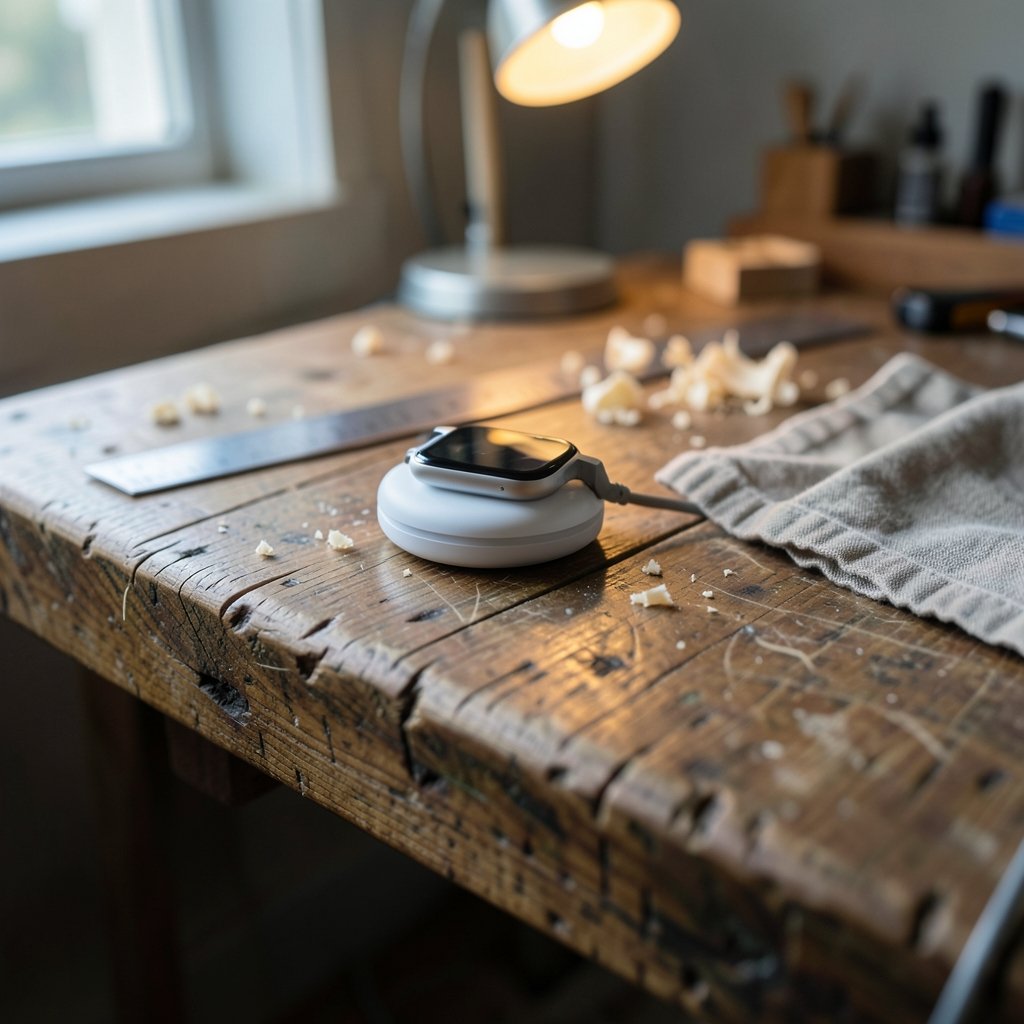
If someone owns an iPhone, the honest answer is usually an Apple Watch, and the Series 12 is the mainstream pick. Reviewers describe it as slim, light and comfortable, with improved sensors and better step tracking than earlier models, plus very fast charging that makes a quick top-up while you get ready genuinely practical.
Who it suits: iPhone users who want the smoothest possible pairing, strong health features and seamless integration with the phone they already carry.
What it does well: The integration is the point. Notifications, health data and app access all behave the way you’d expect, and the health toolkit is broad enough that some models have even played a role in saving lives, according to reporting on the category.
The real limitation: Battery life. The Apple Watch is widely described as a one-day watch, and sleep tracking has been called limited compared with rivals. If you want to wear something to bed every night without planning charge windows, this is the trade-off you accept.
Practical tip: Fast charging changes the routine more than the spec sheet suggests. A short charge during a shower covers most of a day, but only if you actually build the habit. People who forget end up with a dead watch by evening.
Apple Watch Ultra 4: For Buyers Who Need a Tougher Build
The Ultra line exists for people who treat a watch as gear rather than jewelry. It’s the rugged Apple option, and reviewers who test across the category consistently flag it as the pick for outdoor use.
Who it suits: Hikers, runners, divers and anyone whose watch takes knocks. It’s also the choice for iPhone owners who simply prefer a bigger, more substantial case.
What it does well: It keeps everything the standard Apple Watch offers while adding durability. If your watch regularly meets rocks, saltwater or cold mornings, this is the version built for that life.
The real limitation: Size and cost. It’s a large watch on smaller wrists, and it’s the most expensive route into the Apple ecosystem. Buyers who mostly want notifications and step counts are paying for toughness they’ll never test.
Common mistake: Assuming “rugged” means “better battery.” Check the official product page for the current battery claim before you buy, because that’s the number that affects daily life most.
Samsung Galaxy Watch 9: The Natural Pick for Galaxy Phones
For anyone carrying a Galaxy phone, the Galaxy Watch 9 is the first sensible stop. Reviewers call it Samsung’s best mainstream smartwatch and the natural choice for Galaxy owners, and the spec sheet backs up the everyday experience: a slim, lightweight build, Wear OS with access to Google Play apps, Google Wallet, maps and music controls, plus Samsung Health on the wrist.
Who it suits: Galaxy phone owners who want a light watch with a huge app library and familiar Samsung health tracking.
What it does well: The combination of Wear OS and Samsung’s own health platform is genuinely broad. You get third-party apps and a well-developed fitness side without choosing between them.
The real limitation: The best experience is reserved for Samsung phones. Pair it with another Android brand and some features thin out; pair it with an iPhone and you’re in the wrong ecosystem entirely.
Practical tip: Try the case size on your wrist before ordering. A slim watch that’s too large still catches on sleeves and feels heavy by evening. Sizing matters more than most spec comparisons admit.
Google Pixel Watch 5: The Android All-Rounder With Real Battery Gains
The Pixel Watch 5 is where Google’s watch line gets interesting for people who live inside Google’s apps. Reviewers describe its AI health tooling as the most capable they’ve tested on any wearable, working alongside existing metrics for heart rate, SpO2, stress, sleep and steps. (Best anime movies watch first ranked by they do best)
Who it suits: Android users who rely on Google services and want Fitbit-style health monitoring in a clean package.
What it does well: Battery life has moved forward meaningfully. The 45mm model delivers roughly 45 to 50 hours per charge, which reviewers note is enough to wear overnight and top up in the morning while getting ready. That’s a real shift for anyone who abandoned sleep tracking over charging anxiety.
The real limitation: Feature timing. Several headline health features Google promoted ahead of launch were not yet live in the UK at review time, with sleep breathing quality marked as coming soon. If a specific feature is the reason you’re buying, confirm it’s available in your region first.
Common mistake: Buying for a promised feature. Check what works on day one, not what’s on the roadmap.
OnePlus Watch 4: The Battery Champion for Android
The OnePlus Watch 4 is the pick for people who resent charging a watch every night. It pairs a full titanium case weighing 43g with IP68, IP69, 5ATM and MIL-STD-810H protection, and it runs Wear OS 6 with the Play Store, Google Wallet, Maps and Gemini on board.
Who it suits: Android users who want multi-day battery, a durable case and real app support without paying flagship prices.
What it does well: Endurance. Reviewers list up to 5 days in smart mode and up to 16 days in power-saving mode, alongside more than 100 sport modes and a wellness check that runs in 60 seconds. That combination of battery and capability is rare.
The real limitation: It’s compatible with Android but not iPhone. There’s also a learning curve around which battery mode you’re in, and power-saving strips out the smart features that make the watch worth wearing.
Practical tip: If you want the five-day figure, leave the always-on display off and resist installing every app you own. Battery claims assume a certain usage pattern, and heavy notification use pulls the number down.
Huawei Watches: The Safe Bet When the Phone Might Change
Not everyone stays loyal to a phone brand. If the person wearing the watch might switch between iPhone and Android in the next year or two, the safest picks are watches from Garmin or Huawei, which reviewers recommend precisely because they aren’t locked to one ecosystem.
Who it suits: Gift buyers who aren’t sure which phone the recipient uses, and people who upgrade phones more often than watches.
What it does well: Cross-ecosystem flexibility. You get health tracking and notifications without a hard commitment to Apple or Google.
The real limitation: You trade some deep integration. The cleverest features on ecosystem-specific watches, like tight app handoff or exclusive health tools, are exactly what you give up.
Gift-buying tip: This is the single most common mistake in the category. Check the recipient’s phone before buying anything. An Apple Watch only works with an iPhone, while Samsung and Google watches are built for Android. Getting this backwards turns a generous gift into a return.
How to Choose Without Overpaying
Start with the phone, not the watch. That one decision eliminates most of the list immediately.
- Identify the phone. iPhone means Apple Watch. Android means Samsung, Google, OnePlus or Huawei, depending on brand and budget.
- Decide how often you’ll charge. If nightly charging is fine, the field is wide open. If not, prioritize the models reviewers praise for endurance, like the OnePlus Watch 4 or the Pixel Watch 5’s 45 to 50 hours.
- Check the health features you’ll actually use. ECG, SpO2 and sleep analysis appear on many models now, but availability varies by region. Confirm before buying.
- Try the case size. A 41mm and a 45mm case feel completely different after eight hours.
- Verify water resistance. IP68 and 5ATM ratings appear across this list, but check the official page for the exact claim on the model you want.
If you’re also weighing a phone upgrade alongside the watch, it’s worth reading up on how to pick the best budget smartphone without overpaying, since the phone decides which watches even work for you. And if the watch is a gift, treat the phone check as step one, the same way you’d check sizes before buying fashion nova costumes you actually get to watch arrive.
Conclusion
The best smartphone watch isn’t a single model; it’s the one that matches the phone already in your pocket. For iPhone owners, the Apple Watch Series 12 covers nearly everyone, with the Ultra 4 for buyers who need toughness. Galaxy owners should start with the Galaxy Watch 9, Android users who want Google’s health smarts get a strong case in the Pixel Watch 5, and battery-first buyers have a clear winner in the OnePlus Watch 4. Huawei fills the gap for anyone whose phone brand might change.
Check the phone, check the battery habit, check the case size, and confirm the health features work where you live. Do those four things and you’ll avoid the mistakes that send most watches back.
Frequently Asked Questions
Which smartwatch works with both iPhone and Android?
Very few work fully with both. Apple Watch only works with iPhone, while Samsung and Google watches are built for Android. Watches from Garmin or Huawei are the safer cross-ecosystem choice if you’re unsure which phone someone uses.
Is the Apple Watch still the best pick for iPhone owners?
For most iPhone owners, yes. Reviewers describe it as a brilliant smartwatch in its own right, with seamless iPhone integration and excellent health features. The main trade-off is one-day battery life and limited sleep tracking.
How long does the Google Pixel Watch 5 battery last?
The 45mm model delivers around 45 to 50 hours per charge. Reviewers note that wearing it overnight and topping it up in the morning covers a full day and beyond comfortably.
Can the OnePlus Watch 4 work with an iPhone?
No. The OnePlus Watch 4 is compatible with Android but not iPhone. It offers up to 5 days in smart mode and up to 16 days in power-saving mode, plus a titanium case with IP68, IP69, 5ATM and MIL-STD-810H protection.
What should I check before buying a smartwatch as a gift?
Check the recipient’s phone first. An Apple Watch only pairs with an iPhone, and Samsung and Google watches are made for Android. If you’re unsure or think they may switch brands soon, Garmin or Huawei watches are the safest bet.
Do all these watches track sleep and heart rate?
Most modern smartwatches cover heart rate, SpO2, stress, sleep and steps, but the depth varies. Some Pixel Watch 5 health features were marked as coming soon in the UK at review time, so confirm the specific features you want are live in your region.











