


Which phone would you actually hand your money to if a salesperson stopped talking and a spec sheet stopped glowing? The best-of lists for 2025 landed with a clear message: the Apple-Samsung duopoly is no longer a safe assumption. Chinese flagships from OnePlus, OPPO, Xiaomi, and Vivo showed up in Europe soon after their China launches and started winning categories that used to be automatic. Below is a shortlist of named phones, each with who it suits, what it nails, and where it stumbles.
The Shortlist at a Glance
| Phone | Best for | Standout strength | Main limitation |
|---|---|---|---|
| Apple iPhone 17 | Most people upgrading | Big screen and storage gains at the same price | Not the camera king |
| OPPO Find X9 Pro | Photo and video lovers | 200MP Hasselblad telephoto, 7,500mAh battery | Charging speed trails rivals |
| Samsung Galaxy S25 Ultra | Long-term Android users | Seven years of updates, 200MP main camera | Priciest way into Android |
| Google Pixel 10 Pro XL | Software-first buyers | On-device AI, seven years of support | Tensor chip is not a gaming monster |
| OnePlus 15 | Heavy users and gamers | 7,300mAh battery, 165Hz screen, huge cooling | Software polish divides opinion |
| Xiaomi 17 Pro Max | Big-screen fans | Giant display in a refined body | Size is the whole point |
| Samsung Galaxy Z Fold7 | Foldable converts | Tablet and phone in one | Foldable durability trade-offs |
| CMF Phone 2 Pro | Tight budgets | Genuinely good for the money | Cutbacks are real |
Apple iPhone 17: The Sensible Upgrade That Finally Feels Worth It
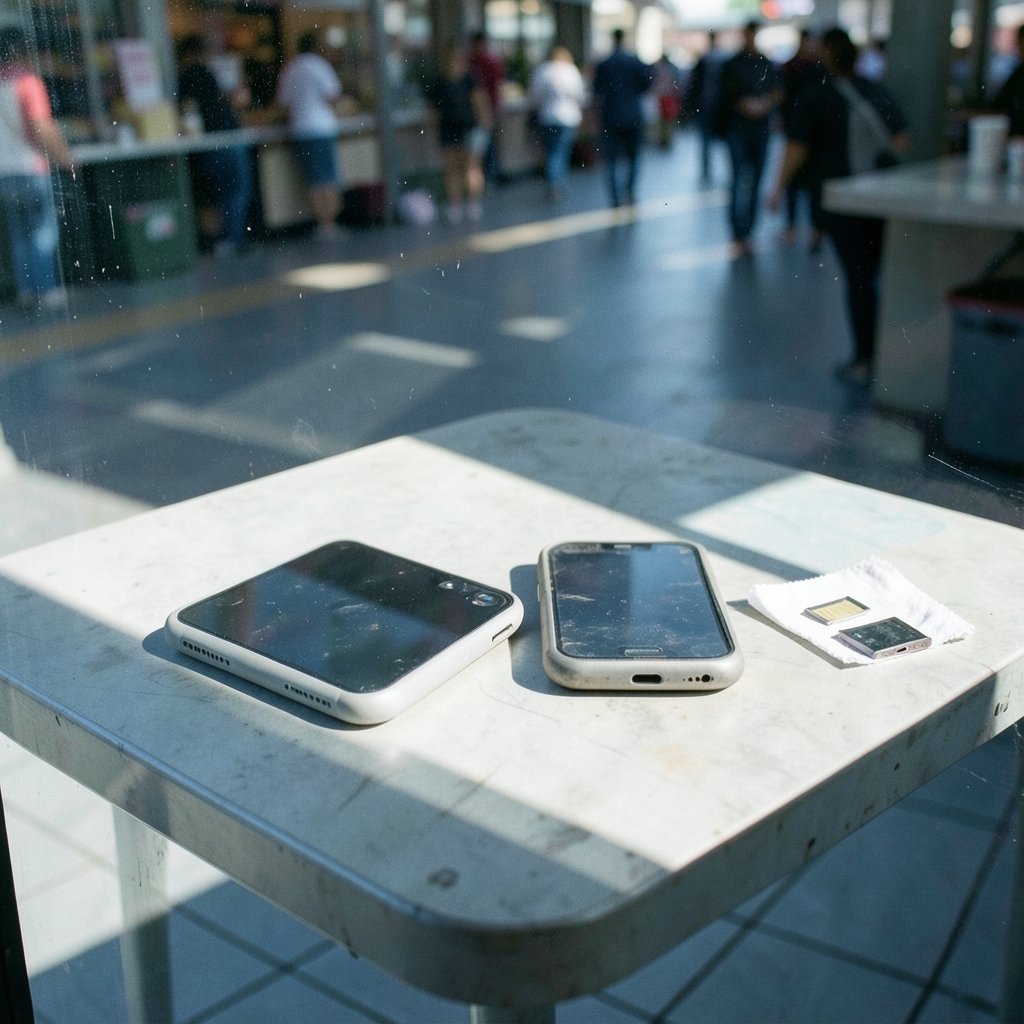
Marques Brownlee named the iPhone 17 his smartphone of the year and gave it his “greatest improvement” award. That combination is unusual. The standard model gained a much better display and double the storage without a price hike, which is exactly the kind of unglamorous fix that matters more than a new camera bump.
Who it suits: anyone on an older base iPhone who wants the smoothest possible upgrade path. What it does well: everyday speed, reliable software support, and a screen that no longer feels like the budget option in the lineup. The limitation: if photography is your priority, the iPhone 17 is not the category leader. Brownlee handed best camera to OPPO, and he was not alone.
Worth knowing: the ultra-thin iPhone Air drew sharp criticism from reviewers, with one prominent channel calling it a beautiful trap. Thin is not the same as better.
OPPO Find X9 Pro: The Camera Phone to Beat
Two independent awards bodies put the Find X9 Pro on top. Brownlee gave it best smartphone camera, while the Mrwhosetheboss awards named it phone of the year, describing it as the closest thing to a perfect phone yet made. The hardware backs the hype: a 200MP Hasselblad telephoto camera with real-time triple exposure, a 7,500mAh silicon-carbon battery, a display peaking at 3,600 nits, and IP69 water and dust protection.
Who it suits: people who shoot constantly and hate charging. What it does well: zoom photography, low-light shots, and battery endurance that embarrasses most flagships. The limitation: its 80W charging is not the fastest in this group, and the phone is not sold in the US, so American buyers are out of luck unless they import.
Samsung Galaxy S25 Ultra: The Safe Seven-Year Bet
Samsung’s flagship runs on the Snapdragon 8 Elite for Galaxy platform and leans hard into on-device AI: call transcription, a refined Circle to Search, and the Now Bar productivity tool. The 200MP main sensor and upgraded periscope lens keep it competitive, but the headline is the promise of seven years of Android and security updates.
Who it suits: buyers who keep phones for four or five years and want a guaranteed update path. What it does well: consistency. The S Pen, the display, and the ecosystem all work without surprises. The limitation: it is the most expensive route into Android, and rivals now match or beat its camera hardware. If value matters, compare it against the best budget smartphone picks before committing to a flagship price.
Google Pixel 10 Pro XL: Software Intelligence Over Raw Muscle
The Pixel 10 Pro XL runs Google’s own Tensor G5 chip, built around on-device AI rather than benchmark bragging rights. Shooting guidance, Magic Cue suggestions, and automatic best-take selection all happen locally. One major outlet ranked it the best overall phone of 2025, praising the combination of refined Android 16 software, excellent cameras, strong battery life, and seven years of updates.
Who it suits: people who want helpful software more than the highest frame rates. What it does well: point-and-shoot photography and AI features that quietly remove friction. The limitation: the Tensor chip is not built for heavy gaming, so serious mobile players should look elsewhere.
OnePlus 15: The Battery and Performance Monster
The OnePlus 15 packs a Snapdragon 8 Gen 5 Elite platform, a 165Hz AMOLED screen, a 7,300mAh silicon-anode battery, 120W fast charging, and a 5,731mm² cooling system. Brownlee gave it the best battery award. The OxygenOS 16 software adds Gemini integration plus AI image tools like DetailMax and Clear Burst.
Who it suits: commuters, travelers, and gamers who refuse to babysit a charger. What it does well: endurance and sustained performance under load, thanks to that cooling area. The limitation: software taste is personal, and OnePlus’s interface splits opinion in a way Samsung’s rarely does.
Xiaomi 17 Pro Max: For People Who Want the Biggest Screen
Brownlee’s best big phone award went to the Xiaomi 17 Pro Max. It is a device built around one idea: give people a canvas. If you watch video, read documents, or play games on your phone, the size stops being a drawback and becomes the feature.
Who it suits: heavy media consumers with big pockets, literally. What it does well: immersive viewing in a package that still feels refined. The limitation: one-handed use is a compromise, and small-phone fans should look at the compact category instead, where the Galaxy Z Flip7 took Brownlee’s nod. That flip phone also won best compact, which tells you how much the definition of small has shifted.
Samsung Galaxy Z Fold7: The Foldable That Made the Category Boring (in a Good Way)
The Z Fold7 won best foldable in Brownlee’s awards. Folding phones have spent years as expensive experiments; the Fold7 is the point where the form factor stopped being a conversation piece and started being a tool.
Who it suits: multitaskers who want a tablet in a pocket. What it does well: split-screen productivity and a big inner display that finally feels normal to use daily. The limitation: foldables still carry durability questions and a price premium that buys a lot of conventional flagship elsewhere.
CMF Phone 2 Pro: The Budget Pick That Earns Its Place
Brownlee named the CMF Phone 2 Pro by Nothing the best budget phone. That matters because budget awards are usually consolation prizes. Here it reflects a phone that gets the basics right without pretending to be something else.
Who it suits: first-time smartphone buyers, backup-phone shoppers, and anyone who refuses to finance a handset. What it does well: the essentials at a price that leaves room for a case and a year of service. The limitation: the cutbacks are real, so do not expect flagship cameras or wireless charging. Budget shopping rewards patience, and the same discipline that applies to smart spending on household tech applies here.
Two More Names Worth Knowing
The Honor Magic V5 earned praise as one of the best foldables tested in 2025, with a thin, light design, premium materials, a strong hinge, IP58/IP59 protection, stylus support, Dolby Vision on both displays, and excellent stereo speakers.
The Vivo X300 Pro took the filmmaker’s choice award from Mrwhosetheboss, with reviewers calling it two generations ahead of mainstream flagships. Its 4,500-nit peak-brightness display and 200MP periscope telephoto make it a serious tool for video creators. Neither phone is easy to buy in the US, which is the recurring catch with this generation’s most interesting hardware.
How to Choose Without Overthinking It
- Set a hard ceiling first. Decide the number before you browse. Flagships from Apple, Samsung, Google, OPPO, and OnePlus all cluster near the top of the market, and the differences between them are smaller than the price gaps.
- Pick your non-negotiable. Battery endurance, camera zoom, software support length, or screen size. Choose one. Phones that win on everything cost accordingly.
- Check update promises. Seven years of updates appears on both the Galaxy S25 Ultra and the Pixel 10 Pro XL. That promise is worth more than a slightly brighter screen if you keep phones for years.
- Handle the phone if you can. Weight and width decide daily comfort more than any spec. A 7,300mAh battery is wonderful until your wrist disagrees.
- Ignore the awards noise, keep the categories. Best camera and best battery are useful signals. Phone of the year is a single reviewer’s taste, and taste varies.
- Buy the previous generation when the upgrade is cosmetic. The iPhone 17’s win came from screen and storage improvements, not reinvention. That pattern repeats across brands.
Common Mistakes That Cost Real Money
The biggest one is buying for the camera you will use twice a month. Most people shoot in daylight, where mid-range phones close much of the gap. The second is dismissing a phone because a reviewer disliked the software skin; interface preferences are deeply personal and rarely transferable. The third is paying for AI features you never enable. On-device AI is genuinely useful on the Pixel 10 Pro XL and the Galaxy S25 Ultra, but only if transcription and search tools fit how you actually work.
A fourth mistake deserves its own warning: assuming a phone is available where you live. Several of the most praised devices in 2025, including the OPPO Find X9 Pro and Vivo X300 Pro, are not sold in the US. Check regional availability before you fall in love with a review.
Finally, time your purchase. Seasonal discount windows move flagship prices more than any negotiation, and the same logic that governs Labor Day makeup sales applies to electronics: the discount is only real if you were going to buy the item anyway.
Conclusion
The best smartphone in 2025 is not one phone. It is a shortlist, and the right entry depends on one question: what do you refuse to compromise on? Camera obsessives should start with the OPPO Find X9 Pro. Battery refugees should look at the OnePlus 15. Long-haul Android users get the most reassurance from the Galaxy S25 Ultra or Pixel 10 Pro XL. Big-screen fans have the Xiaomi 17 Pro Max, foldable fans have the Galaxy Z Fold7 and Honor Magic V5, and budget buyers have the CMF Phone 2 Pro. The iPhone 17 wins the default recommendation because it fixed the things that annoyed people without raising the price. Pick the category that describes you, then buy with a number in mind and a return window open.
Frequently Asked Questions
Which smartphone won the most awards in 2025?
The OPPO Find X9 Pro collected the most prominent wins, taking best camera from Marques Brownlee and phone of the year from Mrwhosetheboss. The iPhone 17 took Brownlee’s overall phone of the year and his greatest improvement award.
Is the iPhone 17 worth upgrading to?
For owners of older base-model iPhones, yes. Reviewers highlighted a significantly better display and doubled storage at the same price. If camera quality is your top priority, the OPPO Find X9 Pro and Vivo X300 Pro are stronger choices.
Which phone has the best battery life?
The OnePlus 15 won best battery in Brownlee’s 2025 awards, backed by a 7,300mAh silicon-anode battery and 120W charging. The OPPO Find X9 Pro is close behind with a 7,500mAh cell, though its 80W charging is slower.
Are Chinese flagship phones available in the US?
Mostly no. The OPPO Find X9 Pro, Vivo X300 Pro, Xiaomi 17 Pro Max, and several OnePlus models are not sold in the US, even though they earned top awards. American buyers should confirm regional availability before shortlisting any of them.
How long do premium phones stay supported?
Both the Samsung Galaxy S25 Ultra and Google Pixel 10 Pro XL promise seven years of Android and security updates. That makes them the safest picks for anyone who keeps a phone for four years or more.
Is a foldable phone a practical daily driver?
The Galaxy Z Fold7 won best foldable in 2025 and the Honor Magic V5 earned praise for its hinge and IP58/IP59 protection, so durability has improved. The trade-offs remain price and the care a folding screen demands compared with a slab phone.











