

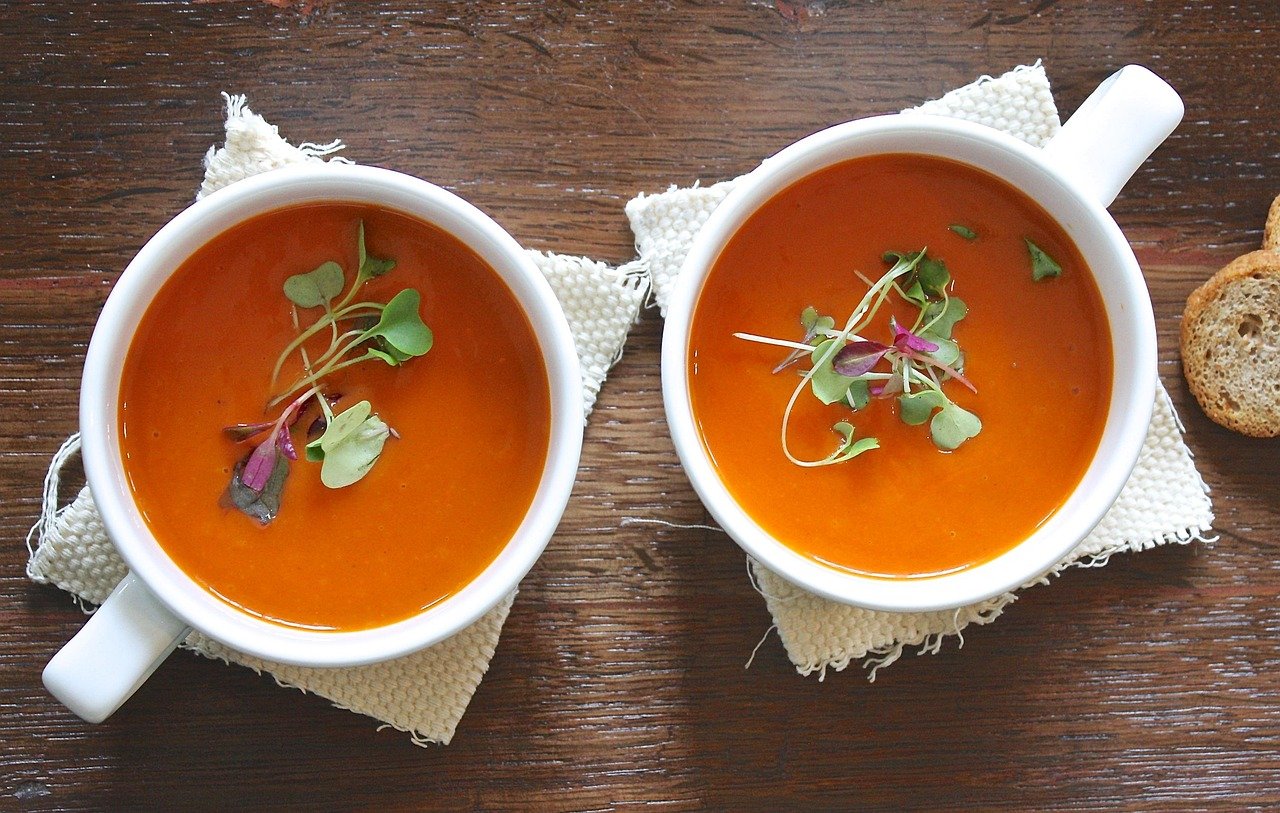
What makes a bowl of soup taste so good that people keep coming back to the same pot for decades? It is rarely the fanciest ingredient. More often, it is a smart base, a good sense of timing, and the patience to let flavors settle. That is the real story behind the best soup recipes, and it is a story home cooks can learn to repeat.
This guide looks at what separates a great soup from a forgettable one, walks through the classic styles worth mastering, and shares the practical habits that make the difference. It also covers the mistakes that quietly ruin pots of soup and the food-safety rules that keep leftovers safe.
What Actually Makes a Soup Recipe Great
“Best” is an editorial word, not a measurable one. No official body ranks soup recipes, and every family has a pot that beats any restaurant version. Still, the recipes that survive decades tend to share a few traits.
A layered base. Almost every great soup starts by cooking aromatics in fat before any liquid goes in. Onion, carrot, and celery, the classic French mirepoix, are the standard starting point in Western culinary training. That step is not decoration. Browning and softening release flavor compounds that water alone cannot pull out.
The Maillard reaction. When onions, bones, or vegetables brown, amino acids and sugars react under heat to create deeper, toastier flavors. The reaction is named after Louis-Camille Maillard, who described it in 1912, and it is the reason a roasted squash soup tastes richer than a boiled one. Skipping the brown stage is one of the most common reasons a soup tastes flat.
Balance. Great soup hits salt, acid, fat, and sweetness in some proportion. A squeeze of lemon or a splash of vinegar at the end can rescue a pot that tastes dull, and a knob of butter or a drizzle of olive oil can make it feel finished rather than thin.
Texture. Whether a soup is brothy, creamy, or chunky, it should feel intentional. A soup that is neither thick nor clear reads as an accident.
Restraint. The best recipes do not pile on fifteen ingredients. They pick a direction and commit.
The Core Styles Worth Mastering

Most soup recipes fit into a handful of families. Learning one reliable version of each gives a cook a whole repertoire.
| Style | Base | Key technique | Best for |
|---|---|---|---|
| Brothy vegetable | Stock, aromatics | Sweat, then simmer briefly | Weeknight dinners, using up produce |
| Bean and legume | Dried or canned beans, stock | Long simmer, partial blending | Big-batch cooking, freezing |
| Creamy purée | Roasted or simmered vegetables | Blend smooth, adjust thickness | Cold months, elegant starters |
| Noodle and dumpling | Clear or rich broth | Cook noodles separately | Quick meals, comfort food |
| Meat and stew-style | Browned meat, stock | Brown first, then slow simmer | Weekend cooking, leftovers |
| Chilled | Vegetables or fruit, dairy or water | Chill fully before serving | Warm weather, entertaining |
Each family has its own pitfalls, but the underlying logic is the same: build flavor, add liquid, season in stages, finish with care.
Building a Better Base: Stock, Broth, and the Browning Step
Culinary sources do not fully agree on where stock ends and broth begins. Broadly, stock is made mostly from bones, often unseasoned, and used as a building block. Broth usually includes meat and seasoning and can be served on its own. Definitions vary by tradition, so treat the distinction as a guideline rather than a rule.
What matters more is how the base is made. Roasting bones and vegetables before simmering them deepens color and flavor through browning. Skimming the surface during simmering keeps the liquid clear. Keeping the pot at a gentle bubble rather than a rolling boil prevents cloudiness and bitterness.
For cooks who want to skip the stockpot, a good store-bought stock plus one flavor-building step works well. Searing mushrooms, charring a halved onion, or toasting spices in the pot before adding liquid can lift a commercial base considerably. This is the same logic behind many traditional dishes that reward patience, like the slow-built flavors in easy belgian recipes at home that lean on long cooking times.
Seasoning in Stages: The Habit That Changes Everything
Ask experienced cooks where soup goes wrong and salt usually comes up first. The common practice is to season in stages: a little when the aromatics go in, a little with the liquid, and a final adjustment near the end. The reason is simple. As a soup reduces, its salt concentration rises. A pot seasoned perfectly at the start can taste harsh after twenty minutes of simmering.
Tasting near the end and adjusting is the reliable move. So is remembering that salty ingredients, such as cured meat, stock cubes, or soy sauce, count toward the total.
Acid deserves equal attention. A soup that tastes “like it is missing something” often needs acid rather than salt. Lemon juice, vinegar, or a spoonful of yogurt stirred in at the end can sharpen the whole pot. Fat works the same way in the other direction, rounding out sharp edges.
Soup Recipes That Fit Real Life
Not every soup needs an afternoon. Some of the most useful recipes are the ones that come together in under an hour, and others are worth a Sunday. Both belong in a rotation.
Fast weeknight pots
Clear broths with noodles, quick bean soups made from canned beans, and purées built on roasted vegetables all work on a weeknight. The trick is to keep a few flavor shortcuts on hand: good stock, a jar of roasted peppers, frozen peas, and a lemon. A pot of soup can go from bare to finished in the time it takes to boil pasta if the base is already flavorful.
Cooks who like dishes that reward simplicity will find the same philosophy in easy finnish recipes at home, where clean flavors and short ingredient lists do most of the work.
Weekend batches
Bean soups, meaty stews, and anything involving roasted bones benefit from time. These are the pots worth making in double quantity. They often taste better the next day, and they freeze well if handled properly.
Cold-weather comfort
Creamy purées, potato soups, and chili-style pots carry the winter months. The common mistake here is under-seasoning because the soup tastes rich. Creamy soups need more salt and acid than brothy ones, not less.
Warm-weather soups
Chilled soups, from gazpacho to cucumber-yogurt blends, get overlooked outside summer. They follow the same rules but need full chilling before serving, and they benefit from a fresh garnish added at the table. The same principle of choosing dishes that hold up well appears in healthy picnic recipes that hold up heat, where temperature and texture decide what works.
Thickening, Blending, and Fixing Texture
Puréed soups rise or fall on texture. Common thickeners include starch, puréed vegetables, and dairy, and each behaves differently. Starch-thickened soups can thin out if boiled hard or frozen, so they need gentle heat. Puréed vegetables thicken naturally but can turn gluey if over-blended. Dairy adds body but can split under high heat.
A few practical rules help:
- Blend in batches and never fill a blender more than halfway with hot liquid.
- Add starchy thickeners as a slurry, whisked into cold liquid first.
- Adjust thickness at the end with stock or water, not at the start.
- If a soup turns out too thin, simmer it uncovered or blend in a cooked potato.
- If it turns out too thick, loosen it with stock rather than water for better flavor.
For soups that should be silky, passing the purée through a fine sieve makes a visible difference. It is an extra step that separates a home pot from a restaurant bowl.
Common Mistakes That Quietly Ruin Soup
Most soup failures are small and fixable. Here are the ones that show up again and again.
Not browning anything. A pot of raw vegetables and water makes a thin, pale soup. Searing something first, whether meat, mushrooms, or onions, builds the flavor foundation.
Boiling hard. A rolling boil breaks apart delicate ingredients and clouds broth. A gentle simmer does the same job with better results.
Adding all the salt at the start. Reduction concentrates salt, so early over-seasoning is hard to undo. Season in stages.
Overcrowding the pot. Too many ingredients at once drop the temperature and steam rather than brown. Cook in batches when needed.
Skipping the finish. A soup pulled off the heat without a final taste, a squeeze of acid, or a fresh herb tastes unfinished.
Ignoring the salt in processed ingredients. Bacon, stock cubes, and canned beans carry salt. Counting them prevents oversalting.
Cooling, Storing, and Reheating Without Risk
Big pots of soup need careful handling. Perishable food, soup included, should be refrigerated within two hours of cooking. The temperature range between 40°F and 140°F (4°C to 60°C) is the danger zone where bacteria multiply fastest, so a large pot should be divided into shallow containers to cool quickly rather than left on the stove.
Leftovers should be reheated to 165°F (74°C) before eating. Soup that has been reheated once should not be reheated repeatedly; portion out what will be eaten and reheat only that.
Freezing works well for most soups, with exceptions. Dairy-based and starch-thickened soups can separate or turn grainy after freezing, so they are better thickened after thawing. Noodles and potatoes can go soft, so cook pasta separately and add it at serving time.
Making Soup Work for Different Diets
Soup adapts easily to dietary needs, which is part of why it stays popular.
For lower-sodium versions, public-health guidance recommends limiting salt intake, and many commercial soups are high in sodium. Homemade soup gives full control. Building flavor with browned vegetables, herbs, spices, acid, and good stock reduces the need for salt.
For plant-based versions, beans, lentils, mushrooms, and roasted vegetables provide body and depth. A splash of soy sauce or a piece of kombu in the pot adds savoriness without meat.
For gluten-free versions, the main watch-outs are stock cubes, soy sauce, and noodles. Checking labels solves most of it.
For higher-protein versions, beans, lentils, shredded chicken, and Greek yogurt stirred in at the end all raise the protein without changing the character of the soup.
Why Soup Recipes Keep Getting Shared
Soup is one of the few dishes that scales from a single bowl to a community pot. It uses up what is in the fridge, freezes well, and improves overnight. It also carries memory. Many of the recipes people call the best are the ones tied to a person, a kitchen, or a season.
That is worth remembering when browsing recipes. A dish with a story behind it, like the family-style cooking in Adeena Sussman recipes from her Israeli kitchen, tends to teach more than a list of ingredients. The technique transfers even when the exact recipe does not.
Conclusion
The best soup recipes are not the ones with the longest ingredient lists. They are the ones built on a browned base, seasoned in stages, finished with acid and fat, and handled safely from pot to fridge. Master one brothy soup, one bean soup, one purée, and one chilled soup, and the rest becomes variation.
Start with a pot that fits a weeknight, then graduate to a weekend batch. Taste as you go, keep an eye on the salt, and cool the leftovers quickly. Do that consistently, and the soup people ask for by name will come from your own kitchen.
What is the difference between stock and broth?
Stock is generally made mostly from bones, often unseasoned, and used as a base for other dishes. Broth usually includes meat and seasoning and can be served on its own. Culinary sources do not fully agree on the line between them, so treat the distinction as a useful guideline rather than a strict rule.
Why does my soup taste bland even after I add salt?
Salt is only one part of balance. A bland soup often needs acid, such as lemon juice or vinegar, or a little fat to round out the flavor. Browning ingredients before adding liquid also helps, because the Maillard reaction creates deeper flavors that salt cannot replace.
Can I make soup ahead of time and freeze it?
Most soups freeze well, especially brothy, bean-based, and vegetable soups. Dairy-based and starch-thickened soups can separate or turn grainy after freezing, so thicken them after thawing instead. Cook noodles and potatoes separately and add them when serving, since they go soft in the freezer.
How long can soup stay in the fridge?
Perishable food, including soup, should be refrigerated within two hours of cooking. Store it in shallow containers so it cools quickly through the danger zone between 40°F and 140°F. Reheat leftovers to 165°F before eating, and avoid reheating the same portion more than once.
What is the healthiest way to build flavor in soup without salt?
Brown the aromatics and any meat or mushrooms before adding liquid, use a good unsalted stock, and lean on herbs, spices, garlic, and acid. A splash of vinegar or lemon at the end sharpens flavor without sodium. Public-health guidance generally recommends limiting salt intake, and homemade soup gives you full control over how much goes in.
Do I have to brown ingredients before adding liquid?
It is not mandatory, but it makes a noticeable difference. Searing meat, onions, or vegetables creates browning that adds depth and color. Skipping that step is one of the most common reasons a homemade soup tastes flat compared with a restaurant version.














